REVIEW · OSAKA
Osaka: Tea Ceremony, Calligraphy, and Kimono Experience
Book on Viator →Operated by Japan Culture Experience · Bookable on Viator
A slow, traditional pause in Osaka. In about 3 hours, you’ll combine kimono dressing, a hands-on calligraphy session, and a real tea ceremony in a peaceful, indoor space.
You’ll also get friendly English support and clear guidance, which makes the whole thing feel approachable instead of intimidating.
One thing to factor in: transportation to the store isn’t included, so you’ll want to plan how you’ll reach 山茶花 Sazanka Osaka by public transit.
In This Review
- Key points at a glance
- Sazanka in Tennoji: A Quiet Culture Stop in Central Osaka
- Kimono Fitting and Styling: Choose Your Look, Then Pose
- Calligraphy in Practice: Tools Included and a Take-Home Keepsake
- Tea Ceremony with Matcha and Sweets: More Than a Demonstration
- Price and Value: Three Traditions for $97.73 in About 3 Hours
- English Support and the Private Group Format: Why Beginners Feel Comfortable
- Practical Tips for a Smooth, Photo-Friendly Experience
- Who Should Book This Osaka Kimono, Tea, and Calligraphy Session?
- Should You Book Osaka Tea Ceremony, Calligraphy, and Kimono at Sazanka?
Key points at a glance
- Private and calm: Only your group participates in this 3-hour experience.
- Full kimono rental: You get the kimono plus obi and accessories, with personal dressing help.
- Matcha and sweets: The tea ceremony includes both, not just a quick demo.
- Calligraphy tools included: You’ll create something you can take home as a memory.
- English-speaking guidance: Interpretation is limited to English.
Sazanka in Tennoji: A Quiet Culture Stop in Central Osaka
Osaka can heat you up fast in certain seasons, so I appreciate that this experience happens in a climate-controlled indoor setting. You’re not fighting weather or crowds. Instead, you’re stepping into a calmer rhythm—one that suits tea, ink, and careful movement.
The meeting point is 山茶花 Sazanka Osaka in Tennoji Ward, Uehonmachi—at 5-chōme, inside the 早川ビル building on the second floor. It’s described as near public transportation, which matters because you’re on your own for getting there (more on that later).
Also, this place is positioned for convenience. You’re in central Osaka, so it doesn’t feel like a big day-trip detour. If you’re building your schedule around landmarks and food already, this can slot in as a softer, more cultural hour rather than another commute-heavy block.
You can also read our reviews of more tours and experiences in Osaka.
Kimono Fitting and Styling: Choose Your Look, Then Pose
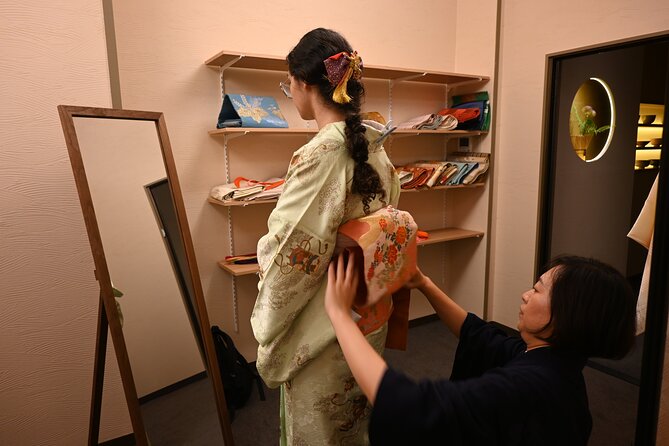
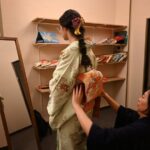
The kimono portion is a big reason people love this experience, and I get why. You’re not just handed something and told to stand still. You get a private kimono dressing service, plus a full rental kit that includes the kimono, obi, and accessories.
What I like about the setup is that it’s designed for beginners. You’re given guidance step by step, so you don’t have to worry about getting your outfit right. And the vibe is relaxed. One review highlights how the host helped with every step so the person could just enjoy learning.
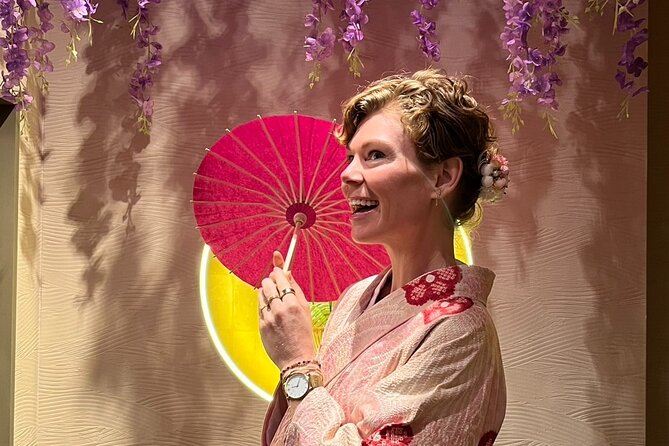
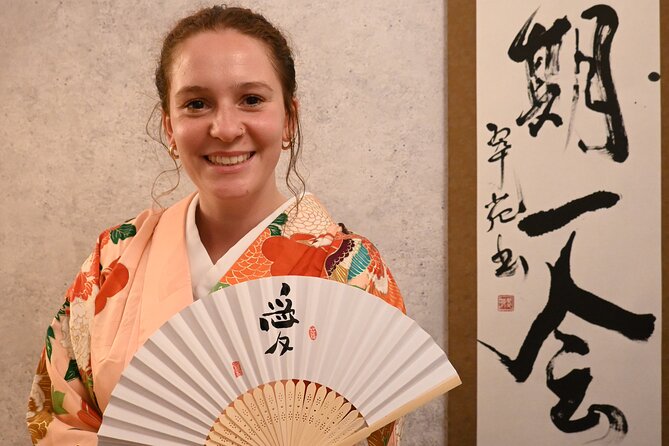
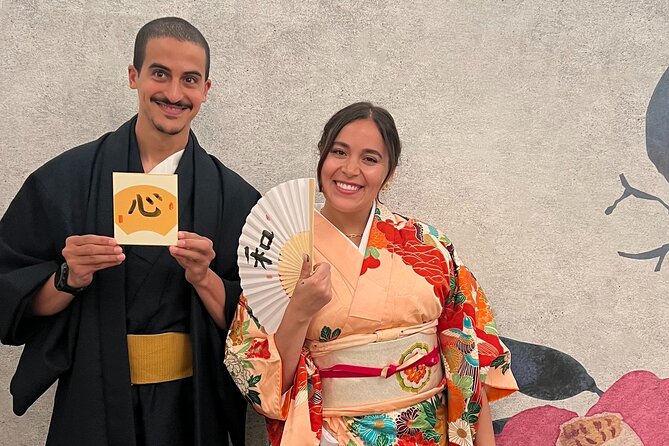
Practical plus: you can take photos in your kimono. That turns the outfit into a real memory, not just a brief moment. If you’ve ever wanted the full look—right down to how it sits and presents on camera—this is the kind of experience built for that.
A detail worth knowing from the feedback: the kimono dressing can include hair styling as part of getting you camera-ready. That’s the difference between wearing clothing and actually wearing the look.
One small consideration: kimono is a layered garment, so it’s not a “grab-and-go” style activity. You’re there for around 3 hours total, and the pacing expects you to slow down and let the process happen.
Calligraphy in Practice: Tools Included and a Take-Home Keepsake
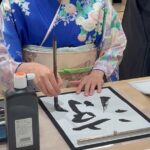
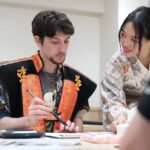
Calligraphy sounds elegant in theory, but it can feel mysterious when you’re staring at a brush and paper and wondering where to start. Here, you’re given the tools and papers as part of the experience, and you follow along with guidance in English.
The session is hands-on. One review mentions creating a fan as the calligraphy project, and they get to take it home. That’s a big deal for value: you’re not just watching someone do art. You’re making your own piece, and you leave with something you can keep (and show later).
Even if you’re a total beginner, calligraphy tends to become easier once you understand the basics: how to hold the brush, how to move with confidence, and how careful strokes work. Since the experience is designed for newcomers, you won’t be left guessing.
Also, calligraphy pairs naturally with the kimono and tea parts. It’s all about attention—slow movement, respect for materials, and learning through doing. By the time you finish ink work, the whole cultural theme feels connected rather than like three unrelated activities.
Tea Ceremony with Matcha and Sweets: More Than a Demonstration
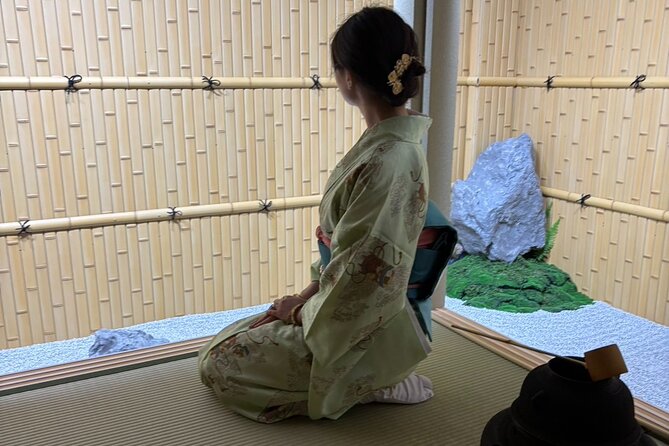
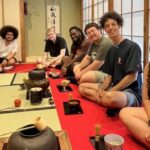
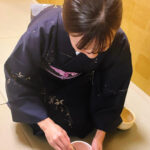
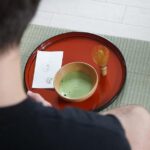
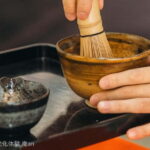
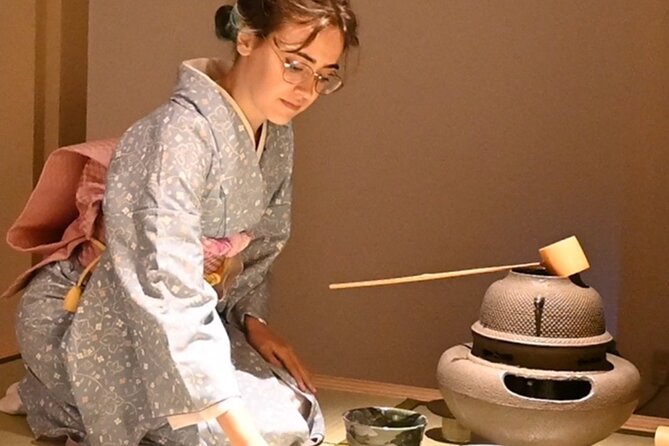
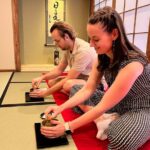
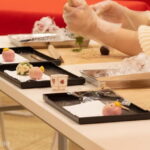
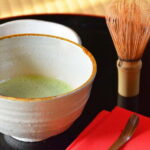
If you’re the type who likes meaning behind traditions, this tea ceremony portion is a strong match. The experience includes matcha and sweets, and it’s not presented as a quick performance. You get the full experience, with guidance throughout.
What makes it special is that the hosts explain the history and significance of the tea ceremony as part of the learning. That’s helpful because tea isn’t only about taste. It’s also about ritual—how the host moves, how guests participate, and why the pace matters.
In reviews, people call it relaxing, almost like stepping into another world. I like the way tea fits the overall flow of the day: dressing in kimono, then switching to ink, then returning to stillness for tea. That rhythm makes the 3 hours feel like one coherent cultural experience rather than a checklist.
One practical note: since you’re inside a climate-controlled setting, the ceremony stays comfortable. You’re not rushing because the weather is changing. That helps you actually focus on the moment—on the aroma of matcha, the sweetness alongside it, and the quiet flow of the utensils.
Price and Value: Three Traditions for $97.73 in About 3 Hours
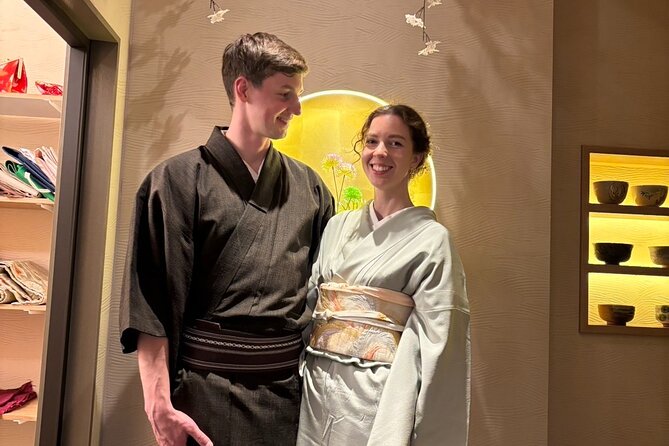
At $97.73 per person, the price looks reasonable once you break down what you actually receive. You’re getting:
- Full kimono rental (including obi and accessories)
- Private kimono dressing service
- Tea ceremony with matcha and sweets
- Calligraphy experience with tools and papers
- English-speaking guidance
That’s a lot bundled into one session, especially because the kimono and dressing alone can take time and staffing. Here, it’s all organized so you don’t have to hunt down separate classes or coordinate multiple stops.
The private format matters too. Only your group participates, so you’re less likely to feel like a number. If you’re traveling with a friend or family group and want the attention to be focused, that’s part of the value.
Where the price doesn’t help you: you still need to handle getting to the store. Transportation isn’t included, so the total “cost” depends on how you’re moving around Osaka.
My takeaway: if you want kimono plus tea plus calligraphy without turning your day into a logistics problem, this hits a good value sweet spot.


English Support and the Private Group Format: Why Beginners Feel Comfortable
A lot of cultural activities in Japan can feel intimidating if the language barrier is steep. This one is built to reduce that stress. It includes English-speaking support and guidance, which makes it easier to follow what’s happening and why.
That beginner-friendly element shows up in the feedback again and again. People describe the staff as warm, welcoming, and gracious, and they highlight how easy everything was to understand. You’re not just receiving instructions—you’re getting reassurance and help at each step.
The private group format also supports comfort. You’re not trying to keep up with a big group while coordinating photos, clothing adjustments, and careful brush strokes. You can go at a sensible pace and ask questions when you need clarity.
One note on limitations: interpretation in languages other than English isn’t included. If that’s important for your group, plan around it.
Practical Tips for a Smooth, Photo-Friendly Experience
This is a simple experience logistically, but a few smart choices will help:
- Arrive prepared for dressing time. Kimono takes effort. The activity includes private dressing, so you’ll want to arrive ready for a relaxed pace.
- Bring a phone or camera for kimono photos. Reviews specifically mention taking photos in kimono, so it’s worth planning to capture it.
- Use the English support actively. If you’re curious about what you’re doing—tea steps, calligraphy strokes, or what the host is explaining—ask. The guidance is part of the design.
- Plan your transit to 山茶花 Sazanka Osaka. Transportation to the store isn’t included, so check your route to the Tennoji/Uehonmachi area ahead of time.
And one comfort tip: since it’s in a climate-controlled indoor setting, you can focus on learning rather than weather management.
Who Should Book This Osaka Kimono, Tea, and Calligraphy Session?
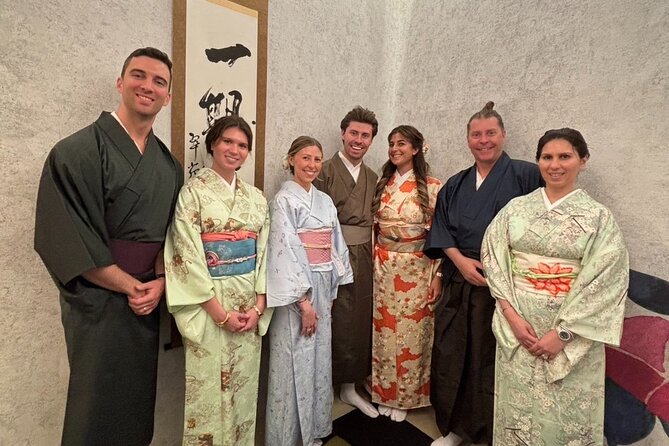
This experience is especially good for:
- Beginners who want traditional arts without feeling lost
- People who want a private cultural moment with friends or family
- Anyone hoping to fulfill a dream like kimono photos and a hands-on activity
- Groups of different ages, since the experience is described as relaxing and suitable for family or friend groups
It may be less ideal if you want a very fast, surface-level activity. This is built for careful learning: kimono dressing takes time, calligraphy requires attention, and tea ceremony encourages a calm pace.
Also, if you’re expecting transportation from downtown Osaka to be handled for you, keep expectations realistic. You’ll be taking yourself to the store.
Should You Book Osaka Tea Ceremony, Calligraphy, and Kimono at Sazanka?
If you want a single 3-hour block that covers three core Japanese cultural experiences—kimono, tea, and calligraphy—with English help and a serene indoor setting, I think this is a strong pick.
Book it if:
- you want the full kimono look and styling, including time for photos
- you’d enjoy learning the meaning behind the tea ceremony, not just tasting matcha
- you like leaving with something you made (your calligraphy)
I’d hesitate only if:
- your group needs non-English interpretation
- you don’t want to manage your own transit to the meeting point
Overall, this feels like the kind of experience you’ll remember because you do it—ink under your own hand, tea you participate in, and a kimono look you can actually photograph and keep as a vivid memory.