REVIEW · OSAKA
Osaka: Private Tea Ceremony and Calligraphy Experience
Book on GetYourGuide →Operated by Japanese Culture Experience WA NO MA · Bookable on GetYourGuide
A calm studio time in Namba. This private tea ceremony + calligraphy session with Wa No Ma pairs real ritual with hands-on making, so you leave with matcha experience and a personal paper souvenir. I especially love that you get one-on-one attention (so questions don’t get shuffled), and you also get to make your own matcha and drink it properly, not just watch. The only real catch: it’s not set up for wheelchair users, so plan accordingly.
You also get personalization that feels more thoughtful than a generic cultural activity. In calligraphy, you pick a theme and your favorite letters/words, then the instructor helps steer you toward kanji that fits the vibe you want—ending with your name written in Japanese characters, plus an initials stamp. One thing to keep in mind: if you’re picky about strict schedules, the pacing can flex for photos, questions, and slower moments (for example, if you’re traveling with a child).
In This Review
- Key things I think you’ll care about
- Namba base: why this class feels calmer than Osaka sightseeing
- Finding the studio: New Osaka Hotel Shinsaibashi and the blue vending machine
- 135 minutes split the right way: calligraphy first, then tea
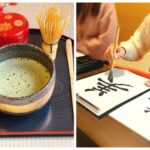
- Calligraphy lesson: pick a theme, choose kanji, and finish with your stamped souvenir
- A note for kids: water calligraphy
- What to do for the best result
- Tea ceremony lesson: learn the steps, choose a bowl that matches your mood
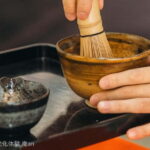
- The matcha making part: hands-on, not a demo
- Sweets twice: two chances to taste different Japanese flavors
- Photos, pacing, and questions: the class style that makes it feel personal
- Price and value: why $64 feels fair for what you take home
- Who this experience suits best (and who should choose something else)
- Practical tips before you go
- Should you book this Osaka tea ceremony and calligraphy?
Key things I think you’ll care about
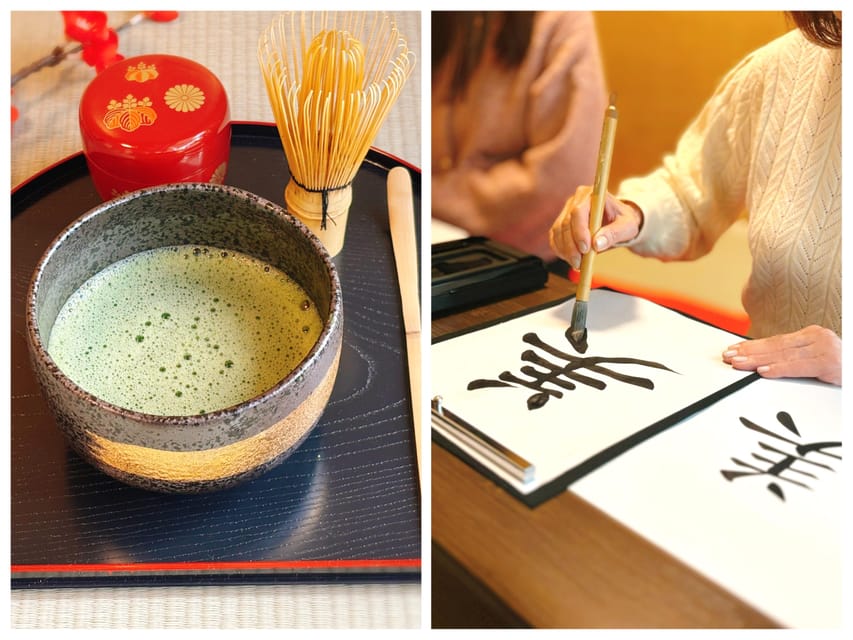
- Private, instructor-led flow: close attention and plenty of time for questions and photos.
- Your calligraphy becomes a take-home souvenir: colored paper, ink/brush practice, your name in Japanese characters, and an initials stamp.
- Kanji chosen with your personality in mind: you select a theme and the instructor suggests the best way to express it.
- Matcha isn’t just tasting: you learn steps, then make your own bowl and drink it.
- Japanese sweets show up twice: you’ll get two chances to enjoy different types during the tea ceremony.
- In Namba near Shinsaibashi: a short hop from one of Osaka’s easiest shopping-and-walking areas.
Namba base: why this class feels calmer than Osaka sightseeing
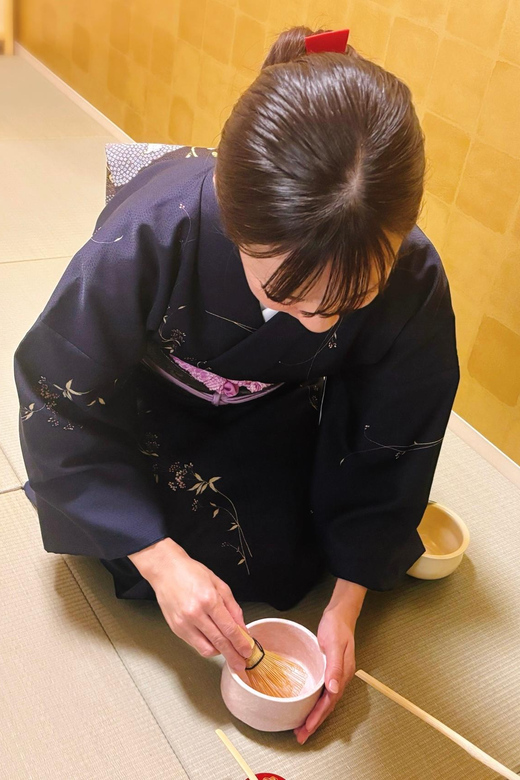
Osaka is loud in a fun way, but this experience gives you the opposite tempo. The studio setting is designed for stillness—so you’re not juggling trains, crowds, and constant navigation while trying to learn something precise like tea or brush strokes.
The value piece is simple: you’re paying for time with an instructor who stays with your group the entire session. With a private group, you’re not waiting your turn for basic instructions. And you don’t feel rushed to produce a perfect result. A few of the strongest signals from real participants are about that calm pace: “peaceful,” “cozy,” and “not feeling rushed,” which matches what you want from tea ceremony, honestly.
This also helps if you’re traveling with family. The class explicitly offers a kid-friendly option in calligraphy (water calligraphy), and that’s a big deal for parents who worry about mess and patience. The instruction is there to keep it fun, not stressful.
You can also read our reviews of more tours and experiences in Osaka.
Finding the studio: New Osaka Hotel Shinsaibashi and the blue vending machine
Meeting is easy, and that matters because tea ceremony and calligraphy are timing-sensitive in practice (even if the instructor can slow down for you).
Go to the entrance of New Osaka Hotel Shinsaibashi, then walk west for about 30 seconds. Look for the blue vending machine near the entrance. The instructor waits outside the building in front of the main entrance about 5 minutes before your booked time, and you’ll recognize them because they’re wearing kimono.
If you’re mapping it, don’t overthink it. Use the hotel entrance as your anchor point, then just look for the blue vending machine and the kimono. That’s it.
135 minutes split the right way: calligraphy first, then tea
You’re booked for 135 minutes, and the experience is paced in two main parts:
1) Calligraphy lesson
2) Tea ceremony lesson, including matcha making and sweets
Why this order works: calligraphy is “active” learning—choosing a theme, practicing strokes, then producing a final piece. Tea ceremony then slows everything back down. By the time you’re sipping matcha, you’ve already switched into the slower mindset that calligraphy naturally trains.
Also, because it’s private, the instructor can adjust the flow for your needs—more photos, slower pacing, more questions, or a quicker finish if you’re short on time.
Calligraphy lesson: pick a theme, choose kanji, and finish with your stamped souvenir
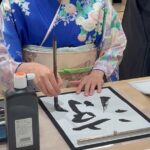
This part starts with your choices. You’ll select a writing theme for the day, and you can tell the instructor your favorite letters and words. From there, Wa No Ma can suggest the best kanji to express what you mean—especially based on the vibe of your personality and what you’re trying to capture.
That personalization is one of the biggest reasons people love this class. It’s not just copying a character from a board; it’s making something that represents you. And it ends with real “made it myself” satisfaction: you’ll practice the brush strokes first, then write a finished piece.
Here’s what typically happens, step by step:
- Theme + favorite letters/words: you steer the direction.
- Basic practices: the instructor explains the key stroke habits that make calligraphy look correct.
- Pick colored paper: you choose your final paper from multiple options.
- Write your name in Japanese characters: personalized result.
- Stamp your initials: the finishing touch that turns it into a true souvenir.
A note for kids: water calligraphy
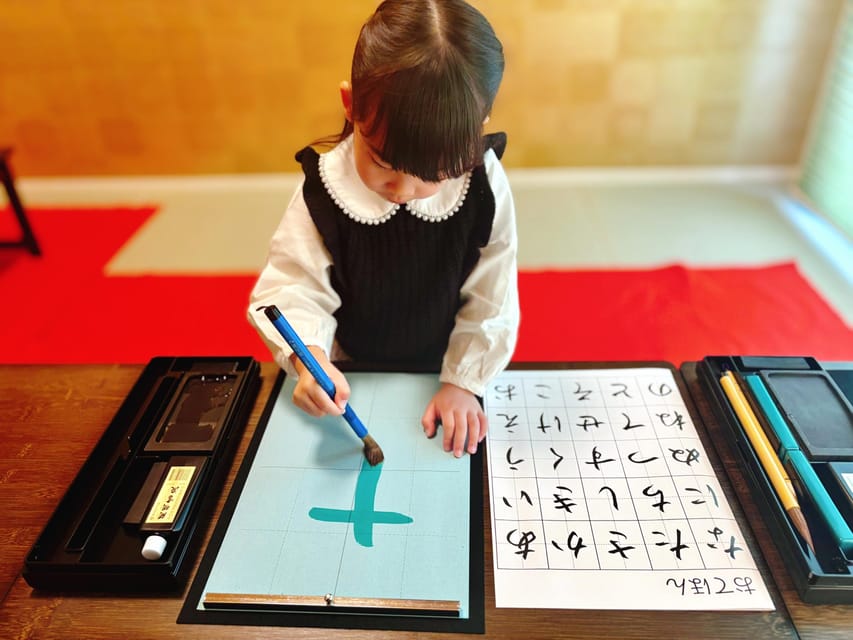
If you’re bringing a young child, the class offers water calligraphy. That’s designed to prevent dirty hands and clothes, which is exactly what you want when you’re trying to keep the experience fun and stress-free.
What to do for the best result
Come in with at least a loose idea of what you want your theme to be—something you can say out loud clearly. Examples could be a positive trait you want to embody, a word related to your trip, or even just a name or favorite meaning. The more specific you are, the easier it is for the instructor to choose kanji that fits your intent.
Tea ceremony lesson: learn the steps, choose a bowl that matches your mood
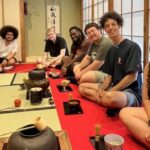
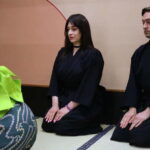
After calligraphy, you shift into the tea ceremony side, where the focus becomes ritual and attention. If you’ve never done this before, don’t worry—participants repeatedly describe the instruction as clear and calm, with time to ask questions.
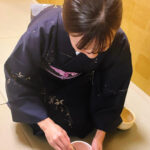
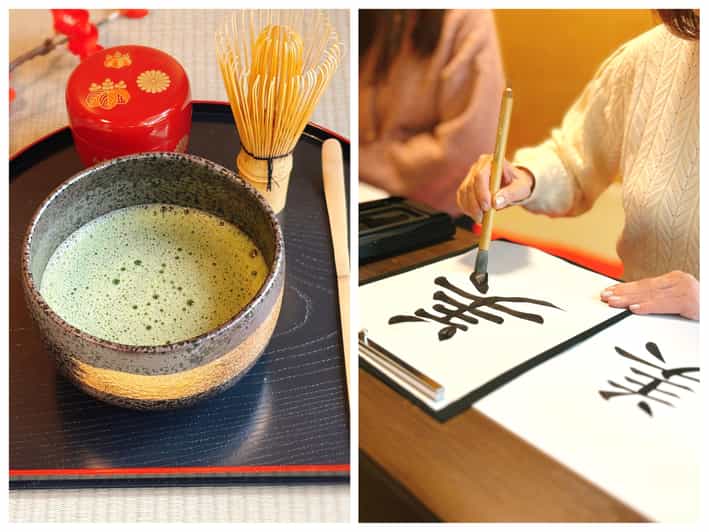
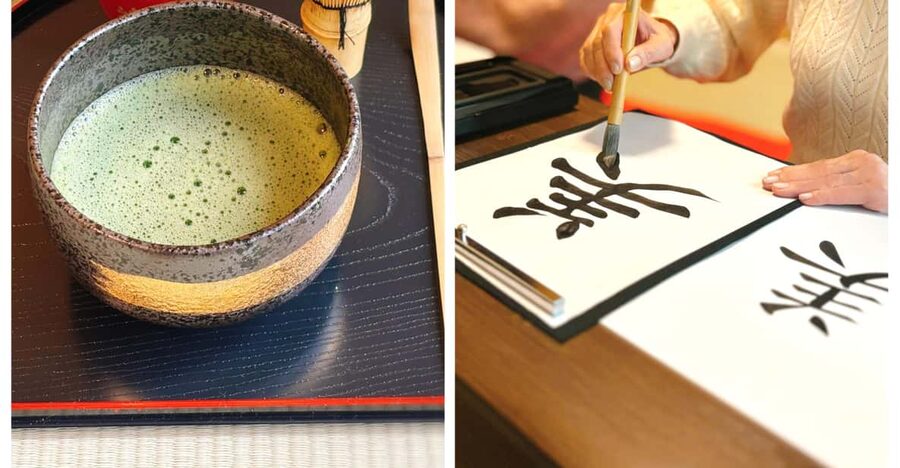
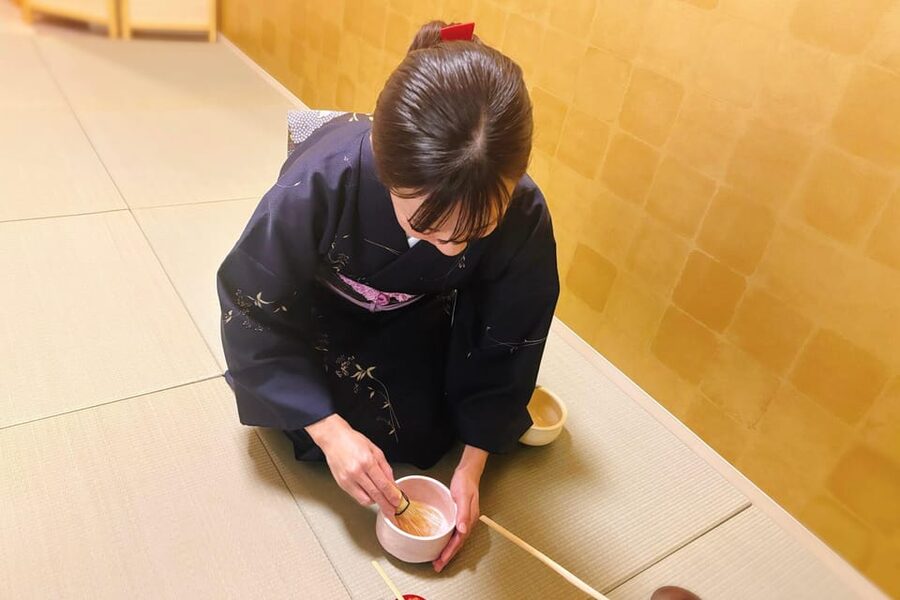
You’ll learn how to make tea, then try making it yourself. And you get to make choices here too: you can select a tea bowl that expresses your feelings today from several options. That’s a small detail, but it changes the whole vibe. You’re not just doing tasks—you’re choosing how you want the moment to feel.
The matcha making part: hands-on, not a demo
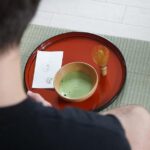
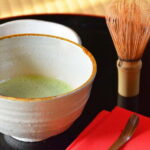
Matcha isn’t just served; you’ll brew it yourself. That’s a huge part of the education here. You learn the steps, then you experience the taste right after—so it sticks.
A lot of people also enjoy hearing what makes matcha and the sweets fit the season. The class includes discussion on the history and significance of tea ceremony, and how seasons connect to the sweets used throughout the year. If you like cultural context (not just crafts), this is where the lesson becomes more than a one-time activity.
Sweets twice: two chances to taste different Japanese flavors
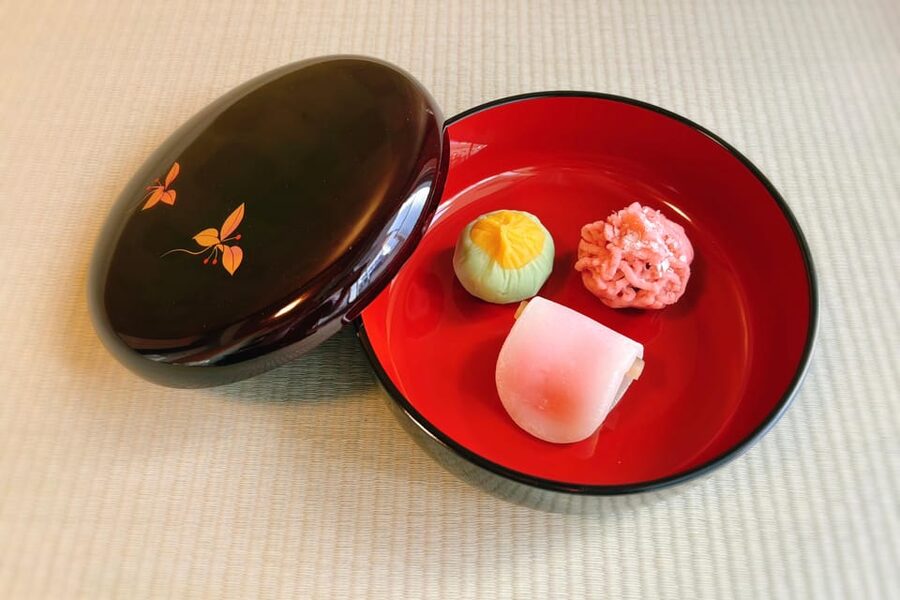
Tea ceremony is often described as about more than the tea, and the sweet schedule backs that up. During the tea ceremony, you’ll enjoy different types of Japanese sweets twice.
That matters for your planning because it turns the class into a full sensory experience, not just a short snack break. It also helps you get a better feel for how Japanese sweets can complement matcha—sweetness and texture used to balance the tea’s flavor.
One additional plus: the class provides sweets, and some participants explicitly noted lactose-free options were available. If you have dietary concerns, you’ll want to ask ahead of time so the instructor can guide you to the right choice for your group.
Photos, pacing, and questions: the class style that makes it feel personal
A lot of “culture classes” say private, but don’t actually act like it. Here, the teaching style is built around flexibility.
You can take photos anytime during the experience, and the instructor is willing to adjust the pace toward your satisfaction. That might mean:
- you want lots of pictures
- you’d like to proceed slowly
- you want time to ask questions mid-lesson
- you’re traveling with a child and need more time between steps
This isn’t just nice—it’s practical. Calligraphy and tea both involve small, repeated motions. If someone rushes the group, you miss the “why” behind each step. With a private session, you can slow down just enough to actually learn.
Price and value: why $64 feels fair for what you take home
The price is $64 per person for 135 minutes. At first glance, it’s not a bargain. But in Japan, the value comes from what’s included and what you produce:
Included in your cost:
- instructor time
- calligraphy colored paper
- matcha making experience
- matcha and Japanese sweets (with multiple sweet tastings during the ceremony)
And you take home:
- your calligraphy artwork (your chosen theme, kanji direction, your name in Japanese characters, plus your initials stamp)
So you’re paying for materials + guided teaching + a finished souvenir. If you tried to buy a calligraphy kit and figure out tea ceremony basics on your own, you’d spend less on instruction but more on guesswork and frustration—and you still wouldn’t get the ritual coaching and personalized kanji guidance.
In other words: the price makes sense if you want a meaningful memory, not just a quick photo.
Who this experience suits best (and who should choose something else)
This class fits best if you:
- want a calmer, slower activity in central Osaka (Namba)
- are new to both tea ceremony and calligraphy
- like hands-on learning where you make your own final souvenir
- appreciate cultural context (tea ceremony history and season-based sweets)
It’s also a strong pick for families, because the calligraphy portion can shift to water calligraphy for young children.
Choose another type of activity if:
- you need wheelchair access (this one says it’s not suitable for wheelchair users)
Practical tips before you go
Small details make the experience smoother.
- Bring socks. You’re asked to bring socks, so don’t assume you’ll have some on hand.
- Wear something comfortable for sitting and moving your hands with a brush.
- Come with one simple theme you can explain in your own words. It helps the instructor steer your kanji choices.
- If you care about photos, plan to use that flexibility right away—ask early in the session where it feels best to take pictures.
Should you book this Osaka tea ceremony and calligraphy?
Yes, if you want one of the most “Japan” experiences you can do in a short time without spending the whole day in transit. This works because it’s private, guided with real attention, and you leave with two tangible outcomes: matcha you made and calligraphy you produced.
If you’re on the fence, book it if any of these are true:
- You want a take-home souvenir that feels personal, not generic.
- You want to learn something small but real: how to brew matcha and how to form strokes correctly.
- You prefer calm, structured instruction over wandering around looking things up.
If you want a memorable, low-stress cultural afternoon in Namba, this is a strong yes.