REVIEW · MUNNAR
Munnar: Tea trail, Tea Factory, and Tea Tasting Tour
Book on GetYourGuide →Operated by Munnar Info · Bookable on GetYourGuide
That first cup of tea starts with a walk. In Munnar, the tea trail tour turns the usual photo stop into a real sense of how tea grows, gets processed, and ends up on your palate. I like that it’s guided in a practical way, with stories you actually remember, often led by guides such as Mari and Raja.
Two things I especially liked: the plantation walk gives you the living context—where plucking happens, how harvesting fits plantation life, and how tea supports the local community. Then the Lockhart Tea Factory visit ends with a guided tasting where you learn to compare black, green, and specialty styles instead of drinking them blindly.
One consideration: the walk is on uneven ground, and the tour isn’t suitable for wheelchair users or people with mobility impairments.
In This Review
- Key highlights you’ll care about
- Tea trail walk in Munnar: what you learn before you sip
- Lockhart Tea Factory & Museum: how tea goes from leaf to grade
- Tea tasting session: learning to taste Munnar tea properly
- Tea culture details that make this tour feel human
- Price and value: is $13 per person actually a good deal?
- Time, meeting, and practical logistics that can trip you up
- Who should book this tea tour (and who should skip it)
- Should you book Munnar’s Tea Trail, Tea Factory, and Tasting Tour?
- FAQ
- How long is the Munnar Tea Trail, Tea Factory, and Tasting Tour?
- What does the tour include?
- Is transportation to and from the factory included?
- Where does the tour finish?
- What language is the tour guide?
- Do I need to bring anything?
- Is there mobile connectivity during the tour?
- Can I touch the tea plants during the walk?
- Is the tour suitable for wheelchair users or mobility impairments?
- FAQ (booking and rules)
- What’s the cancellation policy?
- Is there an option to pay later?
- Is the tour a guided experience the whole way?
- Is there an advantage to this tour vs buying factory tickets separately?
- What kind of tea will I taste?
Key highlights you’ll care about
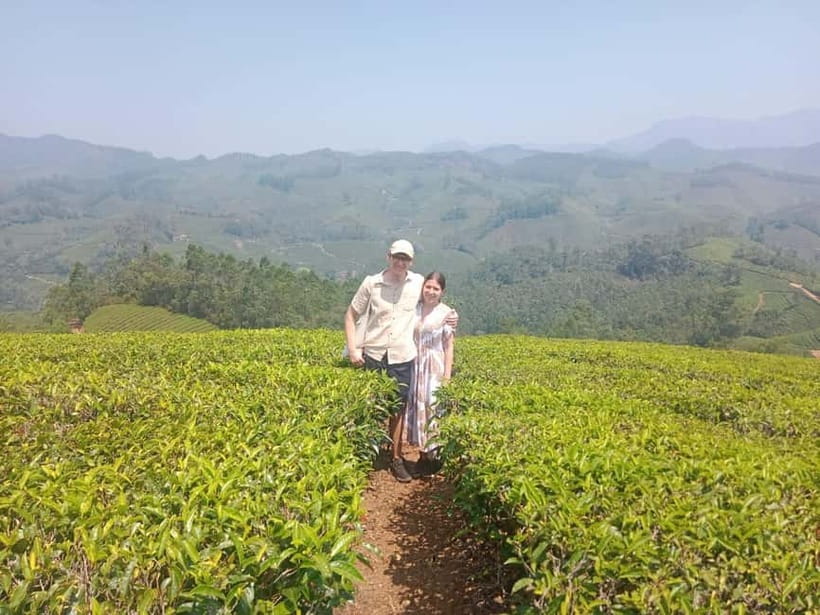
- A guided tea plantation walk with stops for explanations (and plenty of photos)
- Lockhart Tea Factory & Museum with a look at Orthodox processing
- Tea tasting led by the guide, focused on aroma, flavor, and texture
- A factory smell test in the best way, as fresh leaves fill the rooms
- Real tea culture connection, including interaction with tea pluckers and plantation routines
Tea trail walk in Munnar: what you learn before you sip
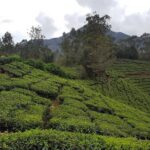
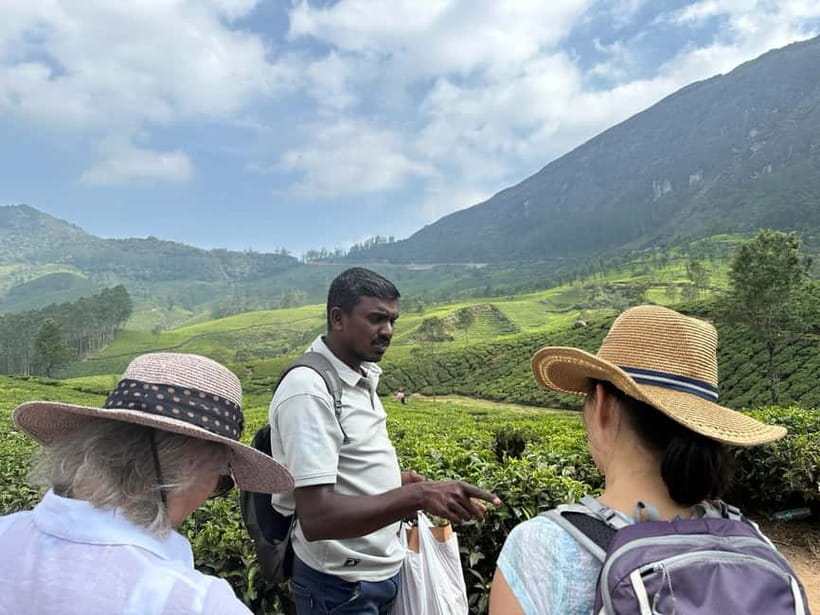
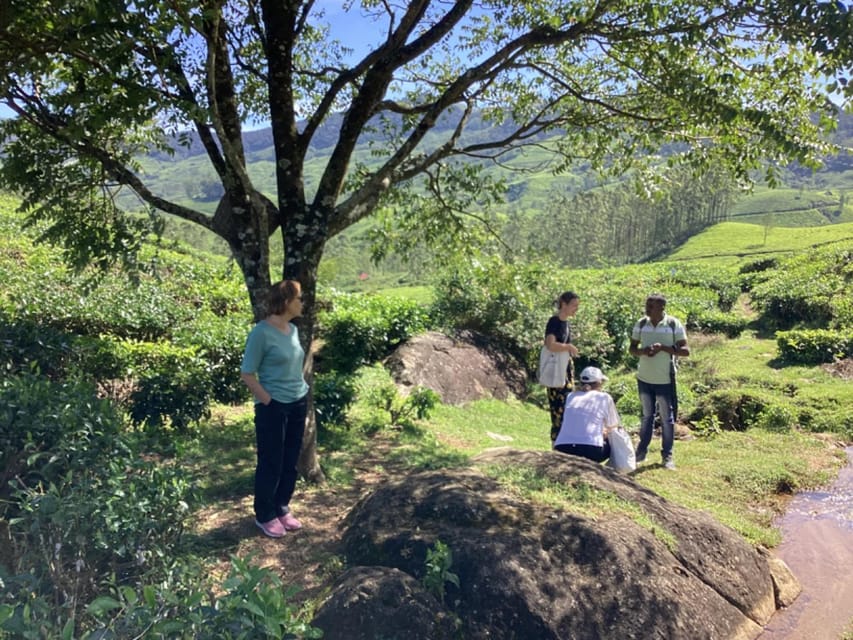
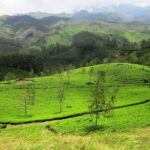
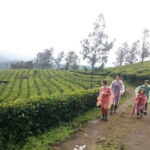
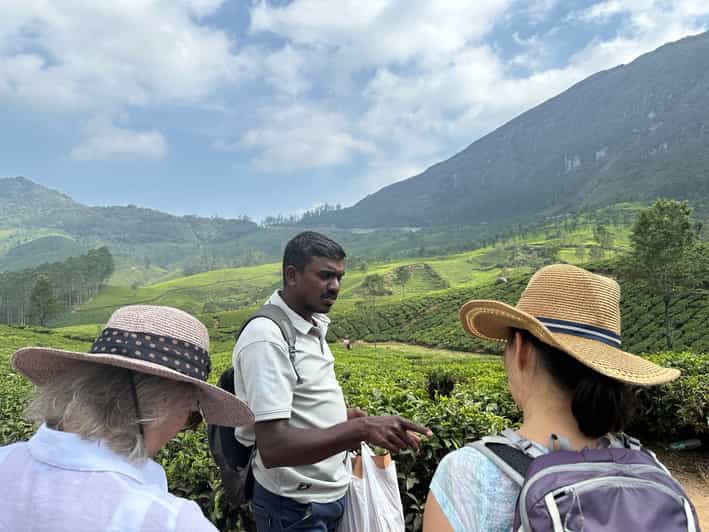
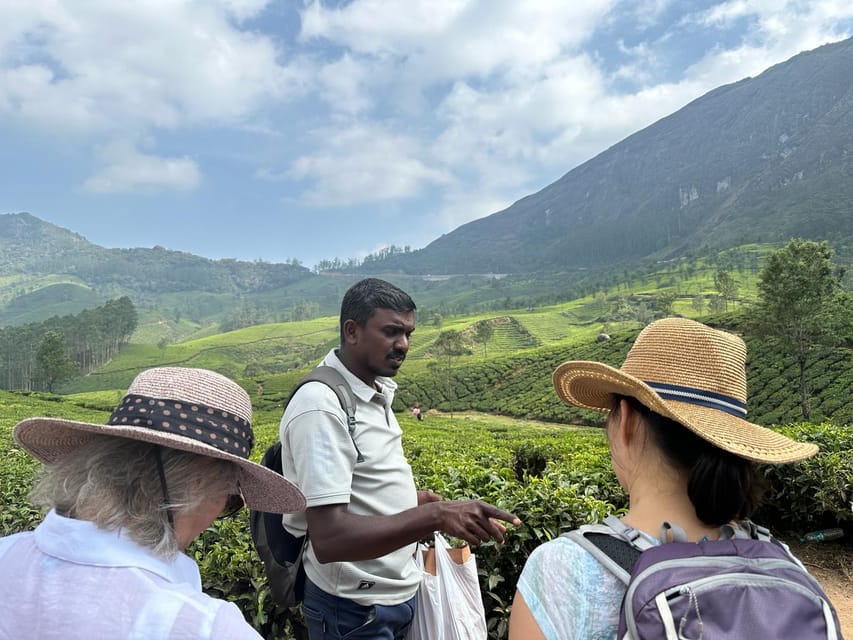
The tour begins in Munnar tea country, where the air feels cooler and the tea terraces stretch out in layers. You’ll walk through a working plantation with your guide pointing out what matters—where tea grows best, how the bushes are maintained, and what daily cultivation looks like at ground level. It’s not a sprint. The pace is built around learning and seeing, with short photo moments along the way.
What surprised me is how much tea cultivation overlaps with ordinary human routines. You hear how plucking works, what tea pickers do, and how the plantation system supports the people who live and work there. Guides also share cultural context around tea as a crop—how it shaped the area and why it remains a core livelihood.
Expect a walk that’s mostly easy but still outdoors in a hill town. You’ll want comfortable shoes and plan for some uneven patches. It’s also sunny up in the hills, so bring sunscreen and a hat. One review even basically sounded like a warning: put sunscreen on early, or you’ll regret it before the tasting.
A quick practical note: touching the plants isn’t allowed. It’s a small rule, but it keeps the focus on learning rather than turning the tour into a souvenir touch-fest.
You can also read our reviews of more tours and experiences in Munnar.

Lockhart Tea Factory & Museum: how tea goes from leaf to grade
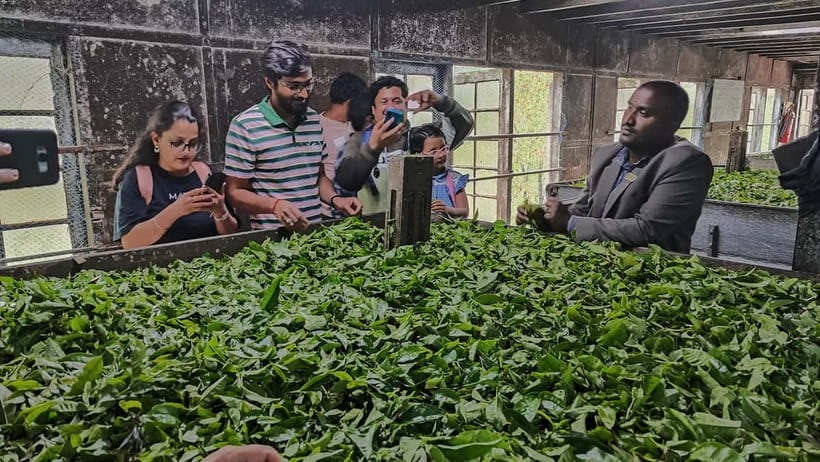
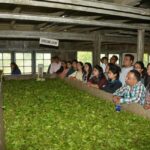
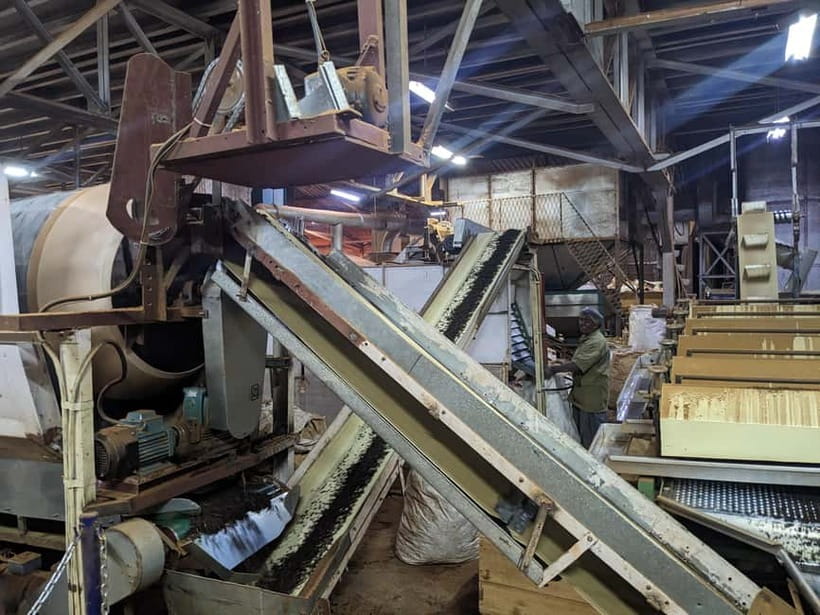
After the plantation section, you end at Lockhart Tea Factory, one of the long-running names in Munnar tea. The visit is designed like a guided story: history first, then the process. You’ll get to see the areas where tea is processed and learn how the factory’s approach fits traditional Orthodox methods.
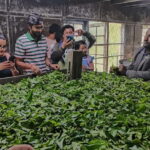
Inside, the experience shifts from outdoors to close-up production. The machinery and room setup can be busy, and the smell hits you right away—fresh leaves and that distinct tea-processing aroma. This is the part that makes tea feel real, not just a drink you order.
Here’s what you should watch for during the factory walkthrough:
- The flow of the steps: leaf handling becomes processing stages, and each stage affects the final cup.
- The machinery and how it’s used: it’s not technical trivia for its own sake. It’s the reason the tea tastes the way it does.
- The museum angle: you’ll see exhibits that connect today’s operations to how tea production evolved over time.
One thing to be aware of: factory rooms can get louder when groups are larger. In smaller groups, it feels like the guide can stay close and talk freely. In bigger groups, you may have to work a bit harder to catch every explanation over the sound of the machines—but the guide still leads you through the process and keeps the session moving.
Tea tasting session: learning to taste Munnar tea properly
The tasting happens after you’ve seen how tea is made, which is the smart order. You’re no longer guessing. You can connect the dots: cultivation and processing lead to what’s in your cup.
During the tasting, the guide helps you compare multiple grades and styles. You’ll sample different kinds of tea, and you’ll learn how to identify what’s going on through aroma, flavor, and texture. Think of it like a quick tasting class, not a random “try these” buffet.
If you like food tours, this part is your reward. You’ll get practical guidance on how to brew and how to notice differences between:
- black teas
- green teas
- specialty teas produced in the region
The tasting also gives you something useful for later. You’re more likely to understand why one tea tastes lighter or deeper, why some feel smoother, and why aroma matters as much as flavor.
And yes, there’s usually a chance to buy tea at the factory store afterward. The best part is you don’t feel pressured. If you find a style you genuinely liked, you can take some home. If not, you can just enjoy the learning.
Tea culture details that make this tour feel human
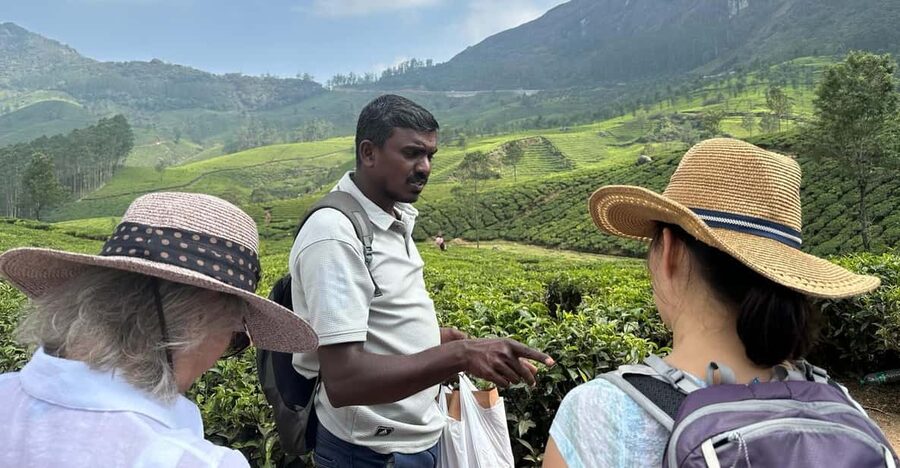
This isn’t just about machinery and leaves. The tour is built to connect tea to people—where it’s grown, who tends it, and how tea supports the local community.
You may also hear small, memorable details from your guide. For example, guides such as Mari have been described as bringing along personal touches like snacks during the walk, and sharing extra observations about nearby flora and fauna. Another guide, Raja, has been praised for explaining which parts of the plants are used for different teas. Those little extras are what turn the tour from educational to memorable.
One more cultural detail that matters: the guide approach is community-trained and story-based. That means you’re not just getting a script. You’re getting a living explanation of how tea operates in Munnar, including what plantation work looks like day to day.
Price and value: is $13 per person actually a good deal?
At around $13 per person for a roughly 3-hour experience, the value is strong—especially because multiple parts are included. You’re not paying extra for the core components. The tour includes:
- the guided plantation walk
- the tasting session
- the Lockhart Tea Factory visit
- entry fees
The biggest cost drivers in a lot of tours are transport and admissions. Here, admissions are handled. That makes the price feel fair if you’re already in Munnar and can handle the local logistics.
Where value can vary is transportation. If you need help getting to the factory area, you’ll want to confirm what’s covered for your exact starting point. The tour includes the on-tour movement between plantation and factory in some cases, and some people report tuk-tuks being arranged. Others note you may need your own driver for certain legs. Your safest move: verify whether you’ll be picked up from your accommodation or whether you’re expected to travel on your own to the meeting area.
Either way, for what you get—walk + factory + tasting—you’re paying for three experiences in one block.



Time, meeting, and practical logistics that can trip you up
This tour runs about 3 hours in total. Plan to be punctual. The instructions are to report about 5 minutes before the tour.
One logistics point that’s easy to miss: there’s no mobile connectivity in the area. So you should connect with the guide or the activity team at least 1 hour before start time. That one step prevents the usual travel-day stress of hunting someone when your phone has no signal.
What you should bring is straightforward:
- comfortable walking shoes
- hat and sunscreen
- water (hydration matters on a sunny plantation walk)
- modest clothing suitable for walking
And remember: you’re walking on uneven surfaces outdoors. If you have knee issues, balance problems, or any mobility limitations, this may not be the right fit.
Who should book this tea tour (and who should skip it)
Book it if you want:
- a guided tea plantation walk that’s more than just a viewpoint
- a factory visit where you learn the process behind Orthodox-style tea making
- a real tasting session where you learn to compare styles (black, green, specialty)
- a small, educational outing in the middle of a Munnar visit
Skip it if you:
- need wheelchair-friendly terrain or mobility support (the walk isn’t set up for that)
- hate loud indoor environments with many people around the machinery
- want a full meal included (meals and drinks are not included)
This is also a great option if you’re traveling with someone who’s not a “tea person.” Seeing the production steps and tasting with guidance can turn disinterest into curiosity fast.
Should you book Munnar’s Tea Trail, Tea Factory, and Tasting Tour?
I’d book it if you like tours that teach you something and end with a hands-on payoff. The mix here is the strength: plantation context first, factory process second, then tasting so you can actually taste the difference you learned. Guides such as Mari and Raja are consistently praised for making the session feel friendly and grounded, not like a dry lecture.
Just make sure you’re comfortable walking uneven ground in the sun, and double-check how transport works for your specific starting location. If you handle those two basics, this is one of the better ways to understand Munnar beyond scenery shots.
FAQ
How long is the Munnar Tea Trail, Tea Factory, and Tasting Tour?
The tour lasts about 3 hours.
What does the tour include?
It includes a guided plantation walk, tea tasting session, visit to Lockhart Tea factory, and all entry fees.
Is transportation to and from the factory included?
No. Transportation to/from Lockhart Tea Factory isn’t included.
Where does the tour finish?
It finishes at Lockhart Tea Factory.
What language is the tour guide?
The tour guide leads in English.
Do I need to bring anything?
Yes. Bring comfortable walking shoes, a hat, sunscreen, and carry water.
Is there mobile connectivity during the tour?
No mobile connectivity is available. You should connect with the guide or activity provider at least 1 hour before the tour.
Can I touch the tea plants during the walk?
No. Touching plants is not allowed.
Is the tour suitable for wheelchair users or mobility impairments?
No. It isn’t suitable for people with mobility impairments or wheelchair users.
FAQ (booking and rules)
What’s the cancellation policy?
You can cancel up to 24 hours in advance for a full refund.
Is there an option to pay later?
Yes. You can reserve now and pay later.
Is the tour a guided experience the whole way?
Yes, it includes a live tour guide for the guided walk and the factory/tasting parts.
Is there an advantage to this tour vs buying factory tickets separately?
The tour includes skip the ticket line and covers entry fees.
What kind of tea will I taste?
You’ll sample different grades, including black, green, and specialty teas produced in the factory.