REVIEW · MUNNAR
Munnar Tea Trail Tour , Tea factory visit & Tea Tasting
Book on Viator →Operated by munnar valley trekking & tours · Bookable on Viator
Tea leaves tell a story in Munnar. On this Lockhart tea trail you walk among the bushes for a couple of hours with a local guide, then you switch gears to a 1936 Orthodox tea factory where the process is explained clearly.
I like that the walk is more than scenery: your guide may point out plants, birds, and local features as you go, and you can even spend some time around the workers’ world to understand day-to-day tea life. The only real drawback to plan for is that English on the plantation-side portion can vary, so if you want lots of background, come with simple questions and a flexible mindset.
In This Review
- Key things that make this Munnar tea tour worth your time
- Walking Lockhart Tea Estate: views, pace, and what you learn on the trail
- Lockhart Tea Factory: seeing 1936 Orthodox machinery in action
- Tea tasting and blending: a structured course, not just free sips
- Price and logistics for a 3-hour tea trail stop in Munnar
- How to judge whether the guide experience matches your expectations
- Who this Munnar tea tour is best for (and who should skip)
- Should you book the Munnar Tea Trail Tour?
- FAQ
- How long is the Munnar Tea Trail tour?
- What does the tour include?
- Where does the tour start and end?
- How many travelers are in the group?
- What is the tea factory visit like?
- Is tea tasting part of the experience?
- How is the tea training structured?
- Do I need good weather?
- Is cancellation free?
- Is there a mobile ticket?
Key things that make this Munnar tea tour worth your time

- Lockhart tea estate tea-trail walking for about 2 to 3 hours, with scenic breaks and a decent stretch of walking
- Orthodox tea factory visit at Lockhart with old machinery from 1936 and a step-by-step tea making briefing
- Tea tasting plus tea blending training designed as a structured experience with 9 levels
- Time with tea-plucking workers and local lifestyle context instead of a quick drive-by photo stop
- Small group size (max 10 travelers) which usually means more attention from your guide
Walking Lockhart Tea Estate: views, pace, and what you learn on the trail

This is a tea tour that starts like a hike, not like a museum. After meeting near Rijo Villa (Nature Glade Cottage) behind Sree Paravathi, you head out for the plantation portion in the Lockhart tea estate area. The walk is built to take up to 2 to 3 hours, which means you should treat it like a real walk in the hills. If you’re used to city strolling, this will feel more physical than you expect.
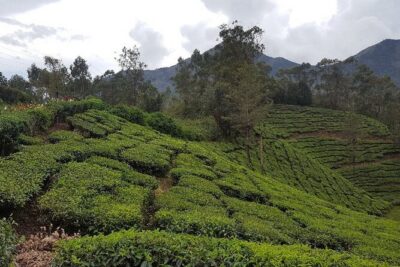
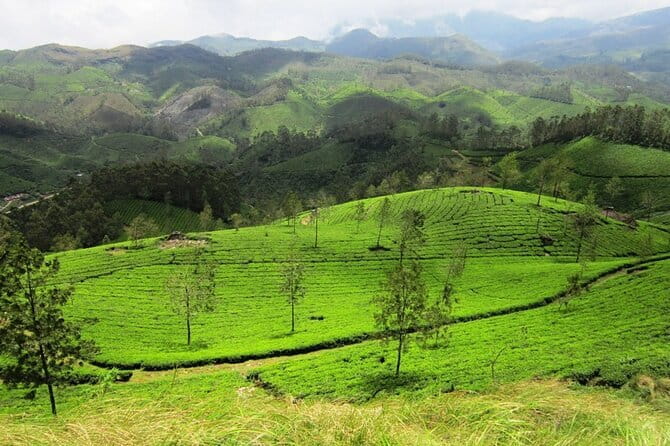
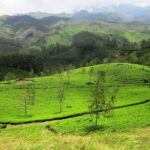
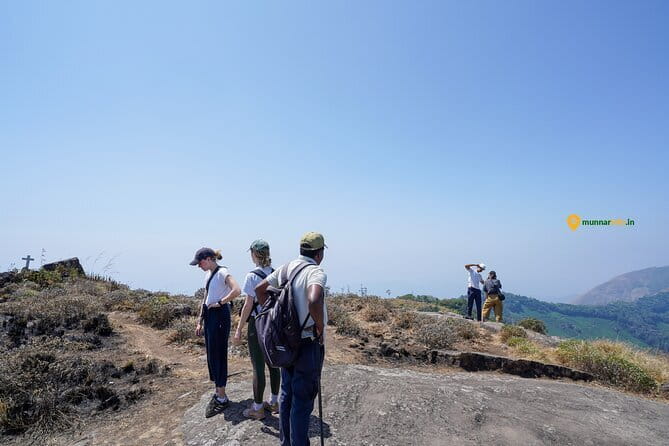
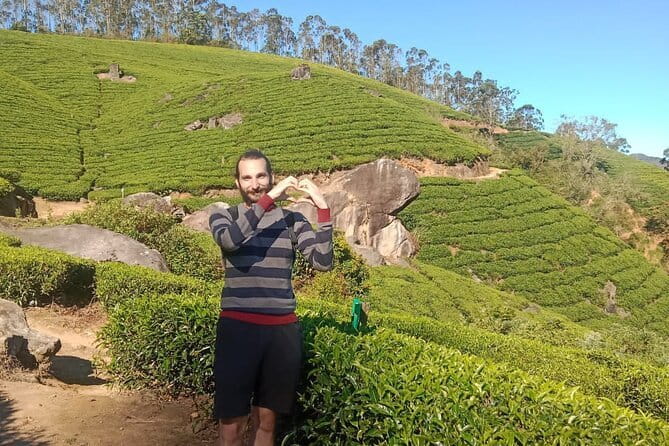
The payoff is that you get to see tea growing where it actually happens. You’re not just hearing about tea—you’re walking through it and paying attention to how the bushes sit on the slopes. One of the nice parts is that your local guide can turn the walk into something with context. In particular, I’d expect them to point out things beyond tea plants—like birds, nearby rivers, and other plants you might not notice on your own—so the hours don’t feel like filler.
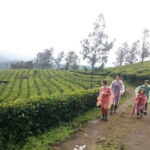
You also get time to look at the human side of tea. The tour description mentions spending time with tea pluckers and learning about local culture and lifestyle. That matters because tea in Munnar is not only a product. It’s a job, a routine, and a community rhythm. If you’re the type who likes understanding how people actually live in a place (even briefly), this part is where the tour earns its keep.
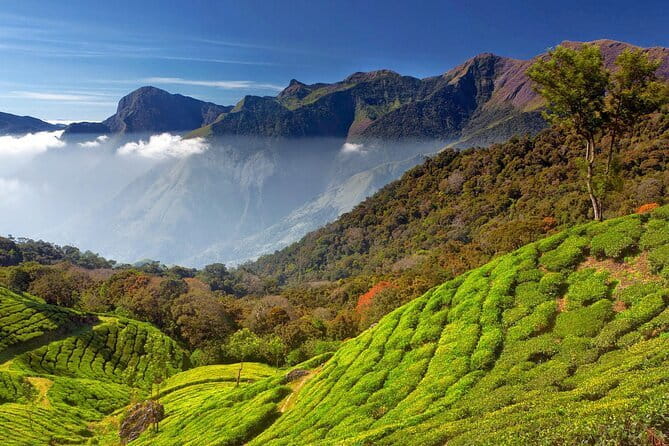
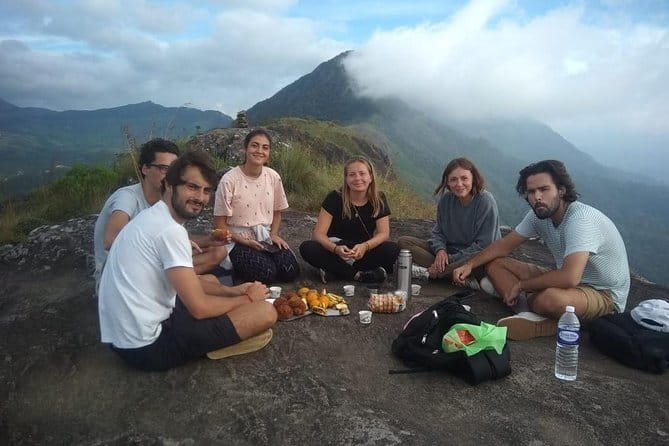
One more thing: the walk includes chances for great views, including Chokramudi Peak and the Idli hills area. You don’t need to be a mountaineer to enjoy the scenery, but it helps to keep your camera ready and your water bottle easy to reach.
Practical tip: wear shoes with grip and bring something for sun or light rain. Tea estates can be slippery, and the experience is described as requiring good weather, so don’t count on everything staying perfect.
You can also read our reviews of more tours and experiences in Munnar.

Lockhart Tea Factory: seeing 1936 Orthodox machinery in action
After the walking portion, you shift from green slopes to factory floor. The tea factory visit runs about 1 hour, which is long enough to understand the flow without dragging on.
This is the part I’d call the most concrete. The factory is known for Orthodox tea production made in the traditional way, using machinery that dates back to 1936. That old equipment vibe changes the feel immediately. Instead of a modern, polished display, you’re watching (and being explained) a process that still has a working-era sensibility.
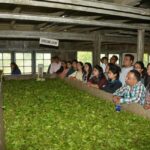
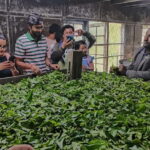
You also get a briefing on the tea making process, plus the factory’s history and health benefits of tea. Even if you’ve heard tea marketing before, the way this is framed matters. You’ll learn what happens between raw leaves and the cup, and that turns tasting later into something you can actually connect to the factory steps.
One detail that stands out from the tour description is that you’ll see an older man working inside the factory. It’s a small note, but it keeps things grounded. You’re not touring a stage set. You’re seeing how tea work is done in a real setting.
What to watch for: don’t assume factory time will be entirely hands-on. From the way it’s described, it’s mainly a guided visit with explanations. If you want more interaction, keep questions short and specific—like asking what step changes the leaf’s character or what Orthodox processing is meant to preserve.
Tea tasting and blending: a structured course, not just free sips
Then comes the part that feels like it’s made for beginners who want to learn, and also for curious people who want more structure than a simple tasting. The tour includes a tea tasting section that is paired with training in tea blending and tea tasting.
The tour description says the program was designed to cover the “intricate details” of tea, and that it’s built in 9 levels. It’s framed as gradually increasing the depth of your knowledge. In plain terms: you don’t just take one sip and guess. You get guided practice that likely moves from basics toward more sensitive comparisons and understanding.
This is where the value becomes clearer. A lot of tea tours stop at tasting as an end point. Here, tasting is treated like a skill. That means your time in the factory isn’t just history—it becomes context you can taste.
If you’re the type who likes to take something home mentally (instead of just a souvenir), this part is especially useful. Even if you can’t become a tea expert in three hours, you’ll leave with a better sense of how to notice differences and what “blending” tries to do.
Small reality check: a tasting and blending experience will always feel a bit like a classroom. If you hate any form of instruction, this may feel slower than the walking. If you’re okay with learning, it’s a smarter use of your time than a pure photo stop.
Price and logistics for a 3-hour tea trail stop in Munnar

For $14, this tour is trying to pack a lot into a short window: a plantation walk, a factory visit, and a structured tea tasting/blending session. That’s not a bad deal when you compare it to tours that only cover one or two pieces.
The duration is listed as about 3 hours, and the group size has a ceiling of 10 travelers. Smaller groups usually mean you don’t get completely lost in the back of the pack, especially during Q and A.
You also get a mobile ticket, and confirmation happens at the time of booking. The start point is near KSRTC bus stand area on Amman temple street, behind Sree Paravathi (and it ends back at the meeting point). That round-trip setup is convenient if you’re planning your day around other Munnar stops.
Two more logistics notes matter for deciding if this tour fits your schedule. First, it’s described as being dependent on good weather. Second, it requires a minimum number of travelers, so if the minimum isn’t met you may be offered another date or a refund.
If you’re tight on time, this is one of the better “half-day style” options because it covers both the farming side and the processing side.
How to judge whether the guide experience matches your expectations
Here’s the honest part: this tour lives or dies on the guide’s ability to communicate. The tour describes a well trained local guide, and one common positive thread is that a fantastic guide can make the whole experience feel smooth—like taking care of the group, adding context on the plantation, and pointing out things you’d never notice alone.
At the same time, there are indications that English quality during the plantation walk can vary. That doesn’t mean the tour is broken; it means you should show up ready to adapt. If you’re hoping for lots of detailed explanations during the walk, you’ll get the best outcome by asking direct questions and focusing on what you can see.
My practical advice before you go:
- If English matters to you, ask for clarity on language support when booking.
- Prepare two or three simple questions about tea farming and Orthodox processing.
- If you feel the explanation is light, lean into the sensory part: leaf shape, slope planting, and the view moments.


Who this Munnar tea tour is best for (and who should skip)
This tour is a good match if you want a real feel for Munnar’s tea world in a short time. It’s especially suited to:
- People who enjoy walking at a moderate pace through tea estates
- Travelers who like learning from locals, not just taking photos
- Tea curious folks who want structured tasting and blending practice
You might want to skip or choose another option if:
- You dislike guided instruction and prefer fully self-paced experiences
- You don’t feel comfortable with 2 to 3 hours of walking
- You strongly rely on fluent English narration to enjoy cultural context (since English during the plantation portion can vary)
Also, if you’re the kind of person who only wants the factory or only wants tasting, this tour is broader by design. The trade-off for breadth is a tighter schedule.
Should you book the Munnar Tea Trail Tour?
If you’re deciding between doing nothing but viewpoints and doing something that actually connects farming, processing, and tasting, I’d lean toward booking. The price is low for a package that includes a Lockhart tea plantation walk, a 1936 Orthodox factory visit, and a tasting/blending session structured in 9 levels.
The main thing to get right is expectation. This isn’t an all-day epic hike. It’s a compact education with a walking portion and a factory stop, followed by guided tea tasting. If you can handle a moderate walk and you’re open to learning with the guide’s communication style, you’ll likely leave with a clearer idea of how Munnar tea goes from leaf to cup.
FAQ
How long is the Munnar Tea Trail tour?
The tour is listed as about 3 hours.
What does the tour include?
It includes a tea plantation walk (up to 2 to 3 hours), a tea factory visit (about 1 hour), and a tea tasting section with tea blending/tasting training.
Where does the tour start and end?
It starts at Rijo Villa (Nature Glade Cottage) near the KSRTC bus stand area in Munnar and ends back at the same meeting point.
How many travelers are in the group?
The tour has a maximum of 10 travelers.
What is the tea factory visit like?
You’ll get a briefing on the tea making process, its history, and health benefits of tea, and you’ll see Orthodox tea production with traditional machinery built in 1936.
Is tea tasting part of the experience?
Yes. The tasting program includes tea blending and tea tasting training.
How is the tea training structured?
The program is described as having 9 levels designed to gradually increase the depth of your tea knowledge.
Do I need good weather?
Yes. The experience requires good weather, and if it’s canceled due to poor weather you’ll be offered a different date or a full refund.
Is cancellation free?
Cancellation is free up to 24 hours in advance for a full refund. If you cancel less than 24 hours before the start time, you won’t get a refund.
Is there a mobile ticket?
Yes, the tour uses a mobile ticket.