REVIEW · KYOTO
Kyoto: Private Tea Ceremony at local home with tea master
Book on GetYourGuide →Operated by Kangetsu Kyoto · Bookable on GetYourGuide
A tea ceremony in a real Kyoto home. You’ll get a certified tea master guiding a respectful, quiet routine just a short walk from Nijo Castle and Kyoto Imperial Palace.
What I love most is the way the host turns ritual into real understanding, explaining the why behind each careful move. **
I especially like the taste payoff: Uji matcha plus two kinds of seasonal Japanese sweets prepared to match the moment. It’s not just pretty—each bite is meant to balance the tea. **
One thing to consider: the experience can feel a little rushed at the end if the next group starts arriving on schedule.
In This Review
- Key highlights worth showing up for
- Kyoto’s Private Tea Ceremony, Done Like a Local Home Experience
- Getting There: Finding Sakura 日本文化体験 Without Stress
- The Tea Room Atmosphere: Respect Rules You’ll Notice Immediately
- How the Ceremony Actually Unfolds in One Hour
- Uji Matcha and Seasonal Sweets: What You Taste and Why It Works
- Matcha Tools and Etiquette: The Stuff You Can Reuse at Home
- Private Format: Why It Feels Personal Instead of Performative
- Price and Value: What $101 Buys You in Real Terms
- Clothes, Socks, and Rules: Your Quick Checklist
- Who Should Book This Kyoto Tea Ceremony (and Who Might Skip It)
- Should You Book This Private Tea Ceremony?
- FAQ
- Where is the meeting point for the Kyoto tea ceremony?
- How long is the tea ceremony experience?
- Is this a private group?
- What language will the tea master use?
- What should I wear and bring?
- Are there options for dietary needs or allergies?
- Is video recording allowed during the ceremony?
Key highlights worth showing up for
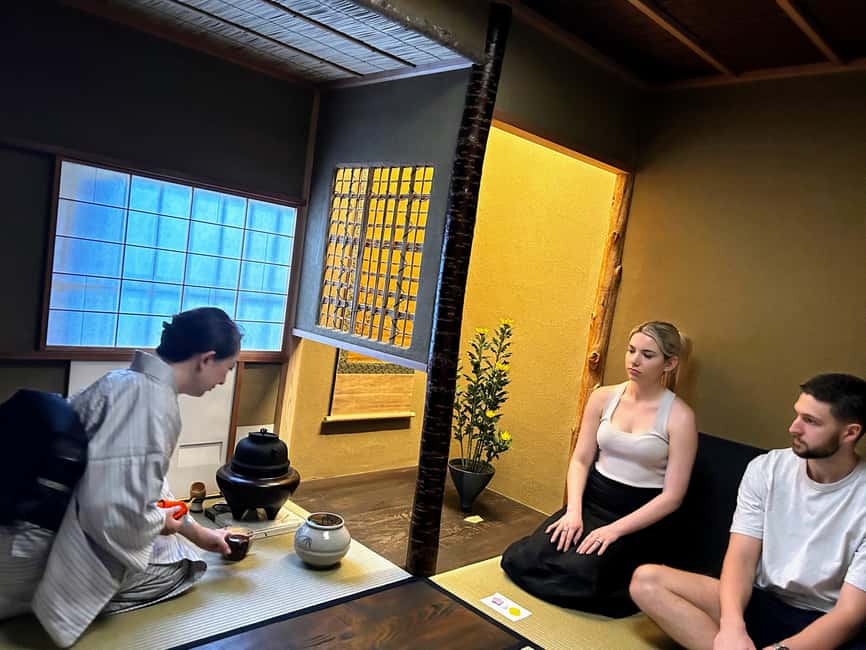
- A home tea room near major landmarks: Convenient central location means less commute and more time in Kyoto’s slower rhythm.
- Certified instruction that explains the meaning: You learn the philosophy behind gestures, not only the sequence.
- Uji matcha with a hands-on element: Expect to prepare matcha yourself, not just watch.
- Two types of seasonal sweets, ordered as part of the flow: It helps you taste the season through flavor and texture.
- Utensils and etiquette training you can actually repeat later: You’ll learn what each tool is for and how to handle the bowl properly.
- Designed for more travelers than the usual class: They accommodate LGBTQ, Halal, Vegan, and many allergies.
Kyoto’s Private Tea Ceremony, Done Like a Local Home Experience
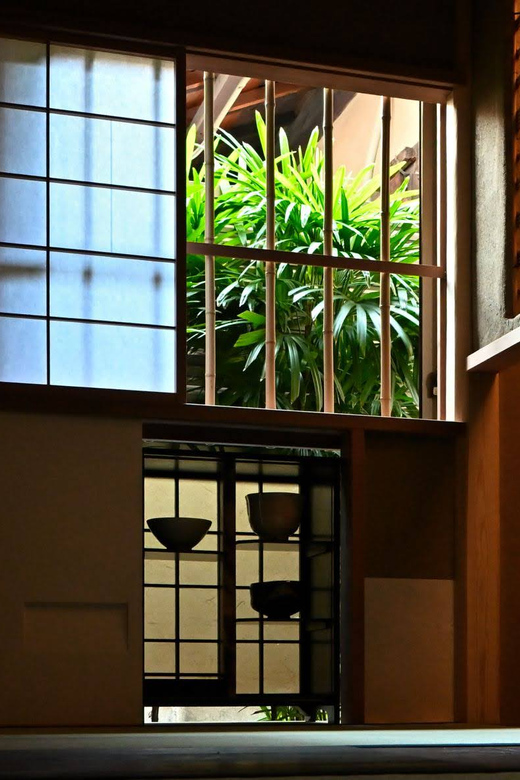
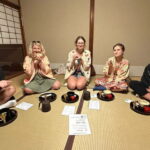
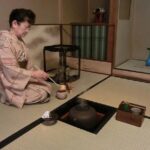
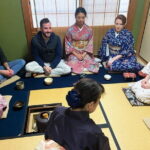
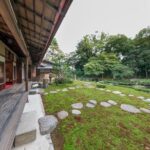
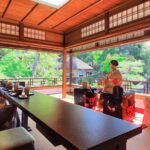
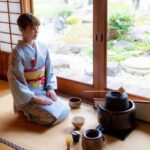
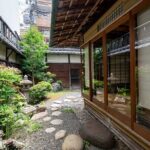
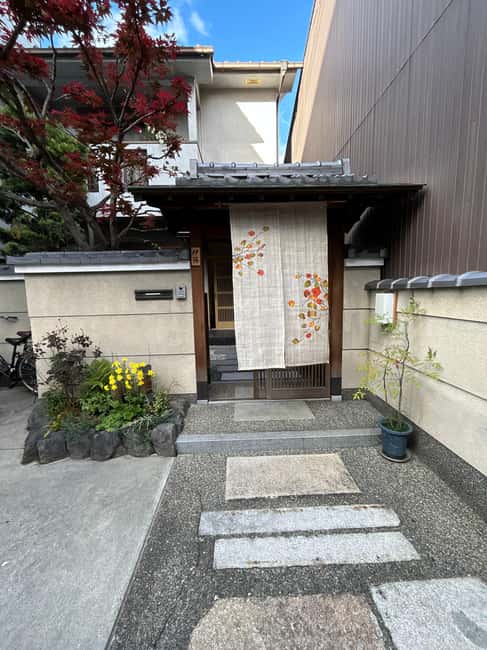
If Kyoto feels like a museum to you, this class is the antidote. It takes place in a real home tea room setting, where the atmosphere is intentionally calm and every gesture has a reason. The goal is to slow you down just enough to notice what tea culture values: respect, attention, and tranquility.
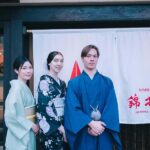
You’re not standing in a line of bodies trying to photograph a moment. Instead, you’re in a private group setting, guided by a tea master who’s connected to Kyoto life and tea tradition. That matters because tea ceremony isn’t only about taste—it’s about discipline and manners that you feel in the room.
The experience runs for about 1 hour, which is a sweet spot. Long enough to learn the fundamentals and make matcha yourself, not so long that you lose focus while sitting seiza-style.
You can also read our reviews of more tours and experiences in Kyoto.
Getting There: Finding Sakura 日本文化体験 Without Stress
You’ll meet at さくら 日本文化体験. The good news is the directions are simple: it’s around 3 minutes from Nijo Castle and about 3 minutes from the Kyoto bus stop Nijojomae by walk. If you’re coming via subway, the Nijojomae station is also listed as a short walk.
If you’re starting from the main JR Kyoto Station area, plan for about a 10-minute taxi ride. This is helpful if your day already has you hopping between neighborhoods.
What I’d plan for: show up a few minutes early, not because you’ll rush, but because the tea ceremony rules are strict. You’ll want time to get settled before you’re asked to remove shoes indoors and adjust what you’re wearing.
The Tea Room Atmosphere: Respect Rules You’ll Notice Immediately
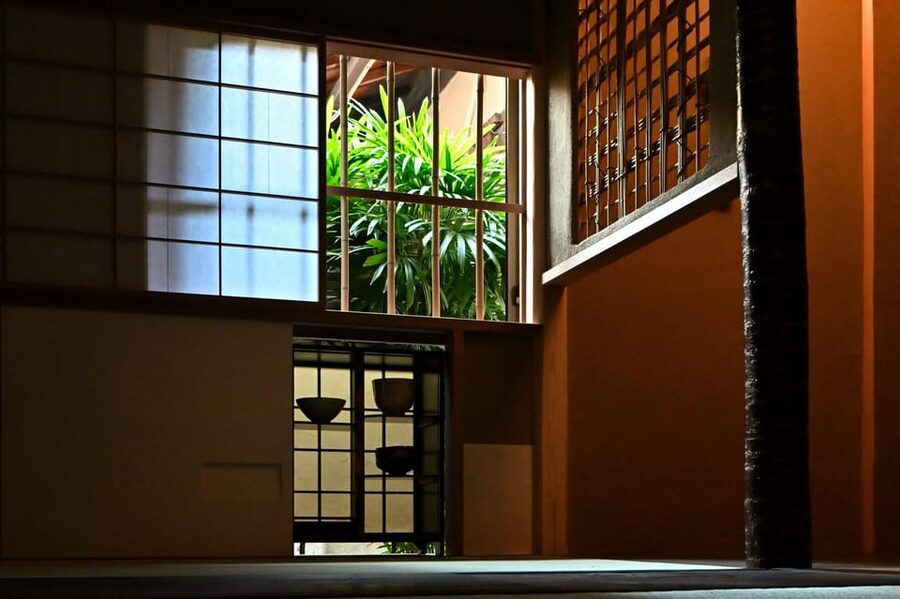
The biggest difference between a tea ceremony show and a tea ceremony class is the mindset you’re asked to adopt. In this one, you’re stepping into a setting where details matter—how you enter, what you wear, and even what you smell like.
You’re instructed to come without perfume and to wear long trousers or a long skirt. Shorts and short skirts are not allowed because they hurt the tea room setup. You’ll also need socks; you can bring your own, and socks are available for purchase if you forget.
You should also plan for the stricter side of Japanese indoor etiquette:
- No shoes indoors
- No jewelry
- No strong fragrances
- No hats
- No smoking or vaping
- No video recording or audio recording
That may sound like a lot of rules, but they’re there to keep the room quiet and considerate. Once you’re in, it’s easier to follow the flow without distractions. And if you’re coming from a busy sightseeing day, the first 10 minutes can feel like switching gears.
How the Ceremony Actually Unfolds in One Hour
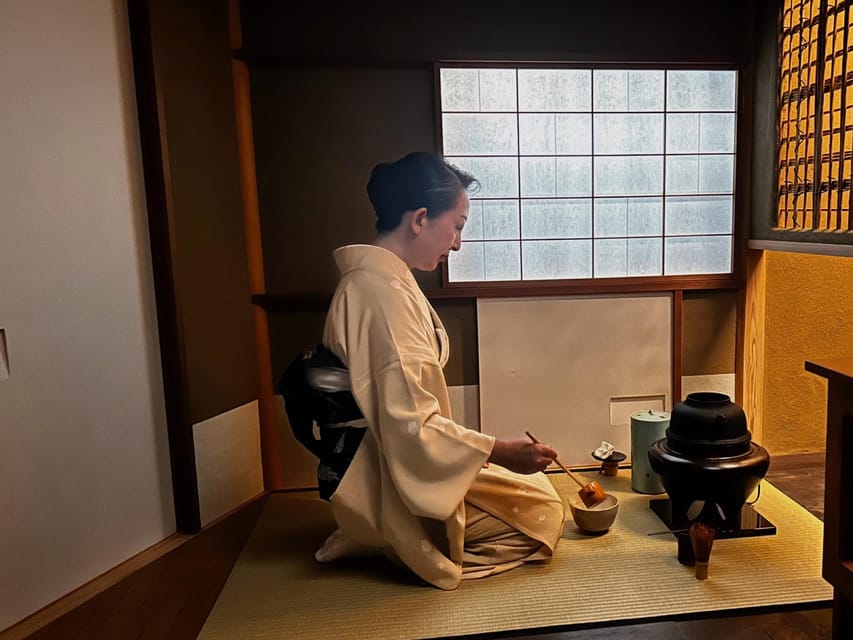
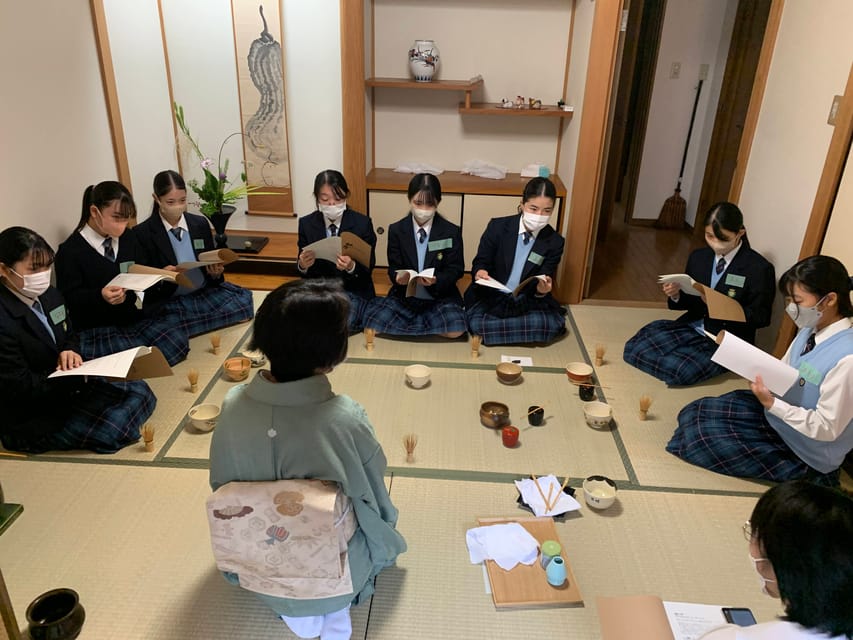
The ceremony starts with a short introduction and explanation. You’ll get context on Japanese tea culture, plus the practical pieces that let you understand what you’re about to do. A tea master—often referred to by name as Aya-san in feedback—guides you through the reasoning behind the steps.
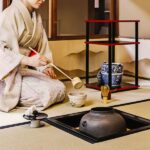
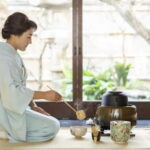
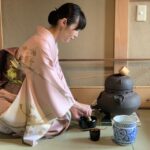
From there, the rhythm is structured and gentle. You’ll see the host demonstrate the ceremony movements, including small acts like preparing the tea space and handling items carefully. Then you’ll be invited to participate.
Here’s what you can expect to learn and practice during the hour:
- History and cultural background of tea ceremony, focusing on how it’s passed down
- Tea utensil roles, including the tea bowl (chawan), tea whisk (chasen), and tea scoop (chashaku)
- Etiquette for handling the bowl and enjoying tea in the right mindset
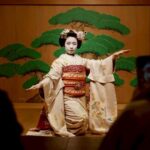
- A demonstration of the graceful movements and seasonal hospitality
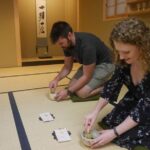
- Hands-on matcha preparation, which is where it becomes real
- Q&A and reflection, so you can ask what you’re still wondering about
- Japanese culture explanations designed for beginners, with complex terms simplified
The value here is that you’re not just tasting. You’re learning how the ceremony thinks: attention before action, and meaning before speed.
Uji Matcha and Seasonal Sweets: What You Taste and Why It Works
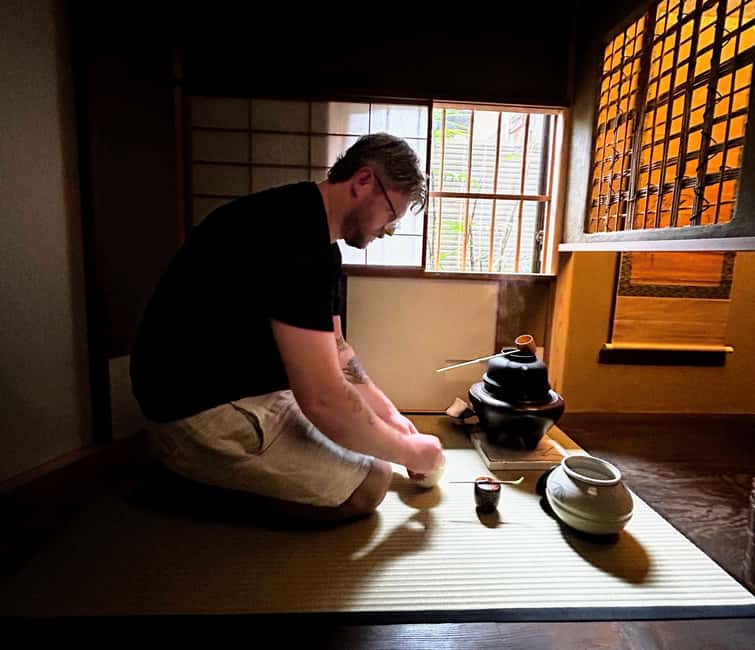
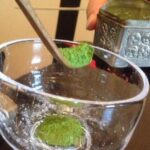
The main drink is matcha, served as two cups of matcha during the session. The highlight here is the stated quality: matcha sourced from Uji, Kyoto. Uji is famous for tea, and having it in this context matters because tea ceremony is about flavor refinement, not just caffeine.
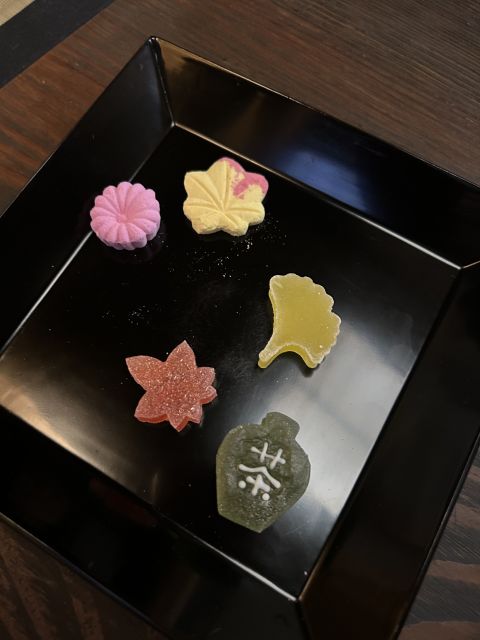
During the tasting, you’ll also enjoy two types of traditional Japanese sweets that are seasonal and made to order as part of the ceremony. These sweets aren’t an afterthought. They’re planned to complement the matcha and reflect the season.
This is one of the most satisfying parts of the experience. The ceremony asks you to slow down, and the food setup gives you something concrete to focus on. If you’re the type who wants a reason for every ritual, this portion delivers: the sweetness and texture are meant to balance the tea.
If you have dietary needs, this is an area where the experience is set up to help. They say they accommodate Vegan, Halal, LGBTQ, and various allergies. If you have a serious allergy, message them with details so they can guide you appropriately before you arrive.
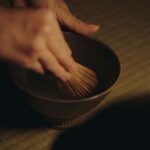
Matcha Tools and Etiquette: The Stuff You Can Reuse at Home
Tea ceremony has a reputation for being hard to learn. In practice, this session breaks it into digestible parts, and that’s why it works for first-timers.
You’ll get instruction on how to handle key tools like:
- The chawan (tea bowl): how to treat it with care and respect
- The chasen (bamboo whisk): the role it plays in making matcha texture
- The chashaku (tea scoop): how it’s used in measuring and serving
You’ll also learn etiquette for enjoying tea—how to hold the bowl, how to receive it, and the mindset behind those small actions.
Then comes the practical payoff: you prepare matcha yourself. This is where you understand why the whisking motion matters and why the room expects you to be present. It’s not only about performing steps; it’s about feeling the difference between rushing and doing it properly.
From what’s shared in feedback, the host explanations are detailed and the atmosphere is genuinely calm. That combination helps you connect the cultural meaning to the physical actions.
Private Format: Why It Feels Personal Instead of Performative
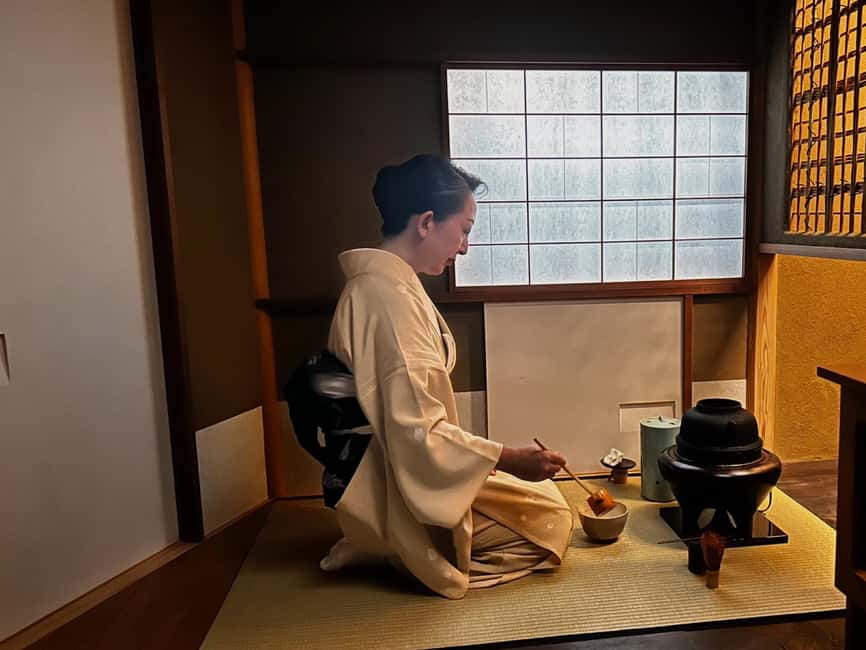
This is a private group experience, which changes the whole vibe. You’re not stuck behind other people’s heads or waiting your turn for a quick photo moment.
You can ask questions. You can slow down. And the tea master can adjust pacing to your comfort level. For beginners, that’s a big deal because tea ceremony has a learning curve: utensils, posture expectations, and etiquette all arrive at once.
That said, private doesn’t mean unlimited time. The class is still about an hour, and the flow is organized. One consideration from feedback: the end can feel a little rushed if the next group starts arriving. If you want extra time for questions, asking your main questions earlier in the session can help.
Price and Value: What $101 Buys You in Real Terms
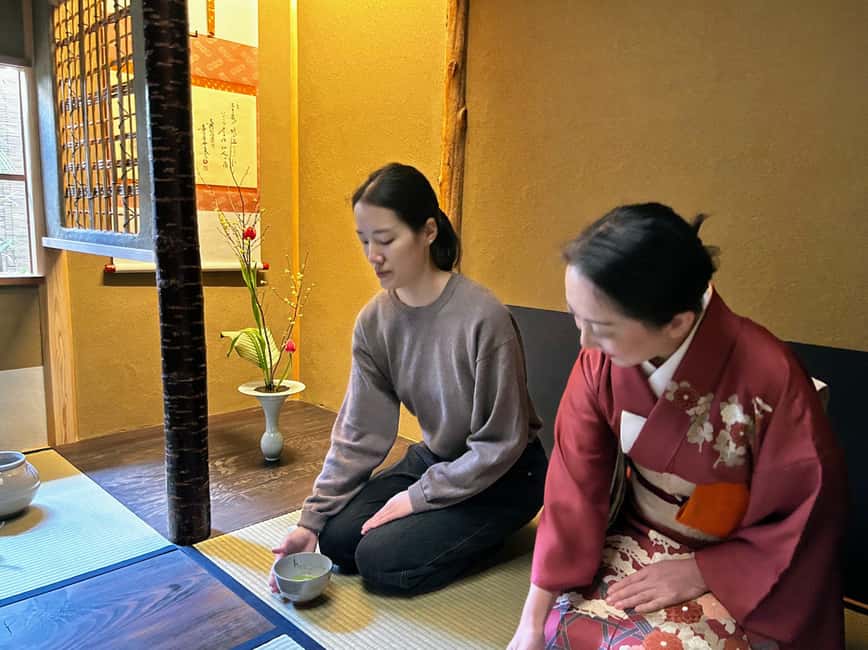
At $101 per person for a 1-hour private ceremony, you’re paying for three things that cheaper tea stops usually don’t include:
- A certified tea master’s time and explanation (not just a tea tasting)
- Hands-on matcha prep, plus structured etiquette and utensil education
- Included matcha and sweets, including Uji matcha and two seasonal sweets
When you put it that way, the price starts to make sense. You’re not just buying tea. You’re buying learning, participation, and a guided cultural experience in a central Kyoto location near major sights.
If your goal is a calm, meaningful activity—especially after temple or market crowds—this is good value. If your goal is only to taste matcha quickly, you might find simpler options. But this one is designed as a teachable ritual, not a quick stop.
Clothes, Socks, and Rules: Your Quick Checklist
This class has clear expectations. I like that it reduces uncertainty because you know what to bring ahead of time.
Bring:
- Comfortable clothes
- Long pants (or long skirt)
- Socks (and if needed, socks can be provided for purchase)
Avoid:
- Shorts, short skirts
- Hats
- Jewelry
- Sleeveless shirts
- Perfume or strong fragrances
- Bare feet (you need socks)
In-room rules also matter:
- No shoes indoors
- No video recording or audio recording
- No smoking or vaping
If you’re traveling from humid summer Kyoto days, plan outfit choices so you don’t overheat. Choose breathable long layers, and save your jewelry for later—small things like rings and necklaces can become problems quickly.
Who Should Book This Kyoto Tea Ceremony (and Who Might Skip It)
This ceremony is a strong fit if you:
- Want an authentic-feeling Kyoto cultural experience that’s not rushed in a loud tourist setting
- Prefer learning through doing (hands-on matcha prep)
- Enjoy etiquette and history when it’s explained in a beginner-friendly way
- Need a class that can work with dietary needs and different identities (they state accommodation for LGBTQ, Halal, Vegan, and various allergies)
It may be less ideal if you:
- Need long sessions. The class is short by design.
- Get stressed by rules. This one has a lot of do’s and don’ts, but they protect the room’s quiet atmosphere.
It’s also not suitable for children under 13, so plan an adult-focused day.
Should You Book This Private Tea Ceremony?
I’d book it if you want one hour in Kyoto that feels respectful and intentional, with real instruction rather than a performance. The combination of certified guidance, Uji matcha, and seasonal sweets made to order gives you both cultural context and a satisfying sensory experience.
If you’re sensitive to timing, consider arriving a touch early and asking your most important questions during the earlier parts of the ceremony. And if you have allergies or dietary needs, confirm details before you go so the sweets and matcha fit your situation.
If Kyoto is on your list and you’re tired of fast, crowded activities, this is the kind of pause that makes a trip feel more personal.
FAQ
Where is the meeting point for the Kyoto tea ceremony?
The meeting point is さくら 日本文化体験. It’s listed as about 3 minutes from Nijo Castle and around 3 minutes from the Kyoto bus stop Nijojomae on foot, and about 3 minutes from Nijojomae station on foot. It’s also listed as about 15 minutes from Shijo Station (Hankyu line) on foot.
How long is the tea ceremony experience?
The experience is 1 hour.
Is this a private group?
Yes, it’s listed as a private group experience.
What language will the tea master use?
The instructor provides instruction in English and Japanese.
What should I wear and bring?
You should wear comfortable clothes and long pants or a long skirt, plus socks. Shorts and short skirts are not allowed. Socks are available for purchase if you don’t have them.
Are there options for dietary needs or allergies?
The experience states it can accommodate LGBTQ, Halal, Vegan, and various allergies.
Is video recording allowed during the ceremony?
No. Video recording and audio recording are not allowed during the experience.