REVIEW · KYOTO
Traditional Tea Ceremony in Kyoto
Book on Viator →Operated by byFood · Bookable on Viator
Matcha etiquette, done like diplomacy. This traditional ryurei tea ceremony in Kyoto is built around formal hospitality, taught in a way that makes you feel part of an old ritual. You’ll meet tea master Randy Channell Soei and follow the steps of a formal ceremony that traces back to the 1870s.
I really liked how educational it felt without turning dry. Randy breaks down the why behind the actions, and I also loved that you don’t just watch—you make your own bowl of matcha and snack on Kyoto sweets while you learn.
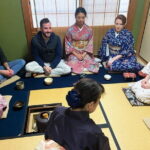
One thing to keep in mind: you’re not seated on tatami mats or low tables, so the setup won’t match the most iconic image of kneeling on the floor. If you’re picturing a full-on low-table ceremony, plan for more standard seating in a smaller space.
In This Review
- Key highlights I’d bookmark
- Kyoto Ryurei Tea Ceremony: What You’re Actually Doing for 90 Minutes
- Meeting Randy Channell Soei in Kyoto’s Tea World
- The Ryurei Ceremony: How the Steps Usually Feel in Real Life
- Kyoto Matcha + Sweets: The Part You’ll Remember After the Ceremony Ends
- Etiquette You Can Use: What “Respectful Actions” Really Means
- Seating and Room Setup: The One Detail That Can Surprise You
- Price and Value: Is $56.34 for Kyoto Tea Worth It?
- Practicalities That Help You Enjoy It More
- Who This Kyoto Tea Ceremony Fits Best
- Should You Book the Traditional Tea Ceremony in Kyoto?
- FAQ
- How long is the Kyoto Traditional Tea Ceremony?
- What is included in the experience?
- Do I get to make matcha myself?
- Is kimono provided?
- Where do I meet for the tea ceremony?
- Will I sit on tatami mats or low tables?
- How big is the group?
- Is transportation included?
- What’s the cancellation policy?
Key highlights I’d bookmark
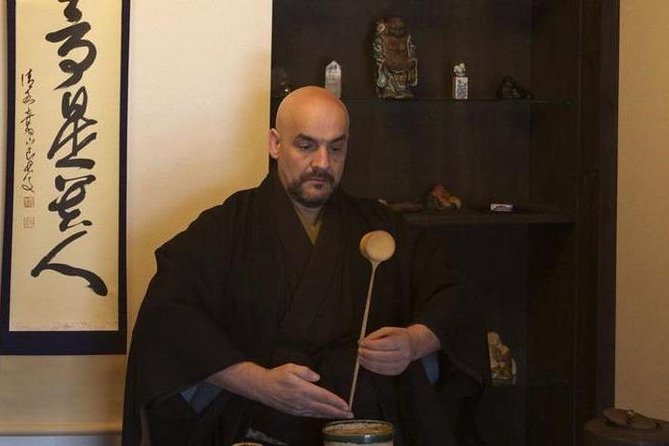
- Randy Channell Soei guides you through a formal ryurei-style tea ceremony linked to the 1870s
- You’ll learn the details of chanoyu etiquette, not just tea facts
- Kyoto-grown matcha is part of the experience, and you’ll make your own bowl
- Kyoto sweets from famous makers show up alongside the tea
- Group size is capped at 25, which helps the teaching feel personal
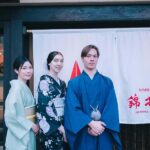
- You get a group photo at the end
Kyoto Ryurei Tea Ceremony: What You’re Actually Doing for 90 Minutes
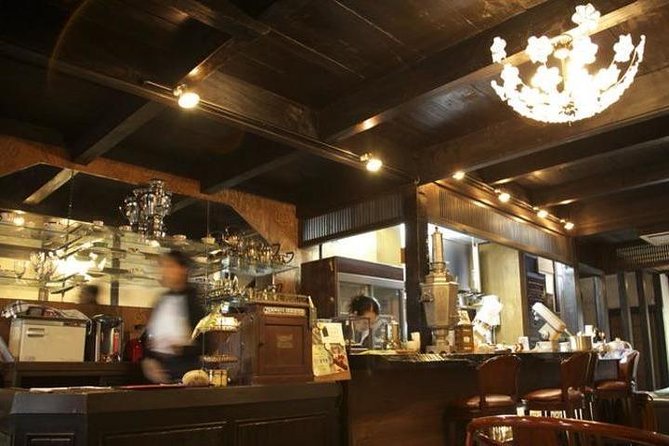
A Kyoto tea ceremony is often sold as a calm, aesthetic activity. This one adds something more practical: you’re learning the structure behind the politeness.
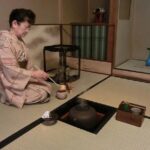
Ryurei is the key word. It’s a formal style of chanoyu—tea ceremony—used historically as a way to show hospitality to visiting foreign dignitaries. That “diplomat” feeling isn’t just a story line. It shows up in how the ceremony is paced, how attention is given to details, and how you’re guided to act with intention instead of doing random hand movements.
Plan for about 1 hour 30 minutes. That’s long enough to cover the essentials and let you participate, but not so long that it becomes a blur. You’ll leave with a clearer sense of what’s happening at each stage, rather than just having sampled matcha and nodded politely.
You can also read our reviews of more tours and experiences in Kyoto.
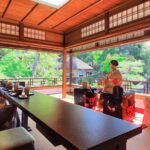
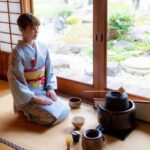
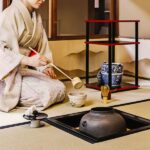
Meeting Randy Channell Soei in Kyoto’s Tea World
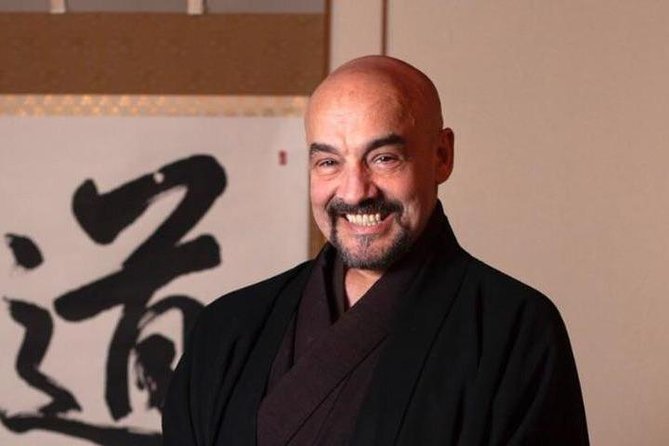
Your host is Randy Channell Soei. The experience is framed around his position as the highest-ranked master of tea ceremony from outside Japan, and you’ll feel the difference in how smoothly the session flows.
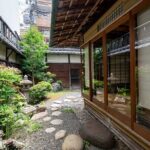
This is hosted at a townhouse location in Kyoto (at Ran Hotei, 64 Kamikawarachō, Nakagyo Ward). A townhouse setting matters. It tends to feel less like a show and more like you stepped into someone’s world of tea preparation and hospitality. Even if the room isn’t huge, the focus stays on the ritual itself.
I also like that the experience targets “proper authentic” format rather than a simplified performance. You’re not just told tea is important—you’re guided through the logic of the ceremony and the etiquette that comes with it.
The Ryurei Ceremony: How the Steps Usually Feel in Real Life
You won’t be guessing what’s happening. The structure is the point here, and that’s where the experience delivers real value: you get a guided tour through the formal steps of a tea ceremony.
Here’s what you can expect in how the session unfolds, based on how it’s described and what’s included:
First, you’ll be oriented to the flow of a formal tea ceremony. That means you learn what you’re about to do before you do it. You’ll also discover the details that many casual matcha experiences skip—how the host prepares, how the guests respond, and how etiquette is used to communicate respect.
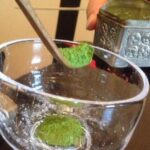
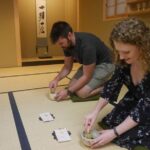
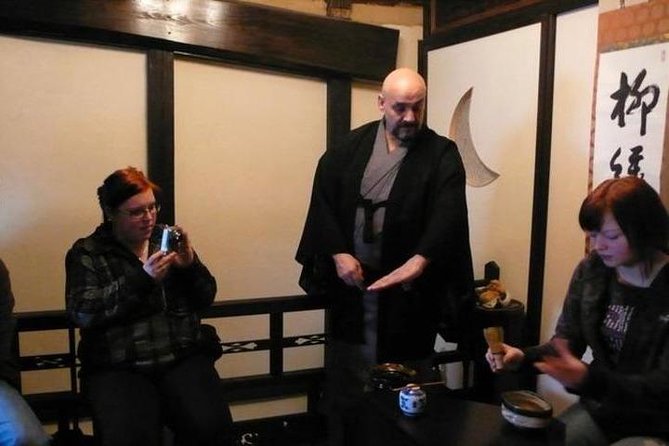
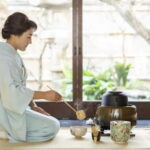
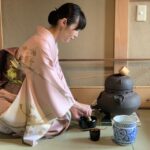
Then you’ll move into hands-on participation. One of the best parts is that you can’t just stand by. Included in the experience is the chance to make your own bowl of matcha. That changes everything. When you physically whisk the tea, you understand why tools, timing, and movement matter.
Finally, you’ll sample the tea and sweets as part of the ceremony experience. This is where learning turns into something you can taste—and it helps the etiquette stick because you remember what you were doing when you learned the rules.
Kyoto Matcha + Sweets: The Part You’ll Remember After the Ceremony Ends
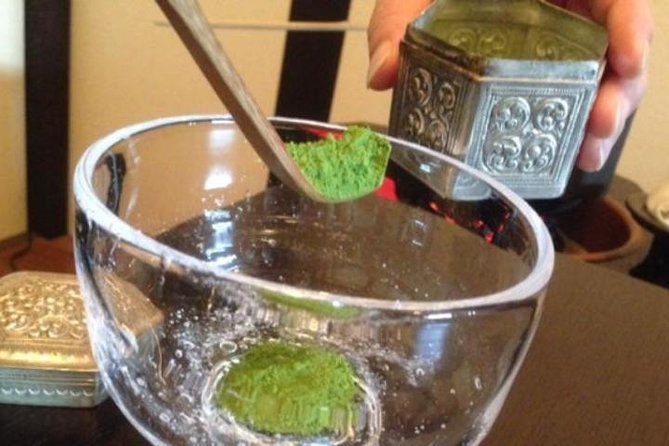
Let’s talk about matcha. Not generic matcha, and not a token taste. You receive Randy Sensei’s original Kyoto grown matcha.
That’s important for value. A lot of “tea experiences” spend most of their budget on the setting and narration. Here, the matcha itself is part of the included package, and you actually use it, not just sip it from a cup.
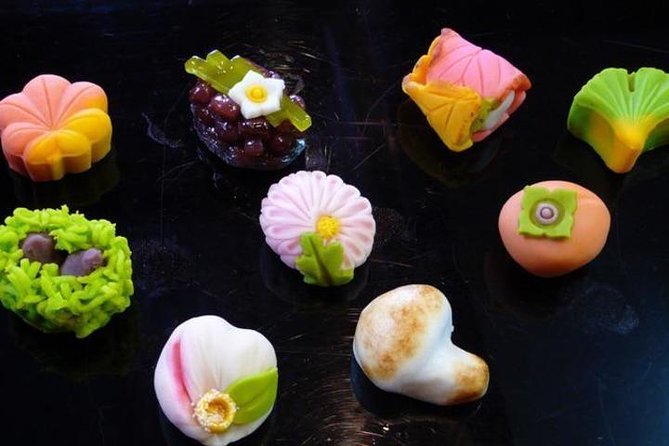
On top of that, you’ll get traditional sweets from Kyoto’s famous sweet makers. Pairing sweets with matcha is a standard idea in tea culture: the sweets prepare your palate, and the tea follows with its own character. Even if you’re not a matcha expert, the pairing helps you notice differences in texture and flavor.
And yes, you’ll also be able to sample. That matters because it lets you compare what you made to what you taste right after. If your whisking is too forceful or too weak, you’ll notice it. If it’s good, you’ll feel it immediately.
Etiquette You Can Use: What “Respectful Actions” Really Means
Tea ceremony etiquette can sound like rules without a reason. This experience does a better job of explaining the logic behind the actions.
You’ll study etiquette connected to chanoyu, and the ryurei framing helps make it feel grounded. Instead of learning etiquette as random gestures, you learn it as a form of hospitality—what you do to show respect for the host and consideration for the guests.
A few practical ways to think about what you’ll learn:
- Your pace matters. In a formal ceremony, actions are slow because attention is part of the message.
- Movement is communication. How you handle items and where you place attention changes the tone of the ritual.
- Being a participant, not a spectator. Since you make your own bowl, you’re practicing etiquette in action, not just listening.
From the experience feedback, one thing keeps coming up: Randy is especially informative. People leave feeling they understand more than they expected, and they aren’t just repeating “do this, then that.” They know why it’s done that way.
Seating and Room Setup: The One Detail That Can Surprise You
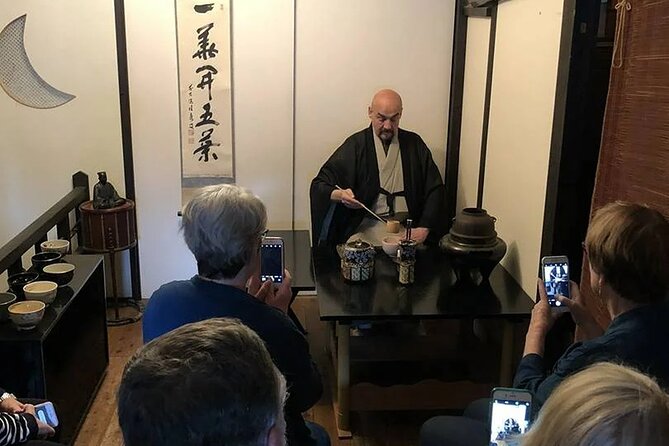
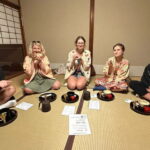
Here’s the honest part. You’re not seated on tatami mats or low tables. The experience also notes that most people can participate, but the seating style is more practical than classic film-and-postcard Kyoto tea rooms.
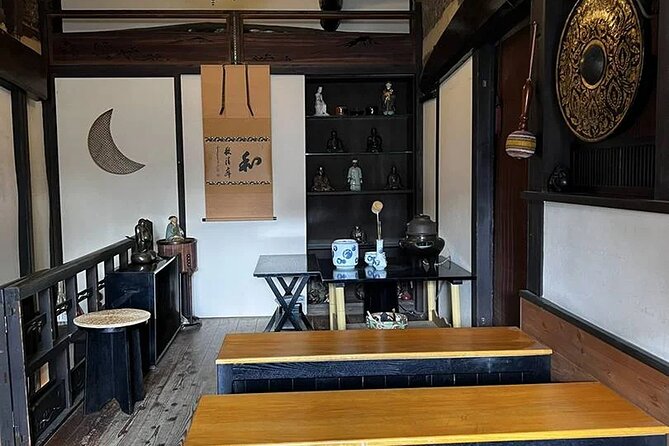
One review mentioned the ceremony space felt small, and seating was on benches rather than low tatami-style arrangements. Even if you don’t remember the exact layout, you should plan for a more standard sitting setup than the iconic kneeling version.
This isn’t a deal-breaker. It’s a comfort issue. If you have trouble with low seating or floor posture, this might actually be better. But if you came hoping for that fully traditional visual setup, adjust your expectations.
Price and Value: Is $56.34 for Kyoto Tea Worth It?
At $56.34 per person, you’re paying for a guided, structured ritual with a named tea master and hands-on participation. It’s not just a snack stop.
Let’s break down what’s included:
- Tea ceremony with a tea master
- Randy Sensei’s original Kyoto grown matcha
- Traditional sweets from Kyoto’s famous sweet makers
- Make your own bowl of matcha
- Group photo
That package explains the price better than “it’s in Kyoto” does. You’re getting quality ingredients (matcha and sweets) plus real teaching time. You also get the tangible memory item—a group photo—so the experience doesn’t vanish the moment you walk out the door.
What’s not included: transportation and kimono. That’s standard. If you want the kimono look, you’d need to arrange that separately, and it may add hassle more than style for most people.
In short: if you care about learning etiquette and participating (not just taking photos), this price feels fair.
Practicalities That Help You Enjoy It More
A few details make the day smoother:
Where you meet: Ran Hotei, 64 Kamikawarachō, Nakagyo Ward, Kyoto. The activity starts and ends there. It’s near public transportation, so you shouldn’t need a taxi if you plan a short walk.
Your ticket: There’s a mobile ticket involved. That’s handy if you travel light.
Group size: Maximum 25 people. That’s small enough for attention, and large enough that you’re not stuck with awkward one-on-one nerves. It also helps you feel like part of a shared experience rather than a private lesson that’s rushed.
What to wear: Since kimono isn’t included, wear comfortable clothes. You’ll want to move your hands and sit comfortably for the ceremony and matcha whisking.
Seating expectations: Again, no tatami or low-table seating. If you’re sensitive to seating height or comfort, this is a key planning point.
Finally, a timing note: on average, this gets booked about 61 days in advance. If you want a specific day, don’t wait too long.
Who This Kyoto Tea Ceremony Fits Best
This experience is a strong match for:
- People who want culture with structure, not just a taste
- Anyone curious about chanoyu etiquette and how it’s practiced
- First-timers who don’t know what to ask, because the teaching is built into the flow
- Food-and-drink people, since matcha and Kyoto sweets are included and you participate in making the tea
It may be less ideal if:
- You only want a quick snack and a photo
- You’re hoping for a fully floor-based, tatami-style ceremony setup
- You want kimono included (you’ll need to plan that separately)
Should You Book the Traditional Tea Ceremony in Kyoto?
I’d book it if you want the real “how” behind the ceremony. The fact that you make your own bowl of matcha, sample Kyoto sweets, and learn formal ryurei etiquette is what turns this into more than a performance.
If the classic tatami look is your main goal, you might feel a little let down by the seating setup. But if you’re more interested in learning, taste, and participating with a true master, the format makes a lot of sense—and it’s easy to justify once you see what’s included.
If you can, reserve ahead. And on the day, arrive with the mindset of a student. You’ll get more out of it fast.
FAQ
How long is the Kyoto Traditional Tea Ceremony?
It lasts about 1 hour 30 minutes.
What is included in the experience?
You get the tea ceremony with a tea master, Randy Sensei’s Kyoto grown matcha, traditional Kyoto sweets, a chance to make your own bowl of matcha, and a group photo.
Do I get to make matcha myself?
Yes. Making your own bowl of matcha is included.
Is kimono provided?
No, kimono is not included.
Where do I meet for the tea ceremony?
You meet at Ran Hotei, 64 Kamikawarachō, Nakagyo Ward, Kyoto 604-8374, Japan.
Will I sit on tatami mats or low tables?
No. You are not seated on tatami mats or low tables.
How big is the group?
The activity has a maximum of 25 travelers.
Is transportation included?
No. Transportation is not included.
What’s the cancellation policy?
You can cancel up to 24 hours in advance for a full refund. If you cancel less than 24 hours before the start time, the amount paid is not refunded.