REVIEW · SAPPORO
Japanese Tea Making Class in Sapporo
Book on Viator →Operated by 日本茶と和菓子 エフ · Bookable on Viator
Tea tastes different when you control the water. This Japanese Tea Making Class in Sapporo turns one simple ritual into a clear taste lesson, using different hot-water temperatures, brewing times, and even serving cold tea in a wine glass to show how aroma and flavor shift.
I like that you don’t just watch. You taste step by step and learn what to aim for with each cup, plus you pair tea with seasonal wagashi. The biggest drawback is also the point: the final cup leans into bitterness and astringency, so if you only like sweet drinks, the third round may feel like a big swing.
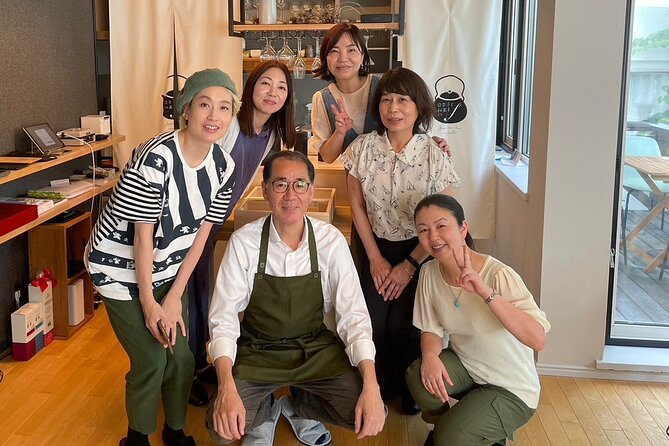
The class starts at 日本茶と和和菓子 エフ near the Maruyama Park area (10:00 am) and runs about 1 hour 30 minutes. It’s private, so it’s geared to your group, not a cattle-style lineup, and you’ll finish back where you began. Free cancellation is available up to 24 hours in advance.
In This Review
- Key takeaways before you go
- Why Japanese tea tastes like a lesson
- Meeting point and timing: Maruyama Park area at 10:00 am
- Cup 1: Lukewarm water for the original flavor in a ceramic teacup
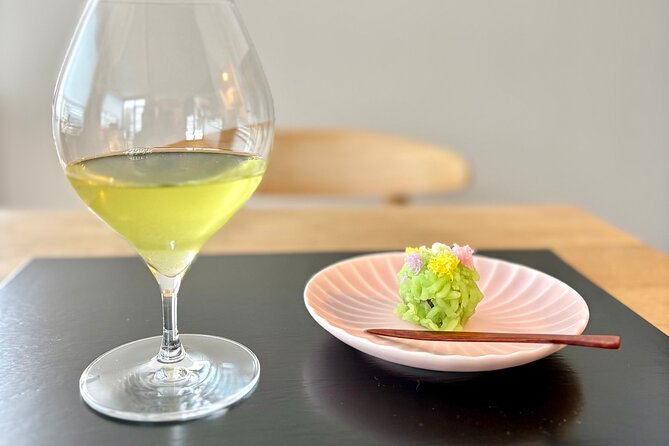
- Cup 2: Cold tea in a wine glass for aroma and sweetness
- Cup 3: Hot water for bitterness and astringency plus wagashi
- What you learn beyond the three cups
- Price and value for a private 1 hour 30 minutes class
- Who this tea class is best for
- Should you book this Japanese tea making class in Sapporo?
- FAQ
- Where is the Japanese Tea Making Class meeting point?
- What time does the class start?
- How long is the experience?
- How much does it cost?
- Is the tour private?
- What’s included in the price?
- What is not included?
- Do I get a mobile ticket?
- What is the cancellation policy?
Key takeaways before you go
- Three cups, three temperatures that change flavor and aroma in a very practical way
- Ceramic teacup vs wine glass shows how the serving vessel affects your experience
- Lukewarm, iced, then hot gives you a built-in progression you can remember
- Seasonal wagashi pairing helps you understand bitterness and astringency
- A summary sheet for home makes it easier to repeat the brews later
Why Japanese tea tastes like a lesson
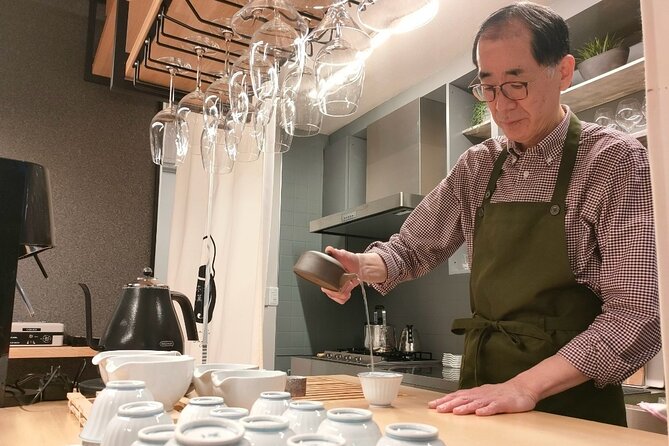
Japanese tea is often described as soothing, but the bigger surprise is how much control you gain once you start treating brewing like a recipe. This class focuses on exactly that: how water temperature and brewing time can bring out different sides of the same tea.
There’s also a health angle that comes up in the explanation. Japanese tea contains polyphenols, which are commonly linked with antioxidant and antibacterial properties, and theanine, an amino acid associated with relaxation. On top of that, tea export demand has grown fast in recent years, about 2.5 times over the past decade, partly due to rising health interest. Even if you don’t care about stats, it helps explain why tea culture still feels so current in Japan.
The real win, though, is sensory. You’re not stuck with one style and one flavor profile. You get a sequence that trains your palate: gentle first, then sweeter-smelling, then more intense.
Meeting point and timing: Maruyama Park area at 10:00 am
You’ll meet at 日本茶と和和菓子 エフ 円山公園25-chōme-2-12 Ōdōrinishi, Chuo Ward, Sapporo. The activity starts at 10:00 am and ends back at the same meeting point.
A few practical notes that matter:
- It’s near public transportation, so you can plan around trains and buses rather than relying on a private car.
- Private tour means just your group. You’re not sharing the tasting table with strangers.
- No private transportation is included, so budget for getting yourself there.
If you like small, focused experiences, this format is a good match. The duration is long enough to learn the steps and taste the differences, without dragging on like a full-day workshop.
Cup 1: Lukewarm water for the original flavor in a ceramic teacup
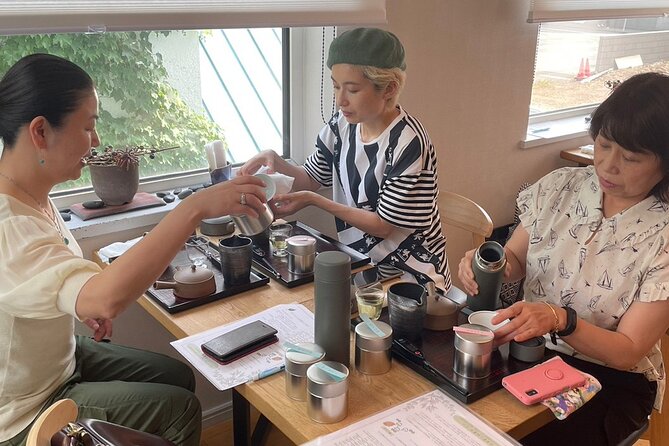
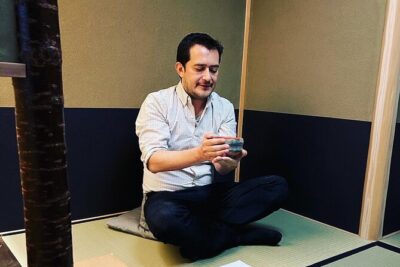
Cup one is your baseline. You brew with lukewarm water to enjoy the original flavor of the Japanese tea, served in a ceramic teacup.
This matters because it gives you a reference point before the class starts changing the rules. When you taste cup one and then taste cup two and three, you don’t have to guess what caused the change. It’s built into the order: start mild and true to the tea, then gradually move toward different expressions.
When the tea is in a ceramic teacup, it also feels more traditional and calm. This is the cup that teaches you restraint: you taste what the tea is when you don’t push it too hard with heat.
Practical tip for you: when you’re offered the first tasting, take a slower sip than you would in a café. You’re trying to notice aroma and flavor, not just drink something warm. That attention is what makes the later cups make sense.
Cup 2: Cold tea in a wine glass for aroma and sweetness
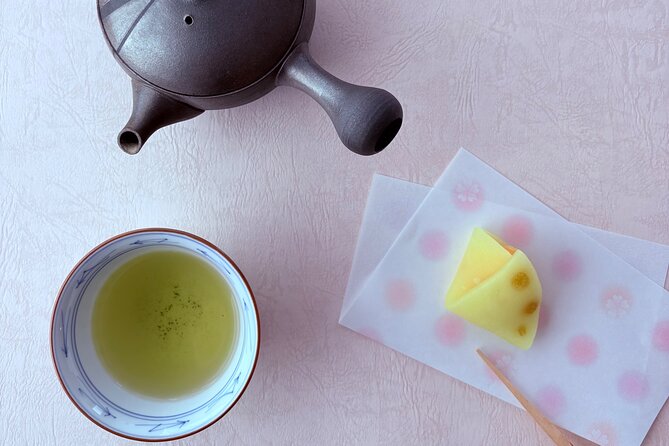
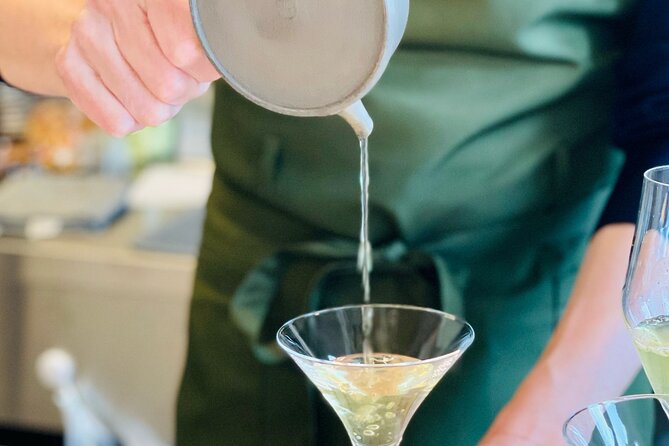
Then the class flips the script. For cup two, you brew with ice and water, and you drink the tea in a wine glass. The goal is aroma and sweetness.
Serving cold tea in a wine glass sounds like a gimmick until you taste it. The aroma hits differently, and the flavors can feel lighter and more gently sweet. The glass shape and how you hold it makes the aroma part of the experience more obvious. You’ll likely find yourself doing what tea people do: swirling lightly, smelling first, then sipping to compare.
This is also a fun moment for learning. You see that temperature isn’t just about whether the tea is hot or cold. It changes the way the drink presents itself to your senses. The class is basically training you to read the tea.
If you usually drink iced tea that tastes flat, this cup can be a reality check—in a good way. It reframes iced tea as something with its own character, not just “hot tea with ice.”
Cup 3: Hot water for bitterness and astringency plus wagashi
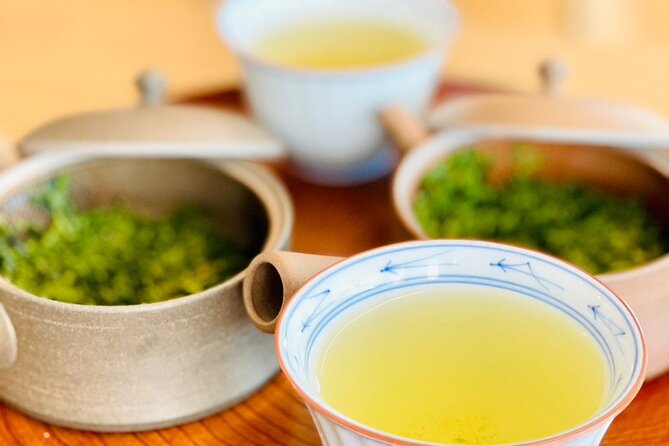
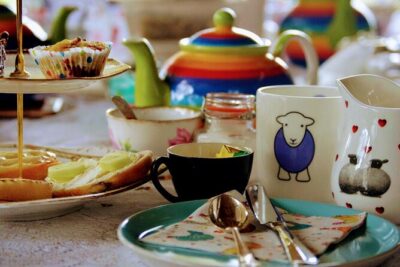
Cup three is where Japanese tea stops being polite. You brew with hot water to bring out bitterness and astringency, and you pair the tea with Japanese sweets called wagashi.
This is a smart teaching design. Bitterness and astringency can sound unpleasant if you only expect sweetness. But when you match that intensity with wagashi, the balance becomes clearer. Wagashi often plays with seasonal flavors and shapes, and the pairing helps you feel the tea’s structure instead of just reacting to it.
From the way the experience is explained and how people describe it, the sweets are seasonal, and the pairing can make the flavors feel more “Japanese” than generic snack-and-sip. In one example, the sweets were described as spring-flower shaped, which shows how this isn’t only about taste. It’s also about feeling the season through food and tea.
Practical note: take cup three as a flavor exercise. If you go in thinking the last cup must be your favorite, you might miss the point. The goal is understanding what hot brewing does and how wagashi can complement stronger tea notes.
What you learn beyond the three cups
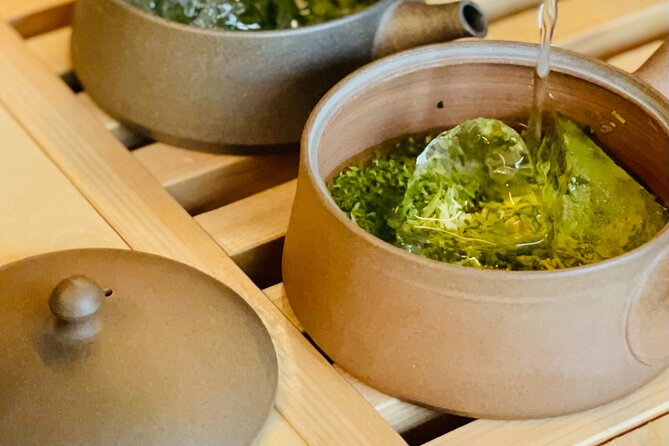
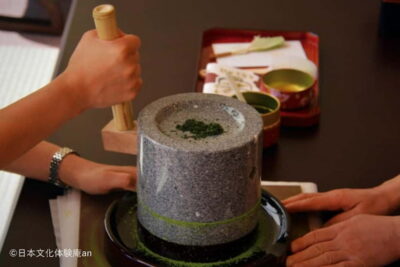
This class gives you more than a one-time tasting. You’re guided through how to brew and what each step is supposed to change.
One of the most useful takeaways is the chance to practice the sequence and compare tastes step by step. You also get a printed sheet with a summary of the temperature and brewing time for each tea, which means you’re not relying on memory after the class ends.
That sheet is what turns the experience into something you can use at home. Japanese tea is easy to buy, but it’s harder to brew well consistently. Having those specific reminders takes the guesswork out of trying again the next week.
If your travel style includes learning a skill you can repeat, this is one of the better “hands-on” tea experiences. You’re not just collecting photos. You’re collecting parameters.
Price and value for a private 1 hour 30 minutes class
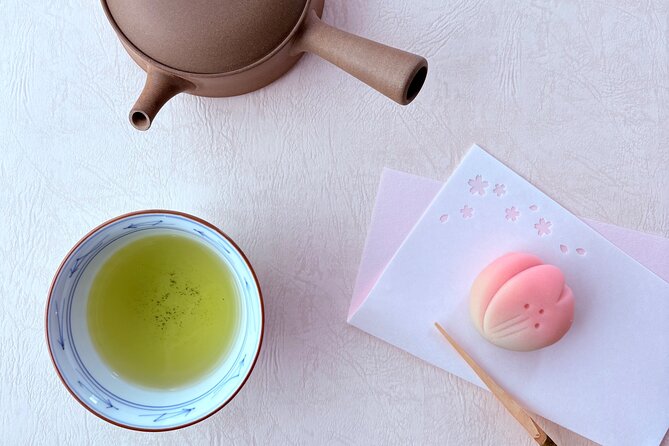
The price is $78.48 per person for about 1 hour 30 minutes, with seasonal Japanese sweets included.
Is it expensive? It depends on what you compare it to. If you’ve ever paid similar amounts for a food tasting where you only sample and don’t learn, this is usually better value because you actually get a structured method and a home-brewing summary. You’re also getting three distinct tasting rounds rather than one.
It’s also private, which matters. Shared group classes can be fun, but they often move on a fixed tempo. Here, your group is the only group, so the pace of tasting and understanding feels more deliberate.
One thing to plan for: private transportation isn’t included. If you’re far from the Maruyama Park area, factor in getting yourself there with public transit or a taxi.
Who this tea class is best for
This experience fits you best if you want:
- a hands-on food and drink activity in Sapporo that teaches a repeatable method
- a tasting that’s organized (not random sips)
- a culture lesson that connects tea to food, especially wagashi
It’s also a nice option if you like the idea of “health through everyday rituals,” without making it preachy. The class explains polyphenols and theanine as part of the story, then immediately returns to practical brewing and taste.
If you’re a strict sweet-tooth, you might enjoy cup one and cup two more than cup three. But even then, the class can still be interesting because the point is learning how tea changes across temperature and time.
Should you book this Japanese tea making class in Sapporo?
Yes, if you want a focused, skill-building food experience that goes beyond drinking tea. The best part is the built-in logic: lukewarm for baseline flavor, iced for aroma and sweetness, then hot for bitterness and astringency paired with wagashi. That structure makes the lesson stick.
Book it if you’ll actually use the summary sheet afterward. If you’re the type who likes repeating what you learn, you’ll get more out of the money and time.
Skip it if you dislike tea’s darker notes and you’re only interested in sweet, easy flavors. The last cup is meant to show that side of Japanese tea, and it’s part of the learning arc.
FAQ
Where is the Japanese Tea Making Class meeting point?
You’ll meet at 日本茶と和菓子 エフ 円山公園25-chōme-2-12 Ōdōrinishi, Chuo Ward, Sapporo, Hokkaido 064-0820, Japan.
What time does the class start?
The start time is 10:00 am.
How long is the experience?
It lasts about 1 hour 30 minutes.
How much does it cost?
The price is $78.48 per person.
Is the tour private?
Yes. It’s a private tour/activity, and only your group will participate.
What’s included in the price?
Seasonal Japanese sweets and Japanese tea are included as snacks.
What is not included?
Private transportation is not included.
Do I get a mobile ticket?
Yes, the experience includes a mobile ticket.
What is the cancellation policy?
Free cancellation is available up to 24 hours before the experience’s start time for a full refund. If you cancel less than 24 hours before, the amount paid is not refunded.