REVIEW · BEIJING
Beijing Culture Event: Tea Ceremony, Music Show, Calligraphy
Book on GetYourGuide →Operated by Cultural Tours China · Bookable on GetYourGuide
Tea and music in one sitting sounds oddly perfect. This Beijing Culture Event strings together a tea ceremony, a Guqin performance and mini lesson, plus calligraphy—so you don’t just watch Chinese arts, you participate.
What I like most: the six-step tea art taught with porcelain teaware, and the Guqin master-led session where you even try a simple melody. One thing to consider is the pace: at 2.5 hours, it’s packed, so you’ll want comfy clothes for Hanfu and patience for switching activities.
In This Review
- Six key reasons this tea–music–calligraphy event works
- A 2.5-hour cultural schedule that keeps moving (in a good way)
- Private tea base and Guqin center access in Beijing
- Tea Ceremony: learn the Six-Step Tea Art with porcelain teaware
- Guqin performance by a master, then a short learning moment
- Calligraphy: write a meaningful symbol with brush and ink
- Hanfu dressing and a teacher-centered ritual
- Your guide makes the difference: history, sociology, and real translation
- Price and value: what $79 buys you (and why it’s not just a show)
- Logistics in Beijing: meet at Hua Gong Station C exit
- Who this is best for (and who might want a different option)
- Should you book this Beijing Culture Event?
- FAQ
- How long is the Beijing Culture Event?
- Where do we meet, and where does it end?
- What’s included in the $79 per person price?
- What language is the guide?
- What should I wear and bring?
- Is it wheelchair accessible, and how big is the group?
Six key reasons this tea–music–calligraphy event works
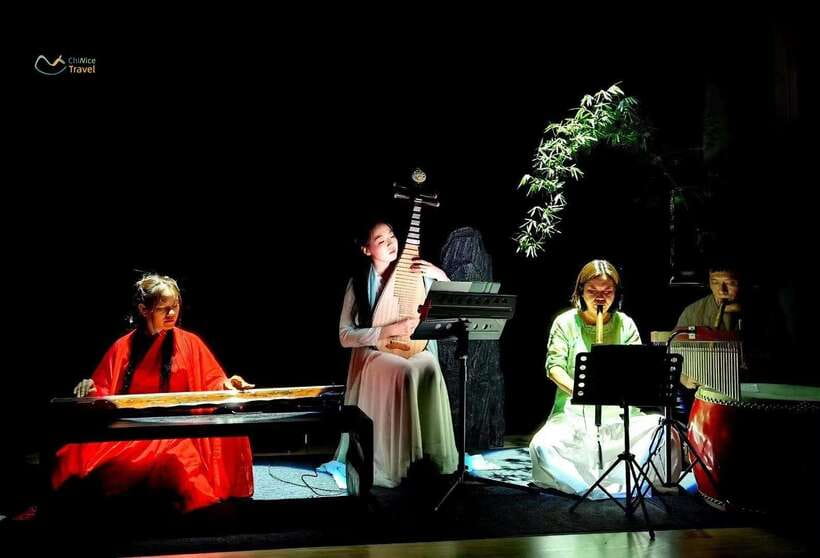
- Six activities in 2.5 hours: tea brewing, Guqin performance, Guqin class, calligraphy, Hanfu ritual, and cultural explanations
- Real-teaware tea training: you learn the Six-Step Tea Art process with porcelain sets
- A nationally recognized Guqin heritage master: you hear history translated into sound
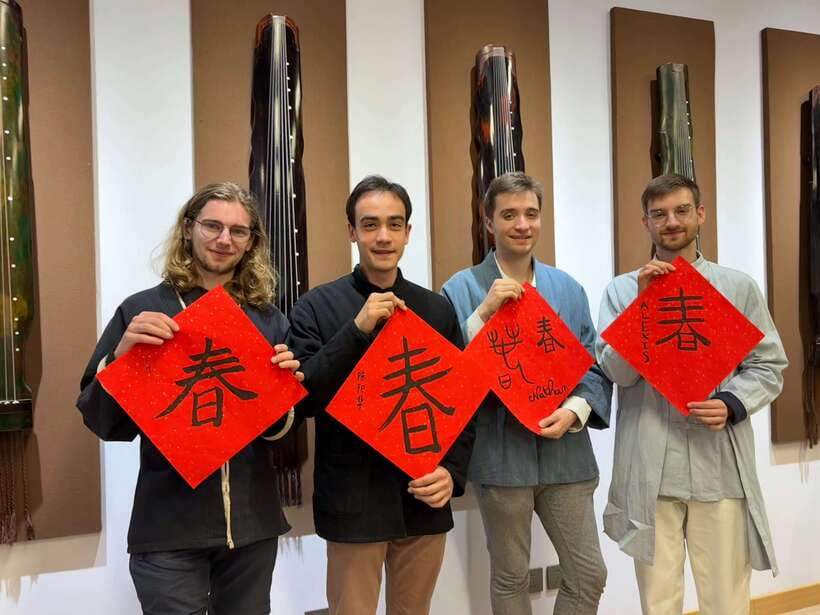
- Hands-on calligraphy: you write your own meaningful symbol with traditional brush and ink
- Small group limit of 8: enough attention for questions and slower help when you need it
- Included photos and Hanfu rental: you’ll leave with images and souvenirs, not just memories
A 2.5-hour cultural schedule that keeps moving (in a good way)
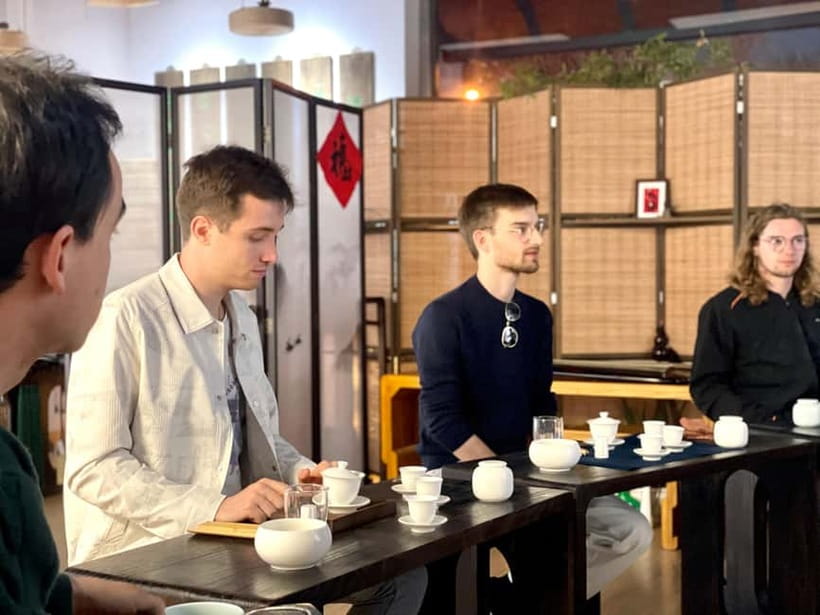
This experience is built like a tasting menu. You rotate through different art forms—tea, music, writing—so the time doesn’t drag. The payoff is that each chapter explains something bigger than the moment: how people in China traditionally learned, practiced, and passed along culture.
At a starting price of $79 per person for 2.5 hours (check availability for start times), you’re paying for guided access, teaching time, and the materials that go with it. It’s not a quick show. It’s a structured learning session with performance elements.
The small group size (max 8) matters more than it sounds. In a large group, calligraphy turns into rushed scribbling. Here, you can slow down, ask questions, and get coaching when your hand or timing needs a reset.
You can also read our reviews of more tours and experiences in Beijing.
Private tea base and Guqin center access in Beijing
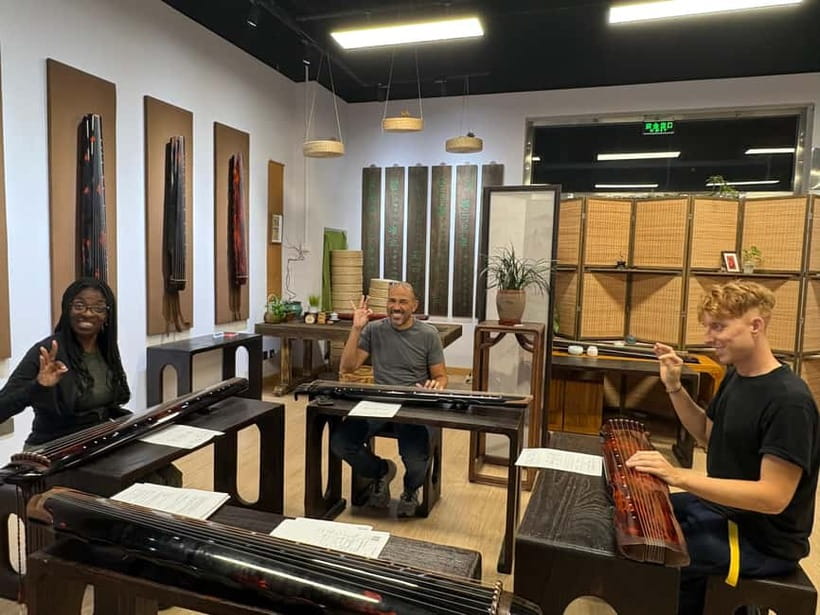
You’re not just heading to a generic venue and hoping for good seats. This event is promoted as access to a private, certified Guqin Art Center and a high-end Tea Culture Base that aren’t presented as open to the general public. That’s important because it changes the feel of the room.
These spaces are the point. They’re designed for teaching and performance, not for constant foot traffic. In practice, that often means calmer pacing, clearer instructions, and more time with the teacher in each chapter.
You’ll start and finish back at the meeting point (Hua Gong Station, Line 7, C exit). Transportation isn’t included, so plan your metro route before you go. If you’re staying around the Temple of Heaven area, the location is about 30 minutes away by transit.
Tea Ceremony: learn the Six-Step Tea Art with porcelain teaware
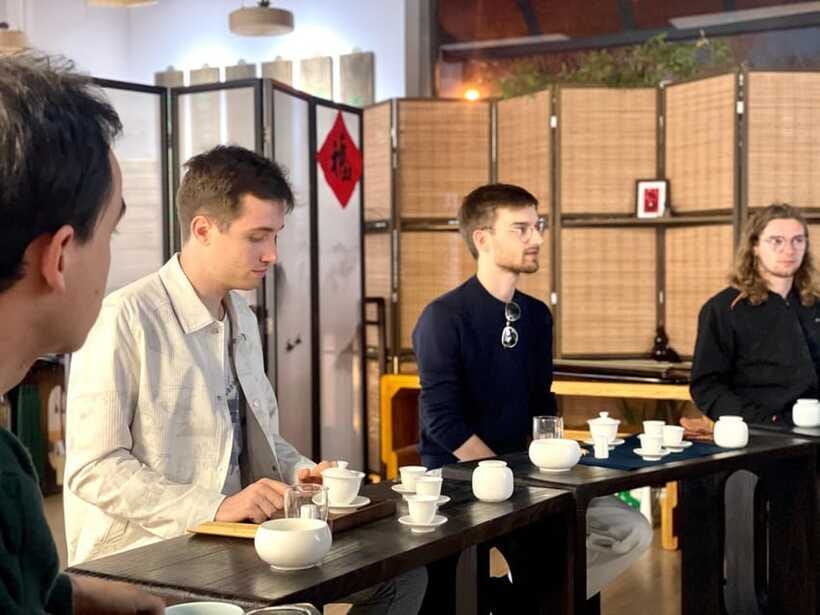
Tea sounds simple until someone guides you through the details. In this session, you watch a professional tea master perform an ancient-style tea ceremony, then you’re guided step-by-step through the Six-Step Tea Art process.
What you’re learning isn’t just how to pour. You’re picking up the habit of paying attention—how tea aroma shifts, how color looks differently, and how flavors develop after brewing. The session includes top-quality teas such as red, green, and floral varieties, each with its own lingering complexity.
The porcelain teaware part is not window dressing. Porcelain affects how tea is handled and presented, and it makes the practice feel like what it is: a ritual tool. You’ll also have tea and water included, which keeps the session comfortable without turning it into a meal.
A small, practical tip: don’t expect to remember every step perfectly right away. Instead, aim to leave able to identify what you did—rinse/brew/pour in order—and why the teacher emphasized it. That’s what makes this useful later when you try tea at home.
Guqin performance by a master, then a short learning moment
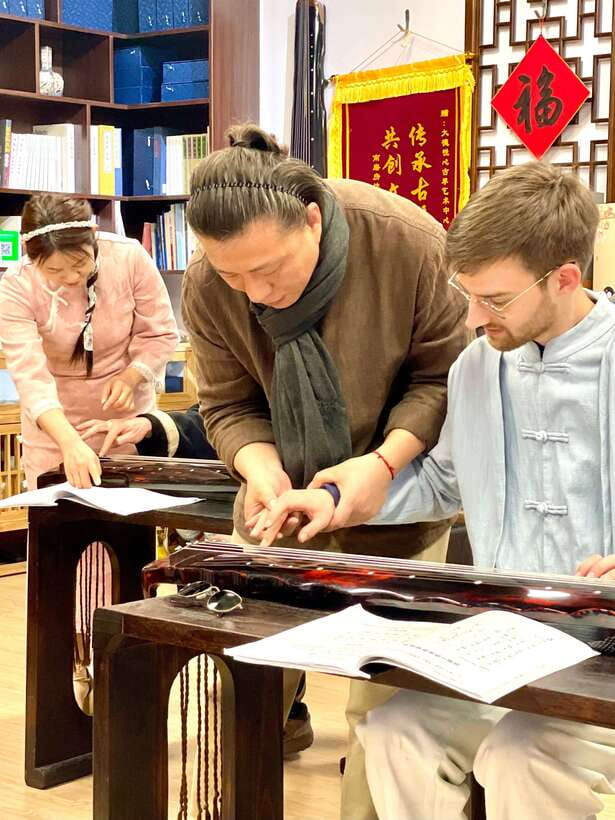
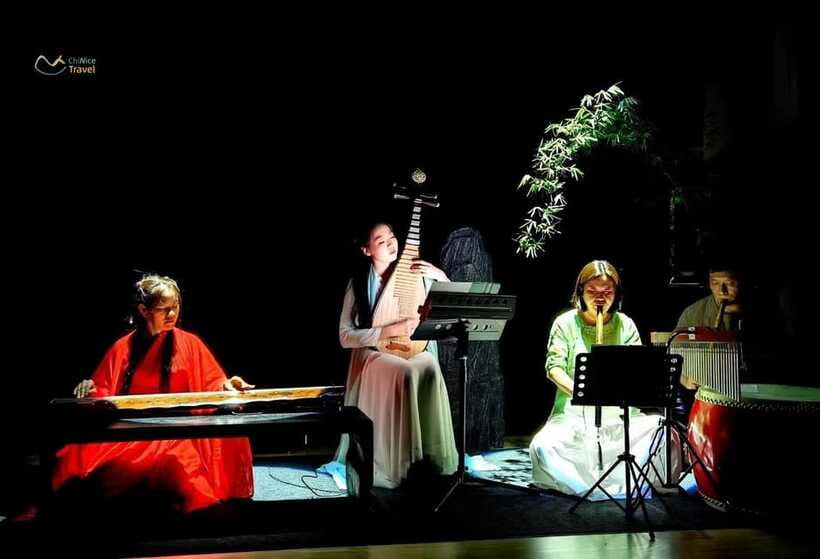
Next comes the Guqin, often described as the giant panda of Chinese instruments—a national treasure with a dignified, scholarly reputation. You’ll hear a performance from a Guqin heritage master with 40 years of experience, which helps explain why the sound feels different from modern music.
You’re also given cultural context for what you’re hearing. One explanation you’ll hear is that the Guqin’s melody isn’t just random notes; it connects to rhythms tied to Chinese characters and the way language shapes phrasing.
Then comes the part many people don’t expect: you get a Guqin class where you learn to play a simple melody. You’ll have patient guidance, and the goal is not perfection. The goal is to feel the instrument’s meditative rhythm and understand how a “small” practice can carry a lot of discipline.
In my view, this is where the value spikes. A solo performance is lovely, but it becomes memorable when you get a physical sense of how the music works—hands on, even if just briefly.
Calligraphy: write a meaningful symbol with brush and ink
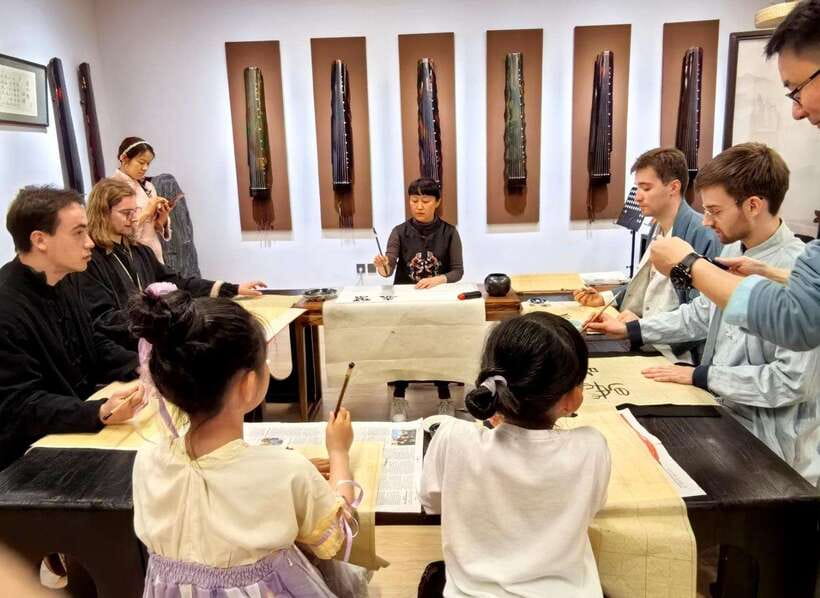
After the Guqin, you switch to calligraphy, which has a calming effect if you’ve been moving around. You’ll learn about the evolution of Chinese writing, from ancient pictographs to the five major traditional styles.
Then you write. With expert guidance, you practice using traditional brushes and ink and create a personal symbol to take home. In the experience notes, this is framed as writing something meaningful—so you’re not copying random letters for the sake of it.
This part also works well for people who think they cannot draw. Calligraphy isn’t about being artistic in the modern sense. It’s about control, pressure, and rhythm—things you can improve with coaching over a short session.
One practical consideration: calligraphy can be messy, especially if you’re wearing something precious. Wear clothes you’re okay with getting a little ink on, and bring a camera if you want clear photos of your finished work.

Hanfu dressing and a teacher-centered ritual
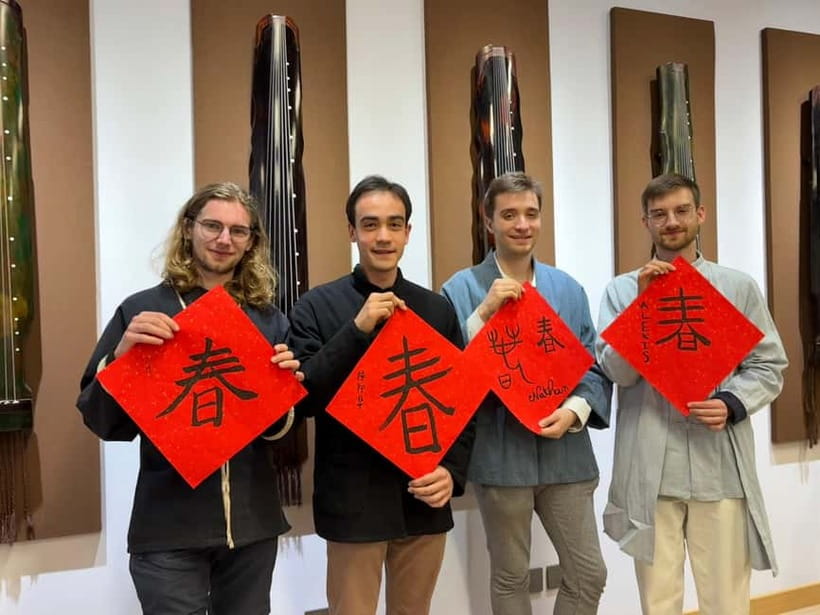
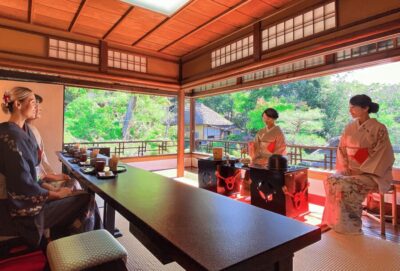
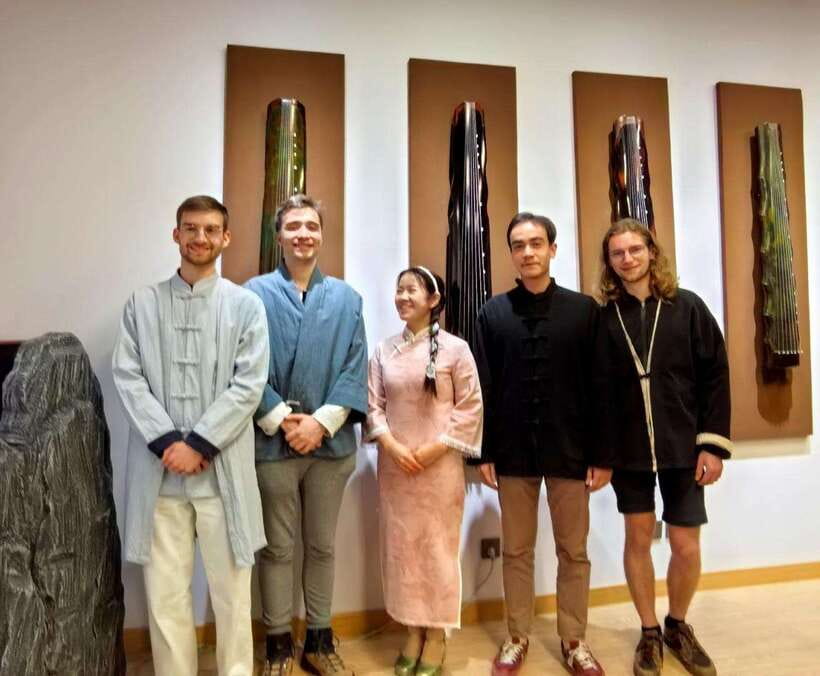
You’ll rent Hanfu as part of the experience, and you’ll use it during a traditional ceremony honoring your teacher. This isn’t just a costume change for photos.
They recommend you wear comfortable clothes for the Hanfu session, which is smart—Hanfu can take a few minutes to dress properly, and you don’t want to fight fabrics when you should be listening. The ritual framing helps connect the art forms to the social side of learning: respect, role, and instruction.
You’ll also participate in photoshooting, and that’s included. Bring your camera, and take a few test shots before you settle in. Lighting can be uneven in smaller studios, and you’ll be happier if you don’t realize too late that your camera settings are off.
Your guide makes the difference: history, sociology, and real translation
This tour is led by bilingual cultural experts who include academic-level history and sociology knowledge. They’re more than translators. They explain why movements, objects, and sounds matter—not just what you’re doing.
In at least one real-world example, the host can help you find the center easily after you arrive at the metro entrance; Sylvia was mentioned as doing exactly this for a group coming from near a hotel area. If you’re nervous about navigating Beijing metro stations, that kind of hand-holding can reduce stress fast.
You may also be asked about allergies ahead of time so the team can cater. That’s not a universal “food tour” promise, but it signals the organizers pay attention to comfort and safety.
For you, the practical takeaway is simple: arrive a bit early. The instructions suggest getting there 10 minutes early to prepare. If you show up right when the session starts, you’ll lose time that should go to settling in and asking questions.
Price and value: what $79 buys you (and why it’s not just a show)
Let’s break down the $79 per person value in plain terms. You’re paying for:
- Instruction in tea brewing (with teaware)
- A professional Guqin performance
- A Guqin learning component
- Calligraphy materials and coaching
- Hanfu rental and a ceremony
- Photoshooting and original souvenirs
- Water/tea plus ticketed access
- A bilingual guide/tutor with academic training
Transportation is not included, and there are no included meals. So yes, you’ll spend a little extra to get yourself there. But inside the program, most of the costs that typically show up in separate experiences are bundled together.
The small group (up to 8) is part of the value too. It helps the teaching time feel real instead of performative. When you’re writing with ink or handling teaware, you want the teacher close enough to correct your grip or timing.
Logistics in Beijing: meet at Hua Gong Station C exit
Meeting point: Hua Gong Station, Line 7, C exit. The start is about 30 minutes from the Temple of Heaven area, and the session ends back at the meeting point.
This matters because it keeps the day simple. You’re not commuting across the city after the program ends. If you’re using the metro, you can plan the rest of your day around that predictable return point.
What to bring:
- A camera (photoshooting is included, but your own camera helps)
- Comfortable clothes for Hanfu dressing
- Water sense: the session includes water/tea, but you’ll still feel better if you’re hydrated before you start
- A calm mindset: there are multiple art formats in one block of time
Who this is best for (and who might want a different option)
This is a strong match for people who want culture with hands-on instruction. If you like tasting flavors, hearing how instruments connect to language and tradition, and writing with brush and ink, you’ll likely enjoy the flow.
It also seems to work well for families. One example given included a family of five, with ages ranging from 11 to 40, and even kids who started out unsure ended up enjoying the experience because it was interactive and personable.
That said, if you hate structure, you may find it a bit scheduled. And if you’re not comfortable with writing at all, calligraphy could feel like a chore. The good news is coaching is part of the package, and the aim is learning, not passing a test.
Should you book this Beijing Culture Event?
Book it if you want more than a spectator experience. For $79, you get a rare mix: tea brewing with a step method, Guqin performance plus a short lesson, and calligraphy with materials and guidance. The small group size keeps it personal, and the academic-style explanations help you understand what you’re doing while you’re doing it.
Skip or consider another option if you’re short on time, dislike multi-activity programs, or need lots of breaks. This is 2.5 hours that moves through several chapters, and the schedule is built that way.
If you decide to go, my practical advice is to come early, wear comfy clothes, bring your camera, and show up ready to participate—even if your initial instinct is I’m just here to watch. In sessions like this, the surprise is often how quickly you start enjoying the doing.
FAQ
How long is the Beijing Culture Event?
The experience runs for 2.5 hours. Start times vary based on availability, so you’ll want to check the schedule when you book.
Where do we meet, and where does it end?
You meet at Hua Gong Station (Line 7), C exit. The activity ends back at the same meeting point.
What’s included in the $79 per person price?
It includes water/tea, a ticket to the show, Hanfu rental, photoshooting, and the Guqin class, plus a professional guide/tutor (connected to the Guqin performance) and original souvenirs.
What language is the guide?
The guide/instructor provides Chinese and English support.
What should I wear and bring?
Wear comfortable clothes for the Hanfu dressing session. Bring your camera for photoshooting. It’s also recommended that you arrive about 10 minutes early.
Is it wheelchair accessible, and how big is the group?
The experience is wheelchair accessible. It’s a small group limited to 8 participants.