REVIEW · BEIJING
Traditional Chinese Tea Ceremony Experience
Book on GetYourGuide →Operated by Hutong Calligraphy · Bookable on GetYourGuide
A tea ritual beats most souvenirs. In Beijing, you’ll sit down with a friendly, English-speaking tea master to learn how Chinese tea is built—from warming the teapot to using the right water temperature and steeping time. One thing to factor in: the session can run from 30 minutes to 3 hours, so plan with some breathing room.
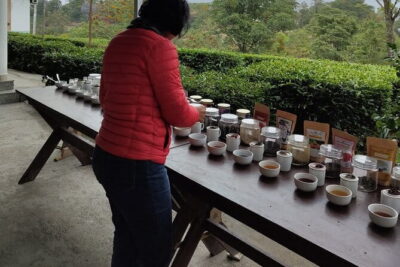
What I like most is the hands-on tasting. You’ll sip 5 mini cups across different styles—oolong, pu-erh, green tea, jasmine tea, and flower tea—so you start to understand how aroma, temperature, and timing change the cup.
In This Review
- Key Things That Make This Tea Ceremony Fun (and Actually Useful)
- Why a Beijing Tea Ceremony Fits China Better Than a Photo Stop
- Arriving at the Tea House: Greeting, English, and Meeting Point Reality
- The Tea Master’s Routine: Warming, Smelling, Pouring, Tasting
- Your Tasting Flight: Oolong, Pu-erh, Green, Jasmine, Flower Tea
- What You’ll Learn About Chinese Tea Etiquette (Without Feeling Like a Robot)
- Duration and Value: When $9 Makes Sense (and When It Might Not)
- Logistics You Should Know: Transport and Shopping Are Optional
- Time-Saving Benefit: It’s a Great “Reset” After Busy Beijing Days
- Tea House Settings: Comfortable, Small, and Often Guided by Staff Talent
- Should You Book This Beijing Tea Ceremony?
- FAQ
- How long is the traditional Chinese tea ceremony?
- What teas will I taste during the ceremony?
- Is transportation included?
- Is a tour guide included?
- Is the ceremony suitable for kids?
- What is the cancellation policy?
Key Things That Make This Tea Ceremony Fun (and Actually Useful)
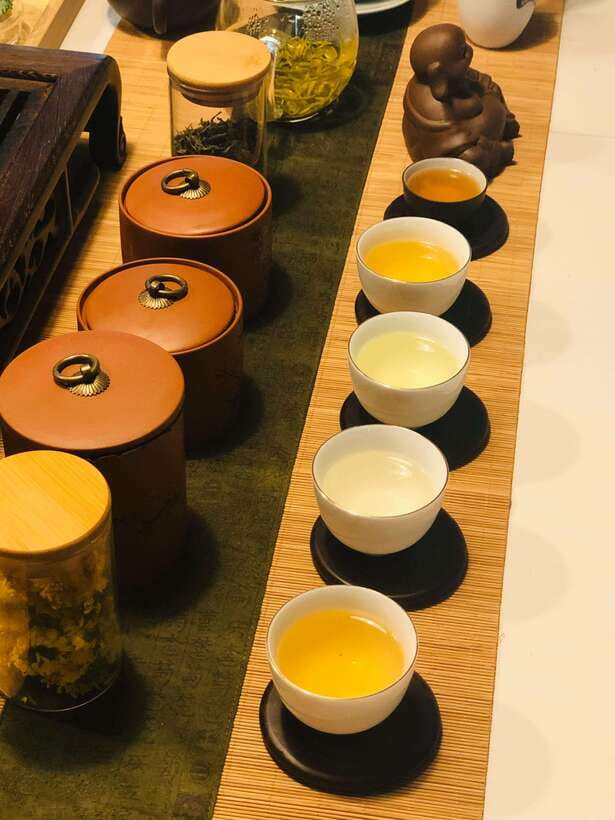
- You taste five tea styles instead of just one safe cup
- You learn the “why” behind steeping: temperature and timing, not just a script
- A real tea master runs the show and keeps explanations in English
- The ritual is sensory—smell the leaves, watch the pour, and taste with attention
- Kids can enjoy it (as long as they’re at least 7) because it’s interactive, not a lecture
- Tea shopping is optional at the end, at your own expense
Why a Beijing Tea Ceremony Fits China Better Than a Photo Stop
China is the birthplace of tea, and the ceremony treats tea like a craft, not a drink. The goal isn’t to rush through a tasting flight; it’s to slow down and learn how people appreciate tea as part of daily life—respectful, calm, and very social.
In practice, this kind of experience changes how you’ll read China. After a tea ceremony, you’ll notice how often tea shows up in conversation, hosting, and everyday meals. Even if you never become a tea snob, you’ll understand the basic logic: great tea isn’t just about the leaves—it’s about how you handle them.
You can also read our reviews of more tours and experiences in Beijing.
Arriving at the Tea House: Greeting, English, and Meeting Point Reality
You’ll be greeted by your host or greeter on arrival, and English is supported. The meeting point can vary depending on what you book, so do yourself a favor and double-check the exact pickup spot before you head out.
One practical note: the experience asks you to leave a WhatsApp number when you book. That usually makes it easier to coordinate with the team if plans shift slightly.
Also, don’t expect a full “tour guide” style walkthrough. The listing includes the tea ceremony itself, but it doesn’t include a separate tour guide. The tea master and their assistant/staff are the heart of the explanation.
The Tea Master’s Routine: Warming, Smelling, Pouring, Tasting
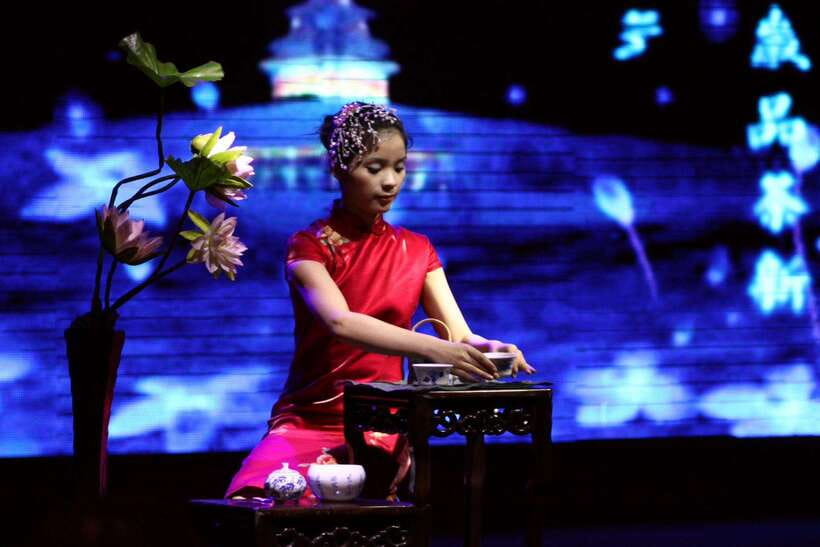
This is the part that makes the ceremony worth your time. You’re not just consuming tea—you’re learning a repeatable process.
Here’s the rhythm you can expect:
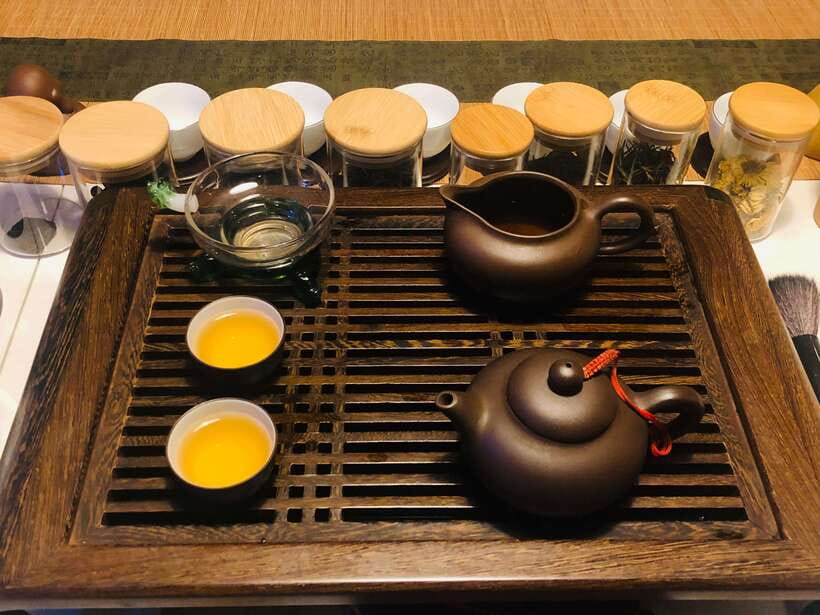
- You’ll observe the tea master warming equipment (like the teapot) so the brewing starts at the right baseline.
- You’ll smell high-quality tea leaves before any water touches them. That aroma step matters because it trains your nose to recognize different tea styles.
- You’ll learn the proper water temperature for the tea you’re drinking. Different teas behave differently with heat.
- You’ll understand steeping timing—how long to wait before pouring.
Then comes the “art of attention.” The ceremony is done with intention in each step: warming, pouring, and timing. Sight, smell, and taste all work together, so the experience feels more like a guided craft lesson than a standard activity.
If you’re the type who likes clear instructions, you’ll probably appreciate how practical the tea master’s method is—especially when they explain what changes in the cup and why.
Your Tasting Flight: Oolong, Pu-erh, Green, Jasmine, Flower Tea
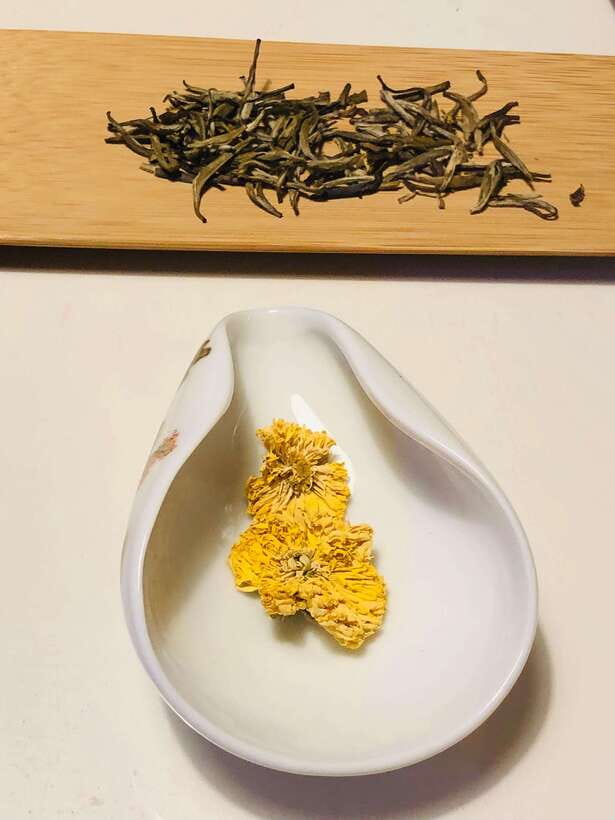
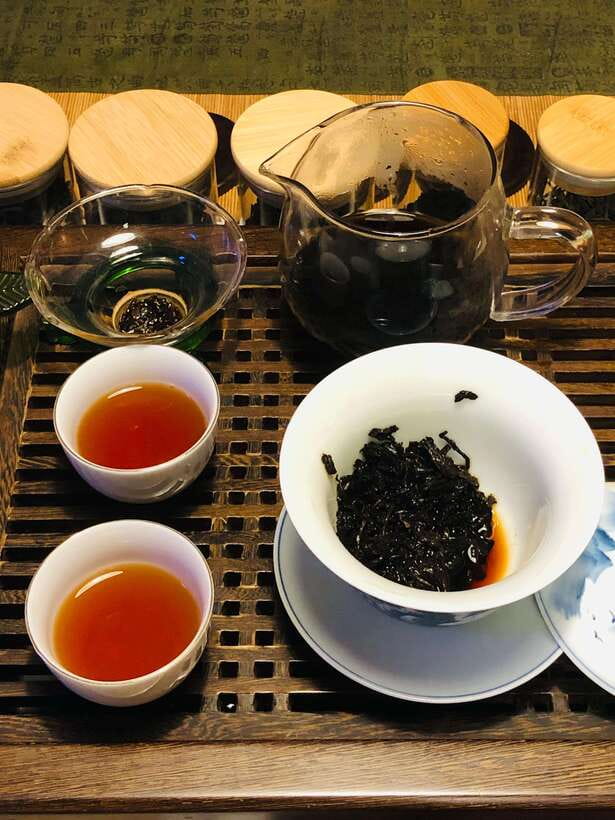
Included in the ceremony are 5 mini cups of tea. That’s a sweet spot for two reasons: you get variety without getting over-caffeinated, and you can actually compare flavors across styles.
From the session description, you should expect tasting options such as:
- Oolong: often aromatic and balanced, where temperature and timing can make a big difference.
- Pu-erh: a tea style many people find surprising at first, because it tastes earthy and deeper than green teas.
- Green tea: usually lighter and fresher, with a clean finish when steeped properly.
- Jasmine tea: where the floral aroma is the star.
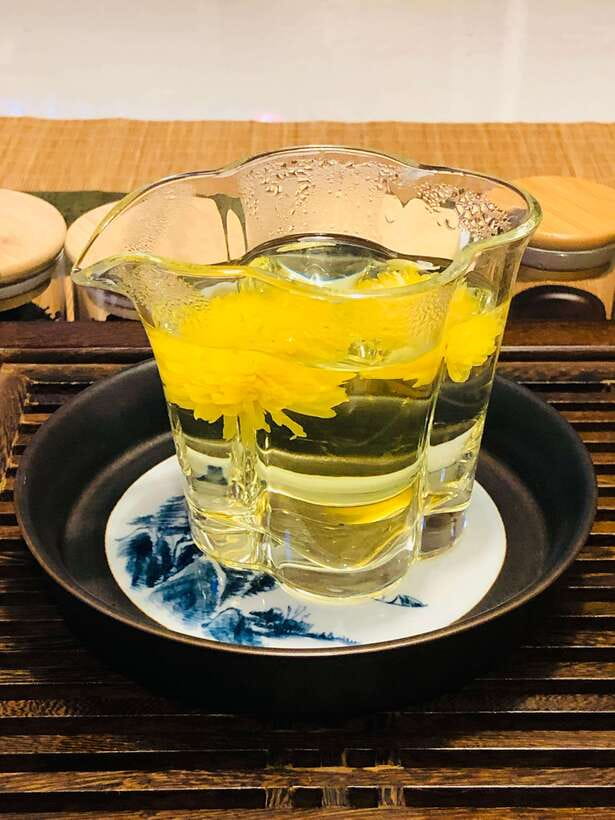
- Flower tea: more about fragrance and visual appeal, depending on how it’s prepared.
A smart way to approach this: take notes on aroma first, taste second. For many first-timers, the easiest win is realizing that the smell you notice before sipping often predicts whether you’ll enjoy the cup.
What You’ll Learn About Chinese Tea Etiquette (Without Feeling Like a Robot)
The ceremony isn’t only technical. It’s also cultural. Tea service in this tradition is about respect, harmony, and mindfulness—and those ideas show up in small actions.
You’ll see how pouring is done, how cups are shared, and how the pacing stays calm. The tea master’s explanations help you follow along without feeling lost, especially if you’re not familiar with Chinese tea culture.
If you want a souvenir you can actually use: take home the idea of careful brewing. Use it at home with whatever tea you can find. You don’t need special tools to apply the basics you learn here—like brewing with intention, matching heat to tea type, and paying attention to timing.
Duration and Value: When $9 Makes Sense (and When It Might Not)
The price is listed at $9 per person, with a duration that can run from 30 minutes to 3 hours depending on availability and starting times. That range is important. A shorter slot can feel quick but still covers the core ceremony steps; a longer slot gives more time for explanations and tasting.
Value-wise, what you’re paying for is instruction plus guided tasting—not transportation and not a shopping spree. Since the included items are the tea ceremony and 5 mini cups, you’re effectively getting a structured learning experience for the cost of a casual meal.
So when does it not feel like value? If you’re trying to fit China into a minute-by-minute schedule, the “up to 3 hours” possibility can be annoying. On the other hand, if you want one calm, indoor cultural activity (especially after a big day of walking), this tends to hit the sweet spot.
Logistics You Should Know: Transport and Shopping Are Optional
Transportation is not included. That means you’ll handle getting yourself to the meeting point (and then back) based on what’s arranged for your specific option.
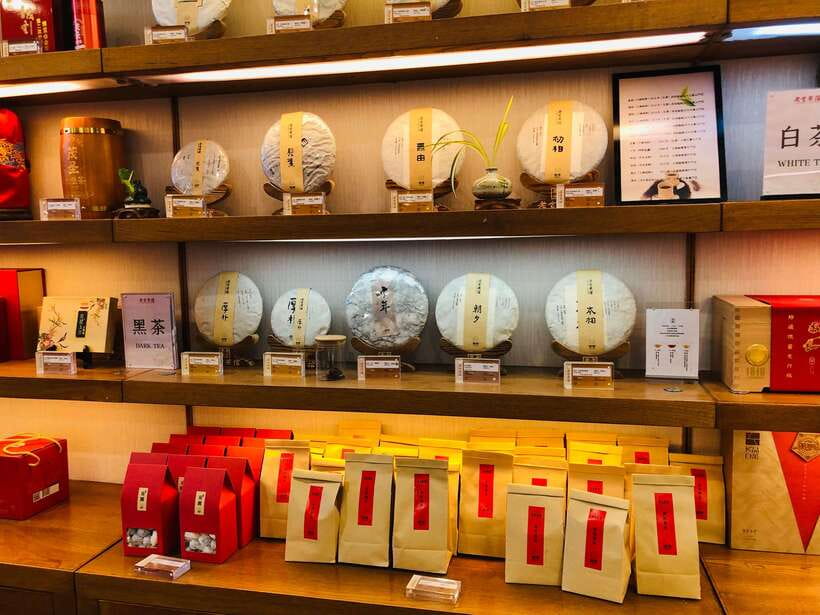
Shopping expenses are also not included. After the ceremony, you have the option to purchase tea to take home, at your own expense. In other words, the ceremony stands on its own—you can treat shopping as a bonus, not a requirement.
A practical tip: only buy what you can explain to yourself. If you understand the type of tea and how it should be brewed (even in simple terms), you’re more likely to get a satisfying purchase rather than an impulse buy wrapped in pretty packaging.
Time-Saving Benefit: It’s a Great “Reset” After Busy Beijing Days
Beijing can be intense—palaces, walls, crowds, museum days. A tea ceremony is a good counterweight. It pulls you into a slower pace, and the sensory routine gives your brain a break from constant sightseeing decisions.
The ceremony also tends to work well for families, because it’s interactive and easy to follow when explanations are in English. Just remember the age rule: it’s not suitable for children under 7, and it’s also not recommended for pregnant women.
If you’re traveling with kids old enough to focus, this can be a rare activity where they learn something real without feeling like they’re sitting through a lecture.
Tea House Settings: Comfortable, Small, and Often Guided by Staff Talent
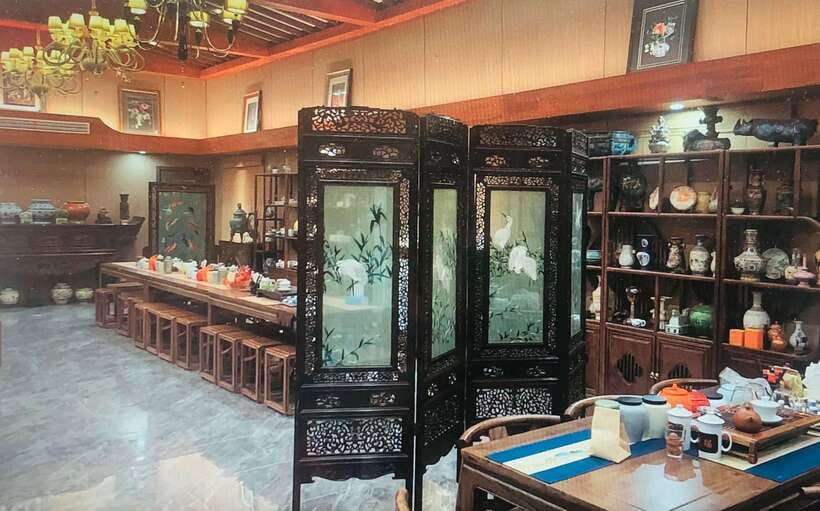
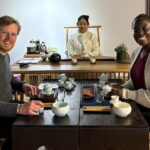
The tea ceremony takes place in a tea house setting. In practice, these spaces are designed for quiet concentration—lots of small details, a calm atmosphere, and room for the tea master to demonstrate techniques without shouting.
You may meet different English-speaking hosts and tea masters depending on scheduling. For example, guides and tea masters like Richard Li, Richard, Feye, and Kostya have been mentioned as leading sessions in the past. That variety is actually a plus: you can get slightly different styles of teaching while still experiencing the core ritual.
Should You Book This Beijing Tea Ceremony?
Book it if you want a cultural activity that teaches you something you can use, not just something you can photograph. The combination of a guided ceremony plus tasting five different teas makes it a strong value at $9, and the English support helps you understand what’s happening instead of guessing.
Skip it only if your schedule is too tight to handle the possible 30 minutes to 3 hours range, or if you fall into the “not suitable” categories (children under 7, or pregnant women).
If you’re looking for one calm, meaningful Beijing experience that feels distinctly Chinese, this is one of the better bets.
FAQ
How long is the traditional Chinese tea ceremony?
The duration can be 30 minutes to 3 hours, depending on the starting time and availability.
What teas will I taste during the ceremony?
You can expect to taste several types of tea, including Oolong, Pu-erh, green tea, jasmine tea, and flower tea.
Is transportation included?
No. Transportation is not included.
Is a tour guide included?
No. There is no tour guide included.
Is the ceremony suitable for kids?
It is not suitable for children under 7 years.
What is the cancellation policy?
You can cancel up to 24 hours in advance for a full refund.