REVIEW · BEIJING
Beijing Tai Chi and Tea Ceremony Experience
Book on Viator →Operated by Beijing San Feng Tai Chi Club · Bookable on Viator
Tai Chi and tea make a great Beijing combo.
I like how this experience connects Tai Chi to Taoism, not just exercise, and then hands you tea culture you can actually use. The other big win is the small, beginner-friendly teaching style I’ve seen highlighted in the class, plus the chance to taste 4 to 5 Chinese teas with snacks in a tea house. One thing to consider: it’s not a full meal, so if you get hungry fast, plan food before or after.
In This Review
- What You’ll Probably Love Most (And One Setup Tip)
- Key Highlights You Should Know Before You Go
- The Best Starting Point: Jixiaolan Former Residence (9:00am)
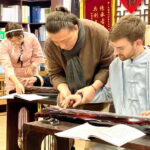
- The 1-Hour Tai Chi Lesson: More Than Counting Movements
- Meet Eric: How the Teaching Style Helps Beginners
- Self-Massage and Relaxation: The Practical Stuff You Can Reuse
- What About the “Taoist Knowledge” Part?
- Taking a Short Step Into Tea Culture: The Tea House Session
- Alice and the Kungfu Tea Ceremony: How to Notice Quality
- The Snacking Part: Don’t Treat It Like a Meal
- Price and Value: Is $95 Reasonable for 3 Hours?
- Who This Tour Fits Best (And Who Might Want Something Else)
- How to Prepare: Small Steps That Make the Morning Easier
- Should You Book This Beijing Tai Chi and Tea Ceremony?
- FAQ
- What is the duration of the Beijing Tai Chi and Tea Ceremony experience?
- What time does the tour start?
- Where does the experience meet, and where does it end?
- Who leads the Tai Chi class?
- How long is the Tai Chi portion?
- How many teas do you taste during the tea ceremony?
- Are snacks included with the tea tasting?
- Is food included?
- Is transportation included?
- Can I cancel for a full refund?
What You’ll Probably Love Most (And One Setup Tip)
I like that the Tai Chi lesson covers relaxation, basic forms, and even self-massage methods, so you leave with more than vague ideas. I also like the tea portion led by Alice, where you learn how to notice quality and enjoy a kungfu tea ceremony instead of just drinking tea. The drawback: it’s 3 hours total and starts at 9:00am, so late risers may feel rushed, and you’ll want comfortable shoes for the short walking between stops.
Key Highlights You Should Know Before You Go
- Taoism-focused Tai Chi basics taught by an English-speaking master, not just generic moves
- Self-massage and relaxation techniques included in the 1-hour practice
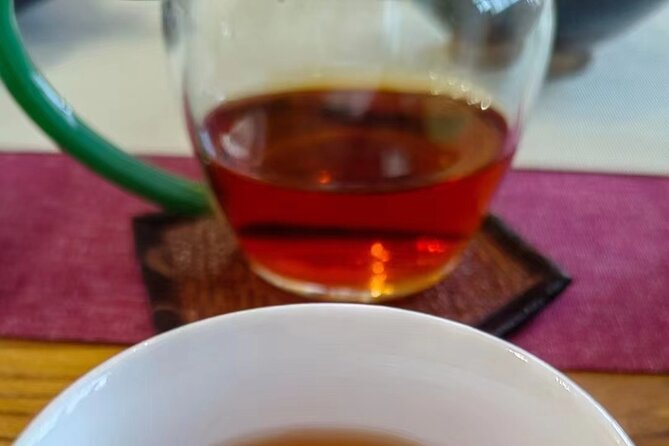
- Kungfu tea ceremony + guided tasting with 4 to 5 teas and 3 to 5 snacks
- Learn to judge tea quality with a tea master while you sip and compare
- Beginner-friendly pacing with instruction shaped to experience level (see how Eric teaches)
- Easy pairing with Temple of Heaven plans, since this works well as a morning activity
You can also read our reviews of more tours and experiences in Beijing.


The Best Starting Point: Jixiaolan Former Residence (9:00am)
This activity begins at Jixiaolan Former Residence (Ji Xiao Lan Gu Ju), in the Qianmen / Xicheng area (前门 Xi Cheng Qu). The start time is 9:00am, and it ends back at the same meeting point.
Why I like this location for an early start: it puts you in a central, old-Beijing style neighborhood where you can keep your day simple after the class. It’s also a practical meet-up point if you’re visiting major sights later, especially if you’re planning a Temple of Heaven morning or early afternoon route. You don’t waste time figuring out transit from a remote hotel pickup.
Logistics-wise, the tour runs about 3 hours total and is a private tour/activity for your group. That matters. In Tai Chi, the teacher’s attention and the group’s comfort level can change how much you get out of the session.
The 1-Hour Tai Chi Lesson: More Than Counting Movements
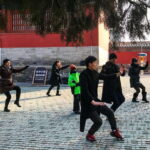
The first part is a 1-hour Tai Chi experience, taught by an English-speaking master. The goal isn’t to turn you into a Tai Chi expert in an hour. It’s to get you oriented—physically and mentally—so the practice makes sense.
Here’s what you can expect to cover:
- Taoist background knowledge tied to Tai Chi
- Basic relaxation forms
- Typical Tai Chi movements
- Self-massage methods
- A clear explanation of why Tai Chi became so popular worldwide and how it supports health
Tai Chi often gets described like it’s slow, calm, and good for stress. That’s true, but this lesson adds a key cultural piece: it frames Tai Chi as an indigenous Chinese practice connected to Taoism. The focus is on helping your body’s Qi flow more freely through relaxation work, with the idea that harmony between you and nature supports better thinking and awareness.
That concept can sound abstract at first. In practice, you’ll feel it in the way the teacher helps you slow down and coordinate mind, eyes, and body. One review highlighted practicing presence with mind, eyes, and body—exactly the kind of skill that makes the movements more than just hand positions.
Meet Eric: How the Teaching Style Helps Beginners
From the reviews, the instructor is Eric. The teaching style described is patient and structured, and that’s a big deal if you’ve never done Tai Chi.
One thing I’d watch for when you show up: how Eric checks your experience level and organizes the lesson based on it. In Tai Chi, doing the right basics matters more than doing everything. If you get pushed to copy advanced versions too early, you lose the point.
You’ll likely work through:
- How to stand and relax
- How to move with control (not tension)
- How to keep your attention during transitions between moves
Even if you’re physically fit, you may find the relaxation piece new. Many people are used to “effort” workouts; this is the opposite. It asks you to be precise with softness.
Self-Massage and Relaxation: The Practical Stuff You Can Reuse
A standout element is that you’re not only learning Tai Chi movements. You’re also taught self-massage methods as part of the session.
Why this matters: self-massage turns the class into something you can repeat later. You’re not only borrowing someone else’s expertise during the 60 minutes. You leave with tools you can bring into your routine—especially on days when you feel stiff or mentally scattered.
You can think of the self-massage and relaxation work as the “bridge” between understanding and doing. When you can feel how your body responds to pressure, stretching, and slow movement, the Taoist framing of Qi becomes less theoretical and more experiential.
What About the “Taoist Knowledge” Part?
You’ll also get instruction on Taoism as it connects to Tai Chi. The tour description emphasizes Taoism’s role in improving health by guiding Qi through relaxation work, aiming for harmony between man and nature.
So what should you do with this info while you’re in class?
- Treat it like a map. You don’t have to memorize philosophy.
- Use it to interpret what the teacher is asking your body to do.
- Let it help you notice changes: calmer breathing, steadier posture, less mental noise.
If you like cultural context, you’ll probably appreciate this. If you just want exercise, the lesson still works because the cultural explanation is tied to what you practice in the room.
Taking a Short Step Into Tea Culture: The Tea House Session
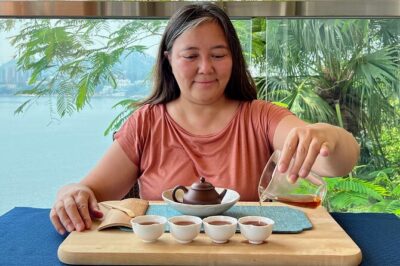
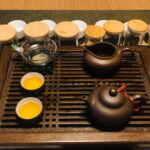
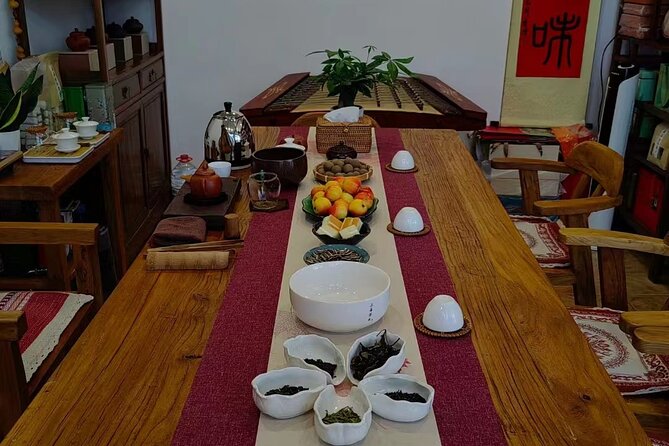
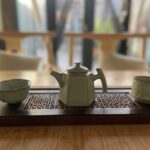
After Tai Chi, you head to the tea house for the second part: a guided tea tasting and kungfu tea ceremony.
This portion includes:
- Tasting 4 to 5 types of Chinese tea
- 3 to 5 snacks
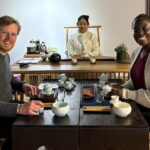
- Guidance from a tea master (Alice is named in the reviews)
The tone here changes from movement to attention. Instead of using your legs and arms, you use your senses—taste, aroma, and how the flavors evolve across cups.
Alice and the Kungfu Tea Ceremony: How to Notice Quality
Alice is the tea master mentioned by name in the reviews, and her style gets described as sweet and clear. A key goal of this part is that you learn how to distinguish tea quality yourself, not just follow instructions.
In the class, you’ll get help with:
- Recognizing differences between tea types
- Understanding how the ceremony supports a calm, meditative mindset
- Building the habit of comparing cups, not just sipping quickly
If you’ve tried tea before, you might think all tea is about taste alone. This experience leans on the idea that tea supports internal cultivation and stable temperament in Taoist practice. Even if you don’t take that literally, you can still benefit from the attention training.
One review also points out that tea history and culture are covered along with the tasting. That’s useful because it helps you understand why people treat tea like something more ceremonial than a casual drink.
The Snacking Part: Don’t Treat It Like a Meal
You’ll get 3 to 5 snacks with the tea tasting. The tour description also says food isn’t included, which is consistent: this is snack-level support, not a full meal.
So if you’re planning the rest of your day, think like this:
- You’ll likely leave the tea house feeling good, but not necessarily fed like lunch would.
- If your schedule is tight, eat something light before the 9:00am start, or plan a nearby meal after.
Comfort tip: tea plus slow movement can be soothing. It can also make you forget you haven’t eaten much. Be kind to your stomach.
Price and Value: Is $95 Reasonable for 3 Hours?
At $95 per person for about 3 hours, this isn’t a bargain-basement activity. But in Beijing, it also doesn’t feel outrageous because you’re paying for two guided experiences in one: an English-led Tai Chi session plus a tea tasting and ceremony with a tea master.
Here’s where the value shows up:
- You get structured instruction (including self-massage), not just a sit-and-watch demo
- You get a tasting format (4 to 5 teas) with guided comparison
- The group is smaller in feel since it’s private for your group
- It includes tea/coffee and all fees and taxes
If you compare it to buying tickets separately for a class and then paying for a tea tasting, this can feel like a smart way to do both with one morning plan.
One more practical note: the average booking window is about 22 days in advance. That’s a hint that spots can fill, so if you want your preferred date and time, don’t wait until the last week.
Who This Tour Fits Best (And Who Might Want Something Else)
This is a great fit if you:
- Are a beginner who wants clear basics and patient guidance
- Like mindfulness-style activities you can repeat later
- Want a cultural layer, not just a workout
- Enjoy tea and want help learning what to notice
It may not be ideal if you:
- Want a heavy, sweat-inducing workout
- Expect a full meal included
- Prefer long, museum-style sightseeing blocks over hands-on experiences
That said, even people who start skeptical often end up liking the tea portion. It’s guided in a way that teaches you how to taste, not just what to taste.
How to Prepare: Small Steps That Make the Morning Easier
Before you go, do two things:
- Wear comfortable walking shoes.
- Be mentally ready for a slower pace than typical sightseeing.
Because the tour is in a central area and near public transportation, you won’t need complicated logistics. But your body will notice if you show up in stiff shoes or with tight legs from rushing around the night before.
Also, keep your expectations realistic: you won’t master Tai Chi in 1 hour. You will, however, learn how to move more calmly, how to pay attention, and how to understand the purpose behind the practice.
Should You Book This Beijing Tai Chi and Tea Ceremony?
I’d book it if you want a meaningful morning that mixes body and mind. The Tai Chi instruction (with Taoist context) plus a guided kungfu tea tasting led by Eric and Alice is a strong combo for the price. It’s especially worth it if you’re a beginner and want someone to meet you where you are.
Skip it if you’re chasing intense exercise or full-day food and sightseeing. This is a focused, calming 3-hour experience. If that sounds like what you want in Beijing, you’ll probably leave happier and calmer than you arrived.
FAQ
What is the duration of the Beijing Tai Chi and Tea Ceremony experience?
It’s approximately 3 hours total.
What time does the tour start?
The start time is 9:00am.
Where does the experience meet, and where does it end?
It starts at Jixiaolan Former Residence (Ji Xiao Lan Gu Ju, 前门 Xi Cheng Qu, Bei Jing Shi, China, 100052) and ends back at the meeting point.
Who leads the Tai Chi class?
An English-speaking master leads the Tai Chi portion.
How long is the Tai Chi portion?
The Tai Chi experience lasts 1 hour.
How many teas do you taste during the tea ceremony?
You taste 4 to 5 types of Chinese tea.
Are snacks included with the tea tasting?
Yes. You get 3 to 5 snacks.
Is food included?
Food is not included (snacks are provided with the tea tasting).
Is transportation included?
Private transportation is not included.
Can I cancel for a full refund?
Yes. You can cancel up to 24 hours in advance for a full refund. If you cancel less than 24 hours before the start time, the amount paid is not refunded.