REVIEW · BEIJING
Beijing: Dumpling Making Workshop with Meal and Tea
Book on GetYourGuide →Operated by HAPPY PANDA TRAVEL AGENCY CO.,Ltd. · Bookable on GetYourGuide
Flour on your hands by 17:00. This hands-on dumpling workshop in Beijing is a practical way to learn how dumplings are made, with a guide explaining what they mean in Chinese life, from Lunar New Year to regional flavors. You finish with a cozy tea-and-dumpling dinner that feels more like joining locals for an evening than doing a quick photo stop.
I especially love the step-by-step teaching and patience from the English-speaking instructors (names I saw in past sessions include Leo, Julie, Rachel, Jenny, Janine, Erik, Zoey, Heyang, Lan, and Harrison). I also like that the meal is a real payoff: besides what you make, the table often includes several other dishes, plus tea and beer, so you leave full and happy.
One thing to consider: depending on the class flow, some ingredients may be partly prepared already. A few past participants noted premade fillings or wishing they had more time to make dough from scratch, so plan to focus mainly on shaping, cooking, and learning the dumpling technique.
In This Review
- Key takeaways before you go
- A 16:30 dumpling class that feels like dinner with locals
- Kneading, filling, and shaping: the real skill you take home
- Boiled or pan-fried: expect both styles on your plate
- What dumplings mean in Chinese culture (and why that matters)
- The communal dinner: tea pairing, extra dishes, and beer
- Why this meal format is good value
- The guide and teaching style: what you’re really paying for
- Meeting point and practical logistics that can trip you up
- Who should book this dumpling making workshop
- A note on food allergies
- If you’re short on time
- Should you book this Beijing dumpling making workshop?
- FAQ
- How long is the dumpling making workshop?
- What time does it start in Beijing?
- How much does it cost?
- Where do I meet the guide, and is pickup included?
- What’s included in the price?
- What language is the instruction in?
- Do I need to bring anything?
- Is this class suitable for people with food allergies?
Key takeaways before you go
- English instruction: the instructor teaching you is English-speaking.
- 3 hours, starting at 16:30: you’ll have time to practice dough handling and dumpling shaping, then eat.
- Tea pairing + included meal: your dumplings are served with tea, and beer is included.
- Cultural context: you get the history and symbolism behind dumplings, not just the steps.
- Cozy communal dinner: expect a shared table vibe, often with extra dishes beyond your dumplings.
- Some prep may be done ahead: you’ll likely do the key “hands on” work, but not every component from zero.
A 16:30 dumpling class that feels like dinner with locals
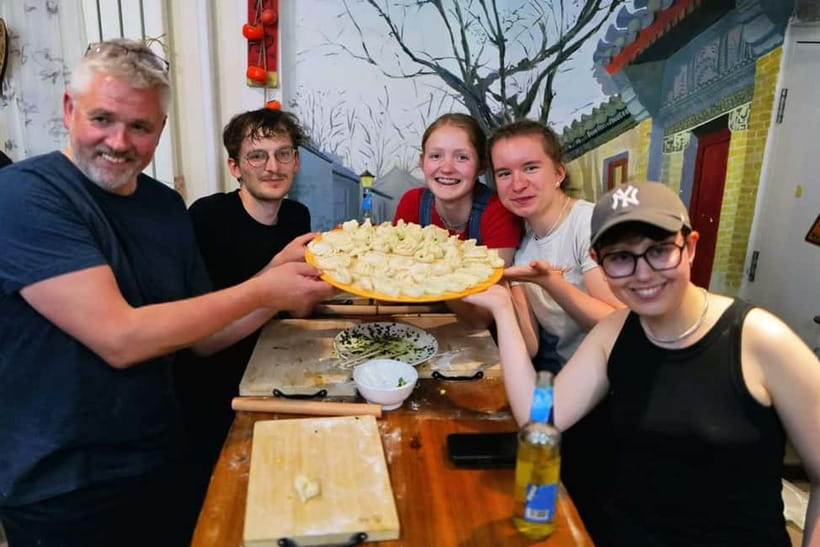
Beijing has plenty of food experiences, but this one has a special rhythm: it starts in the afternoon and lands you at a table with steaming food, tea, and time to talk. At 16:30 you roll up your sleeves, then spend the next 3 hours learning how dumplings move from dough and filling to finished pleats.
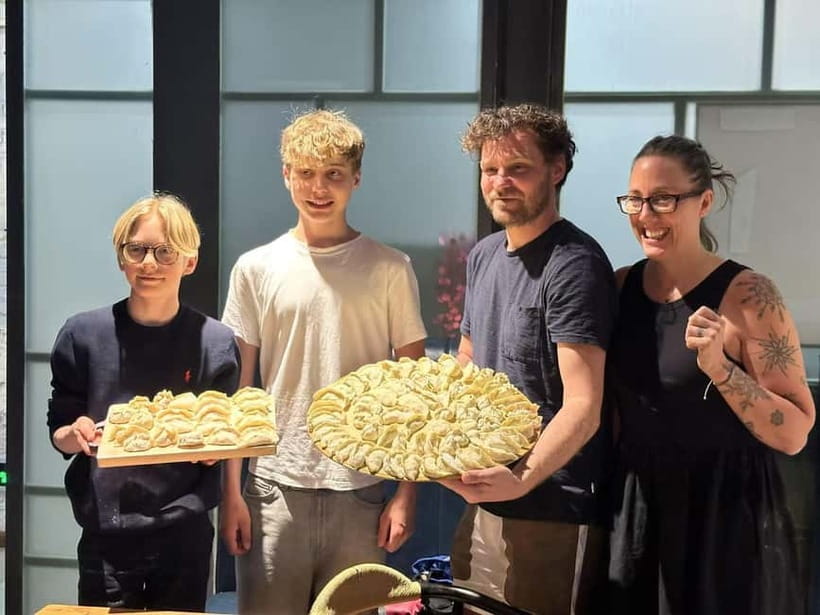
What I like about this format is that it’s not just instruction. You practice the part that matters—kneading, filling, shaping—then you eat what you made in a relaxed, communal setting.
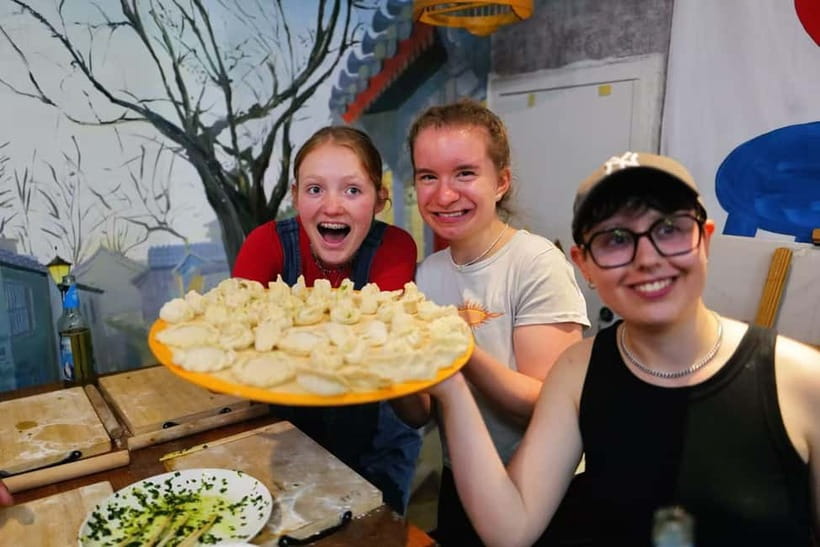
And yes, the vibe tends to be joyful. Multiple past sessions highlighted a friendly guide and a patient teaching style, with lots of laughs at the table while dumplings go from awkward first attempts to something you’re proud to pinch closed.
You can also read our reviews of more tours and experiences in Beijing.
Kneading, filling, and shaping: the real skill you take home
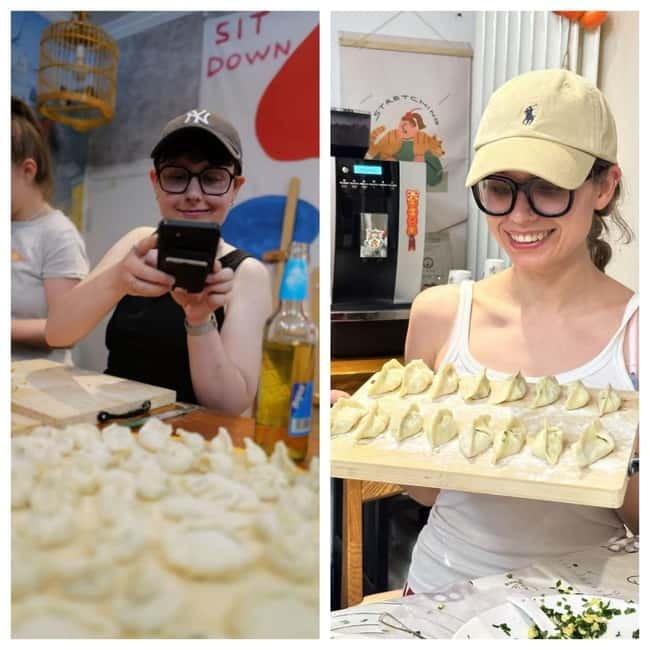
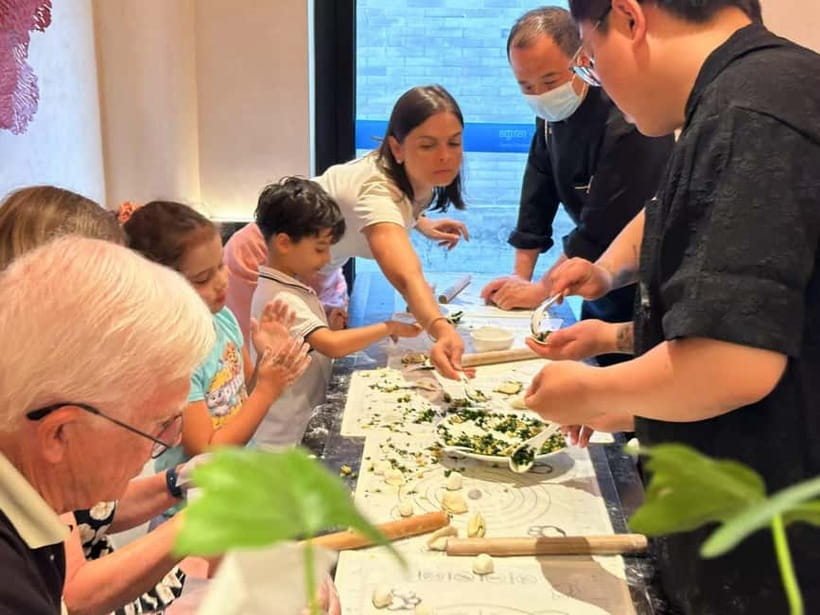
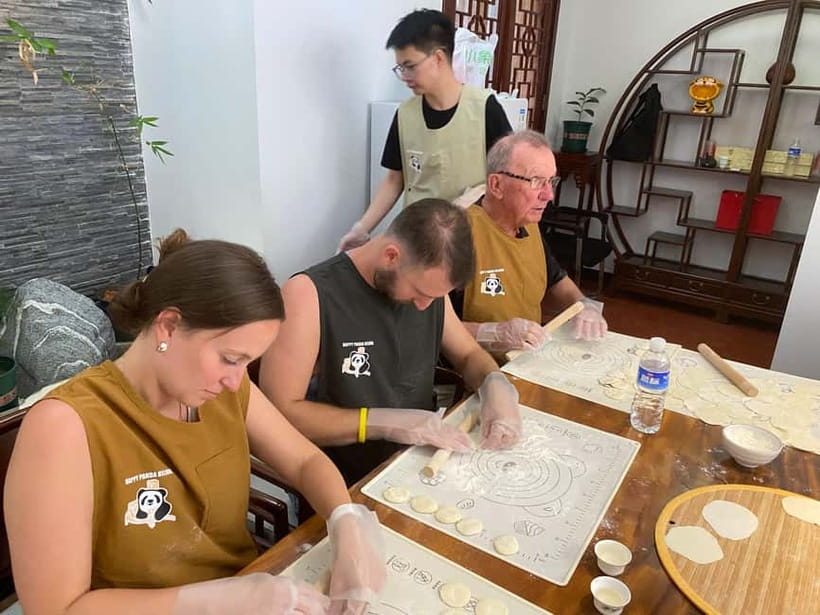
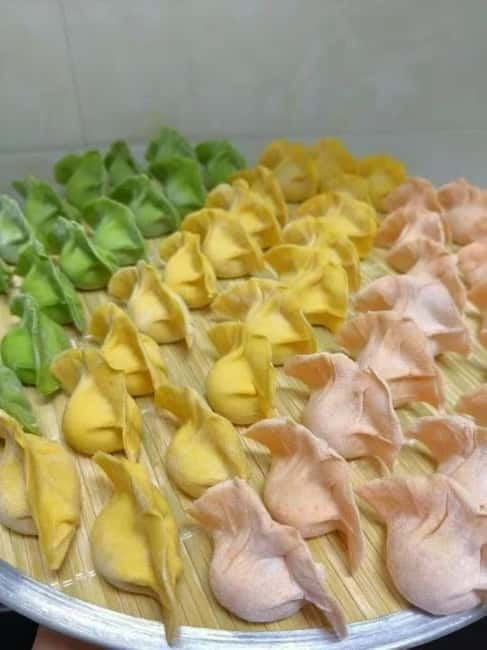
This workshop is designed around what you’d actually do at home, not a show. You’re taught how to handle the dough, make dumpling fillings, and shape dumplings using local technique. In other words: you’ll get your hands dirty, and you’ll learn the motion.
Here’s the practical takeaway for you: don’t aim for perfect dumplings on the first batch. Aim for understanding the process—how the dough feels when it’s ready, how much filling to use, and how to seal the edge so it cooks properly. That’s what makes the difference between dumplings that hold together and dumplings that open up like they’re protesting your pleats.
From past feedback, the teaching style is very methodical. People described it as clearly explained step by step, with instructors taking time to show how to hold the wrapper, add filling, and pinch in multiple ways. If you’ve never made dumplings before, that structure is the difference between a fun mess and total frustration.
Boiled or pan-fried: expect both styles on your plate
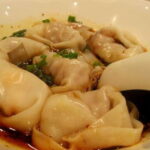
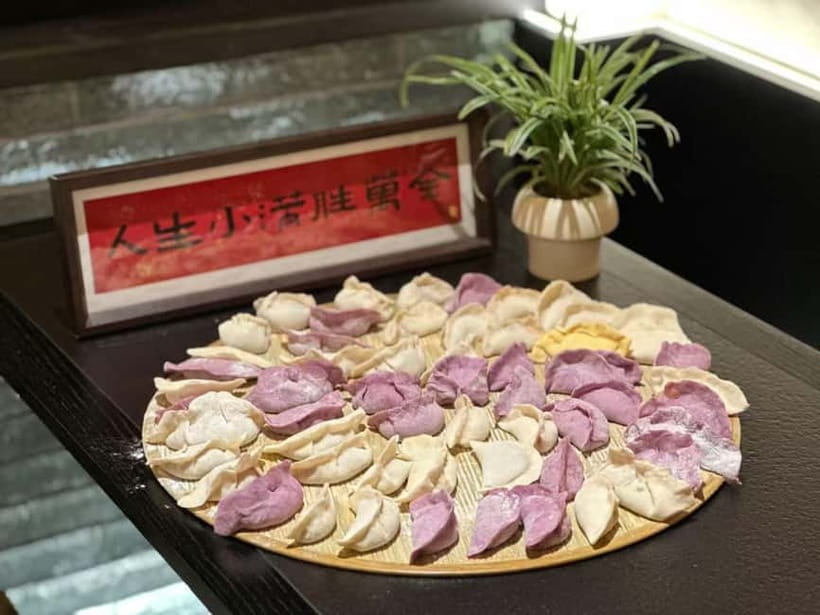
The experience description points to enjoying your dumplings cooked in different ways—think boiled for that soft, silky bite and pan-fried for crisp edges. Even if the exact cooking method depends on the class setup, the payoff is consistent: you taste the dumplings you shaped, not just watch them get cooked off-site.
You’ll also get the satisfaction of watching the results of your own hands. Dumplings are small, but they’re technical. When your pleats actually form a good shape, it changes the whole experience.
What dumplings mean in Chinese culture (and why that matters)
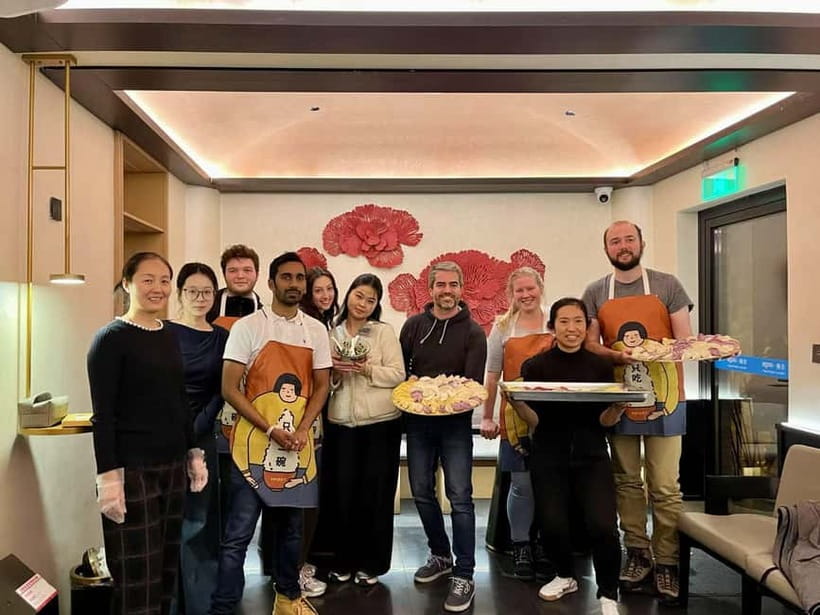
This class doesn’t stop at technique. You also learn the history and symbolism behind dumplings—especially how they connect with Lunar New Year traditions and regional variations. That sounds like “extra talking,” but it’s actually useful, because it explains why people care so much about the shape, the timing, and the filling choices.
For your trip, this context turns dumplings from a menu item into something you can recognize culturally. You’ll understand why they’re served at certain moments and why you’ll see variations across different parts of China. Even if you’re only in Beijing for a short time, you’ll walk away with better food intuition.
A nice bonus from past sessions: people found the cultural explanation easy to follow alongside the hands-on work. When someone pairs meaning with technique, it sticks.
The communal dinner: tea pairing, extra dishes, and beer
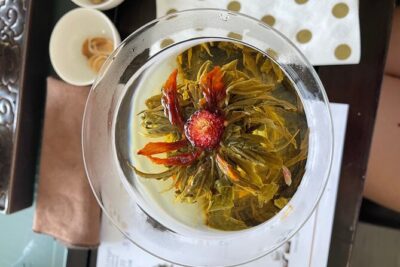
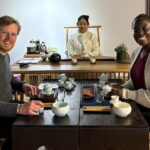
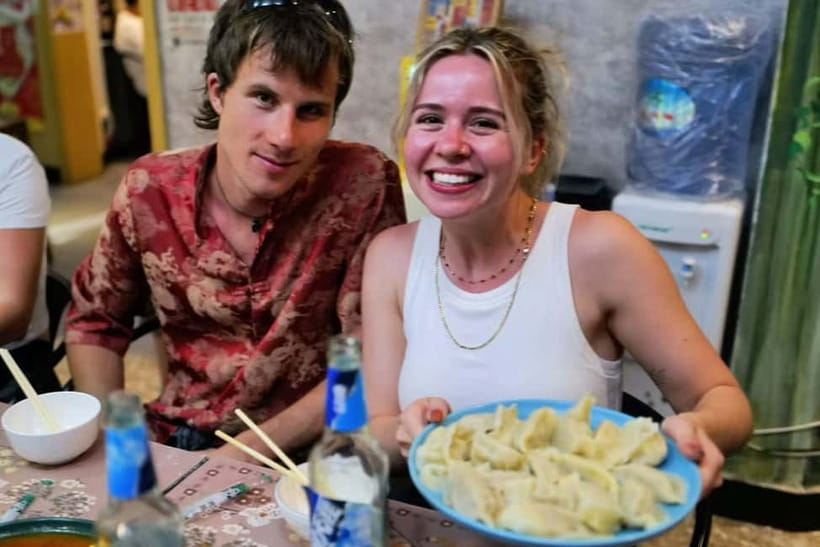
After cooking comes the part that’s hard to fake: eating. The meal is cozy and communal, and it’s paired with tea. Tea here isn’t just a drink to hold; it’s part of the flavor experience, helping cut through richness and making the whole meal feel more balanced.
Many past participants mentioned that the included dinner is more than just the dumplings you made. Examples shared in past classes include dishes such as Kung pow chicken, egg-tomato-cabbage style plates, and even breaded chicken nuggets. Some people also noted desserts and a mix of drinks like water and juice, plus beer.
So what should you expect, realistically? You should expect a satisfying spread. The exact menu can vary, but the pattern is consistent: your dumplings are the centerpiece, and the meal around them gives you a sense of a typical Chinese table rather than a single-course cooking lesson.
Why this meal format is good value
At $35 per person for a 3-hour class with ingredients, tea pairing, and an included meal (plus beer), this is strong value for the time you spend. You’re paying for instruction, practice, and food—rather than paying for a class where you’re still hungry afterward.
And because it’s shared dinner, you get more than eating. You get conversation. Several participants highlighted meeting other people and enjoying the group energy, which can be a big deal if you’re solo and want a built-in social moment.
The guide and teaching style: what you’re really paying for
The hands-on portion is the headline, but the guide is the engine. The workshop is led by an English-speaking instructor, and past sessions repeatedly praised the clarity and patience of the teaching.
Names that came up across different bookings include guides and hosts like Leo, Julie, Rachel, Jenny, Janine, Erik, Zoey, Heyang, Lan, and Harrison. That’s a good sign for you, because it suggests the experience is staffed with people who can both teach technique and keep the group comfortable.
If you learn best when someone talks you through exact actions, you’ll likely like this. People specifically mentioned step-by-step explanations, and also that the instructors took time to show how to shape dumplings and helped when someone’s pleats weren’t cooperating.
One practical tip: wear clothes you don’t mind getting a little messy. Flour gets everywhere when you’re practicing dough.
Meeting point and practical logistics that can trip you up
This activity is straightforward, but two details matter if you want a smooth start.
First, there is no hotel pickup or drop-off. You meet your guide at the hotel lobby, and the activity starts at 16:30. That means you need to be on time and already in the right area before the class begins. If you’re relying on someone else to get you there, it won’t happen here.
Second, plan around the length of the session: it’s 3 hours. You’re not doing this and then immediately sprinting to a late-night show. You’ll be fed, and you’ll likely want a calm window afterward.
Also note the basic rules: no smoking during the activity, and you’ll want comfortable clothes since you’re actively working with dough.
Who should book this dumpling making workshop
This class is a great choice if you want more than sightseeing food photos. You’ll enjoy it most if you like practical activities—hands-on learning, eating what you made, and picking up cultural context along the way.
It’s also ideal if you want a social meal moment with structure. The communal dinner style helps if you’re traveling with friends, as well as if you’re solo and want an easy way to talk to other people.
A note on food allergies
This experience is not suitable for people with food allergies, according to the activity information. If you’re managing an allergy, skip it and look for an option that specifically addresses your needs.
If you’re short on time
Three hours is manageable, but it’s still a time block. If you only have time for a quick meal, you may prefer a longer food tour instead. If you have a chunk of afternoon free, this is a strong way to spend it.
Should you book this Beijing dumpling making workshop?
I think you should book if you want a hands-on, culturally grounded food experience that ends with a real meal—tea included, and beer if you want it. The workshop focuses on the skills you can actually repeat at home: dough handling, filling, and shaping, then tasting the results cooked in different styles.
I would hesitate if you strongly need everything made entirely from scratch, or if you have food allergies. And since there’s no pickup, make sure you can confidently get to the meeting point before 16:30.
If those points work for you, this is one of the more satisfying “learn + eat” activities in Beijing. You’ll leave with better dumpling instincts, not just a full stomach.
FAQ
How long is the dumpling making workshop?
The class lasts 3 hours.
What time does it start in Beijing?
The activity starts at 16:30.
How much does it cost?
It costs $35 per person.
Where do I meet the guide, and is pickup included?
You meet your guide at the hotel lobby. Hotel pickup and drop-off are not included.
What’s included in the price?
The price includes the 3-hour dumpling-making class, all ingredients, tea pairing with the meal, plus other foods and beverages (including beer).
What language is the instruction in?
The instructor speaks English.
Do I need to bring anything?
Bring comfortable clothes, since you’ll be working with dough.
Is this class suitable for people with food allergies?
No. It is not suitable for people with food allergies.