REVIEW · ESSAOUIRA
Visit the Oasis & Tea at the basket maker.
Book on Viator →Operated by Ecotourisme et Randonnées · Bookable on Viator
A morning walk to Ain el Hajar turns Essaouira’s heat into something softer and greener fast. I love the way the route mixes working water and farming with a real cultural stop at a basket maker’s family tea. One thing to consider: this is a good-weather walk, and it helps to wear comfortable shoes for the paths.
What makes this experience feel different is the mix of views and everyday details. You start at a large argan tree, move through fields and gardens, then reach a viewpoint over the oasis fed by a spring. It ends with a traditional tea and a look at how rush is woven into baskets.
The price is fair for what you get, but it’s not a long ride with lots of stops. You’re signing up for about 4 hours of walking plus transport and tea, so it’s best if you like steady scenery and question-friendly guides.
In This Review
- Key highlights you’ll care about
- Ain el Hajar’s spring oasis: why it feels special
- Price and value: what $47.12 really buys
- Getting to the start: meeting point and timing that work
- Stop 1: Ain Lahjar and the big argan-tree start
- Walking through fields toward Sidi Bourahmoune
- Reaching the oasis viewpoint near the spring
- Tea stop at the basket maker’s family: the real cultural payoff
- Group size, comfort, and what to pack
- A note on guides: Naima’s kind, question-friendly style
- Who this experience is best for
- Should you book Oasis & Tea at the basket maker?
- FAQ
- What is the duration of the Oasis & Tea tour?
- How much does the tour cost per person?
- What is included in the price?
- Is bottled water included?
- Where does the tour start in Essaouira?
- What time does the tour start?
- How large is the group?
- Is the ticket mobile?
- What kind of weather is required?
- Are there refunds if I cancel?
Key highlights you’ll care about
- Small group size (max 12) keeps it personal, not rushed
- Argan tree start + oasis viewpoint gives you the big picture fast
- Saint Sidi Bourahmoune mausoleum adds cultural context to the walk
- Possible stone-mason millstone detail shows how olive oil extraction works on the ground
- Basket maker’s family tea is the cultural pay-off, not just a quick stop
- Private transportation included reduces the hassle from central Essaouira
Ain el Hajar’s spring oasis: why it feels special
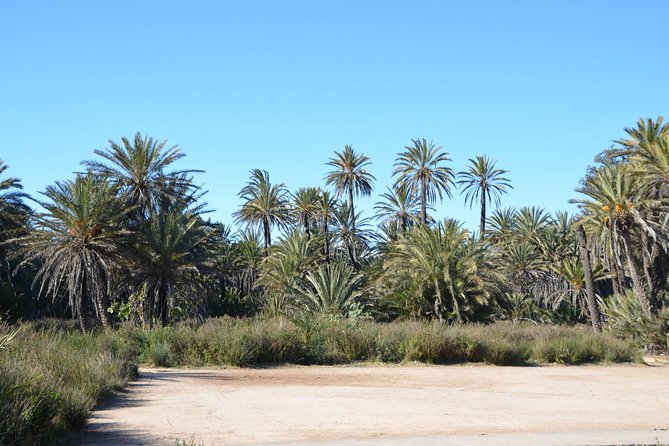
Ain el Hajar is an oasis built around a spring, the kind of water source that makes everything else possible. When the water reaches the region, you see forestry and market-gardening crops where you might not expect them. That’s the real theme of the walk: water, irrigation, and people working with the land.
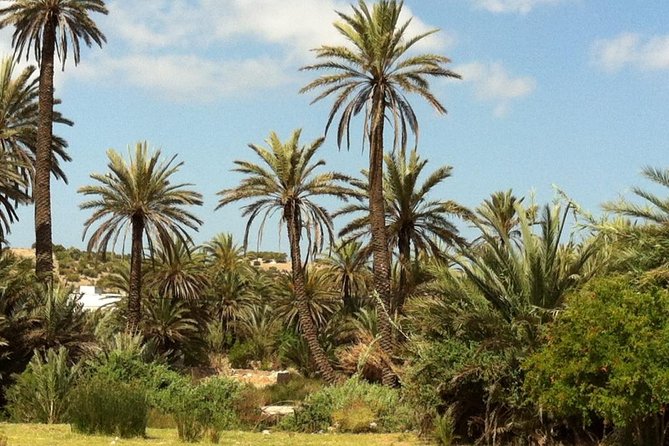
This oasis has also shifted over time. Palm trees were once common, then olives became more prominent, and irrigation systems were introduced to support market gardening. On the walk, that history doesn’t come at you as a lecture. It shows up in what grows, how fields are arranged, and what you notice along the path.
I especially like that the day doesn’t stop at photos. You get practical, grounded details, like the idea of millstones used for olive oil extraction. Even if you only spot the stone carving from a distance, it’s the kind of working detail that makes the place feel real.
You can also read our reviews of more tours and experiences in Essaouira.


Price and value: what $47.12 really buys
For about $47 per person, you’re paying for a half-day experience with a few important inclusions. You get private transportation, plus tea at the basket maker’s stop. That matters in Essaouira, because getting out to rural areas without a headache usually costs extra.
The structure also helps. The walk itself is timed to fit a typical morning, and you’re not expected to manage logistics like finding the right starting point or booking separate transport. With a max of 12 people, you’re also less likely to feel like you’re trapped in a big-group rhythm.
One small budgeting note: bottled water isn’t included. That’s common on walking tours, but it’s still worth planning ahead so you don’t feel stuck buying at an inconvenient moment.
Getting to the start: meeting point and timing that work
The tour meets at Labo Abdelkrim Khatabi d’Analyses Médicales, 287 Rue Oued El Makhazine in Essaouira, with a start time of 9:00 am. The end goes back to that same meeting point, so you don’t need to figure out a separate return.
The duration is listed as about 4 hours, which usually means you’ll ride out, walk part of the oasis area, stop for tea, and return without dragging the day into the afternoon. This is ideal if you want to add something authentic but still keep the rest of your day open for Essaouira’s medina, seafood, or a relaxed beach walk.
You’ll also use a mobile ticket, which keeps things simple on your phone. Bring it up at check-in, keep it handy, and you’re done.
Stop 1: Ain Lahjar and the big argan-tree start
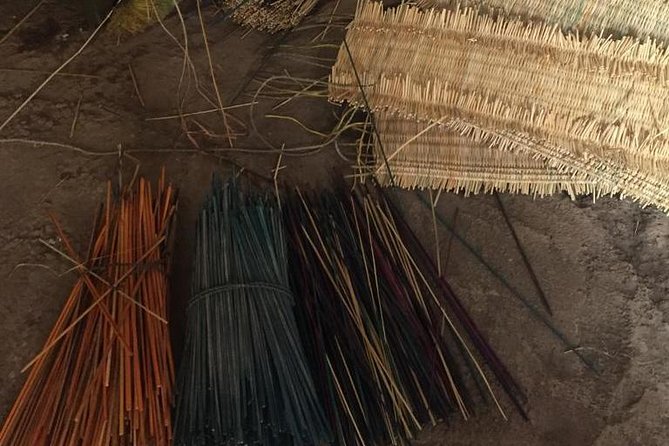
The walk begins at an allegedly very large argan tree in the region. That matters because argan trees aren’t just scenery here. They’re tied to local livelihoods, and they help set the tone for the rest of the morning.
From there, you’ll head through fields and gardens. This isn’t a straight line through a single sight. The route gives you a sense of how the oasis is shaped—edges of cultivated plots, irrigation cues, and the way greenery concentrates around water.
What I like about this start is pacing. It’s long enough to get moving and settle in, but it doesn’t feel like a fitness test. If your goal is a nature-and-culture walk that stays friendly, this is the right kind of opening.
The tour includes admission for this phase, and you’ll spend about 2 hours on this section. That usually covers the main walk elements before the later viewpoint and cultural stops.
Walking through fields toward Sidi Bourahmoune
After the argan area, you continue toward the mausoleum of Saint Sidi Bourahmoune. This is a key cultural moment in the route, because it turns the walk from “nice scenery” into “a place with meaning.”
You’ll see the path shift from fields and garden edges toward a more spiritual landmark setting. The mausoleum stands as a reference point, so even if you’re not religious yourself, you can understand why locals would treat this area with respect.
This part of the walk is also useful for learning how people navigate the oasis. You’re not just walking “in nature.” You’re moving through a lived-in agricultural system where landmarks matter.
I’d recommend going in with curiosity. Ask your guide what you should notice in the irrigation areas and how olives replaced palms over time. Even basic questions can turn the walk from passive sightseeing into a better understanding of how this region works.
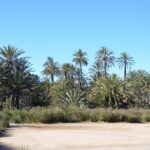
Reaching the oasis viewpoint near the spring
Soon you’ll reach a vantage point with a stunning view over the oasis, stretching right up to the spring. This is the moment where the whole day clicks into place. If you’ve been noticing water and cultivation clues along the way, this view ties them together.
The spring is the engine of the oasis, and the viewpoint helps you understand the scale. From a distance, it’s easier to see how farming patterns and forestry resources cluster where water is available.
Along the way, you might also spot a stone mason carving stones used as millstones for olive oil extraction. Even if it’s only a brief look, it’s a practical detail that makes local food production feel tangible rather than abstract.
I like viewpoints that explain more than just scenery. This one gives you a “why it’s here” perspective, which is what makes the earlier walking feel worthwhile instead of like a random stroll.
Tea stop at the basket maker’s family: the real cultural payoff
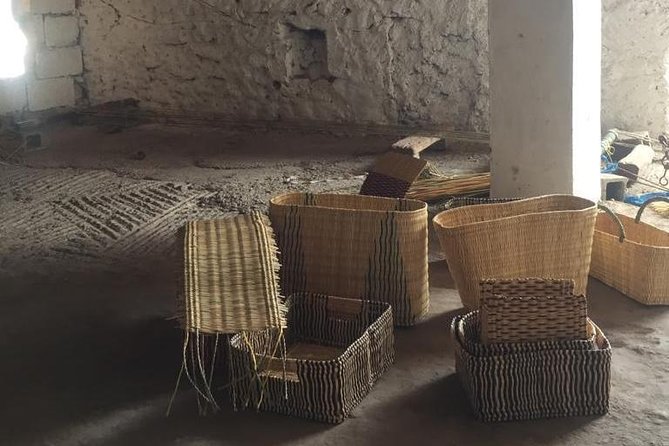
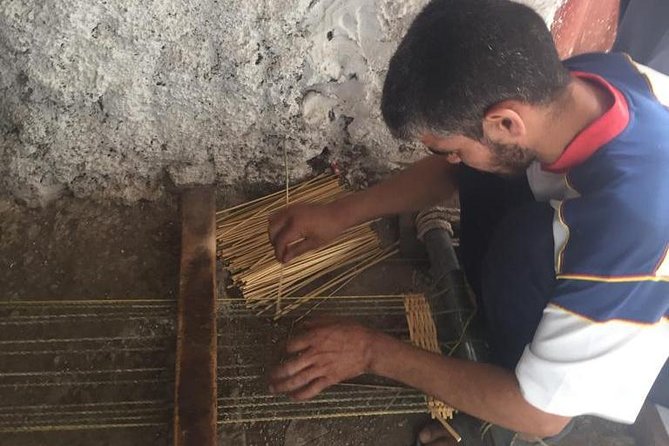
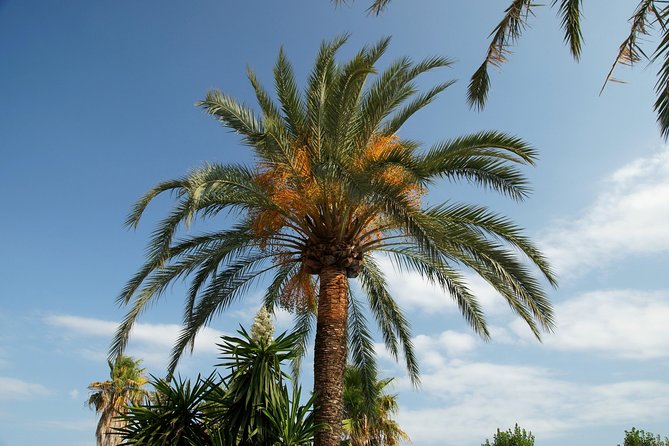
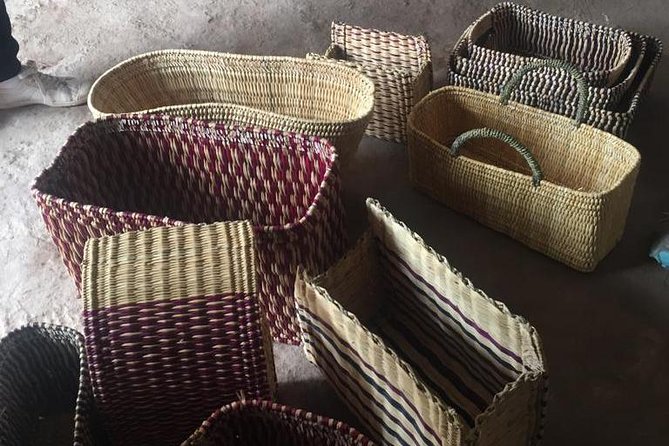
By the end of the morning, you’ll pass by a basket maker and see how he weaves with rush. This isn’t presented as a performance. It’s tied to daily craft, and it connects the day’s themes—local materials, local skills, local use.
This is also a family business. That matters because craft tourism can sometimes feel staged. Here, the emphasis is on how the work is done and how families keep skills alive across generations.
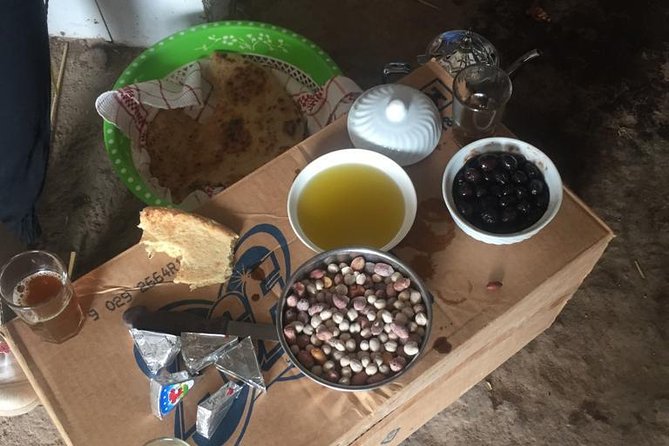
Then comes the traditional tea. At this stop, you’ll be served tea in the manner of Moroccan hospitality, which is one of the best parts of the experience. You get a chance to slow down, ask questions, and switch from walking mode to conversation mode.
If your day in Essaouira includes a lot of walking in the medina, this tea stop is a nice balance. It’s calmer, more rural, and it gives you a break from busy streets without turning into a sit-down restaurant experience.
Group size, comfort, and what to pack
With a maximum of 12 travelers, you can expect more personal attention than large bus-style tours. That helps if you like asking questions about irrigation, agriculture changes, or what argan and olives mean locally.
For comfort, focus on the basics:
- Comfortable walking shoes (the paths can be uneven)
- Sun protection (it’s an outdoor walk)
- Bring what you’ll need for water, since bottled water isn’t included
Service animals are allowed, and the tour is marked as suitable for most people. If you have a mobility concern, it’s still smart to choose comfortable footwear and be ready for a steady rural walk.
Also note the weather requirement. This experience needs good weather. If conditions aren’t ideal, you’ll be offered a different date or a full refund.
A note on guides: Naima’s kind, question-friendly style
One guide named in the experience description is Naima, and she has strong feedback for being kind and for explaining things clearly. That kind of guiding style matters on this tour because the best parts are the details: the oasis system, the mausoleum context, and the craft at the end.
If you book and you’re the type who likes to learn, you’ll likely enjoy asking Naima what to watch for as you walk, and what the different farming clues mean.
Who this experience is best for
This tour suits you if you want an authentic morning outside Essaouira’s busiest zones. It’s a good fit if you like agriculture, small crafts, and cultural stops that don’t feel like a checklist.
It’s also a nice choice for families or mixed-age groups who want something gentle but meaningful, not just a long city tour. You get a structured route with clear turning points: argan tree, mausoleum, viewpoint by the spring, and tea at the basket maker.
If you’re looking for a heavy hiking day with lots of elevation or a long nature trek, this may not be the best match. This one is more about the oasis experience and local craft than about distance or difficulty.
Should you book Oasis & Tea at the basket maker?
I think this is a smart booking if you want one well-run cultural nature morning in the Essaouira area. The value feels right because private transport, guided walking, and tea are included, and the day has real structure instead of a loose “wander and hope.”
Book it if you’ll enjoy:
- seeing how water supports farming in the region
- learning about argan and olives in a practical way
- finishing with tea and a craft demonstration in a family setting
Skip it if you dislike walking in rural areas or if your schedule can’t handle a possible weather-based date change. Since good weather is required, it helps to keep your other plans flexible.
If your goal is a morning you’ll remember for its calm pace and real local texture, this one deserves a spot on your list.
FAQ
What is the duration of the Oasis & Tea tour?
It lasts about 4 hours approximately.
How much does the tour cost per person?
The price is $47.12 per person.
What is included in the price?
Private transportation is included, and you also get tea at the basket maker stop and transport as part of that segment.
Is bottled water included?
No, bottled water is not included.
Where does the tour start in Essaouira?
The meeting point is Labo Abdelkrim Khatabi d’Analyses Médicales, 287 Rue Oued El Makhazine, Essaouira 44000, Morocco.
What time does the tour start?
It starts at 9:00 am.
How large is the group?
The tour has a maximum of 12 travelers.
Is the ticket mobile?
Yes, it’s listed as a mobile ticket.
What kind of weather is required?
It requires good weather. If it’s canceled due to poor weather, you’ll be offered a different date or a full refund.
Are there refunds if I cancel?
Cancellation is free. You can cancel up to 24 hours in advance for a full refund, based on local time.