REVIEW · TOKYO
Experience all of Japanese culture and Japanese food experience classes “origami, udon, Japanese food, green tea, calligraphy” in 4 hours
Book on Viator →Operated by homecoming TAKA,Tokyo · Bookable on Viator
A Japanese day inside someone’s home. This 4-hour Omori experience mixes hands-on origami, scratch-made udon, and a full lunch of sushi and tempura, then finishes with matcha and calligraphy.
I love how the pacing keeps you doing real things, not just watching. I also like that the drinks are included, with sake, beer, shochu, and soft drinks.
One thing to consider: you’re walking about 8 minutes to the house through quiet residential streets, and the schedule is packed—so wear comfortable shoes and expect a busy, hands-on morning-to-afternoon.
In This Review
- What Makes This 4-Hour Homecoming TAKA Experience Work So Well
- Getting to Homecoming TAKA: Omori’s Quiet Streets and a Simple Start
- Origami to Udon Noodles: The Hands-On Part Isn’t a Token Gesture
- Sushi, Gyoza, and Tempura Lunch: Real Japanese Cooking, Not an Assembly-Line Meal
- Matcha Making and Japanese Sweets: How the Evening Part Feels Like a Local Ritual
- Calligraphy on Colored Paper: Your Name as the Keepsake
- Price and Value: Why $92.50 Often Feels Like More Than a Class
- Who This Japanese Culture and Food at Home Class Fits Best
- Should You Book Homecoming TAKA’s 4-Hour Culture and Food Experience?
- FAQ
- Where does this experience start?
- How long is the experience?
- What’s included in the price?
- Is it private or shared with strangers?
- Can vegetarians or vegans eat during the class?
- Is transportation included?
What Makes This 4-Hour Homecoming TAKA Experience Work So Well
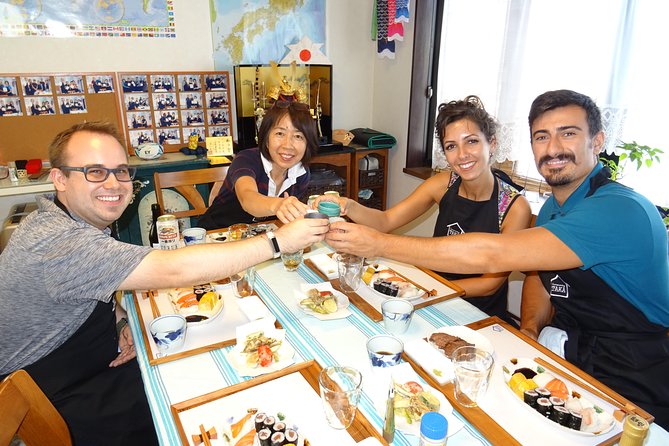
- You cook and craft, start to finish: origami crane, udon noodles, sushi/gyoza, and calligraphy.
- Fresh food with actual technique: you work through ingredients to completion, then you eat what you make.
- Free drinks keep the mood social: sake, beer, shochu, and soft drinks are included.
- Matcha and sweets are a real closing ritual: you make matcha and taste it with Japanese sweets.
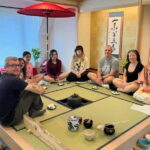
- It’s private and family-style: only your group participates, with hosts treating you like part of the day.
Getting to Homecoming TAKA: Omori’s Quiet Streets and a Simple Start
You start at the central exit of JR Omori Station at 10:30 am. Look for a bag with the homecoming TAKA logo, and then you’ll walk around 8 minutes to the hosts’ home. Along the way, you’ll pass a shrine and head through a calmer residential area, which is a nice change from the usual rush of central Tokyo.
This start matters because it sets the tone: you’re not just doing a workshop in a classroom. You’re moving through everyday neighborhood Tokyo, then stepping into a real kitchen and dining space.
Also, you’ll get a mobile ticket, which makes day-of logistics feel light. And since this is a private activity, you’re not fighting for time at a shared station with a crowd.
You can also read our reviews of more tours and experiences in Tokyo.

Origami to Udon Noodles: The Hands-On Part Isn’t a Token Gesture
The program flows in a very logical order: origami first, then udon noodles, then the food cooking, then tea, sweets, and a keepsake. That sequence helps you “warm up” with Japanese culture before you get busy with cooking.
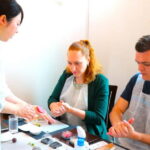
Origami comes first: you fold a classic paper crane. It’s short, simple, and symbolic, but it also gets your hands working and helps you slow down for the rest of the day. If you’ve ever felt intimidated by “craft” activities while traveling, this is a friendly entry point.
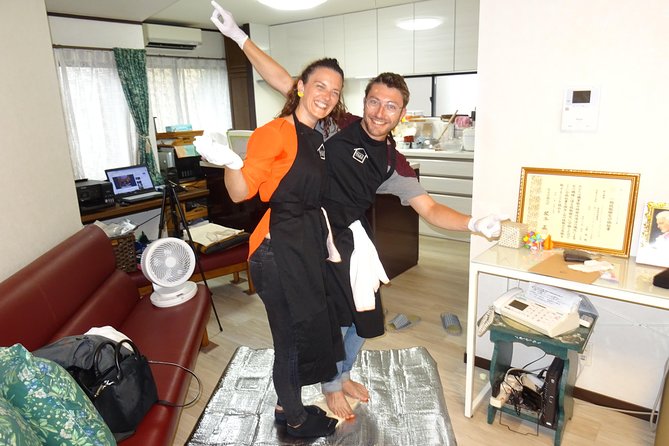
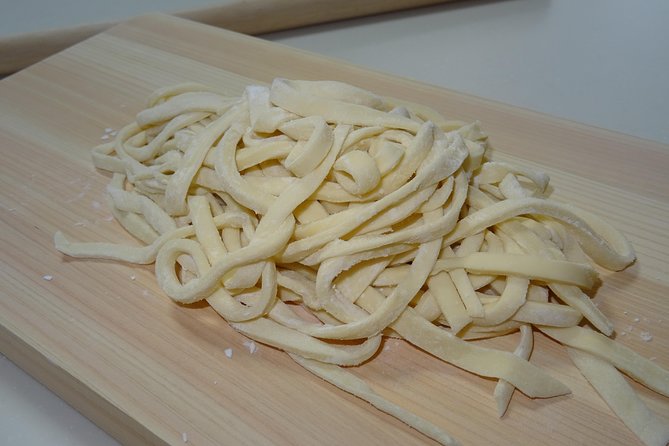
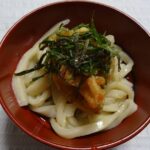
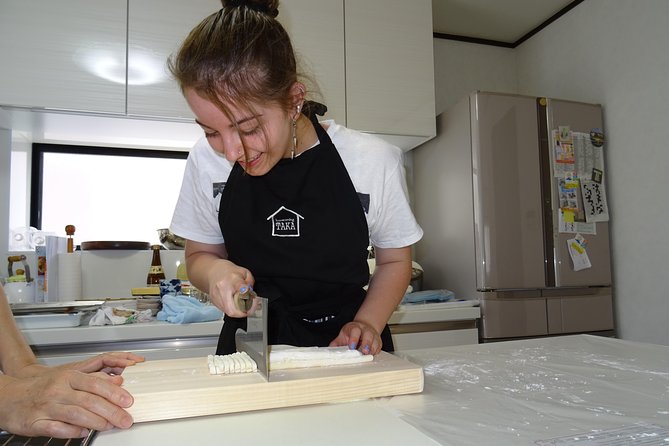
Then comes the udon part. You’ll make noodles from scratch, and you even step on the material. That detail might sound odd until you picture it: it’s one of those traditional techniques that makes the process physical, communal, and memorable. You get to see and feel how dough changes with handling, not just how it looks on a plate later.
Practical note: this is the best time to commit to the process. Don’t think of it as “just the first activity.” Udon-making sets you up to understand why Japanese noodle texture matters once you’re tasting later.
Sushi, Gyoza, and Tempura Lunch: Real Japanese Cooking, Not an Assembly-Line Meal
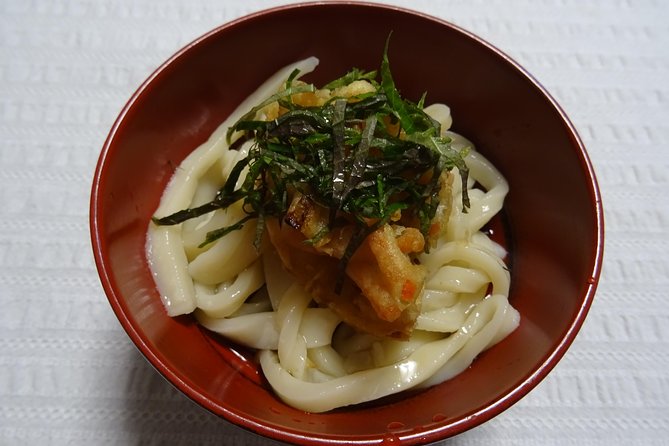
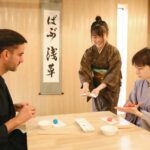
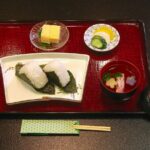
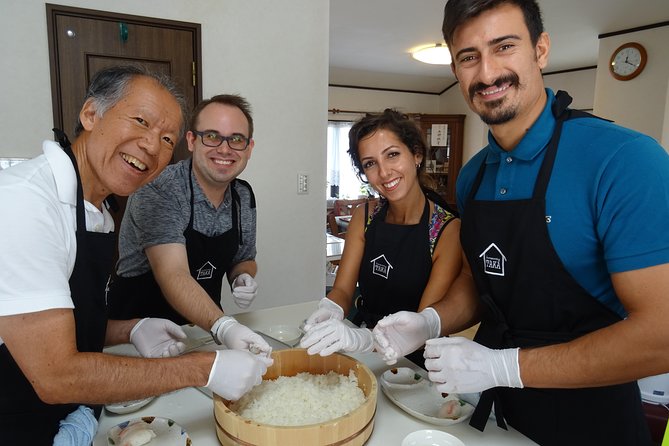
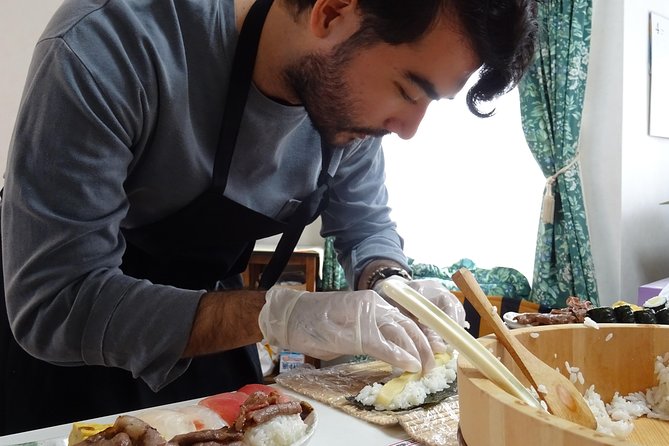
Lunch is the main event. You’ll work together on sushi and gyoza, with the hosts explaining and guiding as you go. In addition to the main menu, the wife serves Japanese small plates, so you get variety alongside what you made.
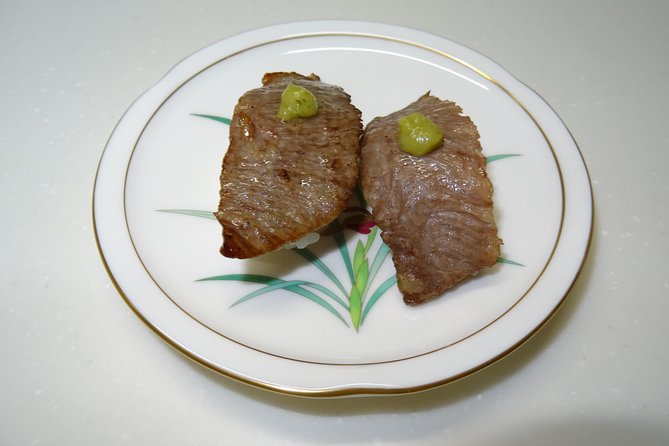
You should expect a proper home-cooked spread: sushi, gyoza, and tempura show up as part of the experience. The key value here is that you’re not just eating. You’re participating in how Japanese flavors and textures are built—rice, fillings, folding/portioning, and frying techniques that require attention.
The drinks included with lunch help too. You can have sake, beer, shochu, and soft drinks for free. This is one of those setups where the table becomes social, and you naturally end up chatting with the hosts while you cook and eat.
One more thoughtful detail: they say materials are made in Japan. That matters for flavor and consistency, but it also signals something bigger—this isn’t a generic “tour food” setup. It’s kitchen teaching with Japanese sourcing.
Vegetarians and vegans can also enjoy the dishes with different ingredients. So if your diet has constraints, you’re not automatically shut out of the experience.
Matcha Making and Japanese Sweets: How the Evening Part Feels Like a Local Ritual
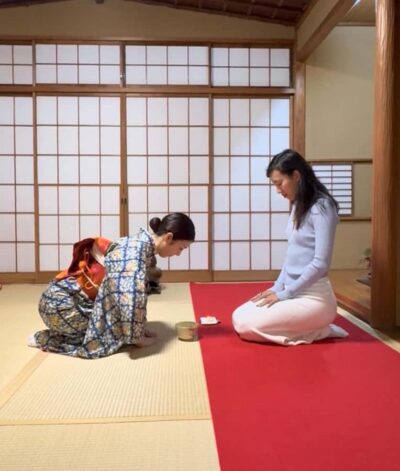
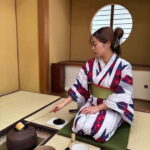
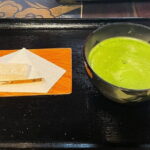
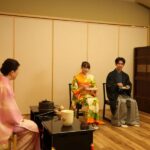
After your meal, you get to the matcha portion. You make matcha together and then taste it with local Japanese sweets. This isn’t just “drink tea.” It’s the ritual finish—slow, quiet-ish, and focused compared to the earlier cooking push.
Matcha is one of the easiest ways to understand Japanese taste culture because it connects directly to ingredients and preparation. When you make it yourself, you notice the differences more than you would if it arrived already prepared.
Pairing it with Japanese sweets adds context. You don’t just taste bitterness and sweetness—you experience how the flavors are meant to balance, which is a big part of how matcha fits into daily Japanese life.
If you like food experiences where you leave with something more than a full stomach—this is the piece that tends to linger.
Calligraphy on Colored Paper: Your Name as the Keepsake
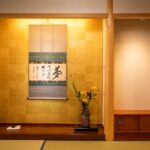
The final activity is calligraphy. Keiko writes your name in calligraphy on a colored paper souvenir, and you take it home. This is the moment that turns the class into a memory you can hold.
Calligraphy works because it’s personal. Even if you never plan to write calligraphy again, the idea of your own name being shaped into brush strokes gives the day a lasting marker. It’s also a reminder that Japanese culture isn’t only about eating—it includes art, patience, and form.
From a practical standpoint, colored paper is easy to pack, easy to show later, and it doesn’t require you to buy anything extra at a shop. You end with a tangible result from the session.

Price and Value: Why $92.50 Often Feels Like More Than a Class
At $92.50 per person for about 4 hours, this is priced like a premium food-and-culture experience. But the value comes from how much you do and how much you get to eat.
You’re paying for multiple components in one session:
- hands-on origami
- udon noodles made from scratch (including traditional handling)
- cooking and eating sushi and gyoza
- experiencing tempura as part of the food spread
- matcha preparation plus Japanese sweets
- a calligraphy souvenir with your name
- and free drinks (sake, beer, shochu, soft drinks)
That’s a lot of “activity per hour,” which is what keeps this from feeling like a pricey show-and-tell. Also, you’re in a private home setup, which usually costs more than a group workshop because you’re getting individualized attention and shared table time.
The only drawback in the value equation is that it’s not designed like a sightseeing bus tour. If you want Tokyo views all day, this is more about culture through the everyday: cooking, tea, art, and conversation.
Who This Japanese Culture and Food at Home Class Fits Best
This experience is ideal if you want an authentic Tokyo moment that feels personal. It suits couples, solo travelers, and families (the program is structured and interactive, and the hosts are described as very welcoming).
If you:
- like food with hands-on cooking,
- enjoy short craft activities like origami and calligraphy,
- want matcha and sweets as a cultural finish,
- and don’t mind a schedule that runs full and fast,
…then you’ll probably love the format.
It’s also a great choice for travelers who feel tired of only food markets and restaurant meals. Here you learn technique, eat what you make, and walk away with a souvenir tied to your own name.
Should You Book Homecoming TAKA’s 4-Hour Culture and Food Experience?
If you’re trying to pick one “Japan at home” style class in Tokyo, I’d say this is a strong bet—especially because it stacks multiple craft-and-food activities into one 4-hour block. The free drinks and the full lunch spread make it feel like more than a lesson; it feels like being fed and taught at the same time.
Book it if you want:
- hands-on cooking (udon, sushi/gyoza, tempura)
- matcha plus sweets
- a calligraphy keepsake
- a private group experience
Skip it if you prefer lots of sightseeing, or if you really dislike interactive cooking environments in someone’s home kitchen. Otherwise, plan for comfortable shoes, come ready to work with your hands, and enjoy the part that most people remember: the warm, conversational home setting with Taka and Keiko.
FAQ
Where does this experience start?
It starts at 1 Chome-6 Omorikita, Ota City, Tokyo 143-0016, Japan, with the meeting at the central exit of JR Omori Station at 10:30 am.
How long is the experience?
It runs for about 4 hours.
What’s included in the price?
Lunch is included, along with free drinks such as sake, beer, shochu, and soft drinks. You also get an apron, the origami activity, and a calligraphy souvenir with your name on colored paper.
Is it private or shared with strangers?
It’s a private tour/activity, so only your group participates.
Can vegetarians or vegans eat during the class?
Yes. Vegetarians and vegans can enjoy all dishes with different ingredients.
Is transportation included?
No transfer is included. The listing notes the tour is near public transportation, and you’ll walk about 8 minutes to the home.