REVIEW · TOKYO
【NEW】Shibuya Tea Ceremony Tokyo-Chaan
Book on GetYourGuide →Operated by The Osaka&Tokyo · Bookable on GetYourGuide
Matcha in Shibuya feels strangely calm. I like the kimono-clad instructors who guide you in clear English, and I really like that you get hands-on matcha time with traditional tools. One thing to consider: children under 4 can’t participate.
This is a short, focused class built for first-timers who want the feel of a real tea room without getting lost in Japanese-only instructions. You sit in a peaceful tatami room, watch an otemae-style demonstration, learn the basic manners, and then make and taste your own bowl. From the reviews, you may even hear names like Sakura sensei and Kini during the class, which makes it feel personal rather than scripted.
At $18 per person, it’s not a budget show, but it is a value setup: you get the entrance, matcha, and confections included, plus an English-speaking guide with 10+ years of tea experience. If you’re expecting a loud, busy attraction, this won’t be that. Plan for calm and attention.
In This Review
- Key things to know before you book
- Where Shibuya Tea Ceremony Tokyo-Chaan happens (Manji Building, 2F)
- Welcome and the basics of tea ceremony manners
- Watching otemae: what the demonstration teaches you
- Making matcha yourself with traditional tools
- Tasting seasonal sweets with your matcha
- Price and value: what you get for $18
- What this experience is best for (and who may want to skip it)
- Practical considerations: age rules and planning your visit
- Should you book Shibuya Tea Ceremony Tokyo-Chaan?
- FAQ
- Do children under 4 years old need to be included?
- Do children 4 and above need their own ticket?
- Is this tea ceremony taught in English?
- What do you do during the class?
- Is there a hands-on matcha making portion?
- What is included in the $18 price?
- Where do I meet for the experience?
- Where does the experience end?
- Can I pay later?
- What is the cancellation window for a full refund?
Key things to know before you book
- English-led tea ceremony with long-time instructors (each guide has 10+ years of experience)
- Otemae demonstration plus basic etiquette so you know what you’re seeing
- Hands-on matcha making using authentic tea tools, not just watching
- Tatami-room setting that keeps the experience quiet and grounded
- Seasonal sweets pairing designed to match the matcha taste
- Clear age rules: under 4 not allowed, and children 4+ need their own ticket
Where Shibuya Tea Ceremony Tokyo-Chaan happens (Manji Building, 2F)
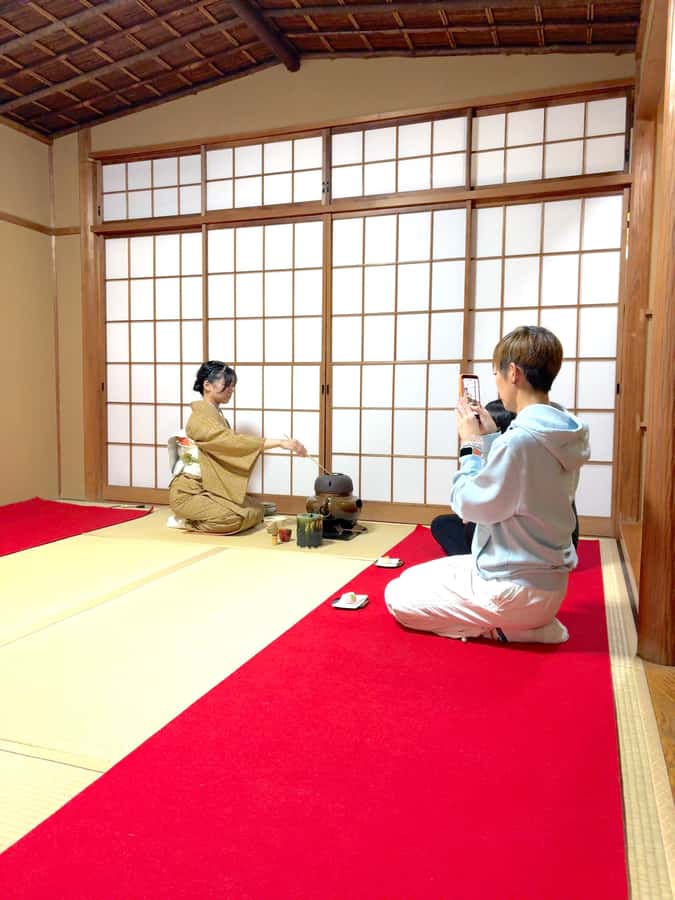
This tea ceremony takes place in Shibuya, inside a traditional indoor setting. Your meeting point is on the 2nd floor of the Manji Building at 1-15-9 Dogenzaka, Shibuya-ku, Tokyo 150-0043. The address is specific, so arrive with enough time to find the building entrance and get upstairs before the class starts.
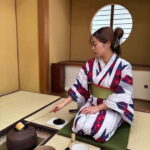
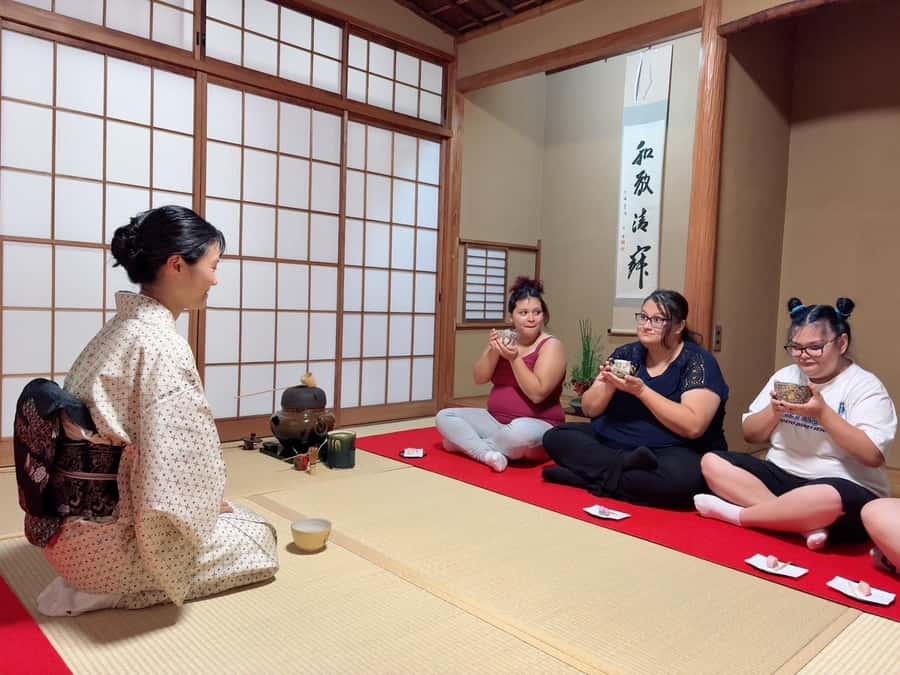
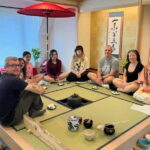
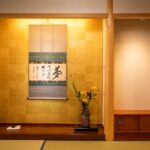
Once you’re in, the pace changes fast. You’re not walking through a gallery of objects or chasing photo spots. You’re settling into a tatami room where the focus is on one thing: tea, tools, and manners. That format matters because it turns a crowded neighborhood like Shibuya into a quieter bubble for a short time.
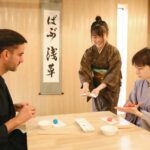
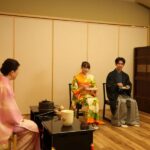
What I also like is the teaching setup. Instructors wear traditional kimono and speak English, so you can follow the meaning behind the ceremony instead of just memorizing hand motions. In reviews tied to this experience, Sakura sensei and Kini show up as guiding names, which suggests consistent, real instruction rather than a rotating cast.
You can also read our reviews of more tours and experiences in Tokyo.
Welcome and the basics of tea ceremony manners
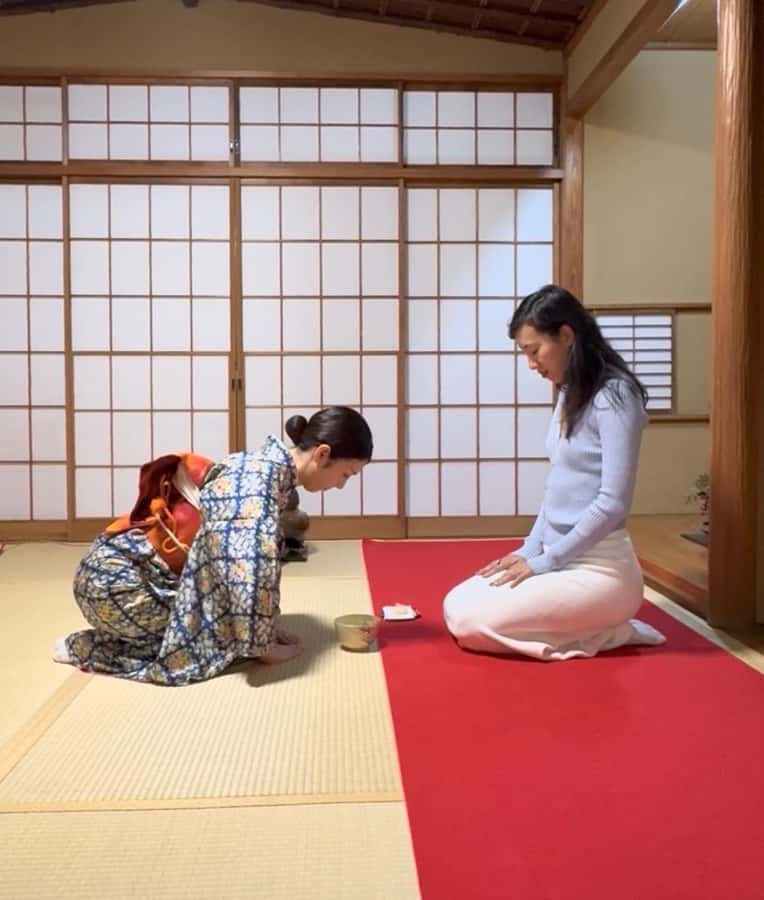
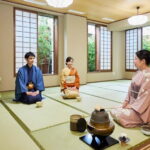
The class starts with a warm welcome in the traditional Japanese room. Then you get an explanation of what the tea ceremony is and where it comes from, including the meaning behind the steps and the etiquette around serving tea. Even if you’ve never sat through a ceremony before, you’ll understand the logic: this is a ritual with structure, not a vague performance.
This is one reason I think this workshop works for visitors. You’re given context up front, so when you see the tools and movements later, they click. You also get guidance on basic manners and how tea is served. That makes your participation feel respectful, not like you’re just copying a trick.
The instructors are the key here. The information you get is delivered by Japanese instructors with fluent English and 10+ years of tea ceremony experience. That shows in how clearly they can explain what matters and what doesn’t, especially for people who have only seen matcha in cafés.
Watching otemae: what the demonstration teaches you
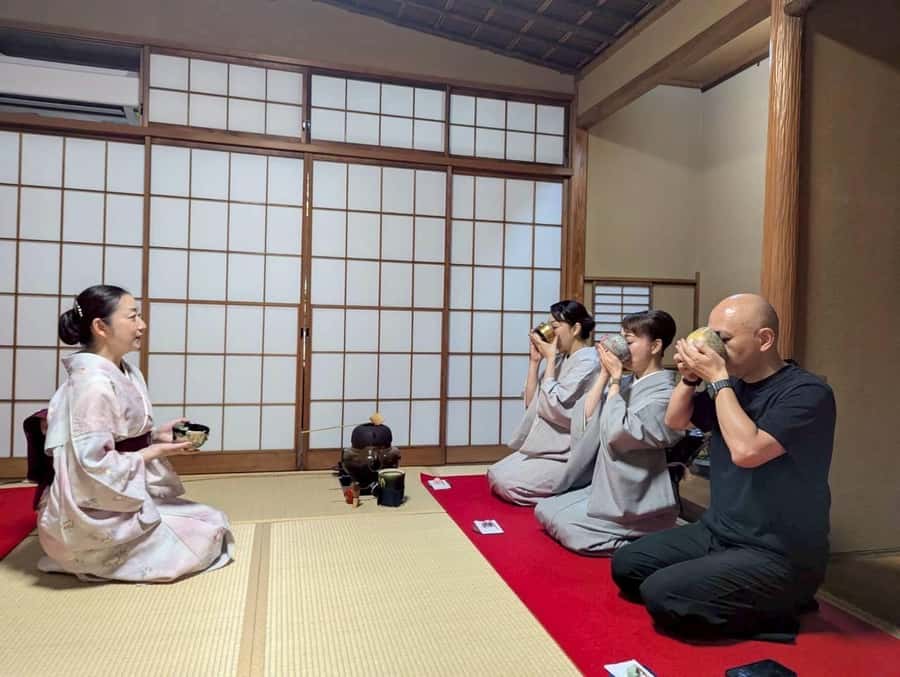
Next comes the live demonstration. This is where the ceremony shows its structure in real time. The instructor demonstrates how to use the tea tools and walks you through the basics of the serving etiquette you’ll be expected to follow during your own turn.
For first-timers, the otemae portion is more valuable than it sounds. You’re not only watching the motions. You’re learning how the tools fit together and what each step is meant to do. If you skip this part and only do the hands-on portion, you usually end up with a bowl that looks right but tastes off, because you missed what the ceremony is trying to accomplish.
Also, it helps set your mindset. Tea ceremony is slow by design. The demonstration puts you into that tempo before you start making matcha yourself. In a fast city, that reset is part of the value.
Making matcha yourself with traditional tools
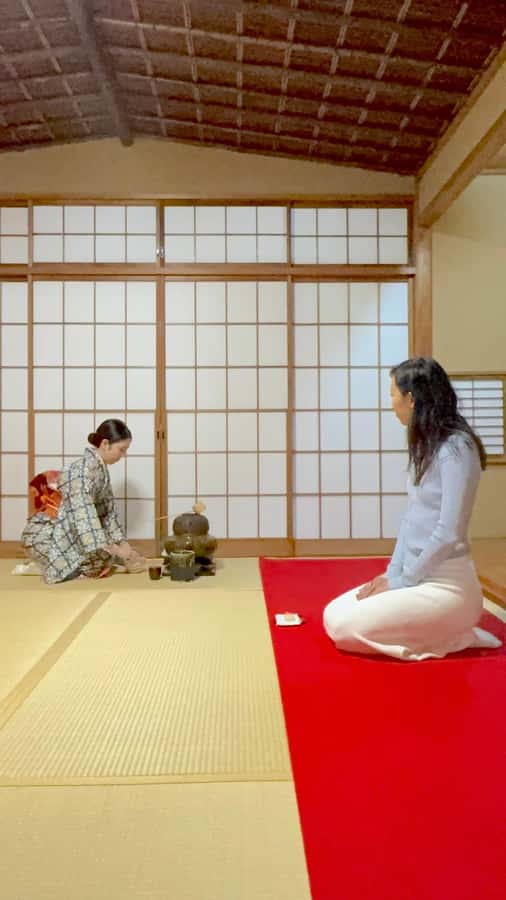
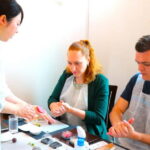
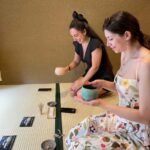
After the demonstration, it’s your turn. You make matcha using traditional utensils with freshly ground matcha powder. You prepare your own bowl of matcha, which is the moment where the experience stops being educational and becomes personal.
This is where the class earns its reputation. Watching matcha being made is interesting, but making it is different. You’ll feel how the tools and process affect the outcome, and you’ll get a better sense of why matcha is treated as something you take time with, not a quick add-on to a meal.
The experience includes the matcha powder and the necessary tea tools for you to use in the class. That’s important for planning, because it means you don’t need to bring equipment or worry about sourcing quality powder beforehand. The whole point is that you learn the method in the right setting, with the right items.
If you’re sensitive to strong flavors, pace yourself during your tasting later, since freshly made matcha can taste bold. But the instructor-led setup helps you understand what you’re tasting, so the flavor becomes part of the learning instead of a surprise.
Tasting seasonal sweets with your matcha
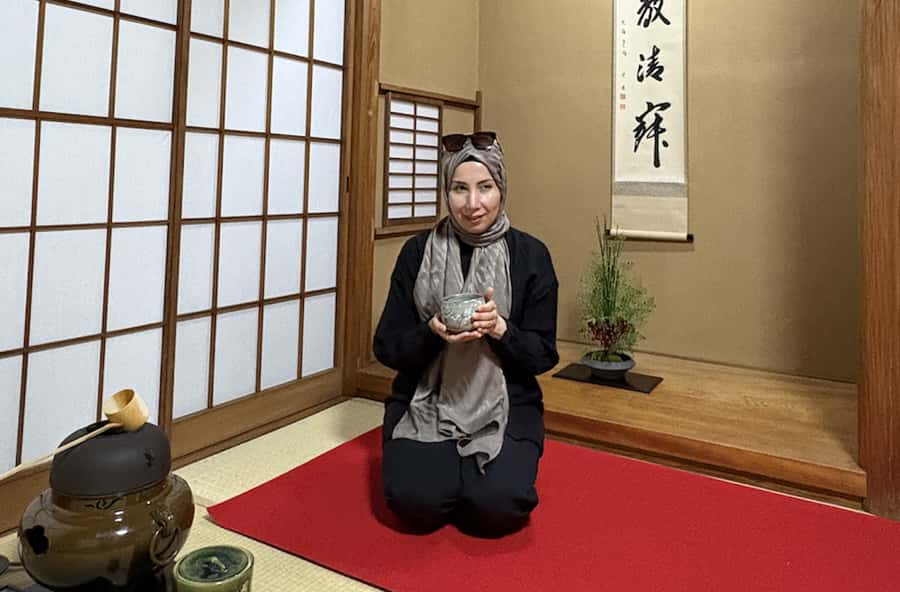
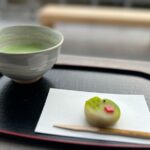
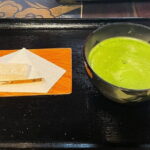
Once your matcha is ready, you enjoy drinking it in the calm room along with traditional seasonal Japanese sweets. This pairing is not random. It’s designed to complement the taste of matcha, balancing bitterness with sweetness and texture.
I like that they include the confections as part of the experience rather than letting it be an optional add-on. You get a complete mini-culture package: tea, then the seasonal side that makes the moment feel special. And because you taste after learning the manners and process, the whole sequence feels coherent.
In reviews connected to this class, the tea and sweets repeatedly come up as delicious, and that matches what this format is set up to do. You learn how matcha should be made, and then you taste it with a partner flavor that makes sense within the ritual.


Price and value: what you get for $18
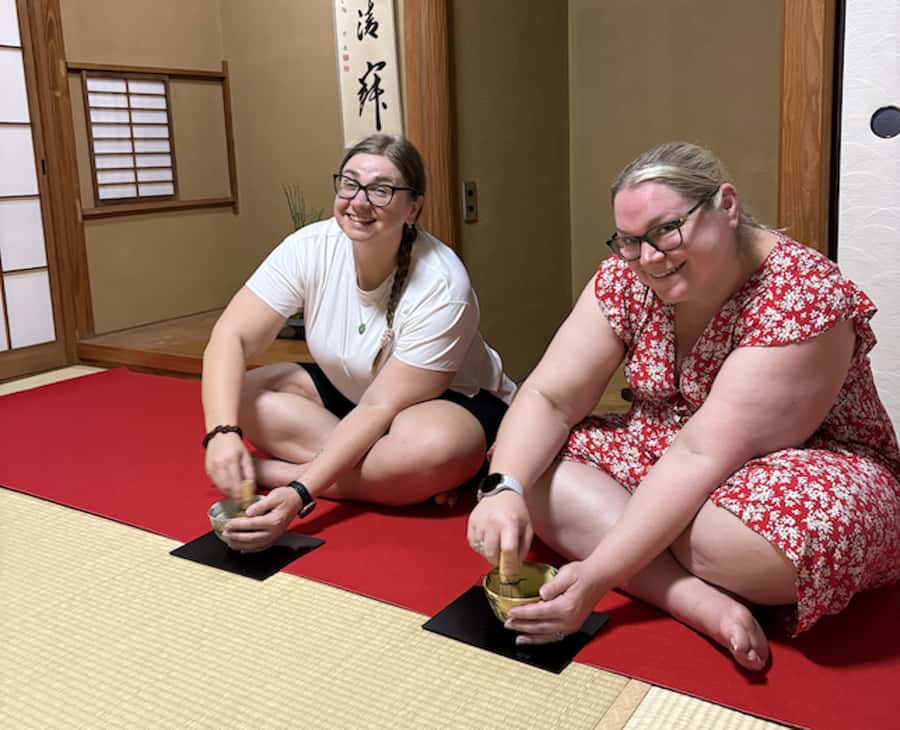
The price is $18 per person, and what you get is pretty clear-cut. Included in the experience are the entrance fee, matcha (powdered green tea), and confections. So you’re paying for instruction, a guided demo, and the materials used for your hands-on bowl and tasting.
In Tokyo, tea-related experiences can range widely, especially when they involve a lot of added extras. Here, the value is that the class stays focused on the core skills: understanding the meaning, seeing otemae, making matcha, and tasting it with seasonal sweets. If you want a single activity that gives you a real cultural practice plus a satisfying finish, this structure fits that goal.
Is it a bargain? It’s not a $5 street snack. But $18 becomes easier to justify because you’re not just buying a product. You’re getting the tools, the matcha powder, the sweets, and English-led coaching from experienced instructors.
What this experience is best for (and who may want to skip it)
This tea ceremony is ideal for you if you want an authentic cultural activity without needing prior knowledge. It’s also great if you like calm, indoor experiences and want something that breaks up sightseeing time in Shibuya.
It’s especially suitable for first-timers who value clear explanations in English. The instructors guide you through meaning, history, and basic etiquette, then give you a practical chance to do it yourself.
On the other hand, this may not fit if you’re looking for a high-energy tour with lots of outside walking or landmark stops. The event is centered on the tea room experience, so you’ll get your value from participating, not from roaming.
Practical considerations: age rules and planning your visit
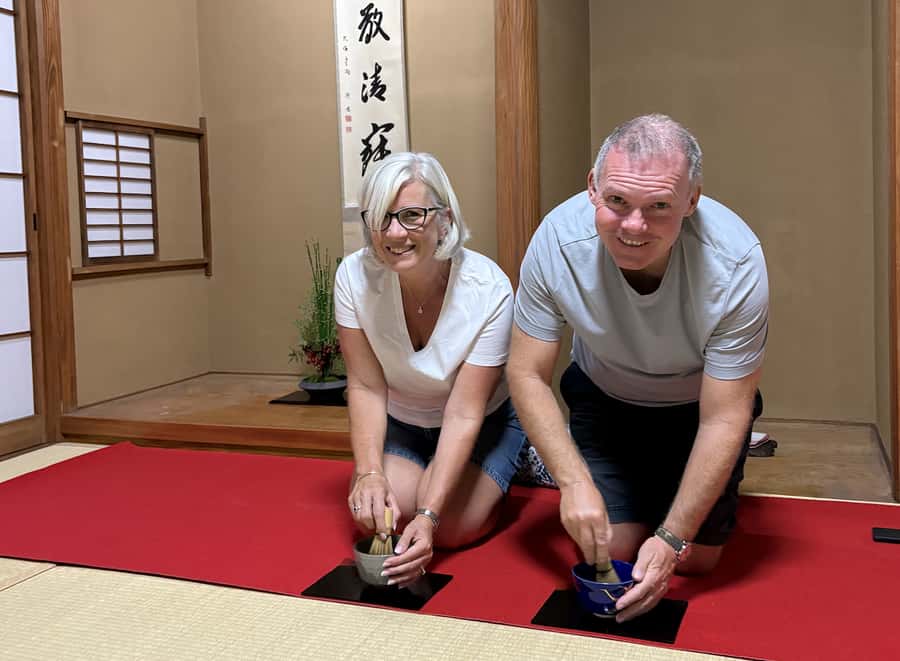
A big practical point: children under 4 years old can’t participate. Also, even if an adult has a ticket, children aged 4 and above need their own ticket. The organizers may refuse entry if a child under 4 is accompanied, so it’s worth sorting family plans early.
Language is another simple factor. The class is in English, which makes it easier to follow explanations about tea ceremony meaning, manners, and the steps in matcha making.
Finally, the activity ends back at the meeting point. That means you can plan your next stop without figuring out a complicated transfer. Just know you’ll be done at the same starting spot once the tea and sweets portion is finished.
Should you book Shibuya Tea Ceremony Tokyo-Chaan?
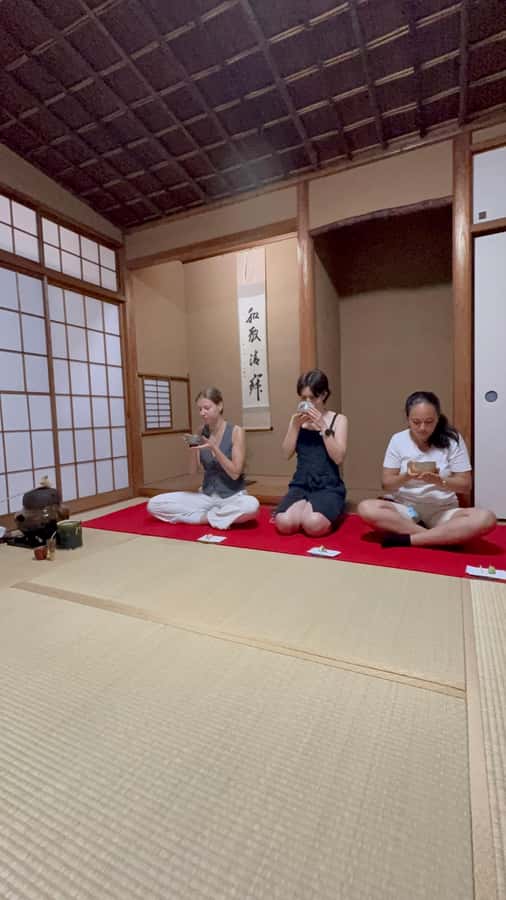
Book it if you want a respectful, hands-on cultural experience in Tokyo that stays calm, structured, and easy to follow. The combination of English guidance, experienced instructors, a live otemae demonstration, and actual matcha making is a strong recipe for first-timers. Add included matcha and seasonal sweets, and you’re paying for a complete mini-ritual rather than a quick performance.
Skip it if you need an outdoor sightseeing-heavy day or you’re traveling with a child under 4 who would otherwise want to join. Otherwise, this is the kind of class that leaves you with a new skill and a more specific sense of Japanese tea culture than you’d get from simply drinking matcha on the go.
FAQ
Do children under 4 years old need to be included?
Children under 4 years old cannot participate. If you’re traveling with a child under 4, you should contact the organizers in advance.
Do children 4 and above need their own ticket?
Yes. Even if an adult has a ticket, all children aged 4 and above are required to have their own ticket.
Is this tea ceremony taught in English?
Yes. The experience is offered in English.
What do you do during the class?
You’ll receive a welcome and explanation of the tea ceremony, watch an otemae-style demonstration, make matcha yourself with traditional utensils, and then taste your matcha with seasonal sweets.
Is there a hands-on matcha making portion?
Yes. After the demonstration, you make your own bowl of matcha using traditional tea tools.
What is included in the $18 price?
The entrance fee, matcha (powdered green tea), and confections are included.
Where do I meet for the experience?
Meet at Start: 2nd Floor, Manji Building, 1-15-9 Dogenzaka, Shibuya-ku, Tokyo 150-0043, Japan (〒150-0043 東京都渋谷区道玄坂1-15-9 万字ビル 2F).
Where does the experience end?
It ends back at the meeting point.
Can I pay later?
Yes, you can reserve your spot and pay later.
What is the cancellation window for a full refund?
You can cancel up to 24 hours in advance for a full refund.