REVIEW · TOKYO
Tokyo, Asakusa: Tea Ceremony and Sweets Making Class
Book on GetYourGuide →Operated by BUB Activity Center · Bookable on GetYourGuide
A kimono, sweets, and matcha in calm Asakusa. This 1-hour class delivers three real highlights: kimono dressing, hands-on nerikiri wagashi design, and a relaxed chat with an English-speaking tea expert. I also like that it feels away from the usual Tokyo chaos, but you’ll need to get yourself to the Heiwa Building elevator on the 5th floor.
You’ll craft your own nerikiri wagashi by choosing colors and shapes, then whisk matcha at an unhurried pace. It’s vegan- and halal-friendly too, since the coloring and ingredients for the sweets are vegetable-based, so it’s easier to say yes when you have dietary needs.
In This Review
- Key Things I’d Plan Around
- Asakusa Tea Timing: The 15:30–16:30 Rhythm
- Finding the Heiwa Building Meeting Point (Near Lawson and Karaoke)
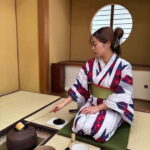
- Kimono Dressing: Comfort, Fit, and Photo-Ready Moments
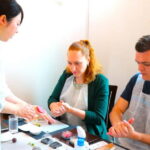
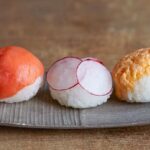
- Nerikiri Wagashi Making: Choosing Colors and Shapes Like a Designer
- Matcha-Making Session: Whisk, Sip, and Talk Tea Culture
- Photography in a Kimono: How to Get the Shots Without Stress
- Price and Value: Why $67 Feels Fair Here
- Who Should Book This Asakusa Class (and Who Might Skip It)
- Practical Tips for a Smooth, Calm Session
- Should You Book This Asakusa Tea Ceremony and Sweets-Making Class?
- FAQ
- How long is the Tokyo Asakusa tea ceremony and sweets-making class?
- Where is the meeting point in Asakusa?
- Is transportation to the venue included?
- What does the price include?
- Are meals included?
- Is this class suitable for vegans and halal customers?
- Do I need prior experience to make the wagashi or do the tea ceremony?
- Is alcohol allowed during the activity?
Key Things I’d Plan Around
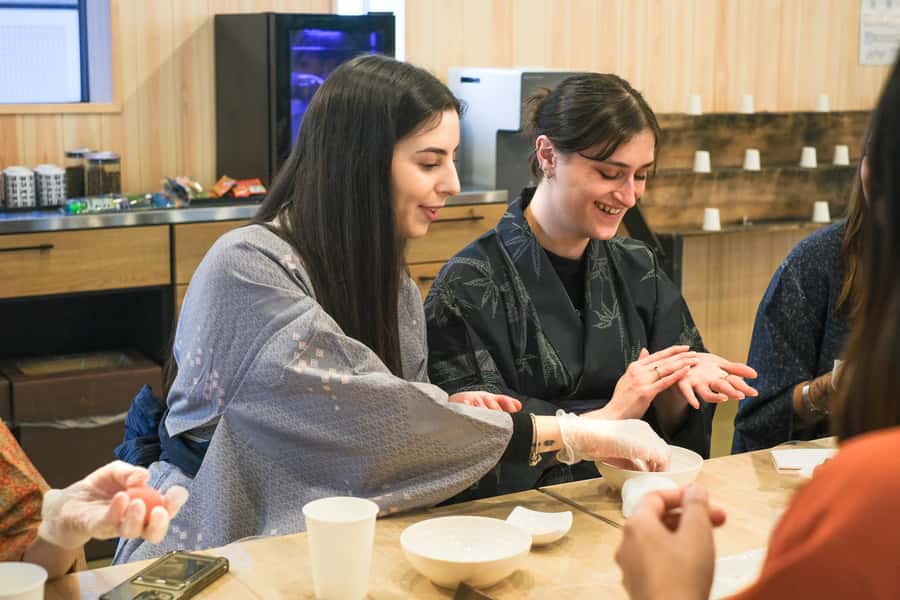
- Kimono dressing with staff help: you start by selecting from a curated collection and getting dressed on-site.
- Nerikiri wagashi you design: pick colors and shapes, then take home your edible art moment.
- Matcha-making guided by a tea expert: whisk your tea and get context for what you’re seeing and tasting.
- A calm, no-rush feel: no crowds, no chaos, just you and the process.
- Vegetable-based ingredients for wagashi: suited for vegans and halal customers.
Asakusa Tea Timing: The 15:30–16:30 Rhythm
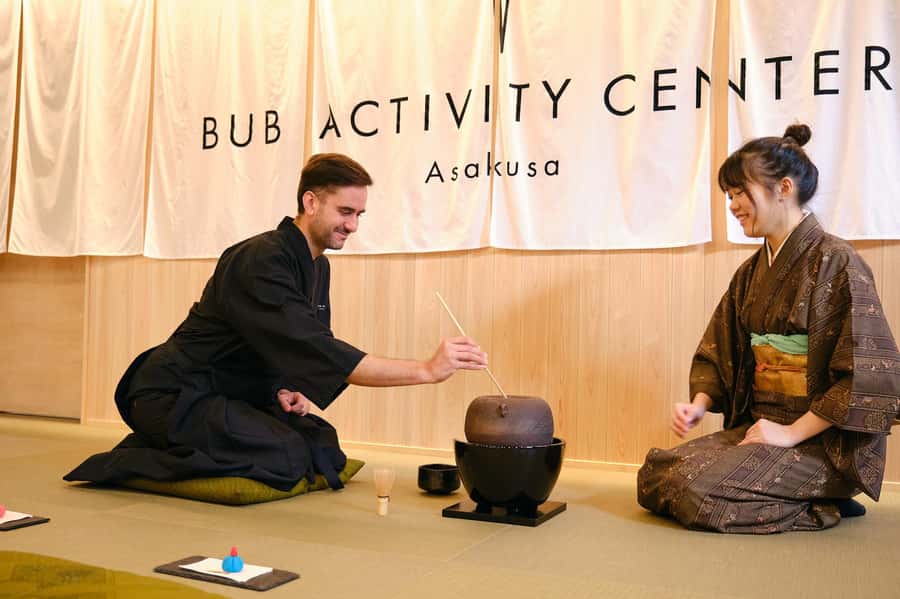
This experience runs for one hour, from 15:30 to 16:30, and that matters more than you might think. A tight schedule keeps the experience focused: you dress, make, taste, talk, and finish without dragging on.
The pacing is also designed to feel peaceful. The class is built around a calm atmosphere—no crowds, no rush, no chaos—so you can actually pay attention to the details: how the wagashi comes together, how matcha is prepared, and how the tea discussion connects the craft to Japanese everyday culture.
If you’re visiting Asakusa and you’re juggling temples, snacks, and photo stops, this time slot is a smart fit. It lands in the late afternoon window when you can still walk around afterward while your memory is fresh.
You can also read our reviews of more tours and experiences in Tokyo.
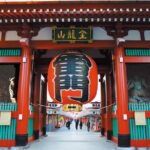
Finding the Heiwa Building Meeting Point (Near Lawson and Karaoke)
Logistics are the make-or-break part of any short class. This one has a very specific meeting point, and it’s easy to miss if you assume it’s on street level.
You’ll start by taking an elevator to the 5th floor of the Heiwa Building. The elevator is right next to the Lawson store, near ramen, in the same building as the karaoke. When you arrive, look for the Lawson storefront as your anchor, then find the elevator area next to it.
Two practical tips:
- Give yourself a little buffer to locate the entrance and elevator. This is a small, timed activity.
- If anything feels off, contact the provider. The guidance specifically says to reach out if you have trouble finding it.
At the end, the activity returns you to the meeting point, so you’re not left wandering your way back after you’ve changed into a kimono.
Kimono Dressing: Comfort, Fit, and Photo-Ready Moments
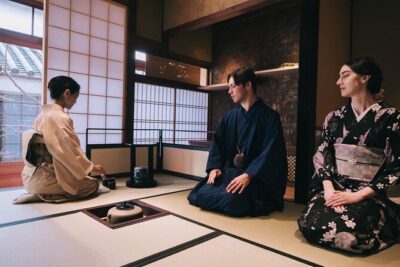
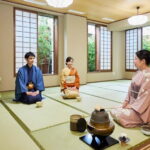
The class begins with selecting a kimono from a curated collection, then getting dressed with help from staff. This is one of the biggest value points, because kimono dressing can be tricky when you’re doing it solo.
I like this approach for two reasons:
- You don’t have to “figure it out.” Staff assist you through the dressing process.
- The result is photo-friendly without needing you to be an expert at posing or styling.
Comfort matters too. The instructions note you should feel graceful and comfortable as you wear it, which tells you this isn’t a rigid, awkward costume situation. You’ll be moving through making sweets and preparing tea, so you want a fit that supports what comes next.
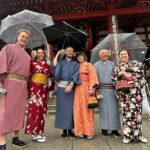
Also, remember the kimono is part of the experience, not just a backdrop. You’ll get multiple moments where photos make sense—before you start crafting and again after you have something beautiful to show.
Nerikiri Wagashi Making: Choosing Colors and Shapes Like a Designer
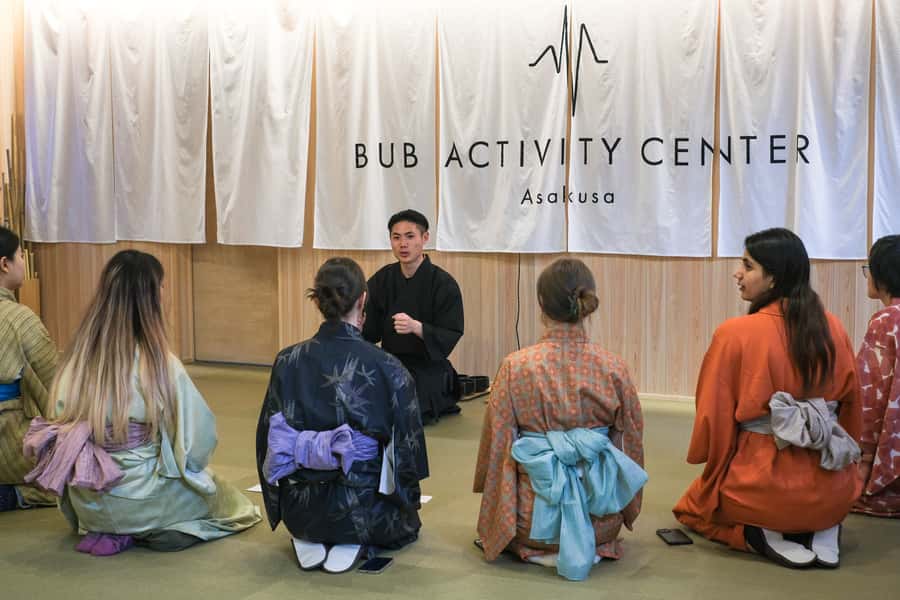
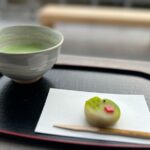
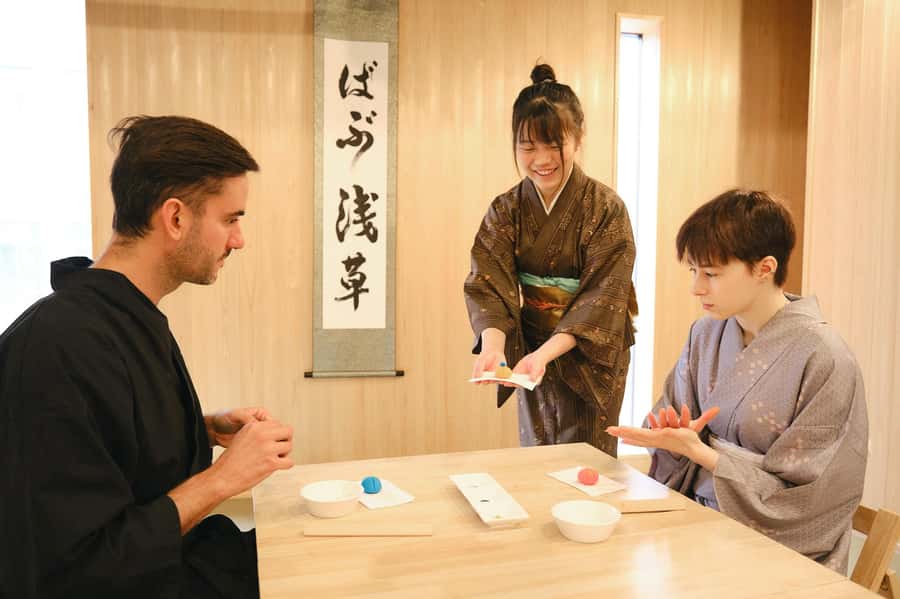
Next comes the nerikiri wagashi portion—hands-on, creative, and very visual. Nerikiri is the kind of wagashi where the details are the point, and here you get to choose the look of your own sweet by selecting colors and shapes.
What you’re really doing is learning how Japanese sweets can be art first, food second. The process has that calm “focus” energy: you’re shaping and refining, not rushing to finish something quickly.
Here’s what to watch for as you work:
- Your choices matter: color and shape aren’t random; they’re part of the final identity of the wagashi.
- Take your time with the details: since the result is meant to be photographed, the finishing steps are worth your attention.
- Expect a personal product: this isn’t a passive tasting class—you’ll make your own piece.
And since the description emphasizes that the ingredients and colorings are vegetable-based, you can feel more comfortable about dietary concerns. If you’re vegan or halal, this is one of those rare experiences where the sweet component is addressed clearly.
When you’re done, you’re likely to want that quick photo moment right away. Do it before you get too focused on the tea portion—because once matcha starts, you’ll be in hands-on mode again.
Matcha-Making Session: Whisk, Sip, and Talk Tea Culture
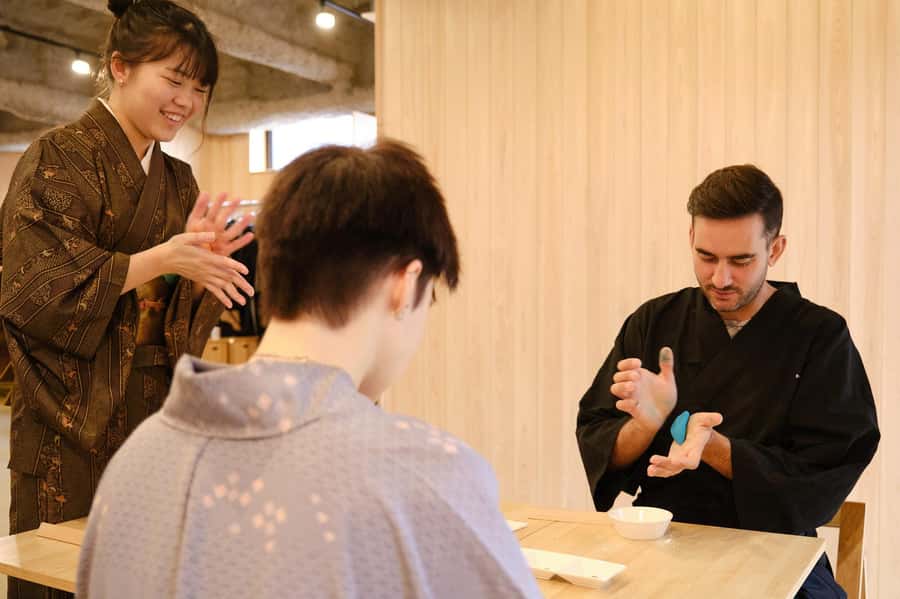
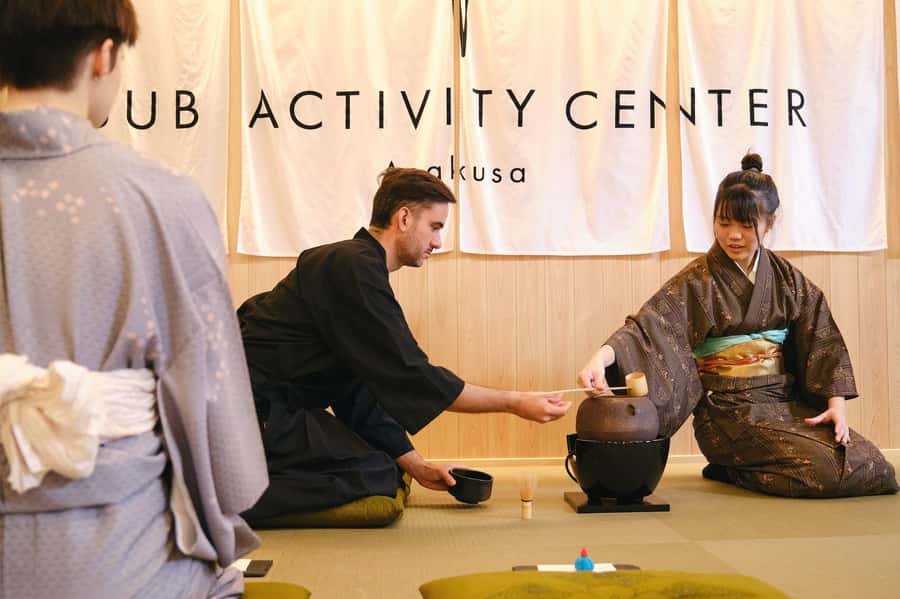
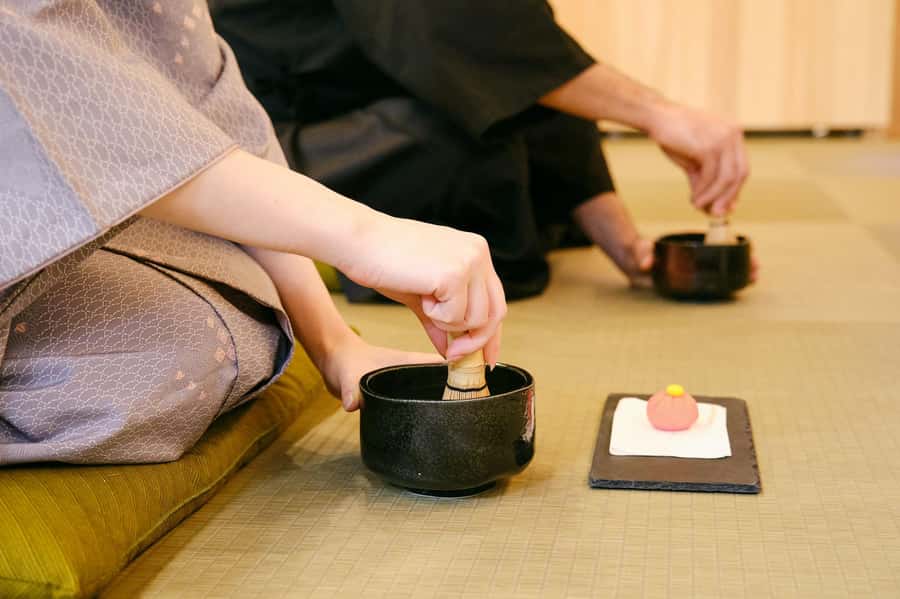
After the wagashi, you move into the matcha tea ceremony portion. This isn’t about performing complicated rituals for a crowd. It’s a guided, serene matcha-making session led by a tea expert, with time for conversation.
Two things make this part work well:
- You learn while you do: you whisk and prepare your tea, so the explanation has context.
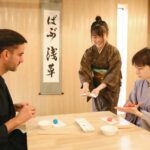
- You get a real Q&A feel: there’s an intimate conversation with an English-speaking expert, not just a lecture.
This is where the experience becomes more than a craft workshop. Matcha isn’t only a drink; it’s tied to how people slow down, value process, and notice small sensory differences. Even if you know very little going in, the expert conversation is built to bring you along step by step.
And yes, the class is designed to feel peaceful. No crowds, no chaos—just you, your tools, and someone who can answer questions in English.
Important practical note: alcohol and drugs aren’t allowed. That’s a standard rule for keeping the session comfortable and safe, especially since you’re wearing kimono and handling hot tea-making steps.

Photography in a Kimono: How to Get the Shots Without Stress
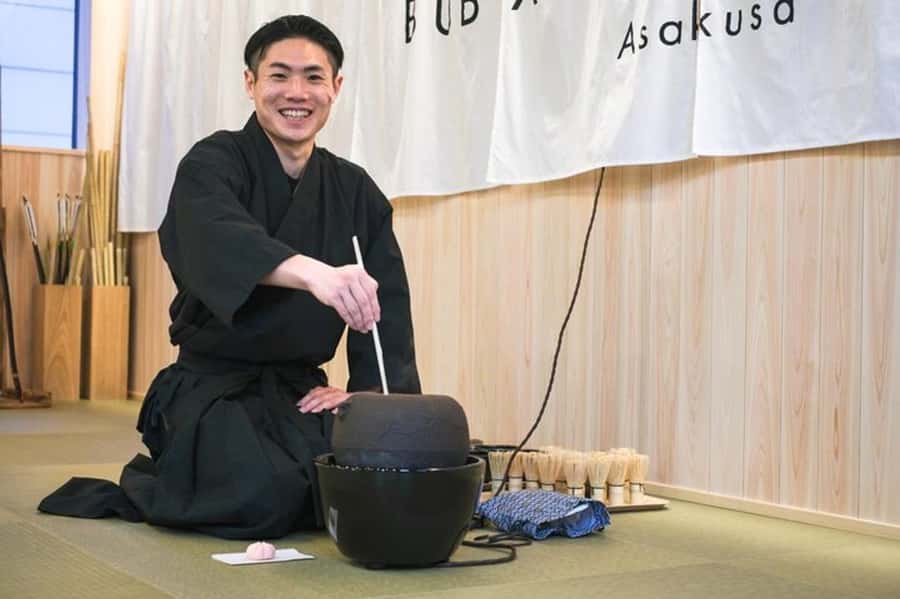
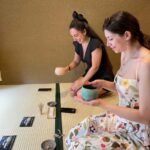
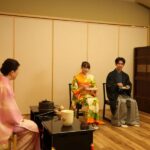
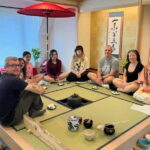
The class includes the chance to capture elegant memories through photography in your kimono. That’s not just marketing fluff—kimono photos are best when you take them at the right times, not when everyone is already moving on.
My suggestion: plan for three photo moments.
- Right after dressing: when the kimono is at its best and you still look freshly adjusted.
- After making your nerikiri wagashi: when you have something finished and recognizable in frame.
- Near the tea session transition: when your hands are busy but you can still capture a posed moment.
If you bring a phone camera, keep it in a small pocket or bag you can reach easily. You don’t want to spend the best photo moment searching for your charger, cases, or settings.
Also, keep in mind that the experience ends back at the meeting point. So if you want outdoor photos in Asakusa streets, you’ll need to do that on your own after the class rather than expecting it to continue into a longer photo walk.
Price and Value: Why $67 Feels Fair Here
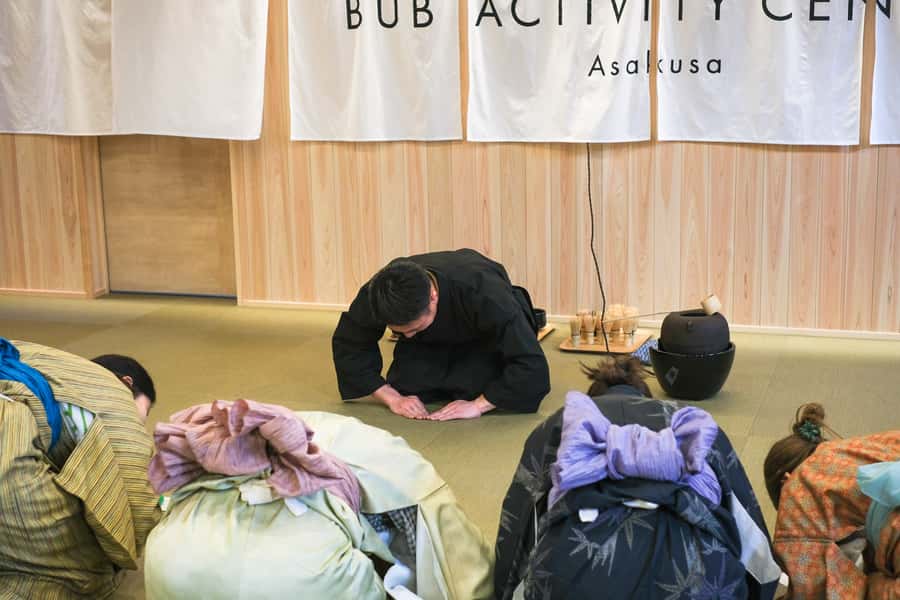
At $67 per person, this class sits in the “reasonable for a guided cultural workshop” category, especially because you get more than one activity packaged together.
What’s included:
- kimono dressing
- wagashi making (nerikiri)
- matcha tea ceremony
- an English-speaking expert guide
In other words, you’re paying for instruction, materials, and a full cultural experience arc—dressing, crafting, tea-making, and conversation. The key value is that you don’t need prior experience. The format is designed so beginners can participate and still end up with a finished sweet and a tea-making experience.
You’re also not asked to add extra costs for meals beyond the wagashi you’ll make and enjoy. Meals other than the wagashi are not included, so plan your day accordingly: eat before you go or plan a light post-class snack.
Finally, there’s a simple convenience win: the experience stays compact and starts and ends at the same meeting point, so you’re not piecing together multiple transfers.
Who Should Book This Asakusa Class (and Who Might Skip It)
This experience is a strong choice if you:
- want a kimono experience that includes dressing help
- enjoy hands-on crafting and want to leave with something you made
- like the idea of matcha plus an English conversation with a tea expert
- have dietary needs, since it’s suitable for vegans and halal customers
It may be less ideal if you’re looking for something long and sightseeing-heavy. This is a focused one-hour class. The value is in the craft and tea process, not in covering multiple neighborhoods or big attractions during the activity time.
Also, if you’re extremely sensitive to wearing traditional clothing, you might want to consider how you feel about the kimono fit for an hour. The instructions say you’ll be comfortable, but everyone’s body is different.
Practical Tips for a Smooth, Calm Session
Here are the practical things that will help you enjoy it from start to finish:
- Arrive early enough to find the 5th-floor elevator by the Lawson store in the Heiwa Building. This is a short slot, so lateness can disrupt the flow.
- Wear easy clothing underneath so you’re comfortable during dressing.
- Keep alcohol out of your plan. Alcohol and drugs aren’t allowed.
- Set your expectations for what’s included: kimono dressing and wagashi/matcha are covered, but meals other than wagashi are not.
- Come as a beginner. No prior experience is necessary.
- Bring your camera plan: photos in kimono are part of the experience, so decide when you’ll take them.
If you like experiences that feel calm and intentional, this one fits that mindset. If you like noisy group tours, you might find this too quiet—yet the quiet is exactly what makes the tea and wagashi feel special.
Should You Book This Asakusa Tea Ceremony and Sweets-Making Class?
If your goal is an authentic Asakusa cultural experience that you can actually do as a beginner, I’d say this is worth booking. For $67 you’re not just watching tea being made—you’re dressing in kimono, shaping nerikiri wagashi with your own color and shape choices, and preparing matcha with a guide who can explain it in English.
The decision comes down to one question: do you want a calm, hands-on hour with craft + tea, rather than a longer sightseeing day? If yes, book it. You’ll leave with a stronger sense of Japanese tea culture, plus a finished wagashi moment you can proudly photograph.
FAQ
How long is the Tokyo Asakusa tea ceremony and sweets-making class?
The experience lasts 1 hour, running from 15:30 to 16:30.
Where is the meeting point in Asakusa?
Meet at the Heiwa Building. Take the elevator to the 5th floor; the elevator is located right next to the Lawson store, near ramen, in the same building as karaoke.
Is transportation to the venue included?
No. Transportation to the venue is not included.
What does the price include?
It includes kimono dressing, wagashi making, a matcha tea ceremony, and an English-speaking expert guide.
Are meals included?
Meals other than the wagashi are not included.
Is this class suitable for vegans and halal customers?
Yes. The colorings and ingredients for the sweets are vegetable-based, and the experience is suitable for vegans and halal customers.
Do I need prior experience to make the wagashi or do the tea ceremony?
No prior experience is necessary.
Is alcohol allowed during the activity?
No. Alcohol and drugs are not allowed.