REVIEW · TOKYO
Kimono and Tea Ceremony in Asakusa Private Food Tour With Guide
Book on Viator →Operated by japan local and fun experiences · Bookable on Viator
Kimono changes how you see Asakusa. This Asakusa kimono and tea ceremony tour blends temple-area wandering with time in an actual tea ritual, then adds food stops that feel like part of the culture, not just fuel. You’ll get dressed, walk the famous approach to Sensō-ji, and take photos in your new look, all in a group capped at eight.
I especially like two things: the kimono setup (including obi and wooden sandals) and the way the meal treats you to more than basic sightseeing snacks. The included A5 wagyu experience plus ice cream and local desserts makes it feel like a proper tasting day, not a quick photo stop.
One drawback to weigh: at $290 per person, you’re paying for the full package. If you’d rather explore Asakusa at your own pace with zero structure, this may feel pricier than a DIY day with a couple of cheap bites.
In This Review
- Key highlights at a glance
- Why Asakusa looks better in kimono (and why that matters)
- Getting dressed the right way: kimono, obi, and wooden sandals
- The small-group structure (up to eight) and what you actually feel
- Stop 1: Sensō-ji Temple and what to look for on the approach
- Stop 2: Nakamise Shopping Street (Kaminarimon) and the snack strategy
- Stop 3: Kaminarimon—big gate energy, exact size, and easy photos
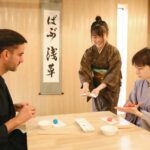
- Tea ceremony: why this is the heart of the tour, not filler
- Food stops: A5 wagyu plus sweets make the day feel worth it
- Timing and logistics that make or break your comfort
- Who this Asakusa kimono and tea tour is best for
- Price and value: is $290 reasonable here?
- Should you book this Asakusa kimono and tea ceremony tour?
- FAQ
- FAQ
- How long is the Kimono and Tea Ceremony in Asakusa tour?
- What time does the tour start?
- Where do I meet the guide?
- How big is the group?
- What’s included in the tour besides the tea ceremony?
- Is alcohol included?
- Do I need to pay admission for Sensō-ji and the other stops?
- Can I add hairstyling or an overnight kimono rental?
- What’s the cancellation policy?
Key highlights at a glance
- 8-person cap keeps the walk and the tea experience from feeling rushed
- Kimono dressing support includes obi and wooden sandals, plus photo time
- Sensō-ji area stops pair temple sights with the approach at Nakamise and Kaminarimon
- Tea ceremony + treats includes tea, soft drinks, water, ice cream, and local desserts
- A5 wagyu included gives you a standout meal moment in the middle of sightseeing
Why Asakusa looks better in kimono (and why that matters)
Asakusa is one of those Tokyo neighborhoods where you’re constantly pulled between old-world calm and street-level energy. The incense-and-street-scene combo around Sensō-ji is the star, but the best part is how fast you can shift from sightseeing mode to something more human—like a tea ceremony and a meal that follows local rhythms.
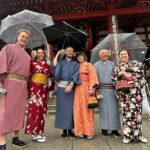
Getting dressed in a kimono changes how you move through the area. Your pace slows. You notice details more. And for photos, you’re not just standing in front of a landmark—you’re part of the visual story people came to see in the first place.
This tour is also timed as a half-day. Starting at 11:00 am and running about 4 hours means you get the atmosphere early, then you still keep the rest of the afternoon for other Tokyo plans.
You can also read our reviews of more tours and experiences in Tokyo.

Getting dressed the right way: kimono, obi, and wooden sandals
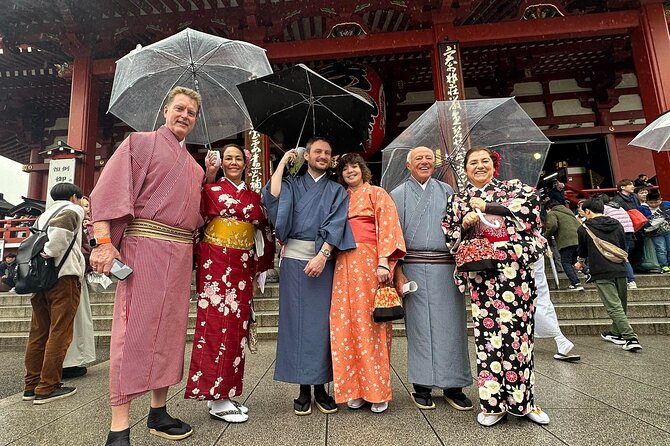
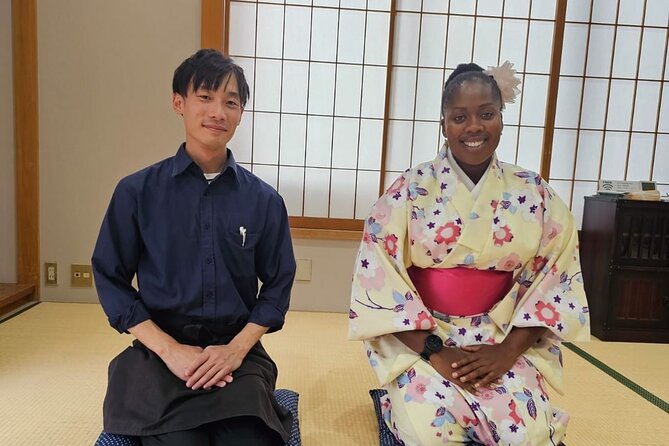
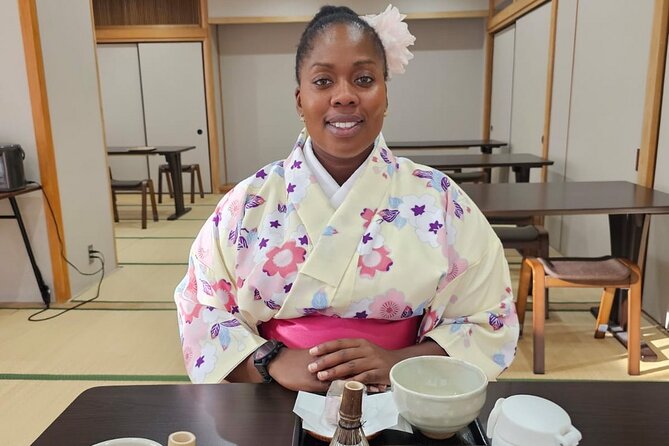
The experience starts with help dressing in your choice of traditional or modern kimono. You’re not left to figure it out on your own. A staff member helps you put everything together, including the obi sash and wooden sandals.
That sounds simple, but it’s a big deal in Tokyo. Wearing the wrong thing—or wearing it poorly—can make a beautiful experience feel stressful. Here, the goal is to get you comfortable and camera-ready before you hit the street.
You’ll also get a chance to take photos while you’re dressed. That matters because Asakusa is photography-friendly, and kimono photos are best when you’re not rushing right out the door.
Practical note: the tour explicitly warns you not to show up in jeans and sneakers. If you want the day to feel authentic, plan ahead and dress accordingly (or expect to change quickly at the start).
The small-group structure (up to eight) and what you actually feel
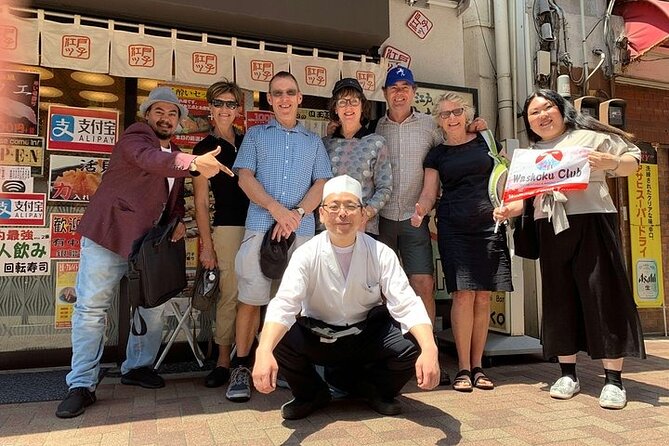
This isn’t a big-bus day with 30 people drifting in different directions. The group size is capped at eight, so you can hear your guide, ask questions, and still move as a unit through the busy lanes.
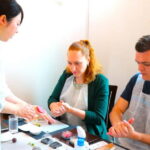
That “small” also changes the tea ceremony. It’s not just you sitting while a line of strangers streams past. You’ll get enough space to participate without feeling like a production schedule.
Guiding quality stands out in the reviews, especially for Adam. He’s praised for sharing backstories of living in Japan and for tossing in those small, practical details that make the place feel less like a postcard and more like a living city. In plain terms: it’s the kind of explanation that helps you understand what you’re seeing while you’re seeing it.
Stop 1: Sensō-ji Temple and what to look for on the approach
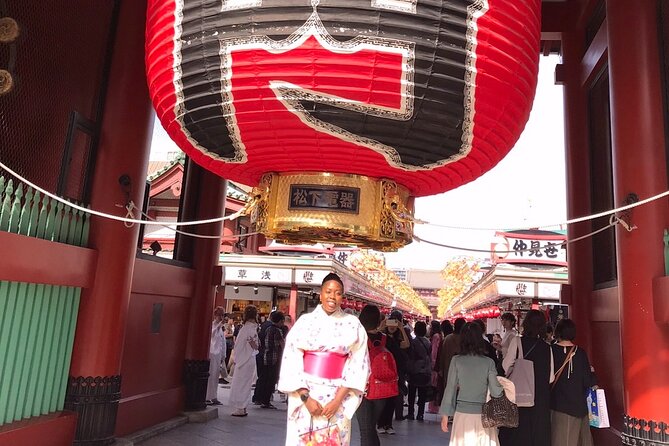
You start with Sensō-ji Temple. This is Tokyo’s oldest temple and one of Asakusa’s most significant religious sites. Admission at this stop is free, and the time here is about 1 hour.
A lot of people rush Sensō-ji. That’s easy to do because the area is busy and there’s always another photo angle. The value of a guided block of time is that you don’t just “stand and look.” You get oriented to what you’re actually looking at and why it matters to people who come here in daily life.
What I’d pay attention to during your hour:
- The way the area funnels you toward the main temple views
- How the visual crowding feels different inside the temple zone than it does outside it
- Any notes your guide shares that connect the temple area to the neighborhood’s identity
Drawback to consider: Sensō-ji is popular, so even with a guided pace you’ll likely deal with crowds. If you hate shoulder-to-shoulder situations, keep expectations realistic.
Stop 2: Nakamise Shopping Street (Kaminarimon) and the snack strategy
Next up is Nakamise Shopping Street along the approach. The walking-and-stopping time here is about 2 hours, and admission is free. Nakamise stretches roughly 250 meters and runs right toward Sensō-ji, lined on both sides with shops selling traditional souvenirs plus snacks and sweets.
This is the part where a lot of tours go off the rails into random consumption. Here, the value is that you’re not just wandering and buying whatever looks cute. You’re in a structured walk that still leaves room for you to experience the street food and browse in a way that feels connected to the day.
Think of Nakamise as a sensory break between larger sights:
- You can slow down and taste
- You can pick up small souvenirs without needing to “research” first
- You can reset after the temple intensity
One more reason Nakamise works well for a kimono day: kimono outfits make the street feel more playful and less like a chore. You’ll see plenty of people taking pictures, and your outfit fits right into that scene.

Stop 3: Kaminarimon—big gate energy, exact size, and easy photos
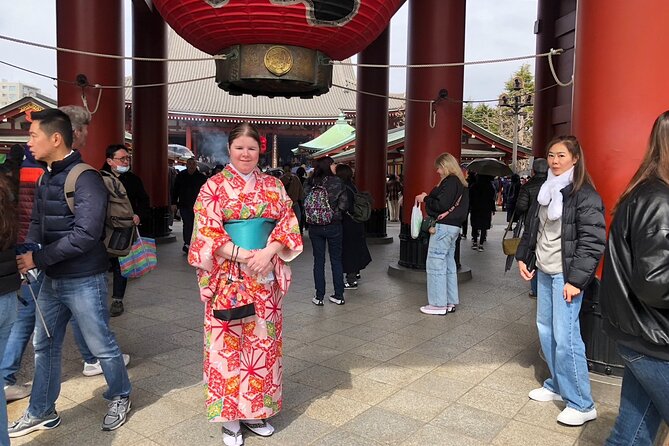
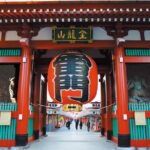
Finally, you hit Kaminarimon, the outer of Sensō-ji’s major entrance gates. This is the famous gate with its lantern and statues, and it’s popular with tourists for good reason. The gate is listed at about 11.7 meters tall and 11.4 meters wide.
This stop is about 1 hour, and it’s also free. In other words, you’re paying for a guide and a dressed-in-kimono experience, but you’re not paying gate fees on top of it.
This is your classic photo moment. The benefit of doing it with a guide is timing and flow: you’re less likely to waste time circling for the best angle or standing in a spot that blocks your view. You’ll also likely get quick context that helps the gate feel like part of the temple’s overall story, not just a landmark.
Tea ceremony: why this is the heart of the tour, not filler
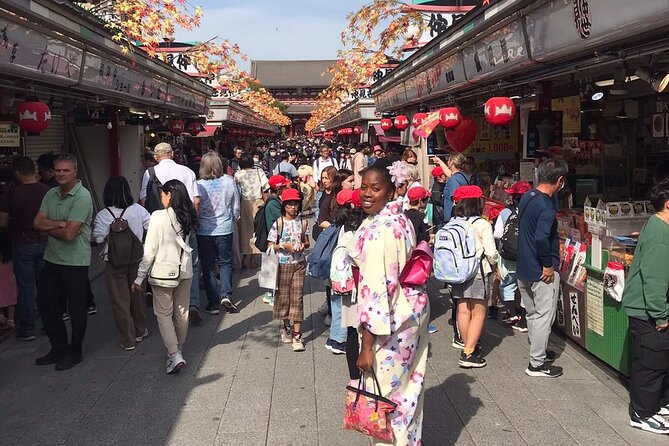
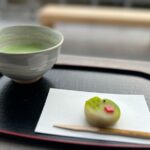
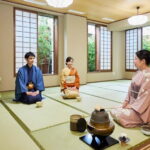
The “tea ceremony” part is the centerpiece. This tour includes an experience of the tea ceremony, and it also includes 2 soft drinks and water, plus other Japanese treats.
Even without getting overly technical, tea ceremony time usually lands for two reasons:
- It gives you a quiet contrast to the street noise.
- It connects your day to the idea of ritual—something you can feel even if you don’t know every term.
In the reviews, the explanations and the guide’s storytelling style come up again and again. That makes tea time more than just tasting. You’re getting a framework for what you’re seeing and why it’s done the way it is.
If you’re the kind of person who likes experiences that are culturally specific (instead of generic “food tour” stops), this is the main reason to book. Everything else supports it.
Food stops: A5 wagyu plus sweets make the day feel worth it
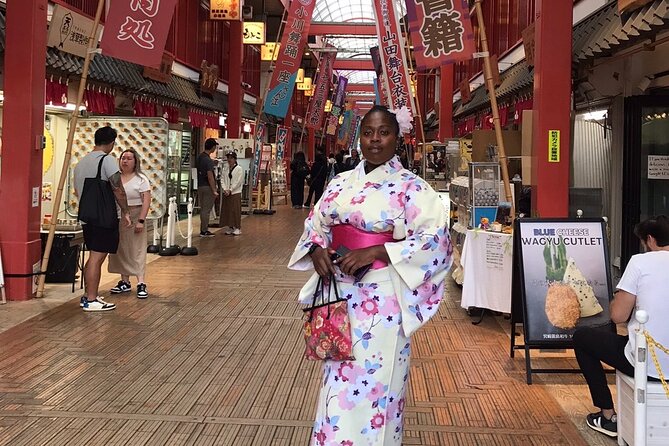
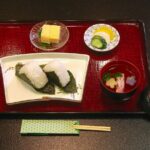
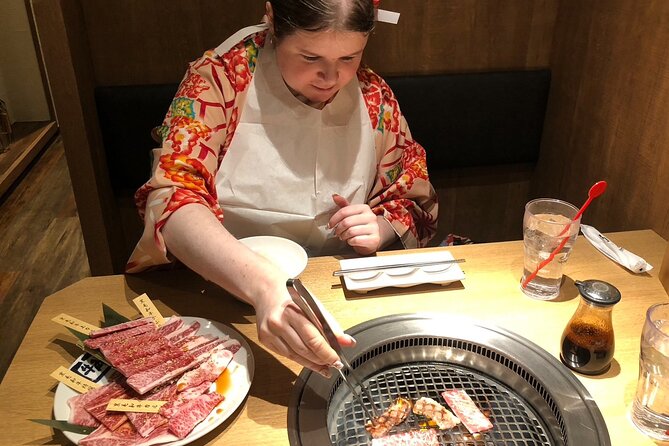
The tour includes an A5 Wagyu beef experience, along with ice cream & local desserts. That’s a strong combo because it hits both savory and sweet, so your energy stays steady during temple-walking time.
Let’s be blunt about value: A5 wagyu isn’t a casual add-on. Including it inside a 4-hour walking tour is part of why this package costs $290. You’re basically paying for the kimono support, guided routing, and the fact that lunch-like eating isn’t left to chance.
A good day trip should remove decision fatigue. Here, you don’t have to hunt down where to eat, guess what’s authentic, or wonder whether your meal will match the vibe of the day. The sweets and ice cream also give you that classic street-food release valve—especially helpful when you’re wearing sandals and walking for real.
Timing and logistics that make or break your comfort
This runs about 4 hours and ends back at the meeting point. It starts at 11:00 am, with the tour ending around mid-afternoon if everything stays on track.
That timing matters in Asakusa. Late morning is busy enough to feel alive, but you’re not starting too early when everything is still waking up. And the half-day format gives you breathing room afterward—perfect for wandering on your own, shopping more, or connecting to another Tokyo neighborhood.
Also, the meeting point is straightforward: Asakusa Culture Tourist Information Center, at 2-chōme-18-9 Kaminarimon, Taito City, Tokyo 111-0034. The tour notes that it’s near public transportation, which is a lifesaver in Tokyo where “where exactly is that?” can eat half your day.
Who this Asakusa kimono and tea tour is best for
This is a great fit if you:
- Want to wear a kimono but don’t want the hassle of booking, dressing, and coordinating
- Like guided cultural context (the kind that includes small, practical stories)
- Enjoy food that’s part of the theme, especially when it includes A5 wagyu
- Prefer a structured half-day so you’re not stuck deciding what to do next
It may be less ideal if you:
- Hate dressing up or dislike walking for extended blocks
- Want a purely DIY day with no scheduled tea ceremony and no guided flow
- Are traveling on a tight budget (this is a “pay for convenience and included experiences” option)
Also, if you’re considering extra add-ons like hairstyling or an overnight kimono rental, those are available for an extra cost. That can make the day feel even more like a full look-and-lifestyle experience.
Price and value: is $290 reasonable here?
At $290 per person, this isn’t “cheap.” But it’s also not just a walking tour with a couple of snacks.
You’re getting:
- Kimono dressing support (traditional or modern), plus obi and wooden sandals
- A tea ceremony experience
- Multiple included beverages (soft drinks and water)
- A named A5 wagyu experience
- Ice cream and local desserts
- A guide and a small-group format (max eight)
So the value question isn’t whether you get photos or whether you see Senso-ji. You do those things. The value question is: do you want the entire package handled for you, with food and cultural activity included? If yes, the price starts to look more like “all-in convenience” than a splurge.
If you’re someone who already knows where to eat, already has a kimono rental plan, and prefers to wander without structure, you may feel like you’re paying for things you’d do anyway.
Should you book this Asakusa kimono and tea ceremony tour?
Book it if you want an easy, guided way to do the Asakusa highlights in kimono, with a real cultural activity and a meal that includes A5 wagyu. The small group size, the dressing support, and the tea ceremony setup are exactly the kind of “pay once, enjoy smoothly” travel experience that’s hard to recreate solo.
Skip it (or consider another option) if you want maximum freedom, minimal cost, and you don’t care about tea ceremony structure or kimono presentation. Also think twice if crowds stress you out—Sensō-ji and Nakamise are popular areas.
If you’re on the fence, here’s the simple decision rule: if kimono + tea + food in one half-day sounds like your kind of Tokyo memory, this is a very logical book.
FAQ
FAQ
How long is the Kimono and Tea Ceremony in Asakusa tour?
The tour lasts about 4 hours.
What time does the tour start?
The start time is 11:00 am.
Where do I meet the guide?
You meet at the Asakusa Culture Tourist Information Center, located at 2-chōme-18-9 Kaminarimon, Taito City, Tokyo 111-0034.
How big is the group?
The maximum group size is 8 travelers.
What’s included in the tour besides the tea ceremony?
You’ll get a culture walking tour plus the kimono experience, 2 soft drinks and water, an A5 Wagyu beef experience, and ice cream and local desserts.
Is alcohol included?
No. Alcoholic drinks are not included and can be purchased separately for guests 18 and above.
Do I need to pay admission for Sensō-ji and the other stops?
Admission is listed as free for the main stops in the itinerary, including Sensō-ji and the gate area you visit.
Can I add hairstyling or an overnight kimono rental?
Yes. Hairstyling or overnight kimono rental is available for an extra cost.
What’s the cancellation policy?
Free cancellation is available if you cancel at least 24 hours before the experience’s start time for a full refund.