REVIEW · TOKYO
Tokyo: Practicing Zen with a Japanese Tea Ceremony
Book on GetYourGuide →Operated by True Japan Tour · Bookable on GetYourGuide
Zen and matcha in the same calm room. You’ll learn the why behind each tea step through Zen ideas tied to Japanese art and architecture, then try it yourself. I really like the hands-on second ceremony with guidance, and I also love how the tasting is built right into the class with carefully paired Japanese sweets and matcha. A fair heads-up: the experience depends on quiet focus, and the room can pick up sounds from nearby activities.
You meet just opposite Tokyo Tower at the Kikai Shinko Kaikan building, and the session is structured for a small group (up to 10). Expect a smooth flow: first, your instructor demonstrates; then you repeat the ceremony with coaching, including the key utensils and movements.
In This Review
- Key points before you go
- Getting to the Kikai Shinko Kaikan near Tokyo Tower
- What Zen Buddhism has to do with the tea ceremony
- Matcha, sweets, and the utensils you’ll actually use
- The first ceremony: watch, taste, and learn the logic
- Your second ceremony: doing it yourself with expert guidance
- Comfort in a tea room: floor seating options and how the class is set up
- English instruction that actually keeps up
- Price and value: what $63 buys you in Tokyo
- Who this is best for (and who should skip it)
- How to get the most out of your 75 minutes
- Should you book this Zen tea ceremony near Tokyo Tower?
Key points before you go
- Hands-on practice: you do a second tea ceremony yourself, not just watch.
- Zen in plain language: you connect the ceremony’s spirit to Zen Buddhism and Japanese aesthetics.
- Matcha + sweets pairing: you taste traditional sweets with green tea.
- Small group size (max 10): it’s easier to see, hear, and ask questions.
- Quiet rules: no making noise, so the room stays respectful and focused.
Getting to the Kikai Shinko Kaikan near Tokyo Tower
This tea ceremony starts at the main entrance of the Kikai Shinko Kaikan building, on the 1st floor. The location is handy: the building is right across from Tokyo Tower, which makes it a strong pick if you’re already planning time in that area.
If you walk in and can’t spot your instructor, you can go to True Japan Tour in Room B109 on the B1 floor. That little “plan B” matters in Tokyo, where signage can be clear in some places and confusing in others.
Practical tip: go a few minutes early. You’re about to sit and focus, and you’ll enjoy it more if you’re not rushing to get settled.
You can also read our reviews of more tours and experiences in Tokyo.
What Zen Buddhism has to do with the tea ceremony
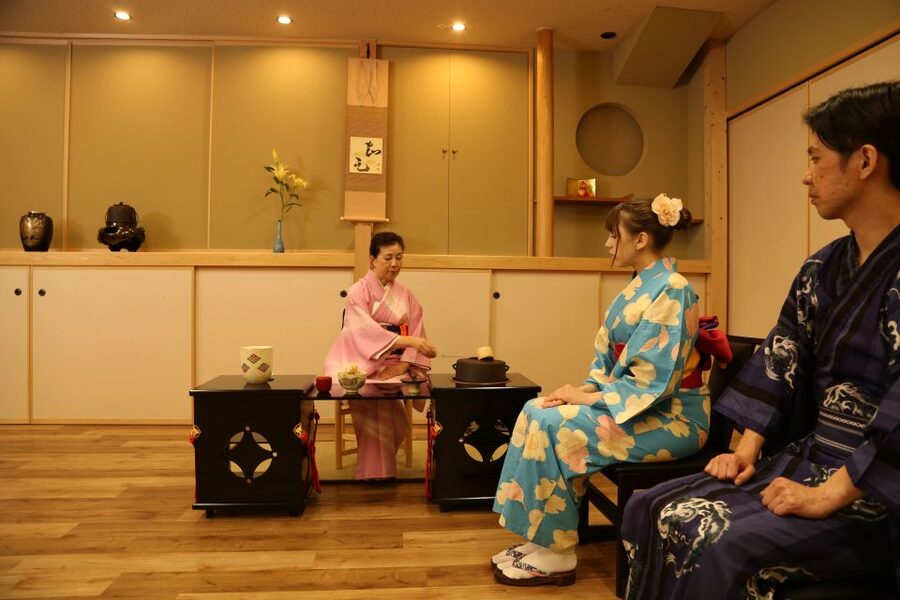
This isn’t just a how-to for making matcha. The session links the tea ceremony’s spirit to Zen Buddhism, focusing on how the practice trains attention and calm.
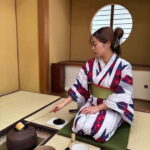
During the class, your instructor explains how Zen shows up through Japanese art and architecture—because the tea room isn’t random. Even the way people handle utensils and move through the ceremony has a purpose: it slows the mind down and turns “doing tea” into a kind of mental practice.
From the way the class is taught, I’d expect you to leave with a clearer sense of the ceremony as a daily discipline in certain parts of Japanese society—not a museum display. One of the strongest themes across instructor-led experiences is the connection between the movements and the mindset, not just the steps.
Matcha, sweets, and the utensils you’ll actually use
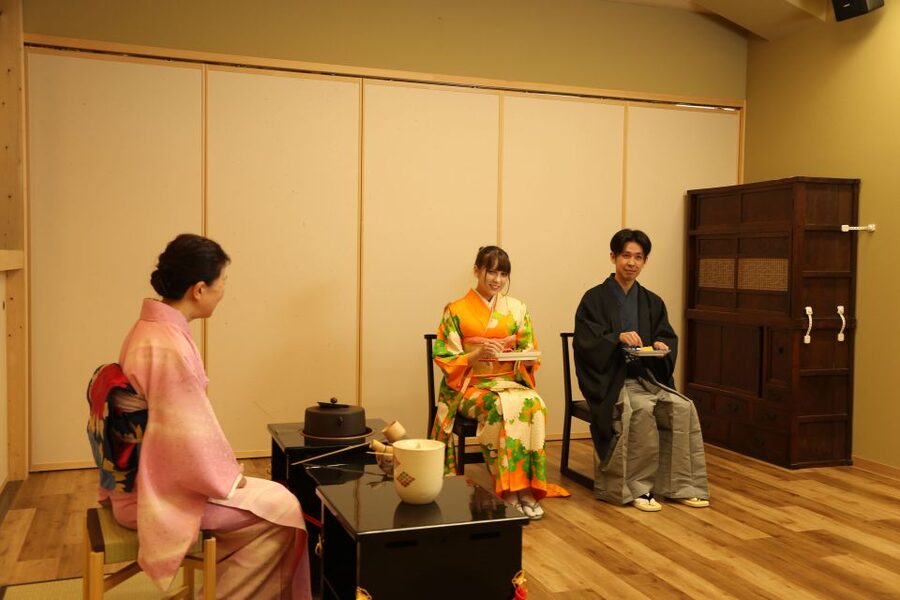
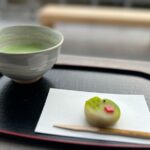
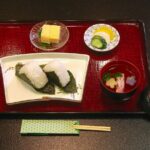
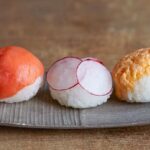
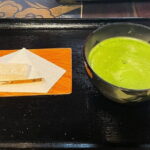
The ceremony includes a tasting moment that’s built into the lesson: matcha green tea plus traditional Japanese sweets. That pairing isn’t an afterthought. The sweets help you experience matcha in a more complete way—so you’re not just drinking something bitter and moving on.
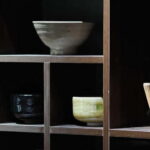
As the instructor demonstrates, you’ll also learn the specific utensils involved. You’ll hear about what each tool is for and why it’s handled in a certain way. This is one reason tea ceremony classes work better than generic “cultural shows.” The value is in the details you can repeat later.
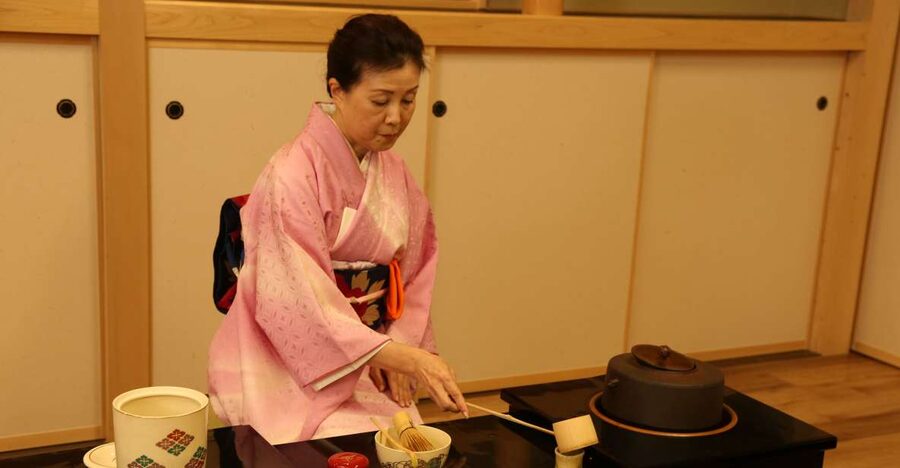
The format is also very visual. Your instructor prepares matcha in front of you, and you learn the movements that accompany it. Watch closely the first time—because once you switch to doing it yourself, the class becomes part performance, part muscle memory, part mindfulness.
The first ceremony: watch, taste, and learn the logic
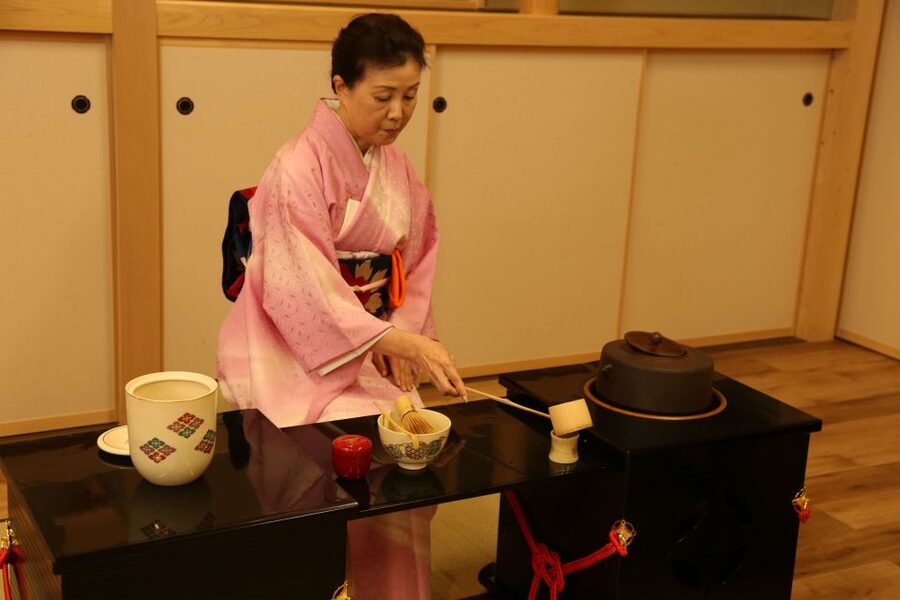
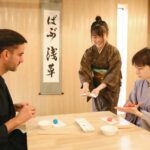
You’ll start with the instructor performing the tea ceremony. This is where you get the mental framework: how the steps flow, where attention is placed, and how the utensils and gestures fit together.
Then comes the tasting. You’ll savor the sweets and a cup of tea while the meaning of the ceremony is explained. That matters because it keeps the class from turning into a lecture. You’re learning with your senses online—taste, smell, and the quiet rhythm of the room.
One thing I like about this setup is that it respects timing. The entire experience runs 75 minutes, so you get enough structure to learn without feeling like you’ve been stuck in one spot all day.
Your second ceremony: doing it yourself with expert guidance
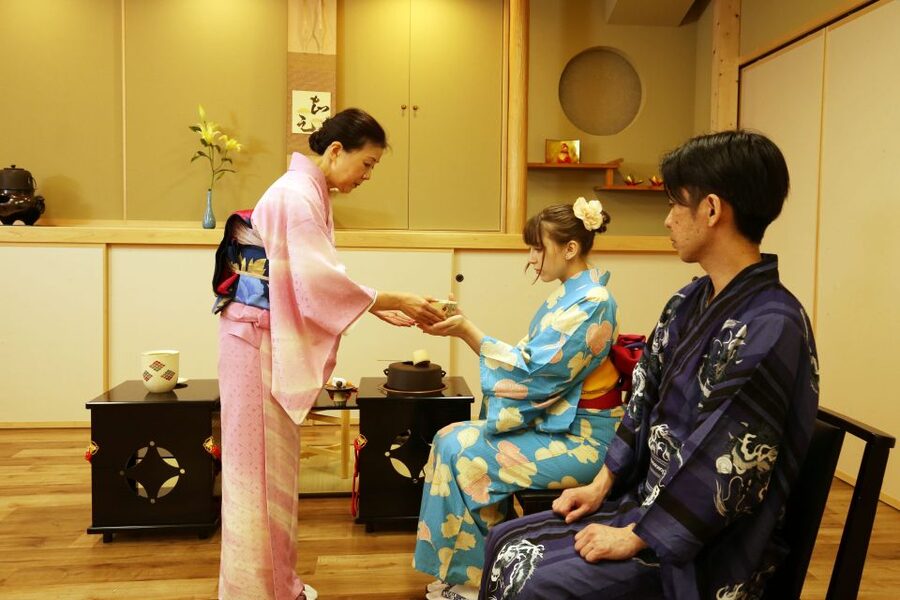
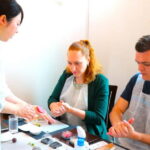
The standout part of this experience is the fact that you don’t just get a one-time viewing. After the initial ceremony, you’ll do a second tea ceremony yourself, with an instructor guiding you through the motions.
That hands-on segment is where the lesson really clicks for most people. It forces you to pay attention to sequence and technique—things you can’t fully understand by watching alone.
In a small class, the instructor can correct details without rushing you. That’s especially helpful if your first attempt feels awkward. The goal isn’t perfection; it’s learning what matters in the process and why those steps exist.
If you want value from your time in Tokyo that goes beyond photos, this “you do it” portion is the difference-maker.

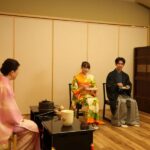
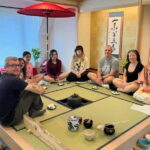
Comfort in a tea room: floor seating options and how the class is set up
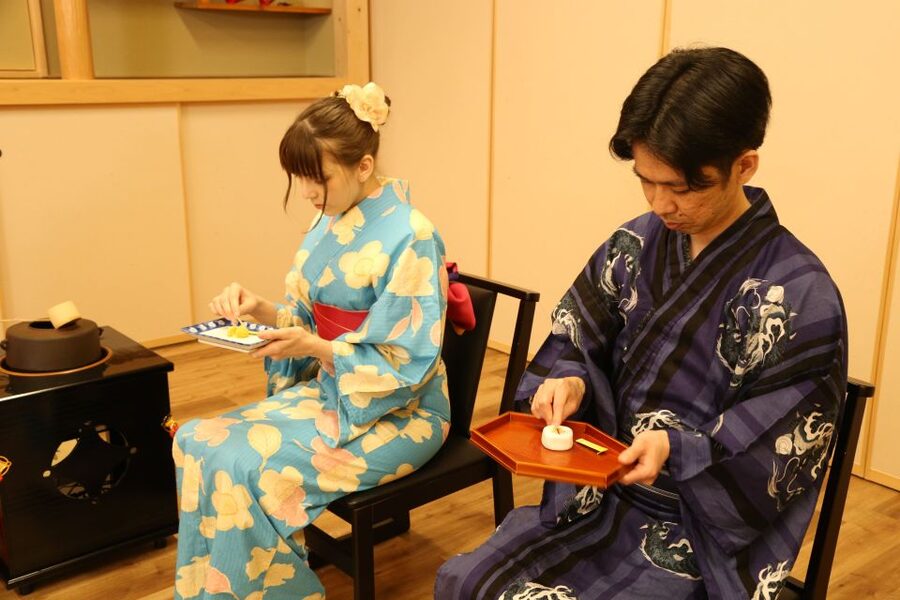
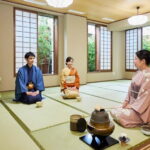
A real practical note: you may be seated on the floor, but seats are available if you prefer not to sit on the floor. That’s a big deal in Tokyo classes, where many traditional experiences assume everyone can sit comfortably for a stretch of time.
In addition, the group stays small (limited to 10 participants). That small size isn’t just for charm. It helps with visibility—so you can see the utensil handling—and it helps with understanding, since the instructor is speaking in English and can keep the pace clear.
Quiet matters here. You’re expected not to make noise, because this is a Zen-focused setting. If you’re the type who gets distracted easily, treat this like a “phones down” experience and you’ll get far more from it.
English instruction that actually keeps up
The instructor is English-speaking, and the class is built for people who start with little or no knowledge of Japanese tea ceremony traditions.
A key detail: the instruction doesn’t stop at history. You’re guided through preparation and the movements that go with it. That’s a good balance—because “history only” tends to fade after the class, while “history + practice” sticks.
Some instructors named in past experiences include tea masters such as Junko, Ken, and Midori. Even if your instructor is different, the teaching approach seems consistent: clear explanations, careful demonstrations, and step-by-step coaching when it’s your turn.
Price and value: what $63 buys you in Tokyo
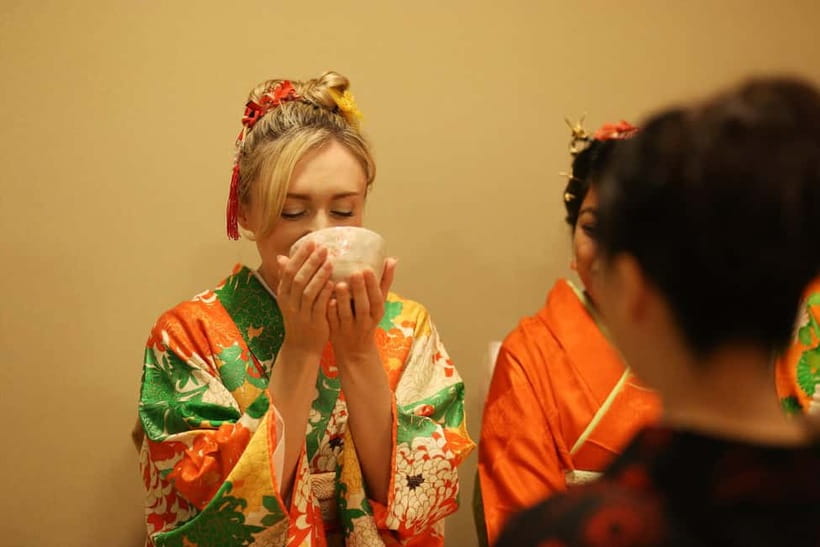
At $63 per person for 75 minutes, this is not the cheapest activity in Tokyo. But it’s also not overpriced for what you actually get.
Here’s the value math that matters:
- You get two parts: an instructor-led ceremony and a ceremony you perform.
- You get matcha and traditional sweets, which are part of the lesson, not a random snack.
- You get English instruction with time to learn the utensils and movements.
- You’re in a small group, which improves learning and reduces “stand and watch from far away” frustration.
If you’re choosing between a quick cultural stop and a deeper skill-based experience, this one wins on participation. You’re not just looking—you’re doing. That usually makes the cost feel more reasonable.
Who this is best for (and who should skip it)
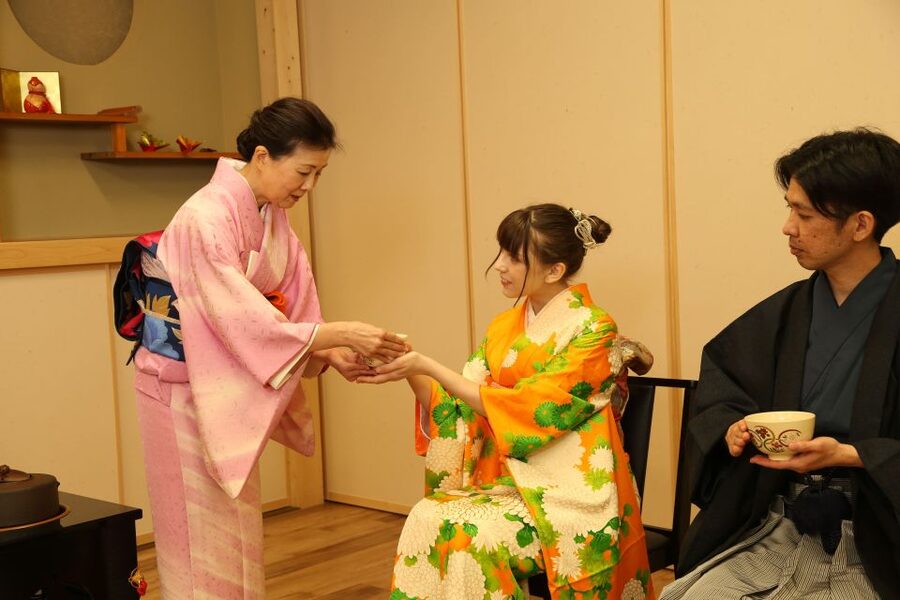
This is a great fit if you want a calmer, more thoughtful activity in Tokyo that doesn’t require prior knowledge. It’s especially good for:
- People who like learning through doing, not just listening
- Travelers who want a real cultural practice tied to Zen
- Anyone who appreciates Japanese art details, architecture, and symbolism
It’s not a good fit if you:
- Need a very loud, lively atmosphere
- Won’t follow the quiet expectation (no making noise)
- Are traveling with very young kids—this experience is not suitable for children under 4
Also, if you’re extremely sensitive to sound, consider that the venue might carry nearby activity noise. Some previous experiences specifically noted that the setting wasn’t perfectly soundproof, which can break the Zen vibe if you’re hoping for total silence.
How to get the most out of your 75 minutes
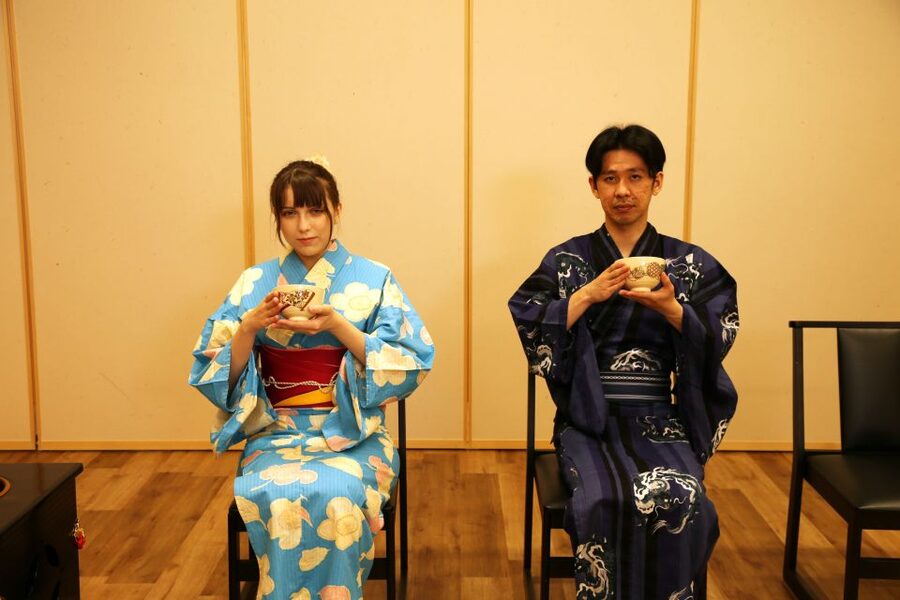
To make the most of this short session, treat it like a focused workshop:
- Arrive on time so you can settle into your seating comfortably.
- Watch the first ceremony closely—then ask questions during your practice segment.
- Pay attention to how the utensils are handled. Those small differences are usually what the instructor is teaching.
- Keep your body relaxed. The class is designed to help you succeed, but your comfort helps you concentrate.
If you go with the mindset that you’re learning a ritual, not acing a performance, the experience will feel more meaningful.
Should you book this Zen tea ceremony near Tokyo Tower?
If you want a Tokyo activity with real participation—matcha, sweets, Zen context, and a second ceremony you perform—this is a strong yes. The price feels fair because you’re buying instruction plus hands-on practice, not just a show.
I’d especially recommend it if you’re the kind of traveler who likes quiet moments and is curious about how Japanese culture connects belief, aesthetics, and everyday practice. If you can handle a quiet room and you’re open to sitting comfortably (with chair seating available if needed), booking this is an easy decision.