REVIEW · TOKYO
Japanese Traditional Breakfast and Tea Ceremony
Book on Viator →Operated by True Japan Tour · Bookable on Viator
Morning matcha has a way of resetting you. This 90-minute Tokyo experience pairs a traditional light breakfast with a guided Zen-inspired tea ceremony led by a bilingual tea master, plus a short meditation to help you start the day calm and focused. I especially like the hands-on approach (you’ll make your own tea), and I love the clear English explanations that help you understand the why behind the ritual. One thing to consider: the venue is easy to miss if you arrive late, so plan a little extra time.
Beyond the matcha itself, you get to learn the little details that make the ceremony feel intentional instead of performative. You’ll also spend time with a hanging scroll that expresses the spirit of Zen, and you’ll be guided through Zen practices and tea utensils in English. The main drawback is that the breakfast and sweets are light, so if you’re the type who needs a big morning meal, you may want a follow-up plan.
You’re capped at a small group size (up to 28), so the vibe stays relaxed. At $60.81 per person, it’s not a “cheap and cheerful” activity, but the mix of tea instruction, tea master guidance, and the food makes it feel like you’re buying a focused morning experience rather than just watching someone pour tea.
In This Review
- Key things that make this tour worth it
- Your morning plan: where this starts and what to expect
- Entering Zen with a short meditation before the tea
- Japanese breakfast basics: rice balls, sweets, and a light start
- The tea master moment: matcha made with care
- The hanging scroll and Zen practices: what you should actually notice
- Making your own tea: the part you’ll remember
- Food, tea, and timing: why the 90 minutes works
- Price and value: is $60.81 worth it?
- Who this tour fits best
- A realistic note on venue-finding (and how to avoid stress)
- Should you book this Japanese breakfast and tea ceremony?
- FAQ
- What time does the experience start?
- Where does the experience meet?
- Do I need to arrange transportation to the venue?
- What’s included in the breakfast?
- Do I just watch the tea ceremony or can I participate?
- Is the tea master teaching in English?
- What should I drink during the experience?
- Is the experience weather-dependent?
Key things that make this tour worth it
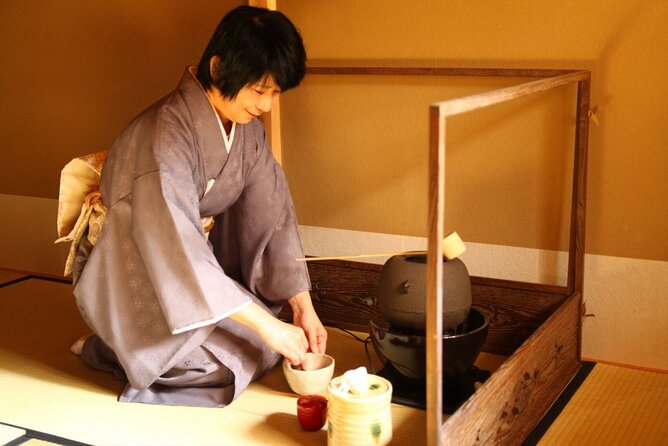
- Make your own matcha tea during a second, guided round
- Meet a tea master with bilingual (English) instruction and hospitality
- Zen talk you can use at home, including hanging scroll meaning and utensil basics
- Breakfast plus Japanese sweets that fit a true morning rhythm
- Short meditation to set your mindset before the tea
Your morning plan: where this starts and what to expect
This experience runs from 9:00 am for about 1 hour 30 minutes, and it ends back where you meet. That matters because you don’t need to build in extra transit time or chase a second location after breakfast and tea. You’ll also get a mobile ticket, and the activity runs near public transportation, which helps in a city where mornings can feel like a schedule test.
The meeting point is Kikai Shinkō Kaikan, 3-chōme-5-8 Shibakōen, Minato City, Tokyo. One helpful tip: arrive a few minutes early. Even when the tour is straightforward on paper, venues in Tokyo can be tricky to spot if you’re just following the last ten meters from your map.
Also, no pickup or drop-off is included. You’ll want to think of this as a “go there yourself” morning, then enjoy the rest without worrying about the logistics.
You can also read our reviews of more tours and experiences in Tokyo.
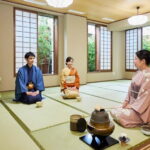
Entering Zen with a short meditation before the tea
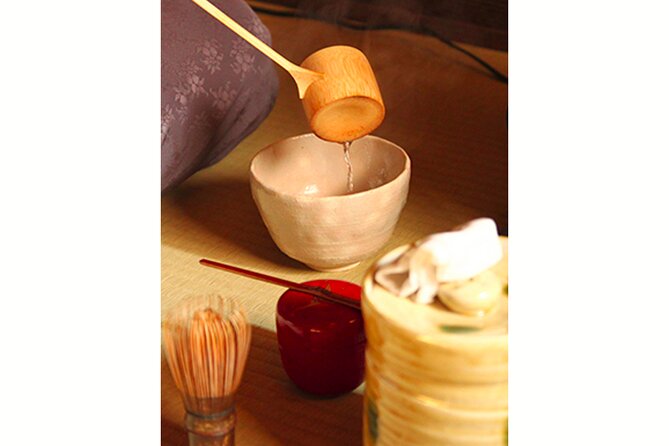
The ceremony isn’t only about matcha. You get a short meditation period to start you feeling calm and centered, which sets the tone before the tea work begins. Even if meditation isn’t your thing, I like this structure because it turns the ceremony into something you participate in mentally, not just with your hands.
Then the hospitality begins, guided by a nationally certified guide interpreter. You’ll get explanations in English throughout, so you aren’t left guessing about what to do, why you’re doing it, or what to pay attention to.
This is a good moment to adopt a simple mindset: slow down, watch the movements, and let the rhythm land. You’ll likely hear commentary on Zen practices during the experience, including what the ceremony is trying to teach through form and attention.
Japanese breakfast basics: rice balls, sweets, and a light start
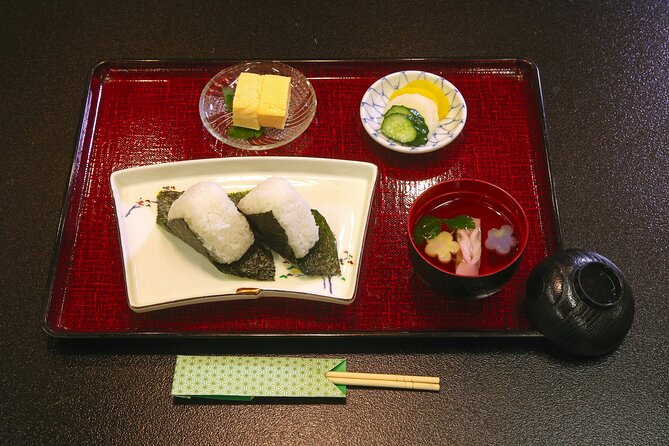
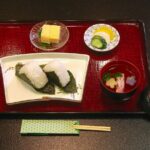
Instead of a typical hotel spread, you’ll enjoy a light breakfast served during the experience. You can expect freshly prepared rice balls (onigiri-style), plus other local flavors. This is one of those meals that feels like it matches the tempo of the day: warm, comforting, and not heavy.
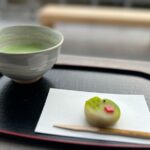
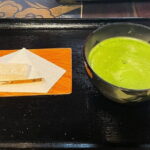
Traditional Japanese sweets (sweet confections) are also included. In a short morning like this, that matters because sweets here aren’t an afterthought. They’re part of the experience’s pacing, and they give you a taste of the kind of small, intentional treats that often show up in Japanese tea contexts.
If you’re used to big breakfasts, treat this as a “morning ritual meal,” not a full fuel-up. You might want a proper second breakfast or brunch planned later, especially if your schedule is active.
The tea master moment: matcha made with care
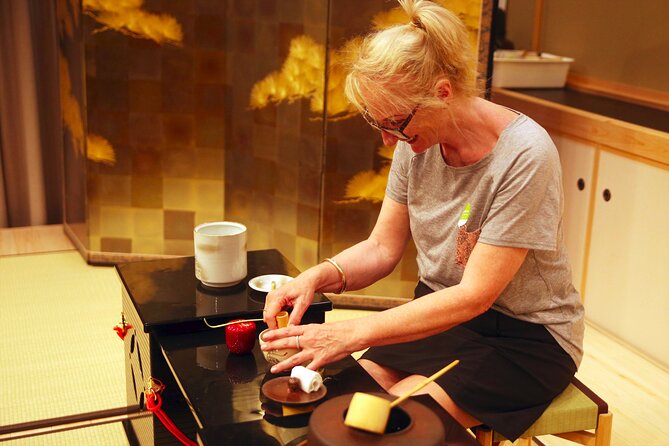
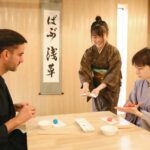
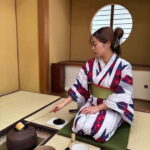
One of the top reasons people love this experience is the tea master instruction. The host makes matcha during the ceremony using high-quality matcha, and you’ll hear explanation of tea ceremony elements, Zen practices, hanging scroll themes, and tea utensils in English.
The tea master in this experience has at least 5+ years of experience, and the tea master is licensed with English support. That combination is practical: you can ask questions, you understand what you’re seeing, and you get more than a vague overview.
Here’s the part that often makes tea ceremonies click for beginners: the ceremony isn’t just about drinking. It’s about attention. You’ll be taught how to approach each step with intention, which is exactly what you want when your main goal is to learn rituals you can recreate at home.
The hanging scroll and Zen practices: what you should actually notice
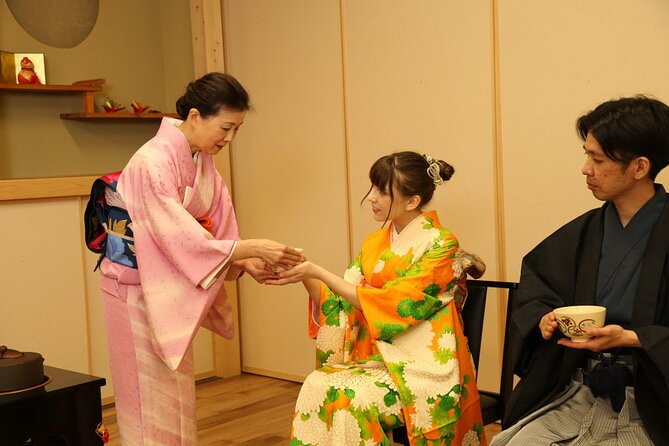
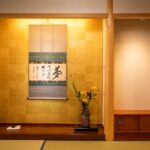
You’ll learn about a hanging scroll that expresses the spirit of Zen. That’s not just decoration in this setting. It’s a visual focus point tied to the meaning of the ceremony, and the guide explains it as part of the overall teaching.
If you want to get more out of this, use your eyes like you’re reading. Look for what the scroll suggests emotionally or conceptually, then connect that to what you’re told about calm attention and mindful presence. Even if Zen terminology feels abstract, the experience gives you a bridge through translation and context.
The key value here is clarity. You’re not left with an art object and a shrug. You’ll understand why it’s there and what spirit it’s meant to represent within the tea ceremony.

Making your own tea: the part you’ll remember
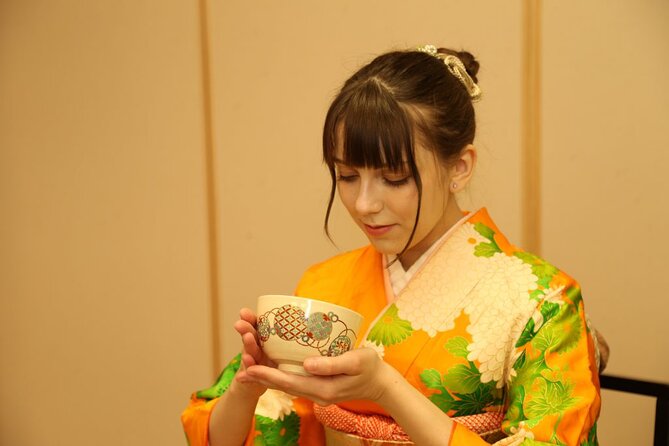
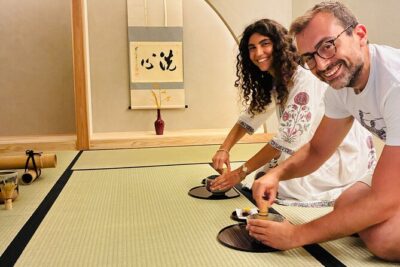
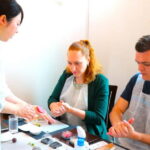
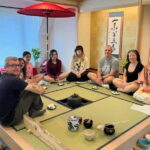
This is the hands-on highlight: you’ll do a second tea ceremony performed by yourself, with instruction. That means you’re not only watching the host work; you’re practicing. And in a 90-minute slot, that matters because skill sticks faster when your hands are involved.
During your turn, you’ll be guided through how to make tea and what to pay attention to as you do it. The experience is designed so you can learn the matcha tea rituals in a way that’s realistic to repeat at home, not just theater for your vacation camera.
If you’re the kind of person who loves learning small techniques, this will feel satisfying. You’ll walk away with practical muscle memory plus an understanding of what the movements are for.
Food, tea, and timing: why the 90 minutes works
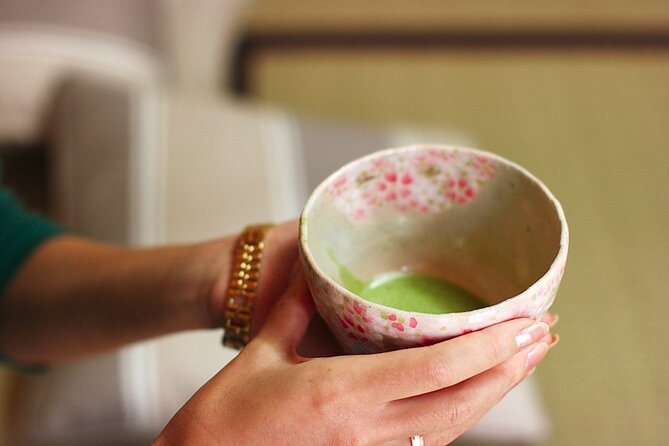
The full session blends breakfast, sweetness, tea, explanation, and a short meditation into one smooth flow. That timing is ideal for jet-lagged mornings or first days in Tokyo when you want culture without spending half your day in transit.
Because it’s a group experience with a maximum of 28 people, it won’t feel like you’re stuck in a crowd. It’s large enough to be social, but small enough that instruction can stay clear.
Also, the experience includes traditional Japanese sweets and breakfast, which makes the tea portion feel less like you’ve paid for an activity-only show. You’re paying for a full morning ritual: what you eat, how you drink, and what you learn between sips.
Price and value: is $60.81 worth it?
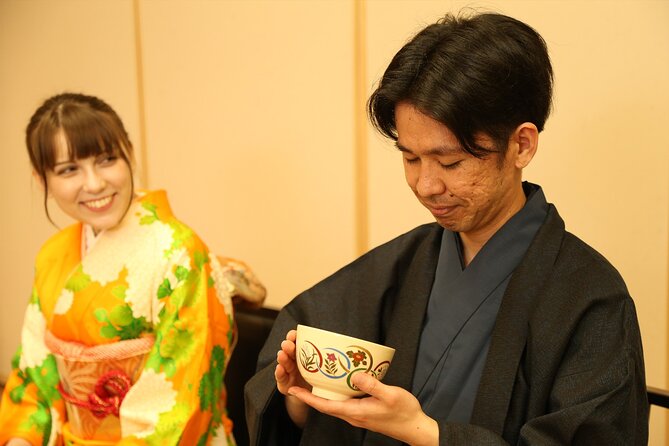
At $60.81 per person, this is firmly in the “guided experience” category. But here’s where the value comes from: you’re not just tasting matcha. You’re getting bilingual, licensed tea master guidance; a structured explanation in English of tea ceremony elements; a hanging scroll discussion; and the opportunity to make tea yourself in an instructed second ceremony.
For many visitors, matcha tasting alone would be worth less than this. The reason this price works is the teaching component. You’re buying the chance to learn how to do the ritual, not just sample the drink.
Add in the included breakfast and sweets, and it starts to look like paying for a private-feeling lesson that happens to include food. If you want a souvenir that isn’t a trinket, skills you can recreate at home are the best kind.
Who this tour fits best
This works especially well if you:
- Want something calmer than a standard Tokyo morning walking tour
- Like learning cultural context, not only taking photos
- Enjoy cooking-adjacent activities, even when it’s tea instead of food prep
- Travel in a small group and want an experience that feels family-friendly
One more detail that came through strongly: the tea master’s explanations make this feel friendly even when you’re new to tea ceremonies. If you’re a beginner, that’s a big win. If you’re already into matcha, you’ll still appreciate the focus on utensils, ritual, and the Zen framing.
If you’re on a tight schedule and need a full breakfast, you might find the included meal lighter than you want. In that case, treat it as a cultural morning first, then plan a solid meal after.
A realistic note on venue-finding (and how to avoid stress)
Tokyo venues can be precise addresses tucked inside busy areas, and this is exactly the kind of activity where arriving stressed can spoil your first impression. If you’ve ever had trouble locating a side building or a multi-tenant facility, you’ll understand why arriving early helps.
Do this: check the exact address format (including the numbers in Shibakōen and Minato City), then give yourself a buffer. Once you’re there, you’ll be set for a smooth start at 9:00 am.
Should you book this Japanese breakfast and tea ceremony?
Book it if you want an authentic Tokyo morning that teaches you something you can actually carry home: how matcha tea rituals are practiced, what the ceremony means, and how to participate instead of just observe. The best parts are the tea master instruction in English, the Zen framing (including the hanging scroll), and the chance to make your own tea during the second ceremony.
Skip it (or pair it differently) if you want a heavy breakfast or you’re only interested in quick sightseeing. This is not a “see everything Tokyo has to offer” stop. It’s a focused cultural hour-and-a-half that trades breadth for depth and calm.
If you’re building a Tokyo itinerary around food and daily rituals, this one belongs early in your trip. It’s the kind of experience that helps you understand the country’s attention to detail in a way you’ll feel for the rest of the week.
FAQ
What time does the experience start?
It starts at 9:00 am and runs for about 1 hour 30 minutes.
Where does the experience meet?
You’ll meet at Kikai Shinkō Kaikan, 3-chōme-5-8 Shibakōen, Minato City, Tokyo 105-0011, Japan.
Do I need to arrange transportation to the venue?
Pick-up and drop-off aren’t included, so you’ll need to get yourself to the meeting point.
What’s included in the breakfast?
A light breakfast is included, including rice balls and other local flavors, plus traditional Japanese sweets.
Do I just watch the tea ceremony or can I participate?
You participate. There’s a tea ceremony performed by the host, and then you do a second tea ceremony yourself with instruction.
Is the tea master teaching in English?
Yes. Explanations and tea ceremony instruction are provided in English by a bilingual licensed tea master.
What should I drink during the experience?
You’ll drink authentic matcha green tea made during the ceremony.
Is the experience weather-dependent?
Yes. If it’s canceled due to poor weather, you’ll be offered a different date or a full refund.