REVIEW · KYOTO
Kyoto Newly Opened Tea Ceremony – Sanjo Chasuian
Book on Viator →Operated by Sanjo Chasuian · Bookable on Viator
Matcha magic starts quietly. This newly opened Kyoto tea ceremony at Sanjo Chasuian focuses on how matcha is made, not just watching. You get the rituals, the tools, and step-by-step guidance in a calm room that makes the whole experience feel unhurried.
What I like most is the hands-on format: you choose a bowl and whisk along. You also drink two cups—one prepared by the host and one you make yourself. A small group (max 10) helps keep things personal, and the teacher’s explanations are easy to follow, including the why behind each move.
One thing to plan for: it’s a quiet, timed session where the door locks once it begins. Even 1 minute late can mean you can’t join, and you’ll want to be ready for floor seating (chairs are available too) and to wear or bring socks.
In This Review
- Key things to know before you go
- Why Sanjo Chasuian’s Kyoto tea ceremony feels more personal
- The Nijiriguchi crawl-in entrance: a quick break from Kyoto noise
- From bowl choice to whisking matcha: the hands-on flow
- A note on language and teaching style
- Seasonal Japanese sweets: why they matter, not just what they are
- What you’re really learning (and how to use it at home)
- Practical stuff before you go: socks, floor seating, and timing
- Socks are required
- Seating: chairs exist, but plan for stillness
- Timing is strict
- How to find it fast
- Price and value: is $32.77 fair for Kyoto matcha?
- Who should book this Kyoto matcha experience (and who might skip)
- Should you book this tour?
- FAQ
- FAQ
- How long is the Kyoto tea ceremony at Sanjo Chasuian?
- What is the group size for this experience?
- What does the tour cost?
- What’s included with the ticket?
- Do I get to make matcha myself?
- Is the ceremony conducted in a quiet setting?
- Are socks required?
- What should I know about arriving on time?
Key things to know before you go
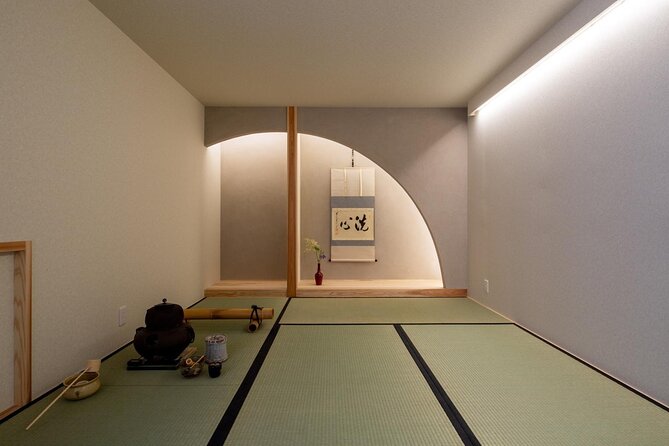
- Small-group tea ceremony (max 10) for a more intimate, teachable pace.
- Two bowls of matcha: one served by the host, one whisked by you.
- Nijiriguchi entry: a crawl-in entrance that turns the room into a “reset button.”
- Seasonal Kyoto sweets included from a sweet shop with 100+ years of history.
- A step-by-step tea master lesson with practical matcha skills you can reuse at home.
- Strict timing: entry is allowed only up to the start time, and late arrivals can miss the session.
Why Sanjo Chasuian’s Kyoto tea ceremony feels more personal
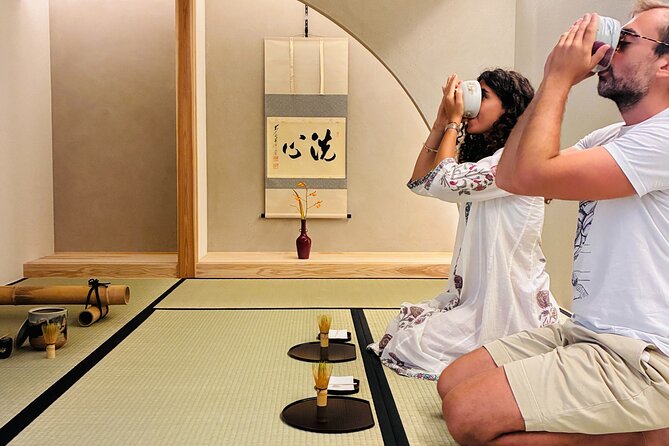
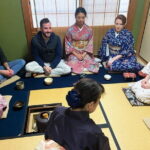
Kyoto can be loud, even when you’re trying to slow down. This tea ceremony is built for the opposite mood. The room is described as serene and quiet, and the small size (up to 10 people) matters more than you might think. In a bigger class, you can end up watching. Here, you actually do the work—holding the bowl, whisking, adjusting your rhythm.
The vibe is also welcoming. In English-language instruction, the tea master’s explanations and Q&A time are repeatedly praised, with one host named Yuko specifically called out for being patient and warm. That’s not just “nice”—it helps you understand what you’re seeing instead of treating it like a performance you can’t read.
At about 1 hour, you get a full experience without a half-day commitment. For first-timers, that balance is gold: enough time to learn, not enough time to get bored or restless.
You can also read our reviews of more tours and experiences in Kyoto.
The Nijiriguchi crawl-in entrance: a quick break from Kyoto noise
There’s a moment right at the start that sets the tone: the tea room has a Nijiriguchi, the low crawl-in entrance guests use to enter. It’s not just a quirky photo spot. The point is symbolic—leaving the outside world behind and moving into a space where attention slows down.
Expect a short physical transition. You’ll crouch and pass through the entrance, then settle into the ceremony space. It’s the kind of reset that’s hard to fake. Even if you’re not into rituals, you’ll probably notice your brain catching up to your body once you’re inside.
If you’re traveling with anyone who gets overwhelmed by too much stimulation, this part helps. The room basically forces you to stop multitasking. No scrolling. No rushing. Just pay attention to what you’re doing.
From bowl choice to whisking matcha: the hands-on flow
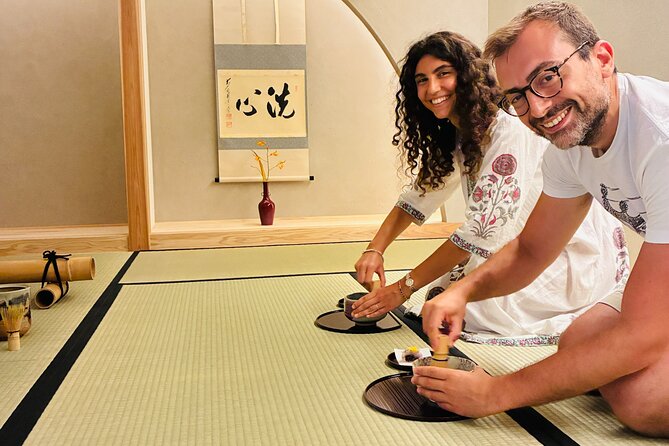
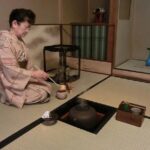
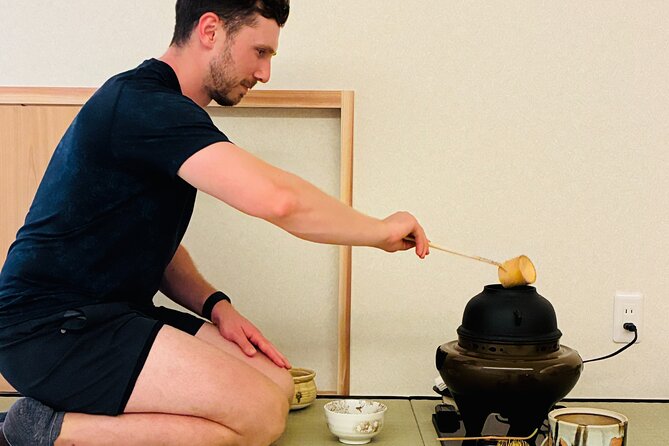
The ceremony follows a structure that makes sense even if it’s your first time. You start by observing the host’s movements. You’re not just staring—you’re learning the sequence and the logic behind each step.
Then comes the part you’ll remember: you make matcha.
Here’s what you can expect in practice:
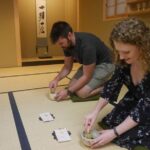
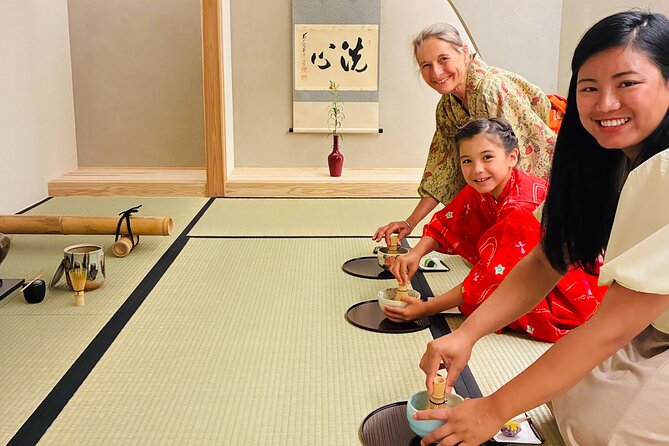
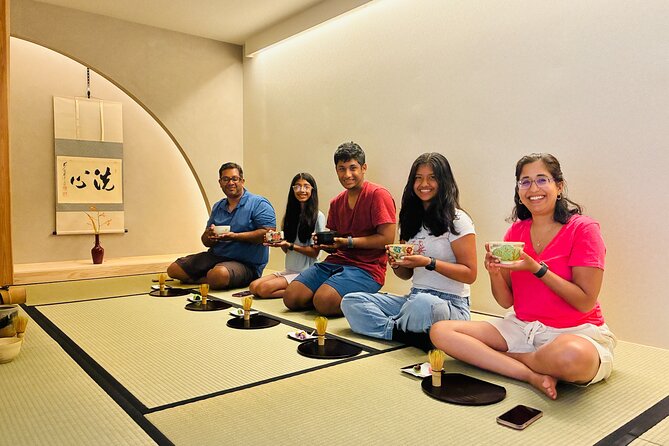
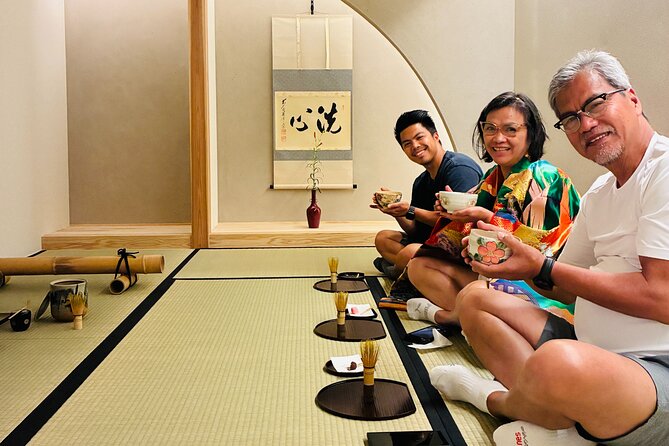
- You’ll choose a tea bowl and get ready to whisk.
- You watch the host do it first, so you can copy the motion without guessing.
- Then you whisk your own matcha—using the tools and technique shown.
You’ll drink two servings in total:
1) matcha made by the host
2) matcha you whisk yourself (or with a companion, depending on how the session guides you)
That’s a big deal for value. Many “tea ceremony experiences” stop at tasting. This one builds in actual participation. And because you get to taste the host’s cup and your own back-to-back, you can sense the difference right away. That comparison is the fastest way to learn what “good” feels like in real terms.
Also, take the instruction seriously in small ways. Tiny changes in whisking and posture can affect foam and texture. You’re not expected to become a master in an hour. But you are expected to try, and the teacher’s step-by-step pace makes that doable.
A note on language and teaching style
English is used, and the instruction is praised for being clear and accessible. If you’re worried about understanding Japanese customs, don’t be. The teacher explains both the history and the practical reasons for each action. Even when there’s an accent, people report being able to catch the key points and ask questions comfortably.
Seasonal Japanese sweets: why they matter, not just what they are
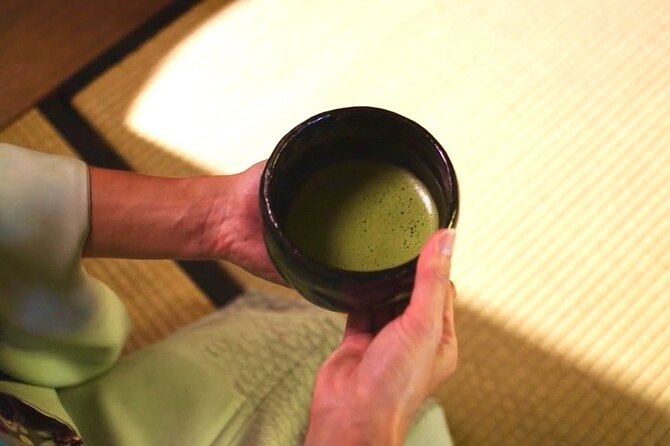
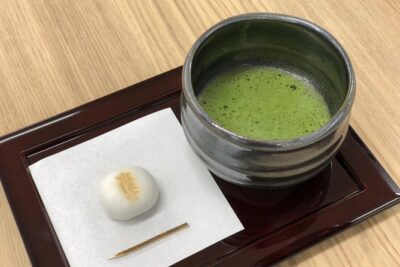
You’ll get traditional seasonal Japanese confectionary as part of the experience. It’s described as coming from a Kyoto sweet shop with over 100 years of history, which gives the treats more depth than a random cookie-and-tea moment.
These sweets are typically chosen to pair with matcha—light enough not to overwhelm, and seasonal so you’re tasting something tied to Kyoto’s food calendar. Even if you’re not the type who tracks “seasonal” as a hobby, you’ll likely appreciate the care.
One practical tip: those sweets can look almost too pretty to touch. But you’ll want to eat them while they’re fresh. Matcha and sweets are meant to be a matched pair, not a “save for later” snack.
What you’re really learning (and how to use it at home)
A tea ceremony can feel like a museum piece. This one tries hard not to be.
The lesson is framed around mindfulness and ritual, but the takeaway is more practical:
- You learn the sequence of making matcha
- You learn how the utensils are used and why the host handles them a certain way
- You get your own chance to whisk and taste, so you can adjust
That combination helps you recreate the experience at home without turning it into guesswork. Even if you don’t own every traditional tool, you’ll understand the goal: the texture of the foam, the steadiness of your whisking, and the pacing of the process.
Also, pay attention to the atmosphere. The ceremony is meant to be quiet and reflective. That doesn’t mean you need to be silent like a library. It means you slow your movements, treat the bowl with care, and focus on the steps instead of multitasking.
If you’re traveling and planning a “try it later” list, this is one of those experiences that actually makes the list easier. You’ll leave with a mental model you can repeat.
Practical stuff before you go: socks, floor seating, and timing
This is where you win or lose the experience.
Socks are required
You’re asked to bring or wear socks during the experience. If you forget, you’ll likely be stuck improvising. Pack them.
Seating: chairs exist, but plan for stillness
Chairs are available, but the ceremony involves a calm, seated routine. People note there’s often a lot of sitting on the floor. If your knees are sensitive, choose chairs early and adjust your comfort before the ceremony starts.
Timing is strict
Entry is allowed from 5 minutes before the start time. Once it begins, the door is locked. Even 1 minute late can mean you can’t join, and there’s no refund.
So do this:
- Arrive a few minutes early and use that time to settle.
- Don’t treat it like a flexible workshop.
- If you’re coming during busy train transfer hours, build in extra buffer.
How to find it fast
A very practical navigation tip: Google Maps can route you down a smaller street. Instead, stay on the main street and look for a green matcha ice cream cone in front. It’s a simple landmark that can save you stress.
Price and value: is $32.77 fair for Kyoto matcha?
At $32.77 per person for about 1 hour, this isn’t the cheapest thing you’ll do in Kyoto—but it also isn’t overpriced for what you get.
Here’s what you’re paying for, in plain terms:
- Small group size (max 10), which keeps instruction focused
- Two matcha servings, including one you whisk yourself
- Seasonal Japanese sweets included
- A structured lesson with a tea master giving step-by-step explanations
- A traditional tea room entry experience through the Nijiriguchi
If you compare it to a “tasting-only” option, the second cup you whisk is a major upgrade. If you compare it to a full private class, the group format is what keeps the price reasonable. For many people, this hits the sweet spot: interactive, traditional, and short enough to fit any Kyoto day plan.
Who should book this Kyoto matcha experience (and who might skip)
Book this if you:
- Want a first-class introduction to matcha preparation
- Like hands-on activities more than watching
- Enjoy Kyoto culture that’s quiet and respectful, not rushed sightseeing
- Prefer a smaller group experience with room for questions
You might consider skipping or choosing another format if:
- You know you can’t handle floor seating for a while, even with chairs as an option
- You’re chronically late and won’t be able to arrive early enough (the timing rules are strict)
- You’re looking for a long, wandering tour rather than a focused ritual session
Should you book this tour?
Yes, I’d lean toward booking if you want an authentic Kyoto cultural activity that you can repeat at home. This is one of those experiences where the value isn’t only in the tasting—it’s in the doing. You’ll leave with matcha practice, a better understanding of the steps, and a calmer brain than you had when you walked in.
If you book, plan to arrive early, wear socks, and commit to slowing down once you enter through the Nijiriguchi. That’s when the experience goes from “interesting” to genuinely satisfying.
FAQ
FAQ
How long is the Kyoto tea ceremony at Sanjo Chasuian?
It runs for about 1 hour.
What is the group size for this experience?
The session has a maximum of 10 travelers.
What does the tour cost?
The price is $32.77 per person.
What’s included with the ticket?
You’ll receive two cups of matcha from Kyoto—one made by the host and one you make yourself—and traditional seasonal Japanese confectionary.
Do I get to make matcha myself?
Yes. You’ll choose a tea bowl and whisk your matcha during the hands-on part of the ceremony.
Is the ceremony conducted in a quiet setting?
Yes, it’s described as serene and quiet.
Are socks required?
Yes. You should bring or wear socks during the experience.
What should I know about arriving on time?
Entry is allowed from 5 minutes before the start time. Once the session begins, the door will be locked, and even 1 minute late means you can’t join.