REVIEW · KYOTO
Tea ceremony and kimono experience at Kyoto, Tondaya
Book on Viator →Operated by 冨田屋 · Bookable on Viator
Kyoto teaches tea with silk and wood. At Tondaya, you get a kimono fitted on the spot and spend your time inside a Meiji-era machiya where the tea ceremony feels like part of the house, not a stage.
I really like the mix of hands-on dressing plus a guided tea session you can actually follow. One possible snag: it’s run as a group experience, so if your group is large, seeing (and hearing) the ceremony can get harder and the pacing can feel rushed.
In This Review
- Key Things You’ll Notice Right Away
- Why This Machiya Tea Ceremony Feels Different Than a Standard Show
- Price and Logistics: What You’re Really Paying For
- Finding Tondaya (冨田屋) in Kyoto: Easy With GPS, Tricky on Foot
- Arrival Flow: Kimono Fitting, Then a Photo-Friendly House Tour
- The Tea Ceremony in Practice: How It Feels, What You Learn, What You Taste
- Group Size Reality Check: When the Experience Gets Crowded
- Kimono Experience Details: Choosing Colors and Wearing It Comfortably
- Socks, Sandals, and Small Etiquette Choices That Actually Matter
- Timing: The 1.5-Hour Limit and Why It Can Feel Short
- Who This Is Best For (And Who Should Choose Private)
- What I’d Do to Make This Worth It
- Should You Book This Tondaya Tea Ceremony and Kimono Experience?
- FAQ
- How long is the tea ceremony and kimono experience at Tondaya?
- Is this a group tour or a private experience?
- What’s included in the ticket price?
- Do I need to bring anything?
- Are geta (traditional wooden sandals) included?
- Can I take photos during the visit?
- Where do I meet for the tour?
- Can I cancel for free?
Key Things You’ll Notice Right Away
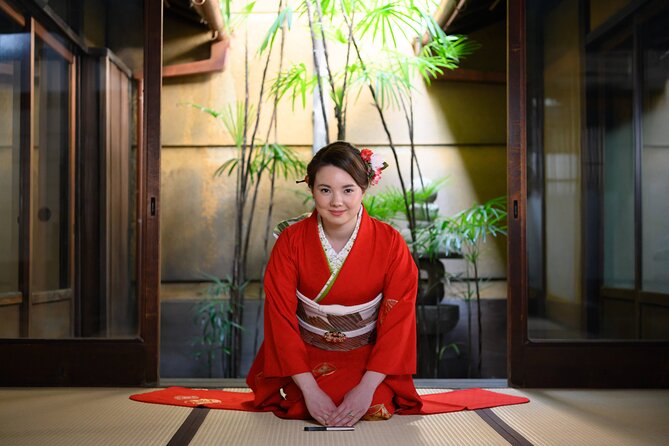
- Machiya setting: a traditional Kyoto townhouse that functions as the museum space for the ceremony
- Kimono fitting first: the outfit comes right at arrival, plus time to photograph the house after you’re dressed
- Photo-friendly visit: you’re encouraged to take photos throughout the experience
- Matcha ceremony instruction: you watch the ritual and learn the steps and serving flow
- Time is capped: the activity allows up to about 1.5 hours, and crowd levels can shift timing
- Socks matter: socks are required, and you should bring your own
Why This Machiya Tea Ceremony Feels Different Than a Standard Show
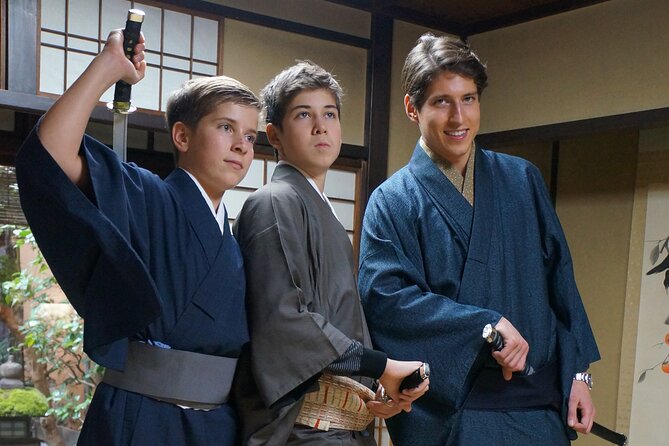
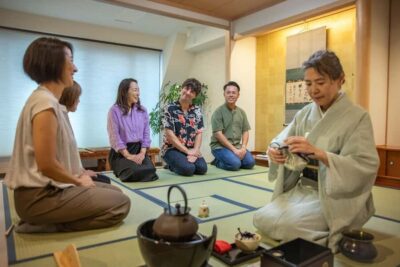
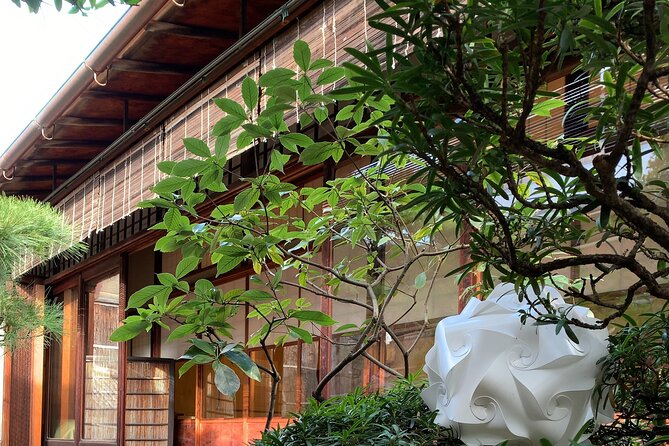
Most tea experiences in Kyoto feel like a performance you’re watching. This one feels more like a home moment you’re stepping into. The ceremony takes place in a historic wooden townhouse, a machiya, and the space shapes the mood—paper, wood, quiet corners, and seasonal air moving through the rooms. That matters, because tea is about attention. Even if the group setting limits the calm, you still get the right setting to pay attention.
The other big reason I think you’ll care: you’re not just in the room. You’re dressed. A traditional silk kimono is fitted for you right when you arrive, and you’re wearing it while you tour the townhouse and during the tea ceremony. That’s why this experience tends to become a highlight. It’s Kyoto in costume, but it’s also Kyoto in context.
You can also read our reviews of more tours and experiences in Kyoto.
Price and Logistics: What You’re Really Paying For
The price is $178.34 per person for about 1 hour 30 minutes (with a maximum set time). That’s not cheap. The best way to think about value here is not just the tea itself. You’re paying for a bundle:
- kimono fitting and wearing time
- access to a historic machiya space
- a guided tea ceremony in that space
- an entrance fee included in the ticket
When this goes well, you leave feeling you got something real—time, setting, and instruction together. When it doesn’t go well (usually due to crowding), visitors sometimes feel the ceremony ends quickly, the room can feel hectic, or the explanation doesn’t land as clearly as they hoped.
So here’s the practical take: if you care about the kimono moment and the historic house setting, the price starts to make sense. If you want a slow, hushed, one-on-one tea lesson, you should strongly consider the private option.
Finding Tondaya (冨田屋) in Kyoto: Easy With GPS, Tricky on Foot
The meeting point is Tondaya – Nishijin Japanese Cultural Experience Museum, 697 Ishiyakushichō, Kamigyo Ward, Kyoto. That location detail matters because it’s not in the main tourist pocket like Gion. You’re in Kamigyo Ward, so plan transit accordingly and expect a bit of walking once you’re dropped near the area.
One recurring real-world issue: signage. Several visitors describe it as easy to miss because it looks like a regular Japanese house until you’re right there. If you want an easier arrival, use GPS and arrive a touch early so you’re not searching while you’re trying to stay composed for the kimono fitting.
Also, the ticket is mobile, so you’ll just show it at check-in—no printing scramble.
Arrival Flow: Kimono Fitting, Then a Photo-Friendly House Tour
The experience starts by getting you into your outfit quickly and professionally. An authentic silk kimono is fitted promptly after you arrive. You’re dressing over your own clothes, and you’ll have time to get photos after you’re set.
This part is a big deal for first-timers. Kyoto kimono etiquette can feel intimidating, but the guides help you get into position and into the right look fast. You’re also given an introduction video explaining how to wear the kimono and how the tea ceremony process works. That means you’re not walking in blind.
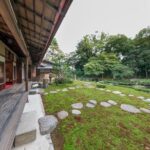
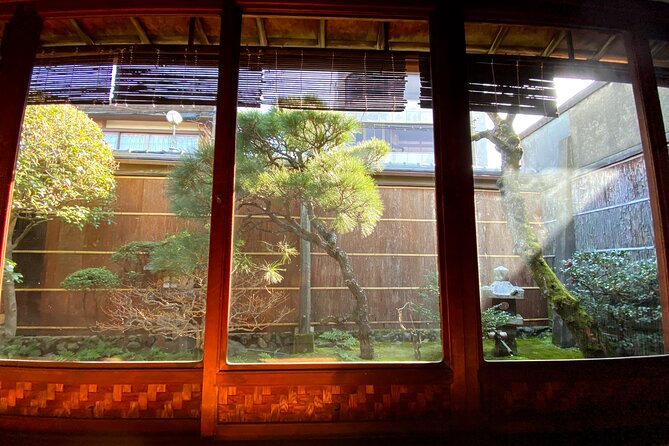
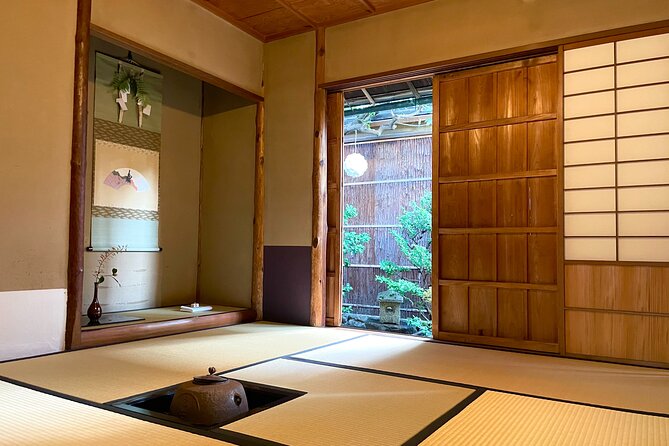
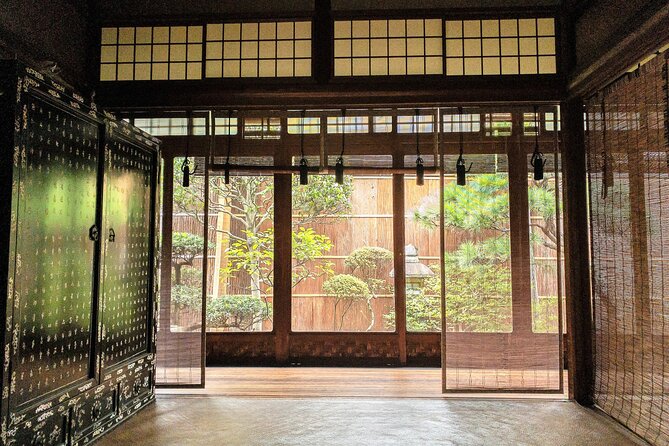
Then comes the house time. You can explore the machiya—originally built around the Meiji period—inside the Nishijin Lifestyle Museum setting. You’ll notice the layout and how the space channels light and air. Some rooms feel like they’re designed for pause: you can feel why a ceremony belongs here.
Photo time is built in. Visitors specifically appreciate being able to take lots of pictures around the house and even during the ceremony setup moments. If you’re the kind of person who wants a few good “Kyoto in a kimono” shots without turning it into an hours-long production, this flow works well.
The Tea Ceremony in Practice: How It Feels, What You Learn, What You Taste
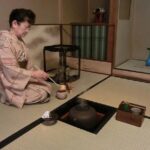
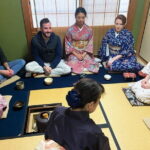
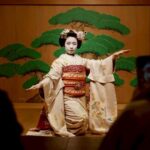
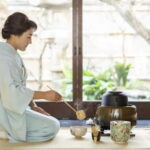
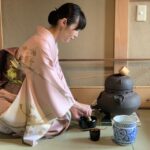
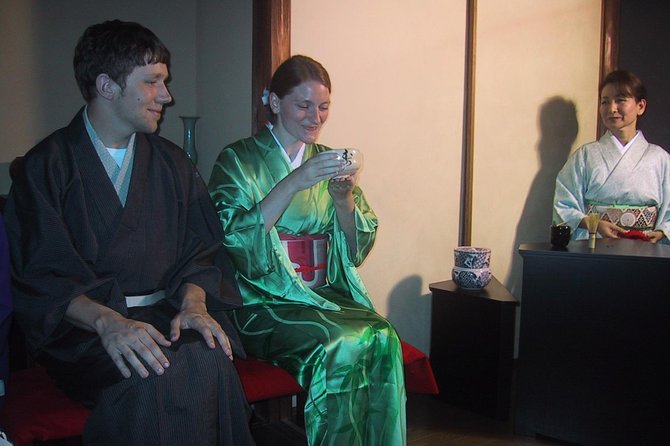
The tea ceremony itself is the heart of the experience. Tea is treated as inseparable from Japanese culture here, and you’ll watch a traditional tea performance while you’re in kimono.
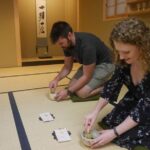
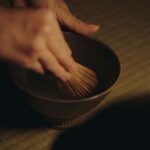
The instruction style can be excellent—or feel a bit rushed—depending on the group size and how the pacing works in that moment. A number of visitors describe the explanation as step-by-step, including the brewing and why certain actions happen. You’ll also learn how tea is served and how to drink it properly. That’s useful, even if you’ve watched tea videos online. Seeing it in person usually clicks faster than reading a guidebook.
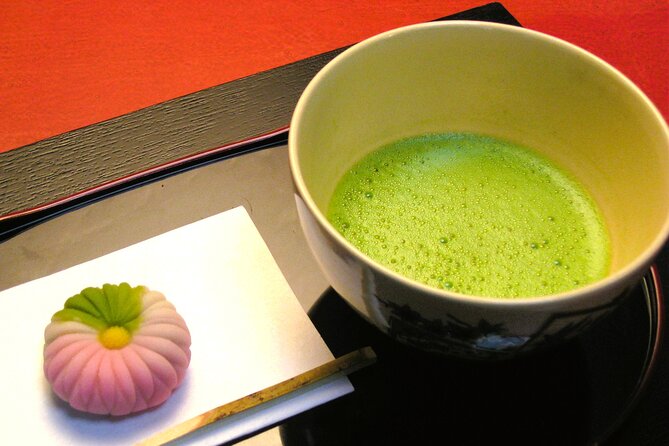
What you’ll likely taste: matcha tea, often with a sweet served alongside it. That sweet is small, but it’s part of the ritual. Some visitors felt it was tasty and memorable; others felt the ceremony didn’t meet expectations enough to justify the price. I’d treat it as a bonus, not the main event.
One detail to keep in mind: because it’s conducted in a group, the ceremony can happen in a way where everyone is close together. That can affect your line of sight. If you care a lot about seeing the host’s hands, you’ll want the private option, or at least to pick a session time when fewer people are around.
Group Size Reality Check: When the Experience Gets Crowded
This is where you should pay attention before you book. The experience runs in a group, and the maximum is listed at 20 travelers. That doesn’t sound huge, but in small rooms—even beautifully historic ones—size matters.
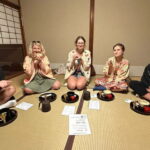
Some visitors loved their view and felt the guide gave a clear explanation. Others reported difficulty hearing or seeing because the room got hot, crowded, or chaotic when multiple groups were moving through the stairways and rooms at once.
Here’s what that means for you, realistically:
- If you’re okay with a little bustle for a once-in-a-lifetime kimono moment, you’ll probably be happy.
- If you’re sensitive to noise or prefer calm, this is exactly the kind of activity where a private setting can change everything.
If you’re booking as a couple or you want a quieter learning experience, the private option is the smartest way to reduce the chance of getting squeezed into the back or stuck in a position where you can’t follow the host’s motions.
Kimono Experience Details: Choosing Colors and Wearing It Comfortably
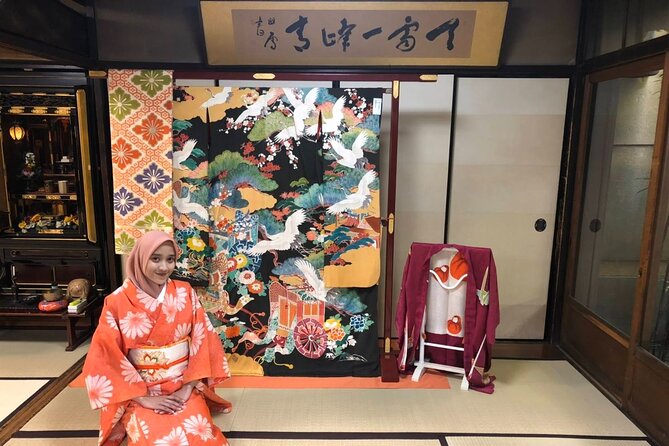
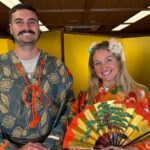
A lot of people book this because of the kimono—and that part generally delivers. You’ll be fitted in a silk kimono, and you’ll have a say in colors. Some visitors mention accessories and the overall look being well made. After dressing, you get time to take photos, including staged photo moments around the house.
A practical note: kimono day isn’t just about beauty. It’s about movement. If you’re not used to layered clothing, just plan to move a little slower than usual. The staff helps you get dressed, but you still need to walk carefully around wooden floors and stairs. Think “graceful turtle,” not “speedy tourist.”
And don’t forget the sock requirement.
Socks, Sandals, and Small Etiquette Choices That Actually Matter
You’re asked to bring socks to protect cultural assets. Socks are not included. You may also see traditional wooden sandals (geta) mentioned as not included, so assume you need to plan footwear basics around what’s provided during the visit.
For you, the best move is simple:
- bring clean socks in advance
- wear comfortable slip-friendly shoes to arrive, since you may change footwear as part of getting ready
If you show up without socks, you might have to buy them on-site (and that can cut into your time), so bring your own.
Also remember: you’re in someone’s museum-house experience. Don’t sprint between rooms for photos. Small respect moves help keep the vibe calm.
Timing: The 1.5-Hour Limit and Why It Can Feel Short
The maximum experience time is set at about 1.5 hours. Your actual schedule can vary depending on crowd levels.
Some visitors feel they got plenty out of that time: kimono fitting, house tour, a tea ceremony with enough explanation to understand the steps, and time for photos. Others felt the ceremony itself lasted only a short while and that they didn’t get as much history or detail as they expected for the price.
So the takeaway is clear: go in expecting a focused experience, not a long seminar. You’ll get the core ritual, and you’ll get the house moment and kimono day. If you want extra depth, the private option is likely the better fit.
Who This Is Best For (And Who Should Choose Private)
This experience suits you if:
- You want the Kyoto machiya setting, not just a generic performance
- You’re excited about wearing a kimono and taking photos
- You like structured guidance and want to learn how to drink tea properly
- You don’t mind sharing space with other small groups
It’s less ideal if:
- You want a silent, slow, highly private ceremony with uninterrupted focus
- You strongly need to see every hand motion and you hate crowding
- You’re planning a tight schedule and can’t absorb possible crowd-driven timing shifts
If any of those sound like you, choose the private option. You’ll pay more, but you’re buying time, space, and attention—which is what this ritual is about.
What I’d Do to Make This Worth It
If you want this to feel like a win, do these things:
- Arrive early enough to find the house without stress.
- Bring socks so you don’t lose time at the start.
- Treat the ceremony as a focused introduction. Don’t expect it to replace a multi-hour tea study session.
- If you’re traveling with someone who cares most about calm or audio/visual clarity, pick the private setting.
And one more thing: take photos during the house tour time rather than only during the ceremony. The ceremony room can get busy, and your own ability to enjoy the ritual improves when you’re not constantly moving around.
Should You Book This Tondaya Tea Ceremony and Kimono Experience?
Book it if you want a classic Kyoto package done in a real historic townhouse: kimono fitting, house atmosphere, and a matcha ceremony with guidance. For many people, it becomes a top memory because it blends culture, setting, and the thrill of being dressed in kimono while learning the ritual.
Skip or switch to private if you’re picky about crowding, hearing, and seeing the host clearly. This is the kind of activity where group size can change the experience from special to merely expensive.
If you’re flexible and you treat it as a short, guided taste of tea culture inside a machiya, you’ll likely feel you made a smart choice.
FAQ
How long is the tea ceremony and kimono experience at Tondaya?
The maximum experience time is set at about 1 hour 30 minutes (1.5 hours). The actual time may vary depending on crowd levels.
Is this a group tour or a private experience?
It is conducted in a group with other participants. A private experience option is available if you prefer a quieter setting.
What’s included in the ticket price?
The experience includes the tea ceremony, the kimono experience, and the entrance fee.
Do I need to bring anything?
Yes. You should bring socks, since socks are not included. You could also buy socks on-site, but bringing your own is the easiest plan.
Are geta (traditional wooden sandals) included?
No. Geta are not included.
Can I take photos during the visit?
Yes. You’re welcome to take as many photos as you’d like during your visit, including around the house and during the experience.
Where do I meet for the tour?
The meeting point is Tondaya – Nishijin Japanese Cultural Experience Museum, 697 Ishiyakushichō, Kamigyo Ward, Kyoto, 602-8226, Japan.
Can I cancel for free?
Free cancellation is available. You can cancel up to 24 hours in advance for a full refund. Changes within 24 hours of the start time aren’t accepted.