REVIEW · TOKYO
Tokyo: Tea Ceremony Experience in Asakusa
Book on GetYourGuide →Operated by Localized Walking & Food Tours · Bookable on GetYourGuide
Tea ceremony sounds fancy, but this one is friendly and practical. You’ll learn how to whisk matcha and why each step matters, without getting stuck in stiff rules. I love that you don’t just watch—you make and taste your own bowl, and the host explains the meaning behind actions in plain English. The only drawback: it’s a beginner-friendly, relaxed version, so if you’re hunting for a strict, fully formal ceremony, this may feel a bit lighter than what you’re expecting.
You’re in a small group (limited to 8), which means you can actually ask questions while you’re doing it. Even better, you’ll be invited to take photos in the session, which makes it easier to turn this into a real memory—not just a blur of polite gestures.
In This Review
- Key highlights you’ll feel right away
- Finding Tokyo Tourist Lounge Asakusa (and starting smoothly)
- A one-hour tea ceremony designed for real first timers
- The step-by-step ritual: where beginners get meaning, not just motions
- Matcha whisking practice: the part that turns watching into doing
- Tasting matcha and sweets: how the flavors teach the ritual
- Making your own bowl: the memory you can actually take home
- Who this suits best (and who might want a different style)
- Price and value: what $25 buys you in real terms
- A quick note on the host and what to ask
- Practical tips so you get the best experience
- Should you book this Asakusa matcha tea ceremony?
- FAQ
- How long is the tea ceremony experience?
- What is included in the price?
- Is the instructor speaking English?
- Can I take photos during the session?
- Is kimono rental included?
- Where is the meeting point?
Key highlights you’ll feel right away
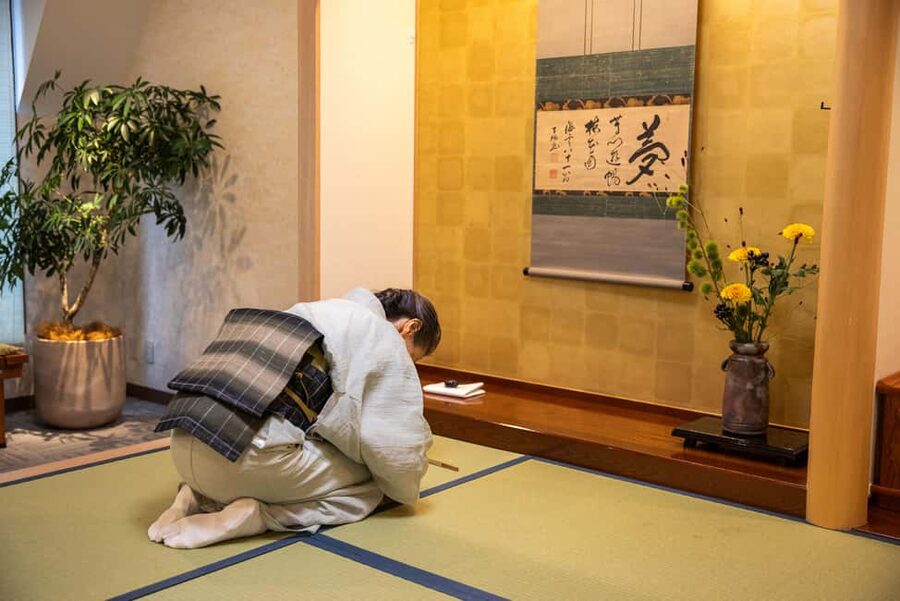
- Small-group vibe (up to 8 people) so questions don’t get lost
- English instruction focused on beginners and curious travelers
- Hands-on matcha whisking with your own bowl to enjoy
- Traditional Japanese sweets included alongside the tea tasting
- Step-by-step meaning of the ritual, from pouring water to presenting the tea
- Photo-friendly and question-friendly in a relaxed setting
Finding Tokyo Tourist Lounge Asakusa (and starting smoothly)
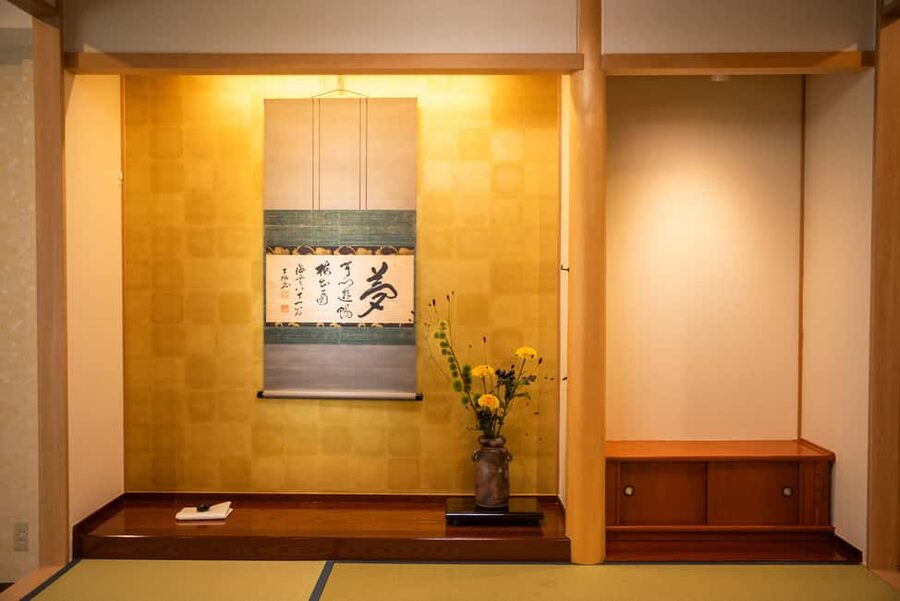
Your meeting point is easy to locate: Tokyo Tourist Lounge Asakusa, on the 5th floor. Plug this into Google Maps: Tokyo Tourist Lounge Asakusa, and use the coordinates 35.7103757, 139.796744 if you want a precise pin.
Asakusa can feel like a maze if you’re moving fast, so I’d treat this start like a reset button. Give yourself a few extra minutes to get to the right floor calmly. You’ll be in a comfortable space for the ceremony itself, and arriving without stress makes the whole session feel better.
You can also read our reviews of more tours and experiences in Tokyo.
A one-hour tea ceremony designed for real first timers
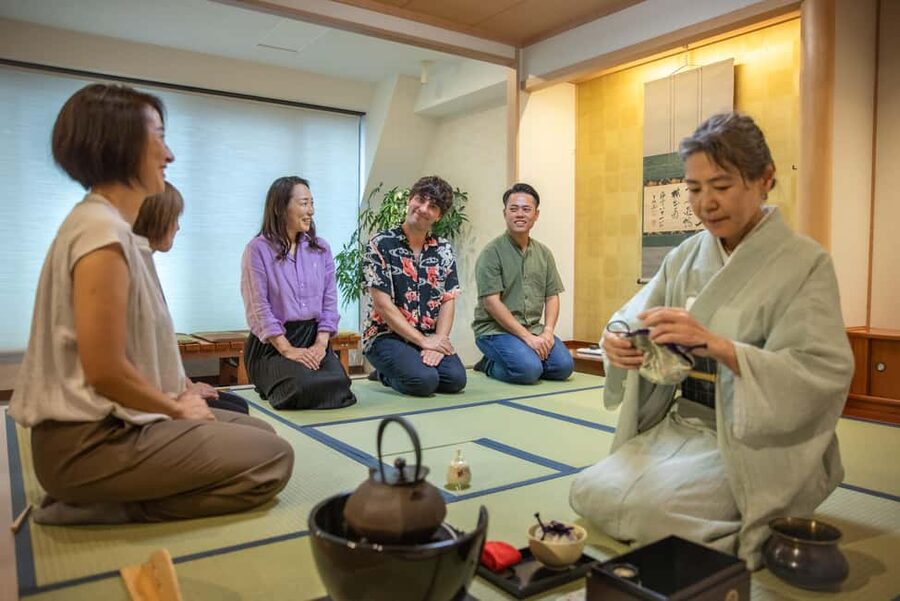
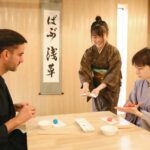
This is a 1-hour experience, led by an English-speaking instructor, and it’s built to be approachable. The format is a relaxed version of the traditional tea ceremony, aimed at people who want Japanese culture and matcha knowledge without feeling judged.
What you get is more than a short demo. The guided experience includes:
- a Japanese tea ceremony
- a matcha preparation lesson
- traditional Japanese sweets
- time to make your own bowl and savor it at your pace
It’s also wheelchair accessible, which matters. When an experience is structured this clearly in one hour, it’s usually easier for everyone to participate without rushing around.
The step-by-step ritual: where beginners get meaning, not just motions
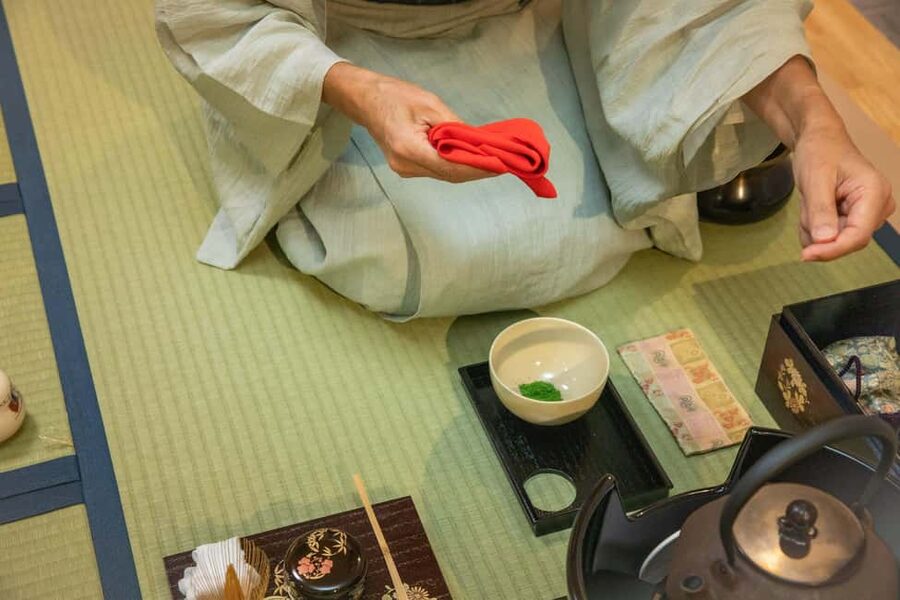
The heart of the experience is learning the ceremony as a sequence of actions. You’ll be guided through the steps, including things like pouring water and presenting the tea, and you’ll hear the meaning behind what you’re doing.
That’s the difference between a simple tasting and a real cultural moment. When you understand why something is done slowly, carefully, or respectfully, the tea stops being just a drink. It becomes a small lesson in Japanese hospitality—how attention and calm show up in everyday rituals.
And because the host explains each action in a friendly, relaxed way, you’re not guessing. If you’re the type who likes context while you’re learning, this format will click fast.
Matcha whisking practice: the part that turns watching into doing
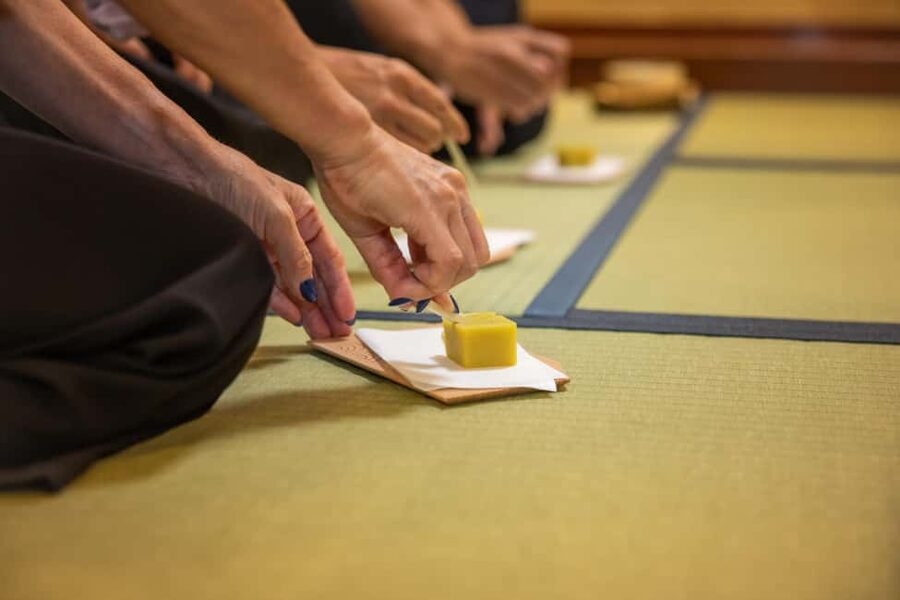
Learning to whisk matcha is the hands-on highlight. You’ll be taught how to prepare it and how to whisk powdered green tea into something you can taste right away.
This matters because matcha preparation isn’t the same as stirring tea or making instant powder drinks. The whisking is part technique, part patience, and part performance. In a relaxed beginner session, you get to try without fear of messing up.
In particular, the host encourages questions and keeps the atmosphere friendly. That’s huge for first-timers, because matcha can feel mysterious if you only see it in cafes.
If you want a useful mental model: think of this as learning a small skill you can repeat later. Even if you don’t master everything, you’ll leave knowing what the key motions feel like.
Tasting matcha and sweets: how the flavors teach the ritual
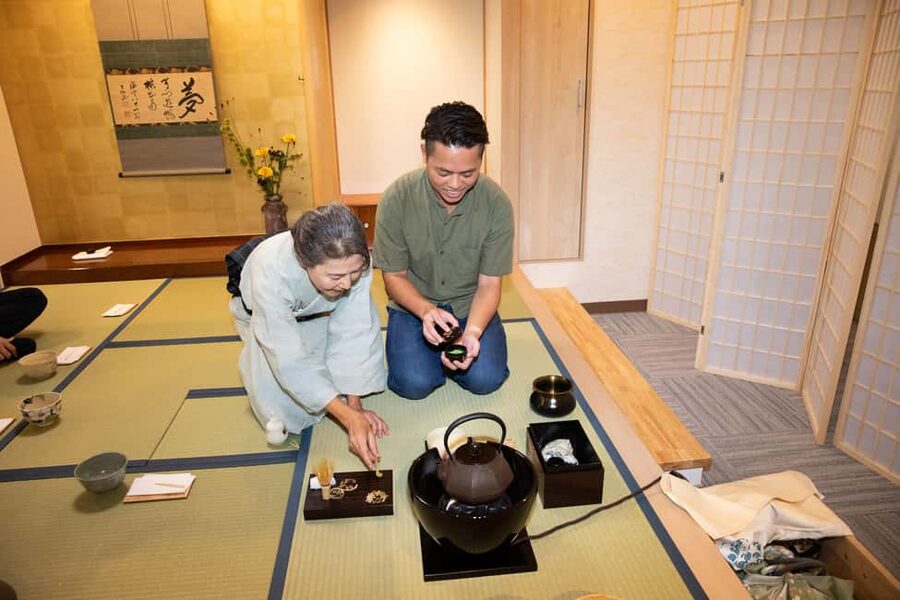
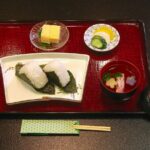
Once the matcha is prepared, you get to taste freshly made tea. You’ll also have traditional Japanese sweets as part of the experience.
This pairing is smart. Sweet snacks change the way you experience matcha’s flavor, and that helps you understand what the ceremony is doing emotionally: giving you a balanced moment to slow down and pay attention. You’re not racing through a performance—you’re tasting, pausing, and adjusting to the experience.
The pace is intentional. The session gives you space to enjoy the bowl at your own rate. If you tend to rush when you travel, you’ll appreciate that the ritual gently forces you to stay present.

Making your own bowl: the memory you can actually take home
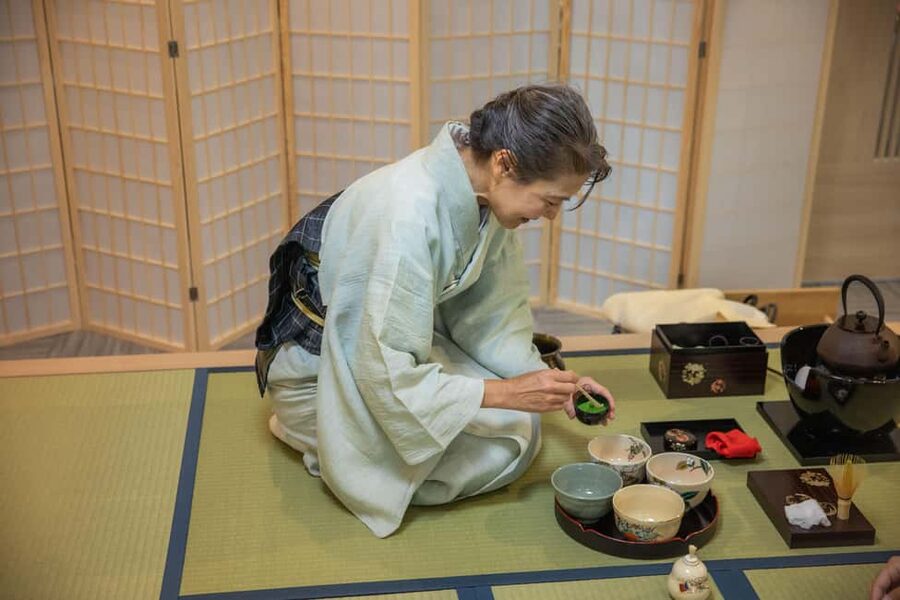
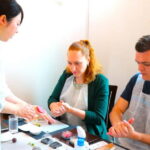
The best part of a class is the part where you’re holding the tools. Here, you’ll prepare your own bowl of matcha and savor it afterward.
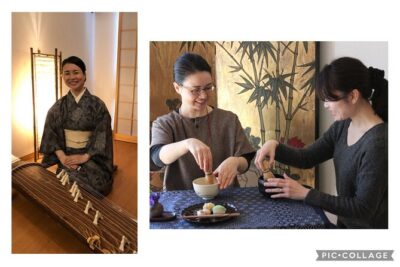
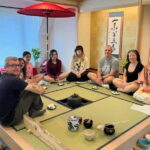
Because the group is small, the host can guide you through your attempt while keeping it relaxed. You’re not just watching someone else do it. You’re participating in a short, repeatable routine that you can think about later—especially when you taste matcha again back home.
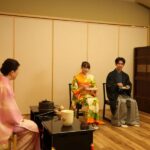
Also, you can take photos during the ceremony. That makes it easier to remember the steps you practiced, and it’s just nice to document an experience that feels personal.
Who this suits best (and who might want a different style)
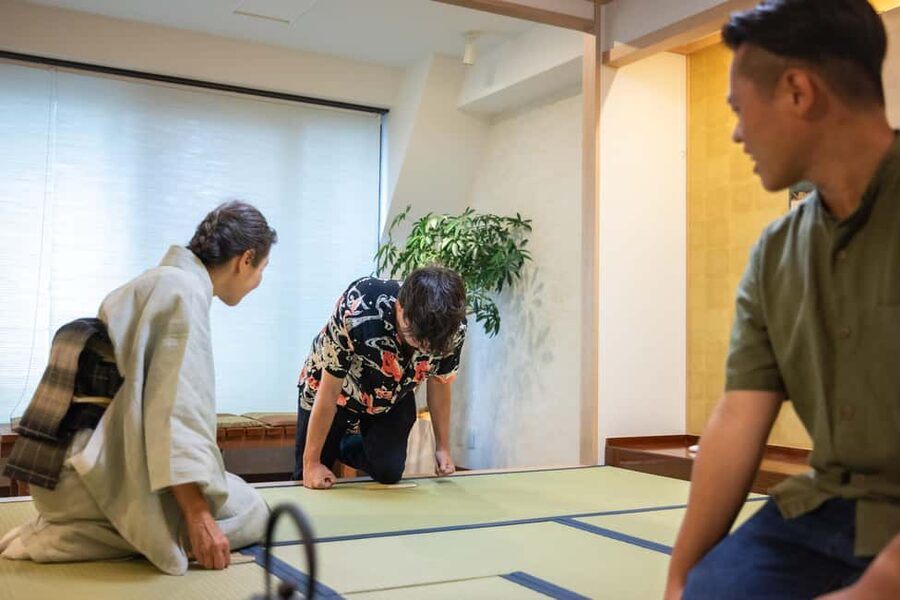
This is a great fit if:
- you’re visiting Tokyo for the first time and want a gentle cultural activity
- you like hands-on learning, not just photo stops
- you’re curious about Japanese tea traditions but don’t want strict formalities
- you want an English-guided experience with room for questions
You might look elsewhere if:
- you want a highly formal, long, multi-course ceremony with strict structure
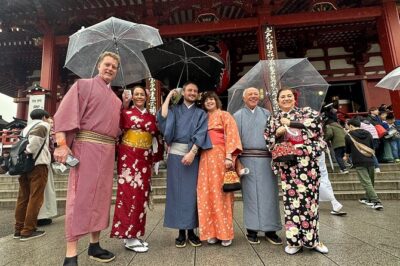
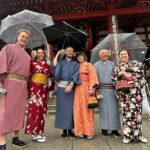
- you’re expecting kimono rental as part of the package (it’s not included)
The tradeoff is clear: you get comfort, clarity, and participation. You don’t get the heaviness of formality.
Price and value: what $25 buys you in real terms
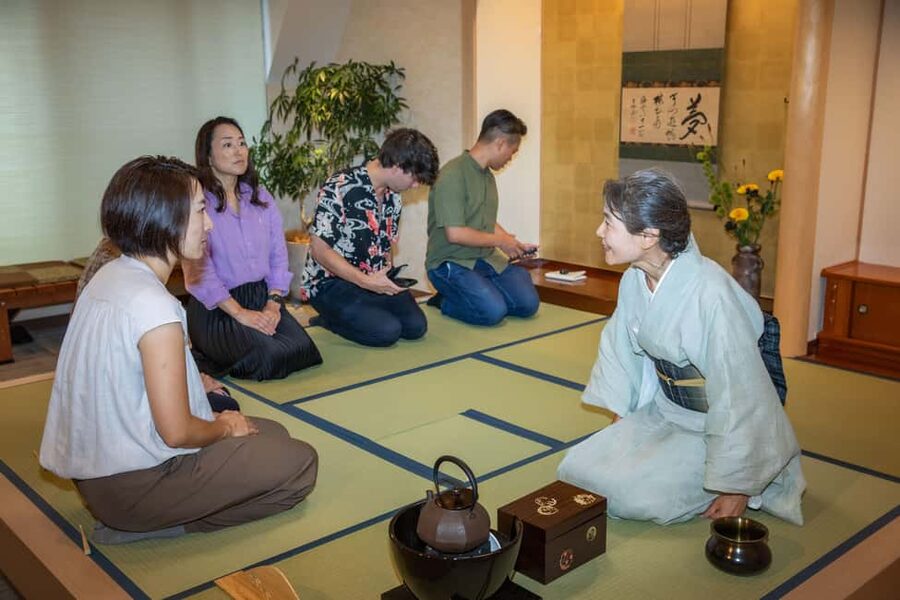
At about $25 per person for a 1-hour guided experience, this feels like practical value because you’re paying for four things, not just one:
- guided instruction in matcha preparation
- the Japanese tea ceremony experience itself
- traditional Japanese sweets
- your own bowl of matcha to make and taste
Also, the group limit (up to 8) matters for value. You’re paying for attention, not crowd coverage.
The only thing you should note for budgeting: kimono rental isn’t included. If you want the full outfit look, plan to handle that separately.
If you like travel experiences that leave you with a skill, not just a photo, this is the kind of value that shows up later.
A quick note on the host and what to ask
The experience runs with a friendly English instructor, and guides in this style often share short context about matcha—where it comes from and why it matters in Japanese life and culture. Names you may encounter include Midori and Kaz, who are described as kind hosts who explain the meaning of each action clearly.
When you’re there, ask questions like:
- what each step is trying to express
- why the ritual moves in that order
- what to focus on when you whisk your matcha
Even if you’re not a “tea expert” type, you’ll get enough direction to feel confident while you do it.
Practical tips so you get the best experience
Here’s how to make the most of your hour:
- Arrive a few minutes early so you can settle in calmly on the 5th floor.
- Treat the ceremony like a skill session, not a show. Focus on the steps you’re doing.
- Ask questions while you’re mid-action. It’s easier to understand while the motion is fresh.
- If you want photos, take them during the moments you’re invited to. The setting is relaxed, so you won’t feel like you’re disrupting everything.
- Expect a beginner-friendly pace. If something feels new, that’s normal—go slow.
This is the type of activity that works best when you cooperate with its tempo. Let the calm do the work.
Should you book this Asakusa matcha tea ceremony?
I’d book it if you want an easy, friendly introduction to Japanese tea culture that includes actual participation. For $25, you get an English-guided ceremony, matcha preparation practice, traditional sweets, and time to make and savor your own bowl in a small group.
Skip it only if you’re specifically chasing a formal, highly traditional ceremony style or you want kimono rental bundled in. Otherwise, this is a smart use of an hour in Asakusa—one of those small experiences that stays with you longer than a standard attraction.
FAQ
How long is the tea ceremony experience?
The experience lasts 1 hour.
What is included in the price?
It includes the Japanese tea ceremony, a matcha preparation lesson, traditional Japanese sweets, and a guided experience.
Is the instructor speaking English?
Yes, the instructor is English-speaking.
Can I take photos during the session?
Yes, you’re welcome to take photos and ask questions in a relaxed setting.
Is kimono rental included?
No, kimono rental is not included.
Where is the meeting point?
Use Google Maps to find Tokyo Tourist Lounge Asakusa, located on the 5th floor. Coordinates: 35.7103757, 139.796744.