REVIEW · TOKYO
Privately visit local home for relax tea ceremony &music, Tokyo
Book on Viator →Operated by 和 WA Japan at Home · Bookable on Viator
Tea and music at a real home. In Shin-Urayasu, you’ll enjoy a private matcha tea ceremony and koto music session with host Noriko, just about 20 minutes from Tokyo Station.
I like how casual it feels—no stiff script, just a warm home setting where you can ask questions. I also love that you won’t just watch: you’ll make your own matcha and get a turn with the koto.
One thing to keep in mind: the base visit is around 2 hours, and if you add the optional yukata, it takes longer and costs extra.
In This Review
- Key highlights you should care about
- A private tea ceremony in Shin-Urayasu’s cozy home
- Matcha ceremony: history, then your own bowl of tea
- The koto experience: watch two pieces, then play a melody
- Optional yukata add-on: what you get and how it affects timing
- Getting there from Tokyo Station: simple and low-stress
- Price and value: is $81 a fair deal for tea and koto?
- Who should book this private tea and koto session
- Should you book this private tea and koto experience?
- FAQ
- How long is the experience?
- Is this a private tour?
- Where do we meet?
- What happens during the tea ceremony?
- Do I get to try playing the koto?
- Can I add a yukata?
- What’s the walk like from the station to the home?
- How close is this to Tokyo Station?
- What is the cancellation policy?
Key highlights you should care about
- A private home setting: you’ll be welcomed into a cozy Japanese space with only your group
- Make-your-own matcha: you’ll prepare a second bowl, with step-by-step guidance
- Hands-on koto time: Noriko performs two pieces, then helps you play a simple melody
- Relaxed tone: it’s described as informal, with no strict rules
- Optional yukata: a cotton kimono add-on (3,500 yen) that also comes with photo help
- Easy access: Shin-Urayasu Station (JE08), then a short walk to the home
A private tea ceremony in Shin-Urayasu’s cozy home
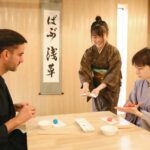
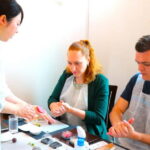
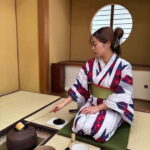
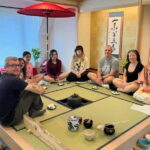
If you want Japan culture without lining up or rushing through rooms, this kind of private home visit hits the sweet spot. You meet Noriko at Shin-Urayasu Station (JE08), and from there it’s a short walk to her house. The whole vibe is small, personal, and practical—more like a friendly cultural afternoon than a performance you’re forced to follow.
I especially like that the experience is built around conversation and comfort. The format is relaxed, and you can ask anything you’re curious about, from everyday tea habits to the background of the instruments and traditions. That matters because tea ceremony and koto can feel intimidating if you only know the formal version. Here, you’re invited to participate.
You’ll also start with a warm welcome, then settle into the rhythms of the tea moment. That shift—from Tokyo’s pace to a quiet room—happens fast. After that, you move from matcha to music without changing venues, which keeps the day feeling smooth.
You can also read our reviews of more tours and experiences in Tokyo.
Matcha ceremony: history, then your own bowl of tea
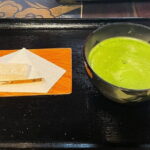
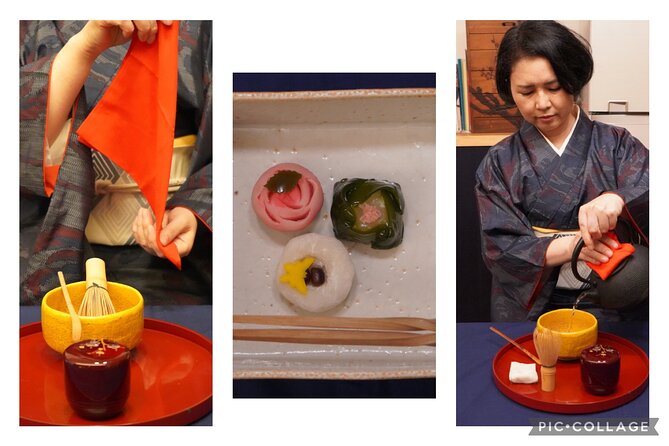
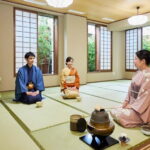
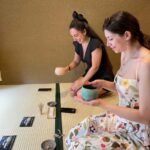
The tea ceremony is the heart of the experience, and it’s handled in two clear rounds. First, Noriko shares some history and context, then prepares the first bowl of matcha. This gives you the why before you do the how. It’s the difference between tasting and learning, without turning it into a lecture.
Then comes the part you’ll remember: you make the second bowl yourself. Noriko guides you step by step, so you’re not stuck guessing. Even if you’ve never whisked matcha before, you’ll have a structure to follow, and the host can adjust based on your pace.
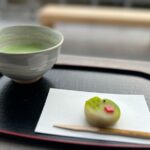
During the tea, you’ll have sweets too. Expect two small sweets plus one seasonal sweet, served with your tea. The seasonal item is a nice touch because it changes the experience feel depending on when you go. It also gives you an easy way to compare flavors—sweetness, texture, and how they pair with matcha.
Practical tip: go with a “taste and learn” mindset. You don’t need to memorize tea terminology. Focus on how the matcha looks, smells, and tastes as you make it. If you’re the type who likes hands-on things, this portion is made for you.
The koto experience: watch two pieces, then play a melody
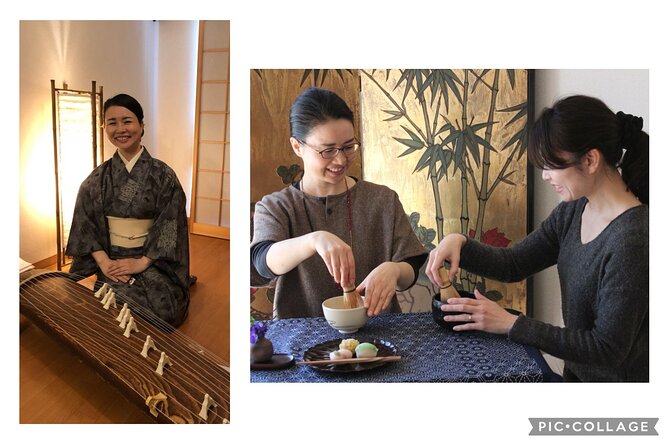
After the tea, the mood shifts from quiet to musical. You’ll meet the traditional instrument—the koto—through live performance and then hands-on practice.
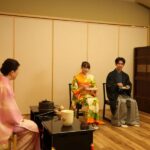
Noriko performs two pieces first. This gives you a sense of the instrument’s range and how notes interact. It’s also a good way to pick up a few “what to listen for” clues before your turn.
Then it’s your turn. You’ll be able to try playing yourself, and it’s framed as something you might be surprised by—you can make a melody fairly quickly. That’s important because koto often feels like “years of training” from the outside. Here, you’re guided toward something doable within a short session.
The koto portion is also a smart pairing after tea. Matcha teaches you patience and attention. Then the koto turns that attention into sound—listening closely, adjusting, and trying again.
If you’re curious about Japanese instruments, this is a strong value moment. You’re not just learning facts. You’re experiencing how the instrument works in real time.
Optional yukata add-on: what you get and how it affects timing
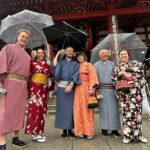
Want your photos to look more “Japan trip” and less “walking around”? You can add a yukata option (cotton kimono). It costs 3,500 yen, and it’s handled in several steps: you’ll get dressed, and women also receive a simple hairstyle.
The dressing timeline matters. For men, it’s about 10 minutes. For women, it’s listed as about 20–30 minutes, including selection. And yes, adding yukata extends the overall experience time, so plan your schedule with that in mind.
Payment is flexible: cash, card, or PayPal are mentioned. After the yukata portion, Noriko helps you take memorable photos. Even if you’re not a professional photographer, having someone guide you on where to stand and how to frame shots can save time and avoid that awkward solo-photo struggle.
One consideration: if you’re trying to keep your day super tight, skip the yukata. The base experience runs about 2 hours, and the added dressing and photos can stretch things out.
Getting there from Tokyo Station: simple and low-stress
The biggest logistics win here is proximity. You’re about 20 minutes from Tokyo Station, then you’re at Shin-Urayasu Station (JE08). From there, it’s a short walk—listed as around 3 minutes in the experience description, and around 4 minutes in the location overview. Either way, it’s manageable even if you’re arriving right off the train.
Because it’s near public transportation, you’re not committing to a long transfer. That’s a big deal in Tokyo and the surrounding area, where time can evaporate if you’re constantly crossing the city.
If you’re doing a day of multiple activities, this format helps you avoid a “half-day travel tax.” You can fit it between sightseeing blocks without feeling like you’re spending your trip commuting.

Price and value: is $81 a fair deal for tea and koto?
At $81 per person for a roughly 2-hour private cultural experience, the price makes sense if you think of it as three parts: personal hosting, guided hands-on learning, and a live performance.
Here’s why it’s good value:
- It’s private: you’re not sharing the host’s attention with strangers, and you can ask questions without feeling rushed
- You actively participate: you make your own matcha, and you also try the koto
- You get a full tea set: matcha plus sweets, not just a quick sip
- It’s a complete cultural package: tea culture plus a traditional instrument session in one visit
So, the value isn’t only in the content—it’s in the coaching and the calm pace. A lot of Tokyo experiences charge for a “show.” This one charges for a guided, intimate experience that’s designed to be interactive.
If you add the yukata, you’re paying extra (3,500 yen). Still, if you’re the kind of traveler who loves costume moments that also come with help taking photos, it can be worth it. If not, the base experience still feels full.
Who should book this private tea and koto session
This works best for you if:
- you like small, personal experiences more than big tours
- you want to participate, not just observe
- you’re curious about Japanese culture in an informal way
- you enjoy music and want a hands-on try, even if you’re a beginner
It may be less ideal if you want a long, structured class with lots of textbook detail. The experience is about 2 hours, so it’s intentionally compact. Think “one great afternoon” rather than “deep academic course.”
If you’re traveling as a couple or a small group, this kind of private format can feel especially good. You’ll settle into a rhythm together, and the host can tailor explanations to your questions.
Should you book this private tea and koto experience?
I’d book it if you want a day that feels personal, calm, and genuinely Japanese. The combination of relaxed tea ceremony, guided hands-on matcha, and a live koto moment (plus your chance to play) is a smart mix. You’re also not stuck following strict rules, which makes it welcoming even if you’ve never done a tea ceremony before.
I would pause only if you’re very schedule-tight and hate add-ons and extra time. The yukata option can expand the visit, so decide in advance based on your day.
If you want culture you can feel—taste matcha you made yourself, hear the koto live, and try a melody on the spot—this is the kind of experience that earns a spot in your Tokyo area memories.
FAQ
How long is the experience?
The experience is about 2 hours.
Is this a private tour?
Yes. It’s a private experience, so only your group participates.
Where do we meet?
You meet at Shin-Urayasu Station (JE08). The start point is listed at Shin-Urayasu Station 1 Chome-1 Irifune, Urayasu, Chiba 279-0012, Japan.
What happens during the tea ceremony?
Noriko welcomes you, then there’s a relaxed tea ceremony. She shares a bit of its history, prepares the first bowl of matcha, and you’ll make a second bowl with step-by-step guidance. You’ll also enjoy sweets with your tea.
Do I get to try playing the koto?
Yes. Noriko performs two pieces, and then you get a chance to try playing and make a melody.
Can I add a yukata?
Yes. You can add a cotton kimono (yukata) experience for 3,500 yen. It’s requested when booking and extends the experience time. Payment options include cash, card, or PayPal.
What’s the walk like from the station to the home?
It’s described as a short walk—around 3 minutes to the cozy home.
How close is this to Tokyo Station?
It’s about 20 minutes from Tokyo Station by train.
What is the cancellation policy?
You can cancel for free up to 24 hours in advance for a full refund.
You Might Also Enjoy
 Card Game and Afternoon Turkish Tea with Local Grandma
 Private tour from Auckland – Waitomo Glowworm Caves, Zealong Tea & Kiwi Bird
 Tainan Culture Trip: Chinese Tea Ceremony_Oolong Tea
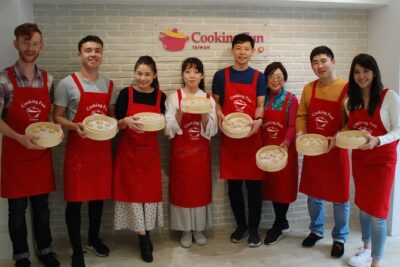 Xiao Long Bao, Chicken vermicelli with mushroom and sesame oil, Tofu strips salad, Bubble milk tea. Taiwan Traditional Delicacies Experience-A (Taipei Cooking Class)