REVIEW · TOKYO
Tokyo: Tea Ceremony in Shibuya Tokyo
Book on GetYourGuide →Operated by Legalis · Bookable on GetYourGuide
Tea makes a busy city slow down.
In Shibuya, this is a private Japanese tea ceremony with English-speaking teachers, built around etiquette and the hands-on steps of making matcha. I like how it starts with the meaning behind the rituals, then moves to a calm, structured demonstration of Otemae. I also like the order: you taste traditional Japanese sweets and then you make your own cup.
You’ll be in a prestigious tea-room setting with your group only, no mixed sessions. It’s designed for 1 to 4 people per booking, so you’re not squeezed between strangers trying to learn at the same time. You can even spot souvenirs like Pokemon made from kimono material, which makes the experience feel more like a small local stop than a generic show.
The main thing to consider is value for money. At $81 per person, it’s not a “grab-and-go” activity, so I’d book it when you genuinely want one focused cultural moment.
In This Review
- Key things I think you’ll notice
- A private matcha lesson in Shibuya, not a crowd event
- What happens during the ceremony: etiquette, Otemae, and your turn with matcha
- 1) Tea ceremony basics: history and etiquette
- 2) Otemae demonstration by an experienced teacher
- 3) Taste traditional Japanese sweets
- 4) Make your own matcha
- 5) Taste your matcha
- The sweets tasting: where the ceremony feels personal
- Dress code in Japan: cover your knees, and you’re good
- Pickup in Shibuya: small logistics win
- Souvenirs and that kimono-material Pokemon detail
- Price and value: what $81 per person includes
- Who should book this tea ceremony in Shibuya
- Practical tips to get the most out of your session
- Should you book this tea ceremony in Shibuya?
- FAQ
- Is the tea ceremony private?
- How many people can book per session?
- Is the class taught in English?
- What does the price include?
- Do you include a demonstration before guests make matcha?
- Do we taste sweets during the ceremony?
- What should I wear?
- Is pickup available?
- Can I reserve and pay later?
- What is the cancellation window?
Key things I think you’ll notice
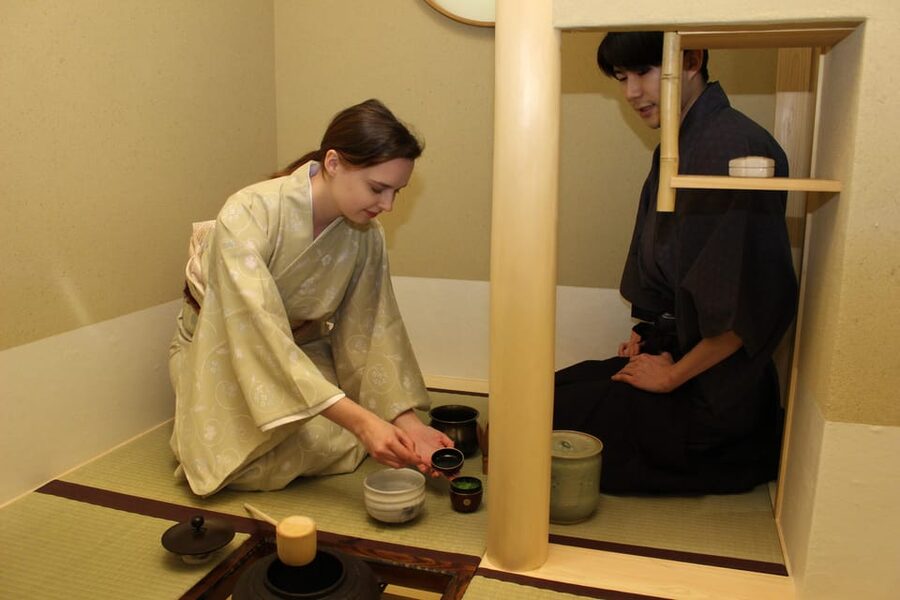
- Completely private for 1–4 people, with no mixed sessions.
- English instruction led by teachers experienced in tea.
- A clear Otemae demonstration before you start making matcha.
- A built-in sweets tasting before your tea-making turn.
- A dress suggestion that’s easy to follow: cover your knees.
- Optional pickup service is included if you need it.
A private matcha lesson in Shibuya, not a crowd event
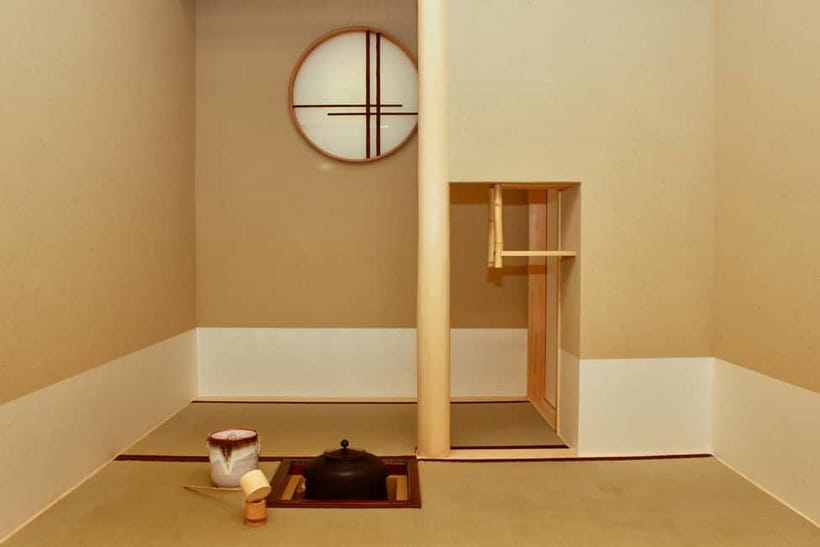
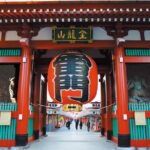
If you’re spending time in Tokyo’s louder areas, I love that this experience gives you a quiet pocket on purpose. Shibuya is all angles, crosswalks, and neon energy. Then you step into a tea room where the pace shifts. That change is the whole point.
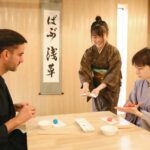
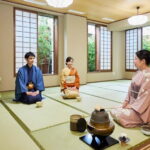
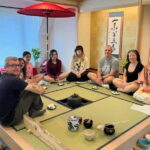
This class is private for your group. The booking is designed for 1 person up to 4 people per booking, so you won’t share the session with other travelers. For me, that matters because tea ceremony is detail work—how you hold the bowl, the pace of the steps, and the etiquette around serving and receiving. You learn better when you can ask questions and not feel rushed.
The teacher leads in English, and the ceremony includes the cultural background and the etiquette basics, not just instructions for making matcha. That’s a good fit if you’re new to Japanese tea rituals and want to understand why the movements matter.
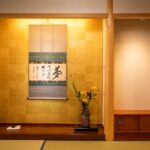
Also worth noting: the experience calls out a prestigious tea-room setting. That’s not just marketing fluff. The tea room environment helps you take the ceremony seriously, even if you’re only there for an hour or so.
You can also read our reviews of more tours and experiences in Tokyo.
What happens during the ceremony: etiquette, Otemae, and your turn with matcha
Here’s the flow you can expect, broken into human steps. The exact timing can vary by booking, but the structure stays the same.
1) Tea ceremony basics: history and etiquette
The session starts with an explanation of the tea ceremony history and culture, plus the etiquette. You’ll get more than a checklist. You’ll learn how the ceremony treats attention—how guests are welcomed, how movements are done with intention, and why silence and pacing are part of the mood.
This is the part that turns matcha from a drink into a ritual. If you’ve had matcha as a latte or dessert back home, this gives you the reason people take it so seriously in Japan.
2) Otemae demonstration by an experienced teacher
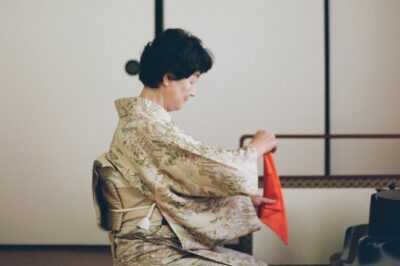
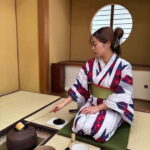
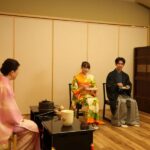
Next comes the Otemae demonstration—tea preparation done step-by-step by the teacher. Otemae is the formal way the ceremony unfolds. Watching first is helpful because it shows you the rhythm you’re supposed to copy when it’s your turn.
In the tea room, the order matters. You’re not just “making tea,” you’re performing a sequence. Seeing the teacher do it calmly helps you avoid the common beginner mistake: rushing the steps because you’re excited to try.
From feedback I’ve seen from prior sessions, the teaching is gentle and clear. One guide named Mako-san led a ceremony and guests specifically noted how charming and knowledgeable she was. Even if your teacher is someone else, the tone seems designed to keep things relaxed while still being accurate.
3) Taste traditional Japanese sweets
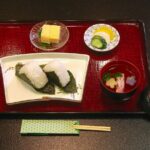
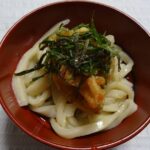
Before you make your matcha, you’re offered traditional Japanese sweets for tasting. This is a smart move. Sweet-first helps you notice matcha’s balance—its bitterness, earthiness, and how it plays with sugar flavors and textures.
It also gives you a break from concentrating on technique. You get to slow down, taste, and reset your brain before you start mixing and whisking.

4) Make your own matcha
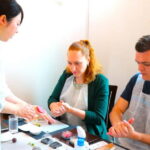
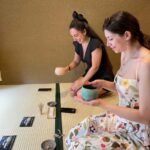
Then it’s hands-on. You’ll get the chance to make your own Matcha. You’ll follow the method from the demonstration, with help as needed.
This is where a private group really pays off. If you’re the only person (or one of only two or three) in the room, it’s easier to get correction without feeling embarrassed. In a mixed group, you might wait your turn for tips. Here, the teacher can focus on your form.
5) Taste your matcha
Finally, you taste your matcha tea along with what you’ve already had: sweets and the calm ritual atmosphere.
That tasting moment is your payoff. It’s not just about completing the steps. It’s about noticing what you did and how it affects flavor.
The sweets tasting: where the ceremony feels personal
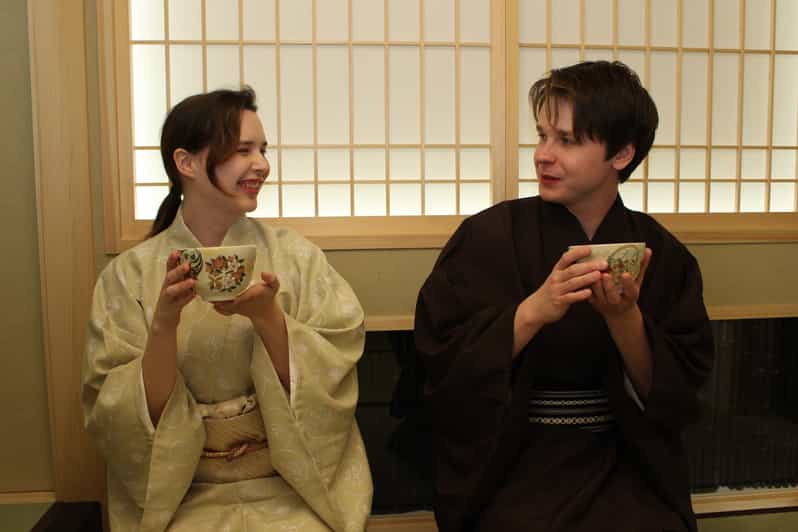
Don’t treat the sweets as an extra snack. In this class, the sweets are timed on purpose—before you make matcha.
Japanese sweets (wagashi) are often designed to pair with tea in a way that balances flavor and texture. Even if you don’t memorize every name, you’ll likely notice the contrast between sweetness and matcha’s character. That contrast is part of the lesson.
And because the teacher explains etiquette and culture at the start, the sweets tasting doesn’t feel random. It feels like part of a full guest experience—something you’d recognize as hospitality, not a transaction.
If you’re the type who learns best through taste, this format is strong. You’re not stuck only listening or only watching.
Dress code in Japan: cover your knees, and you’re good
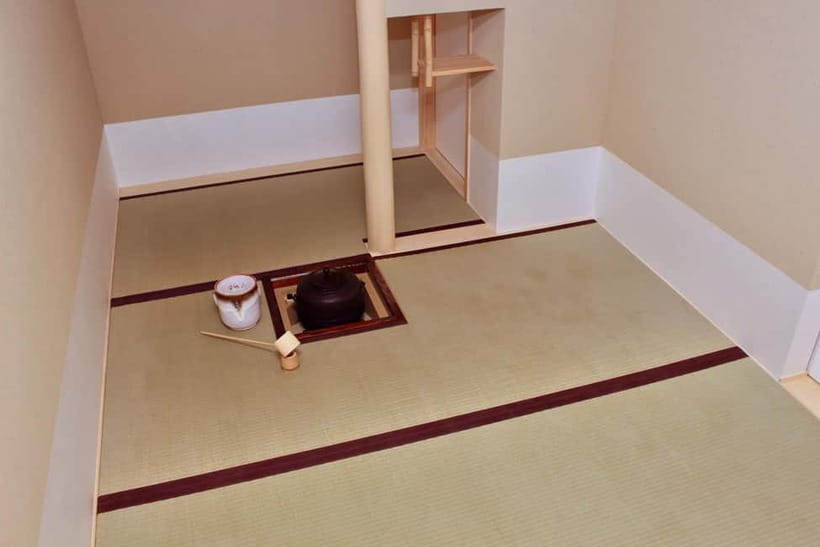
Tea rooms tend to expect neat, respectful presentation. The guidance here is simple: you don’t need to bring anything special, but you should wear clothing that covers your knees.
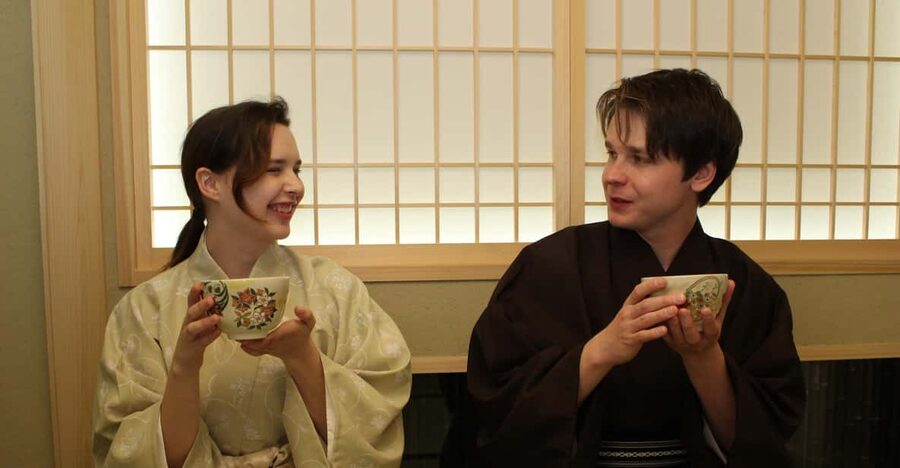
If your outfit doesn’t meet the requirement, you’ll be lent suitable pants or a wrap skirt for free. That’s a genuinely helpful detail. It reduces stress the day-of. You can focus on learning the steps, not hunting for a cover-up in Shibuya.
Some ceremonies include kimono options. In one account, a guest mentioned wearing kimono with a charge. So if kimono is a must on your bucket list, ask in advance whether it’s available for your specific booking and how pricing works.
Practical tip: wear something you can move in. Tea-making is seated and hands-on. You’ll thank yourself for choosing flexible clothes.
Pickup in Shibuya: small logistics win
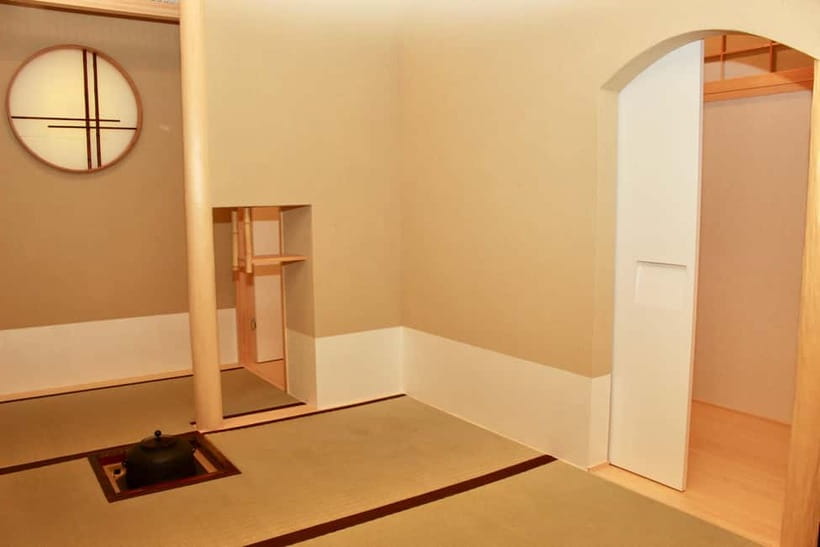
Shibuya can be tricky to navigate depending on where you’re staying. The good news: pick up service is included if needed.
Since pickup is optional, it’s best to plan it like you would a museum ticket: confirm what you need and where you’re heading from. You can email ahead to coordinate. The provided contact is [email protected].
If you’re already near Shibuya Station and comfortable with trains and short walks, you might skip pickup. But if you’re traveling with kids, older relatives, or you just want less friction, pickup can make the experience feel smoother from the first moment.
Souvenirs and that kimono-material Pokemon detail
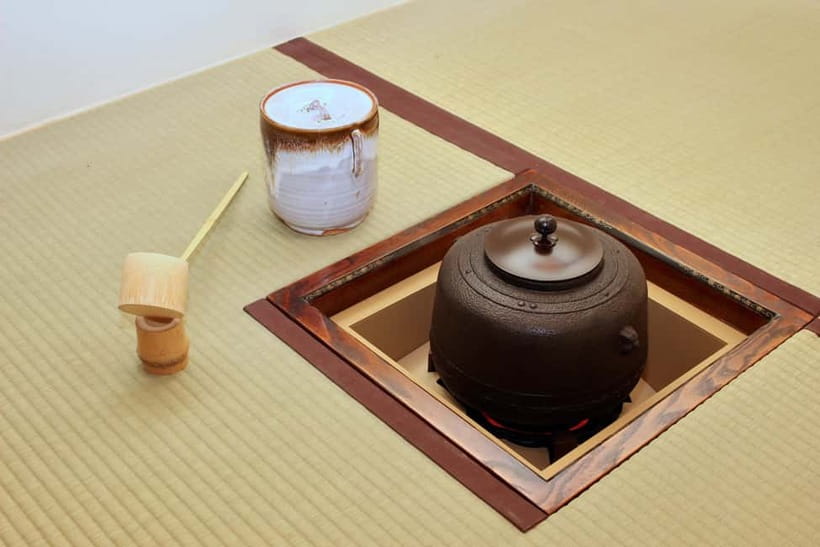
One highlight of this experience is the chance to buy small items at the end. There are souvenirs including Pokemon made from Kimono material.
That matters because it links the cultural activity to something you can actually take home. After you learn the steps and taste matcha, browsing for a small souvenir feels meaningful. It’s not the usual “you’re done, here’s a shop” hard sell.
If you like novelty items with Japanese design, you’ll probably enjoy this extra touch.
Price and value: what $81 per person includes
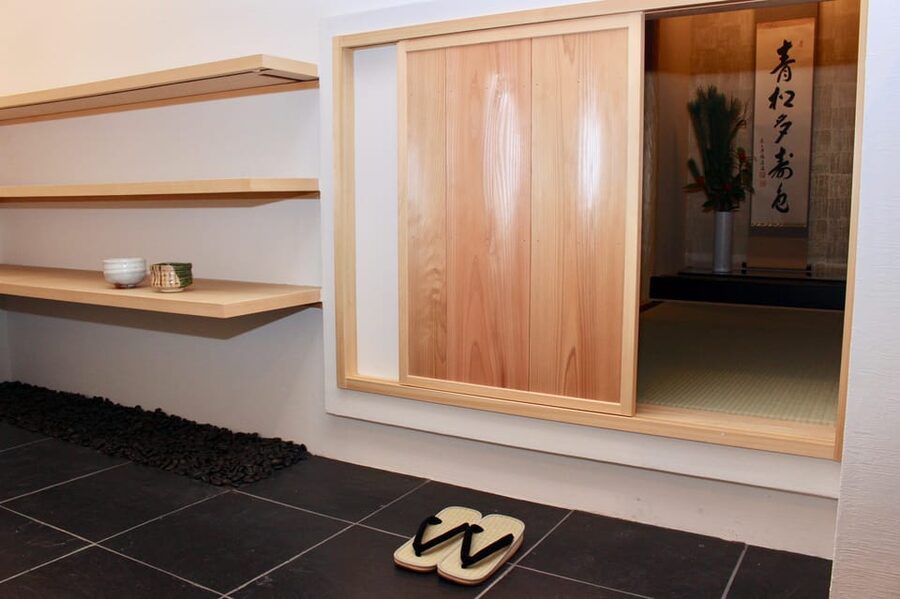
Let’s talk money, because tea ceremonies can range from “quick and cute” to “serious cultural lesson.”
This one is $81 per person. The price includes:
- tea and sweets fees
- facility charges
- taxes
It’s also private for your group, with a cap of 4 people per booking. So if you’re traveling with a friend, couple, or family member, the value improves compared to paying for a solo lesson in the same category.
What you’re buying is not only the tea. You’re buying:
- English instruction
- the Otemae demonstration
- a guided etiquette and history explanation
- your own matcha-making time
- tasting Japanese sweets as part of the flow
- a tea-room setting experience
Is it still “premium” priced? Yes. But it’s also structured. You’re not just getting a photo. You’re getting a controlled learning environment.
If you want the biggest bang-for-your-buck, I’d pair this with a plan that clears time for it. Treat it as a key cultural block, not a gap filler between other attractions.
Who should book this tea ceremony in Shibuya
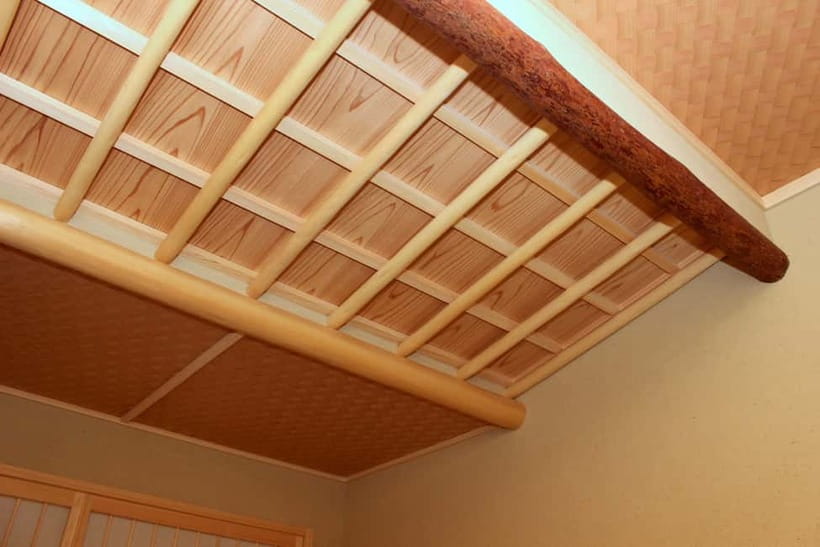
This fits best when you want something specific:
- First-timers who want structure: history, etiquette, then hands-on matcha making.
- Small groups of 2–4 who prefer privacy over joining a larger class.
- Families who want a calm indoor activity in Tokyo that’s not physically demanding.
- People who like food + ritual: sweets tasting is part of the learning, not an afterthought.
- Anyone staying near Shibuya who wants an easy-to-time cultural moment.
It might be less ideal if you only want a quick matcha tasting with minimal instruction. The value here comes from guidance, pacing, and doing the ceremony steps with support.
Practical tips to get the most out of your session
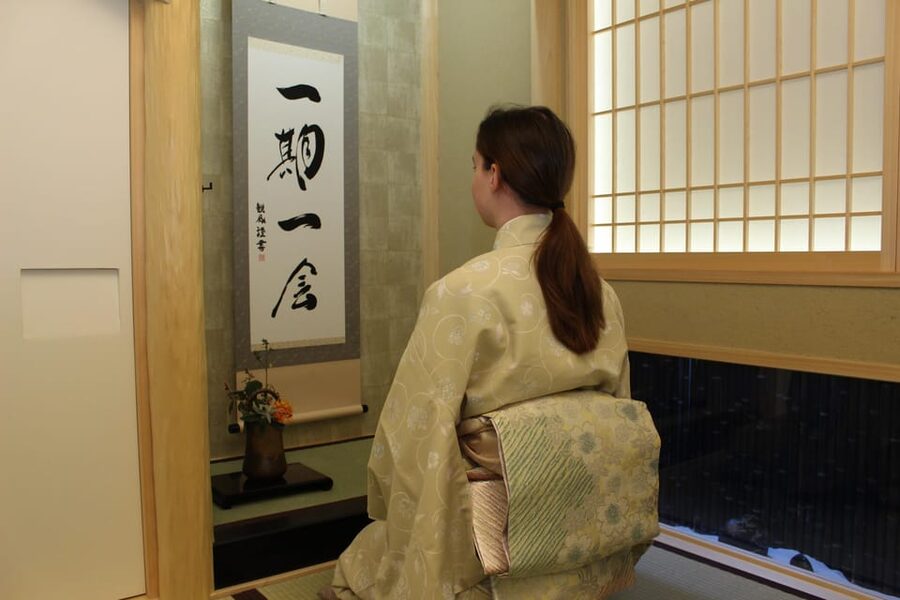
Here’s what I’d do to make the most of your time:
- Ask questions during the etiquette and history part. That’s when you’ll get the best meaning behind the movements.
- Slow down during your matcha-making turn. If you rush, the ritual turns into a chore.
- Smell and taste the sweets first, then focus on the tea. It helps your palate catch the pairing.
- Wear clothing that covers your knees. If you don’t, take the free borrowed option in stride.
Also, since booking requires advance arrangement and you’re asked to contact by email before you book, I’d treat this like an appointment. Confirm your timing and any pickup needs early so you’re not figuring it out while you’re in transit.
Should you book this tea ceremony in Shibuya?
My take: if you want a guided, private introduction to Japanese tea in a quiet setting, this is a strong choice. The ceremony includes both teaching and hands-on matcha making, and the English support makes it easier to understand what you’re doing and why.
Book it if:
- you’ll be happy spending ~$81 on one focused cultural activity
- you prefer privacy for 1–4 people
- you want the full structure: etiquette, Otemae demo, sweets tasting, and making matcha
Skip or reconsider if:
- you’re only after a quick photo stop or a casual drink
- your schedule is too tight for an appointment-style experience
- you’re aiming for a bargain price (this is priced as a premium, private lesson)
If you do book it, you’ll walk away with matcha skills, better etiquette context, and a small souvenir option that feels connected to the culture rather than tacked on.
FAQ
Is the tea ceremony private?
Yes. The experience is private for your group, and it does not mix sessions with other bookings.
How many people can book per session?
It’s for 1 person up to 4 people per booking.
Is the class taught in English?
Yes. The classes are in English.
What does the price include?
The price includes tea and sweets fees, facility charges, and taxes.
Do you include a demonstration before guests make matcha?
Yes. The teacher demonstrates the tea preparation called Otemae before you make your own matcha.
Do we taste sweets during the ceremony?
Yes. Before you make your tea, you can enjoy tasting traditional Japanese sweets.
What should I wear?
Wear skirts or pants long enough to cover your knees. If needed, you can borrow suitable pants or a wrap skirt for free.
Is pickup available?
Pickup service is included if needed.
Can I reserve and pay later?
The booking information includes Reserve & Pay Later, which says you can book your spot and pay nothing today.
What is the cancellation window?
You can cancel up to 24 hours in advance for a full refund.