REVIEW · KYOTO
Kyoto Fushimiinari:Wagashi Making & Small Group Tea Ceremony
Book on GetYourGuide →Operated by iroHa cooking studio · Bookable on GetYourGuide
A quiet tea class beats temple crowds. In Kyoto’s Fushimiinari area, this small-group experience takes you into a local home where you’ll make wagashi and learn the full rhythm of a tea ceremony. I like how it feels less like a show and more like you’re being taught the real process step by step.
Two things I especially liked: you get hands-on time in the kitchen (not just watching), and you also leave with matcha skills you can use again—because you’ll whisk matcha yourself. The host and tea instructor keep it clear and friendly, and the small group size helps you actually ask questions.
One consideration: it’s done sitting on the floor (tatami), so plan for that. If floor sitting is hard, chairs and tables are available if you let them know in advance—and note it isn’t suitable for wheelchair users.
In This Review
- Key highlights worth showing up for
- A calm Kyoto home setting with a garden view
- Wagashi making: hands-on, not a lecture
- Tea ceremony manners in the room (and why it matters)
- Matcha in the spotlight: two bowls, one you whisk yourself
- The garden walk and the weather-friendly flow
- Small group size means real questions
- Price and what you really get for $55
- Practical details that prevent awkward moments
- Who this tour fits (and who should skip it)
- Should you book this Kyoto wagashi and matcha class?
- FAQ
- How long is the Kyoto Fushimiinari wagashi making and tea ceremony?
- What does the $55 price include?
- Is this a hands-on class or just a demonstration?
- Do I need Japanese language skills?
- What should I bring?
- Are bare feet allowed?
- Are photos or videos allowed?
- Is it a small group?
- What if I can’t sit comfortably on the floor?
- Can I get a refund if my plans change?
Key highlights worth showing up for
- Hands-on wagashi making in a real home kitchen, guided in English
- Tatami tea ceremony with etiquette explained before you sit down
- Meaning of the hanging scroll in the tea room’s alcove (tokonoma)
- Two bowls of matcha, including one you prepare yourself
- Garden walk for a calmer start, when conditions allow
- Small group of up to 6, so questions don’t get lost
A calm Kyoto home setting with a garden view
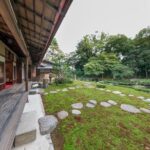
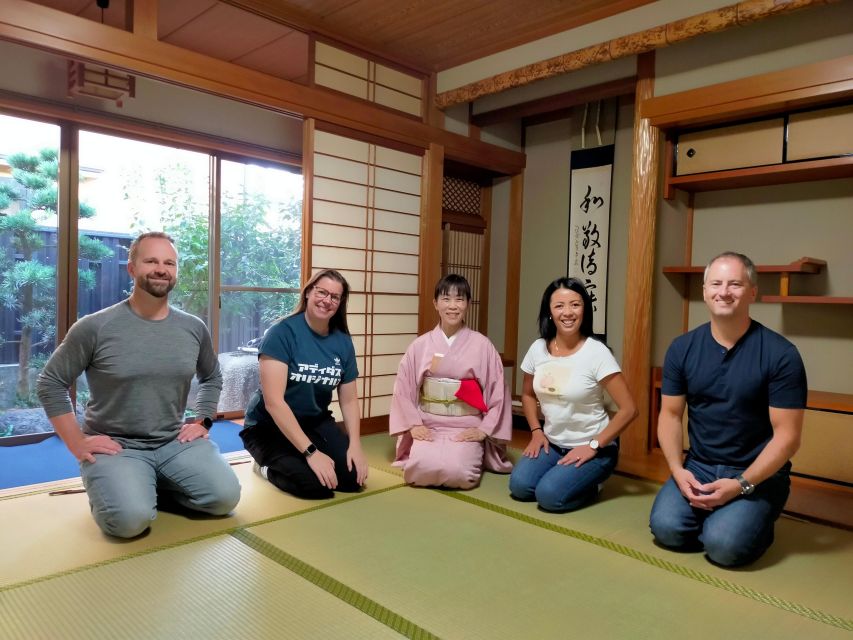
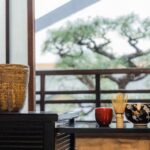
Kyoto can go from tranquil to crowded fast. This experience starts by getting you out of the noise and into a local house with Japanese-style rooms and a lovely garden view. Even before the tea starts, the pacing feels slower on purpose, which is exactly what you want when you’ve already spent time around popular sights.
When you arrive, your English-speaking host welcomes you and guides you into the kitchen area. The class stays grounded in everyday details—where things are, how you move around the room, and what to notice—so it doesn’t feel like you need a background in tea culture to enjoy it.
You can also read our reviews of more tours and experiences in Kyoto.
Wagashi making: hands-on, not a lecture
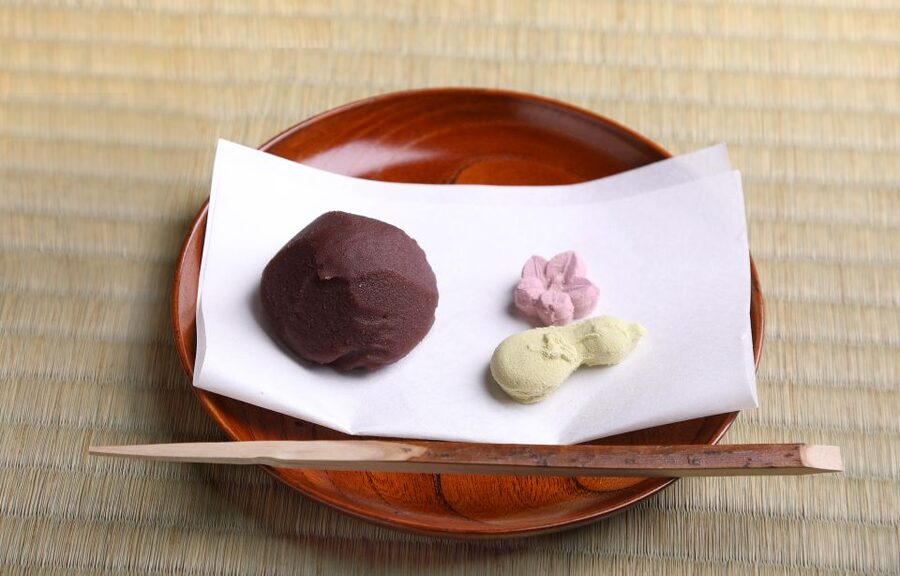
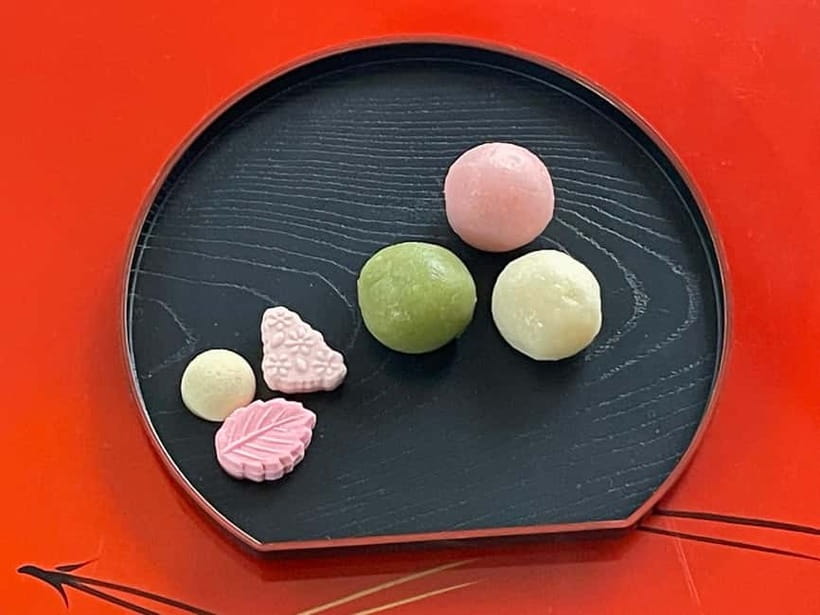
You’ll learn how to make one type of wagashi (Japanese sweets) during the class, and it’s hands-on. That means you’re not standing to the side while someone else does the work. You’ll follow the instructions, touch the ingredients, and shape the sweet yourself.
The exact wagashi can vary by season, so don’t expect the same look every time. That flexibility is part of the point in Japan: sweets change with the calendar. Some past participants have mentioned making mochi with red bean paste and white bean paste, which gives you an idea of the kinds of traditional confections your group might practice—but your specific sweet should match what’s planned for your date.
One nice bonus is that wagashi here isn’t treated like dessert first. You’ll also get guidance on how Japanese sweets are eaten, which makes the whole thing feel more connected to the tea ritual rather than a random cooking lesson.
Tea ceremony manners in the room (and why it matters)
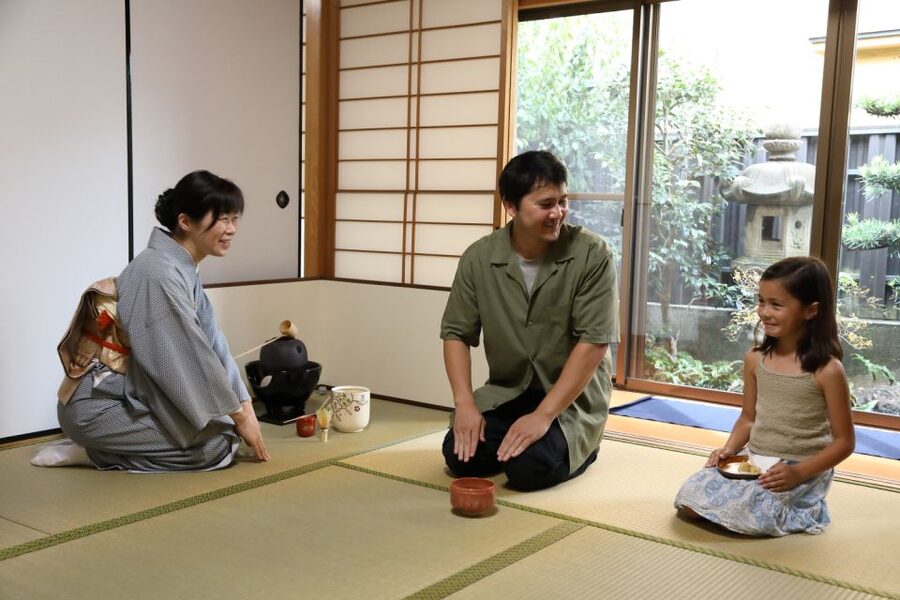
After the wagashi class, you move toward the tea ceremony portion. Before you sit down, the host explains how the ceremony works and covers basic manners in the Japanese room. This matters more than it sounds. Tea ceremonies can look strict from the outside, but when you understand the flow, you can relax and enjoy the moment.
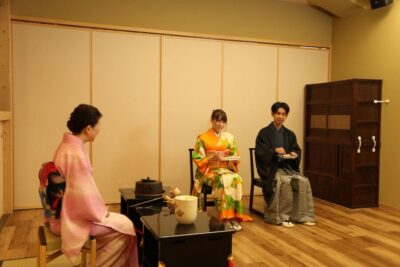
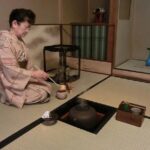
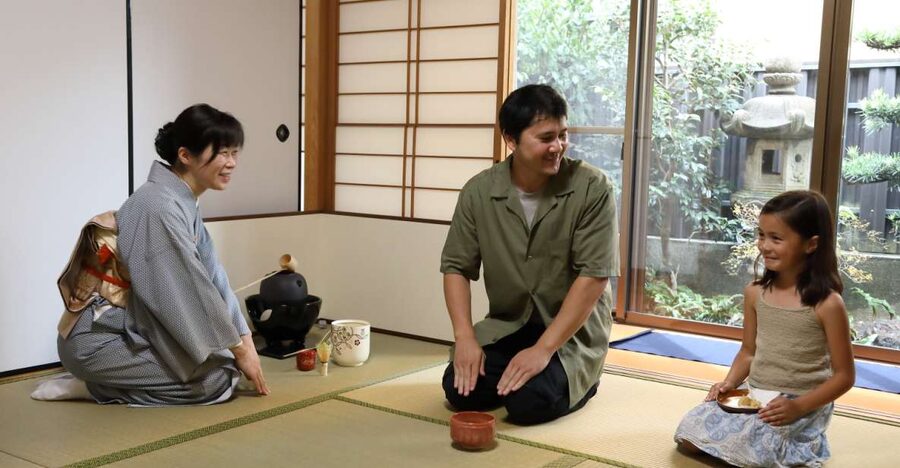
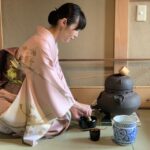
The session starts with a bit of context once you’re seated on the tatami floor. The instructor explains the history of tea and the meaning behind parts of the room, including the hanging scroll displayed in the alcove (tokonoma). That detail helps you understand what you’re looking at—so you’re not just following gestures, you’re absorbing why those gestures exist.
Then you’ll take part at a pace that’s friendly for the room. You’ll taste the Japanese sweets you made while the instructor demonstrates how to drink matcha. The goal isn’t perfection. The goal is understanding the ritual enough that you can participate with confidence.
Matcha in the spotlight: two bowls, one you whisk yourself
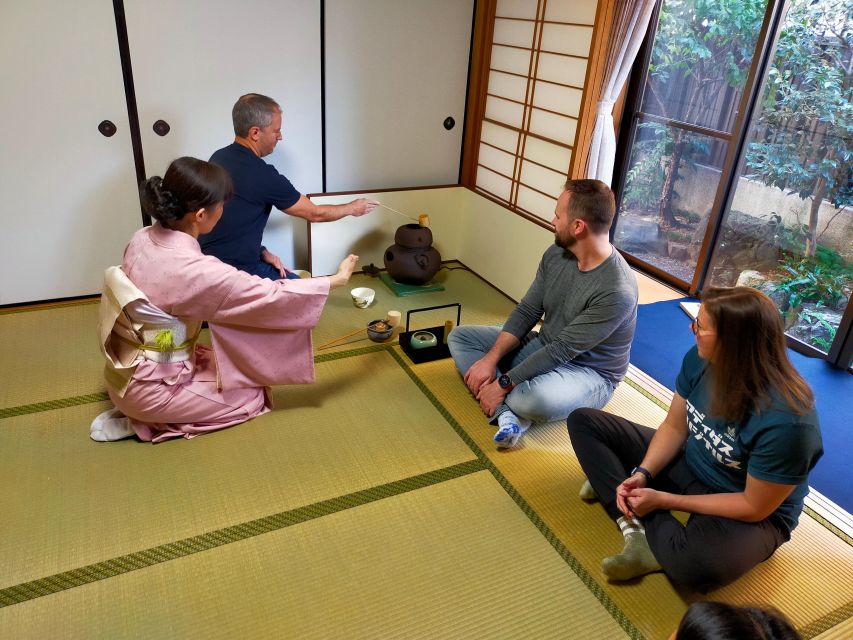
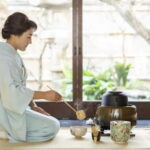
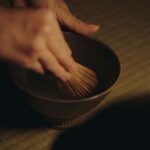
This is where the experience earns its name. You don’t just get one sip and a souvenir photo moment. You’ll get two bowls of matcha—one prepared by your instructor and one that you’ll make yourself using a bamboo tea whisk.
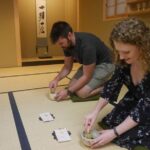
Your instructor explains how to prepare matcha ceremonially, including the right approach for mixing. Then comes the hands-on part: you’ll sit with your bowl and whisk it yourself. That step is the bridge between watching culture and doing culture.
You’ll also learn how to serve matcha properly to friends or family afterward. That’s a practical takeaway, not just trivia. It turns the ceremony from something you experienced once into something you can repeat—complete with better manners and better technique.
The garden walk and the weather-friendly flow
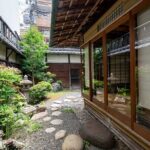
Before the ceremony begins, you’ll go outside and walk through a tiny little garden. It’s short, but it sets the tone: quiet, small-scale, and calmer than the streets. When it’s not raining, you’ll then enter an authentic Japanese-style room for the ceremony.
The weather factor is real, so if rain is in the forecast for your day in Kyoto, don’t assume you’ll get the exact same layout outside. Still, the ceremony portion is designed to happen smoothly regardless, and the overall structure stays the same.
Small group size means real questions
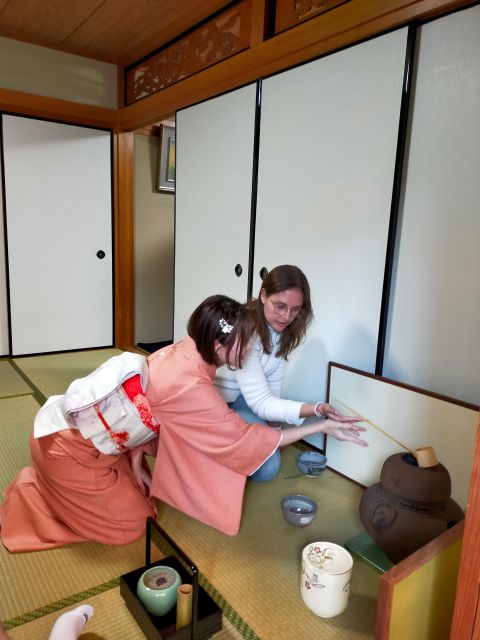
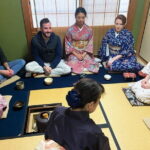
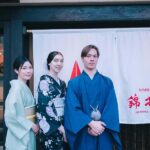
This is limited to 6 participants, which changes the whole experience. In a small room, you can actually ask questions without feeling rushed. The English-speaking instructor and tea instructor explain everything clearly, and the team is described as licensed guide interpreters, so there’s a focus on making sure the meaning comes through.
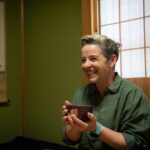
A few reviews mention the hosts being smiling, welcoming, and easy to talk to. One participant specifically named Miho as the host, and the tea master as friendly and happy to answer questions about culture. That’s a good sign for you: you’re not stuck with one-way instructions.
Price and what you really get for $55
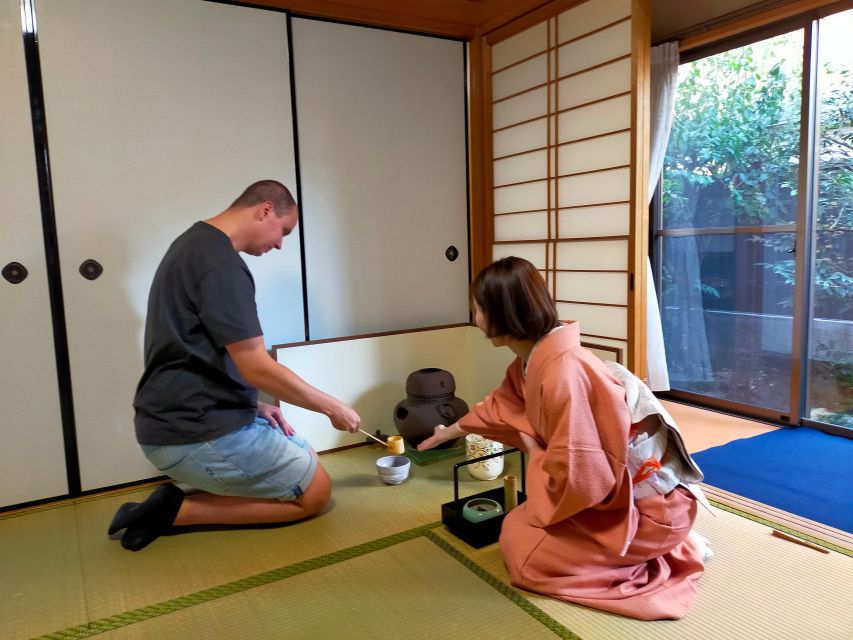
At $55 per person for 75 minutes, the price is reasonable if you look at what’s included. You’re not only tasting matcha—you’re also learning and making wagashi hands-on, then preparing matcha yourself. The price covers the English-speaking instructor, the materials for both the wagashi lesson and the matcha bowls (two bowls total), plus all fees and taxes.
What you should plan around is what’s not included. There’s no hotel pickup or drop-off, and you won’t have someone calling a taxi for you. So you’ll want to build a little travel time buffer into your day. Also, gratuity isn’t included, so if you’re the tipping type, plan on that.
For me, the value comes down to participation level. Many Kyoto food-and-tea options are light on hands-on work. This one gives you both: a sweet-making session and a matcha practice session you can repeat later.
Practical details that prevent awkward moments
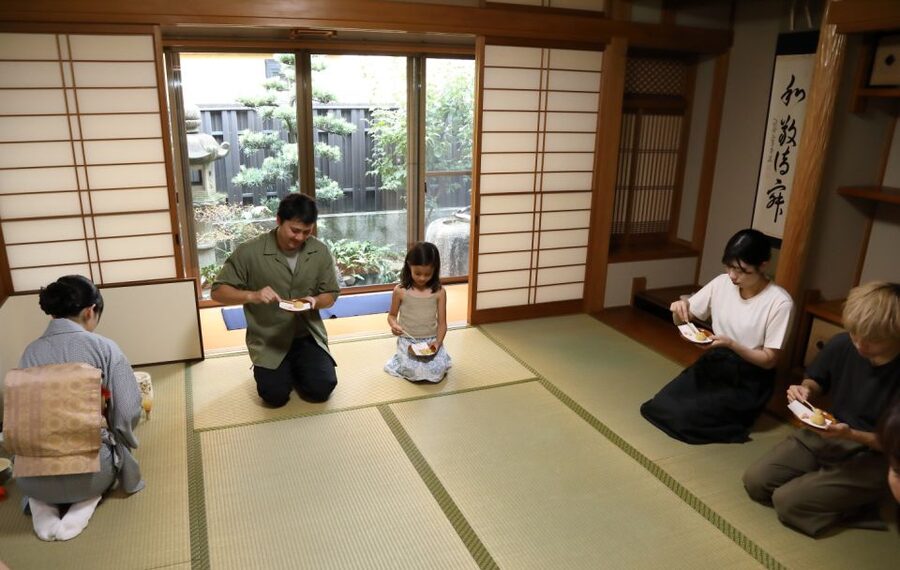
This class is built around barefoot-free comfort. You should bring socks, and bare feet aren’t allowed. That’s not just a rule—it helps keep the room and tatami area clean and comfortable.
Photo rules are also important:
- Flash photography isn’t allowed
- Video recording isn’t allowed
- You may be asked not to take photos during some parts so everyone can experience the moment
That’s actually fair. If you’re the type who enjoys watching from the side and filming your whole day, adjust your expectations. Think of it like this: you’ll get the memories from the experience itself, not from a thousand clips.
Seating is another key point. Tables and chairs are available if you find floor sitting difficult—just tell them in advance. But the experience isn’t suitable for wheelchair users.
Who this tour fits (and who should skip it)
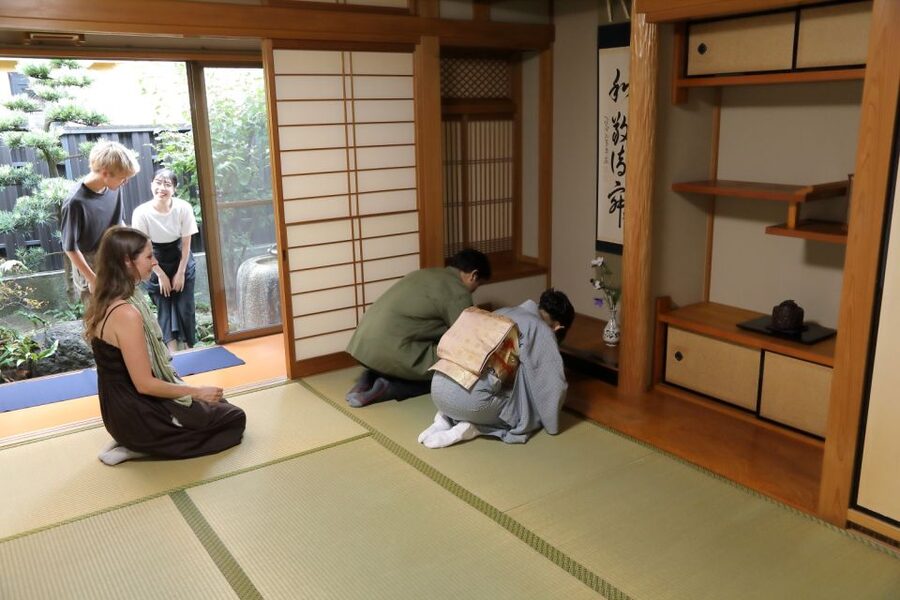
This works best if you like hands-on cultural activities and want something more calm than a rapid checklist of sights. If you’re already thinking about Kyoto as tea, shrines, and everyday aesthetics—not just landmarks—this fits your rhythm.
It’s also ideal if you care about etiquette and want context for why people do things in a certain order. The ceremony explanations (tea history, manners, and the meaning of the hanging scroll) make it more than a simple snack-and-drink moment.
On the other hand, it isn’t suitable for children under 8. And it isn’t wheelchair accessible. If your mobility needs make tatami seating hard and you’re unsure about chair arrangements, contact the operator early so you can confirm what works for you.
Should you book this Kyoto wagashi and matcha class?
I’d book it if you want a Kyoto experience that’s quiet, hands-on, and genuinely useful afterward. The combination of making wagashi, learning the tea room basics, and whisking matcha yourself is a strong mix for the time and money.
Skip it (or think twice) if you’re mainly looking for a quick, low-effort activity, or if rules around photos and floor seating will stress you out. Also, if you’re traveling with small kids, it’s not a match for ages under 8.
If you want a calm reset in Kyoto—one that teaches you something you can repeat at home—this is the kind of tour that earns its place on your itinerary.
FAQ
How long is the Kyoto Fushimiinari wagashi making and tea ceremony?
It lasts 75 minutes.
What does the $55 price include?
You get an English-speaking instructor, hands-on wagashi making (one type), explanation of how to make tea and eat the sweets, and two bowls of matcha. One bowl is prepared by your instructor and the other is prepared by you. All fees and taxes are included.
Is this a hands-on class or just a demonstration?
It’s hands-on. You’ll learn to make one kind of wagashi yourself, and you’ll also get to prepare a bowl of matcha yourself.
Do I need Japanese language skills?
No. The experience is conducted with an English-speaking instructor, and instructors are guide interpreters for clear communication.
What should I bring?
Bring socks.
Are bare feet allowed?
No. Bare feet are not allowed.
Are photos or videos allowed?
Flash photography isn’t allowed, and video recording isn’t allowed. You may also be asked not to take photos during some parts of the session.
Is it a small group?
Yes. It’s limited to 6 participants.
What if I can’t sit comfortably on the floor?
Chairs and tables are available for guests who find it difficult to sit on the floor. Let them know in advance.
Can I get a refund if my plans change?
Free cancellation is available up to 24 hours in advance for a full refund.