REVIEW · TOKYO
Sumi-e Experience in a relaxing green tea shop in Tokyo
Book on GetYourGuide →Operated by H.I.S. Co Ltd(TIC) · Bookable on GetYourGuide
Ink meets calm in a Tokyo tea room. This one-hour sumi-e session in a relaxing green tea shop lets you make an original ink artwork with guidance in English. I like how you get a clear theme choice and a structured lesson plan, and I also like that you leave with something useful or display-ready, not just a photo. One thing to consider: you should wear clothes you don’t mind getting ink on, because ink happens fast.
The class runs in a small group (up to 8), and it’s built around a simple rhythm: watch a demo, draw for 40 minutes, then get help polishing your final piece. The setting matters too, since the tea part keeps the pace gentle. A small drawback: at $105 per person, it’s not a budget activity, so it’s best if you truly want a handmade souvenir you’ll enjoy using or showing.
In This Review
- Key Things You’ll Notice Fast
- A Relaxing Green Tea Shop Setting for Sumi-e
- The Three Project Options: Coasters, a USB Lamp Shade, or Kakejiku
- Coasters Course (Washi, 9 cm diameter)
- Lamp Shade Course (A 10 cm square, USB powered)
- Hanging Stroll Course (Kakejiku, 75×32 cm washi)
- The One-Hour Flow: Demo, 40 Minutes Painting, Then Final Instructions
- 10 minutes: instructor intro and demonstration
- 40 minutes: your sumi-e experience
- 10 minutes: output time and instruction
- Choosing a Theme: Why Your Subject Matters for Your Finished Look
- Ink, Imperfection, and the Zen Ideas You Can Actually Use
- Small-Group Attention and the Master Instructor Effect
- Tea Included, Supplies Included: What You Don’t Have to Worry About
- Price and Value: Is $105 Worth It?
- Getting There and What to Know Before You Go
- Who This Sumi-e Class Fits Best
- Should You Book This Sumi-e Session?
- FAQ
- How long is the Sumi-e experience in Tokyo?
- What can I make in this class?
- Is the instruction available in English?
- Is tea included?
- What should I bring?
- Is it suitable for young children?
Key Things You’ll Notice Fast
- Small group, max 8 people means more attention when you’re figuring out brush control
- 40 minutes of hands-on time after a short instructor demo
- Your choice of 3 project types: washi coasters, a USB lamp shade, or a kakejiku hanging scroll
- English instruction makes the technique easier to follow without guessing
- Included tea and art materials so you’re not scrambling for supplies
- Take-home results that are yours alone, with no two pieces being the same
A Relaxing Green Tea Shop Setting for Sumi-e
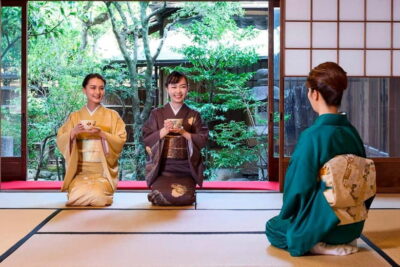
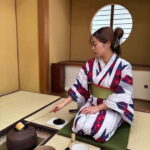
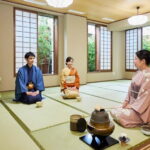
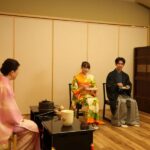
Sumi-e is Japanese ink wash painting, built on the idea that black ink and water can express a lot with very few tools. In this class, you’re not dropped into a loud studio. You’re in a green tea shop environment where the mood stays slow and focused, which matters because sumi-e rewards calm hands and patience.
The whole session is designed for simplicity. You’re choosing a theme and making your own brushwork on a project that you can actually bring home. That’s a big part of the value here: you’re doing a craft you can feel immediately, without needing prior art skills.
You can also read our reviews of more tours and experiences in Tokyo.
The Three Project Options: Coasters, a USB Lamp Shade, or Kakejiku
You pick one painting theme, then you apply it to the item you choose from three courses. Each option changes how your sumi-e “reads” when it’s finished, so think about what kind of souvenir you want.
Coasters Course (Washi, 9 cm diameter)
If you like everyday practicality, the coasters option is hard to beat. You’ll draw on washi paper coasters, each one 9 cm in diameter. Small size means you’ll need tighter brush planning—especially if your theme has distinct elements like bamboo stalks or mountain shapes.
Why this option feels fun: it’s compact, so you can focus on one clean composition rather than covering a large surface. Plus, a coaster is something you’ll use on a daily basis, which makes the memory stick.
Lamp Shade Course (A 10 cm square, USB powered)
The USB lamp shade course is for you if you want your art to change mood when light hits it. The lamp shade is 10 cm square and lights up via USB connection. Ink wash designs can look extra dramatic when backlit, since contrast becomes stronger and the paper texture shows up.
Practical note: because it’s a lighted object, planning your brushwork helps. You’ll want to think about how dense ink areas will look once illuminated.
Hanging Stroll Course (Kakejiku, 75×32 cm washi)
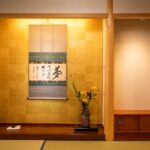
For a more traditional, display-style piece, choose kakejiku—a hanging scroll made of washi paper, sized 75×32 cm. This format encourages a bolder sense of balance because you’re working with a longer vertical space.
This option is especially satisfying if you like the idea of hanging your art like a real Japanese decoration, not just setting it on a table.


The One-Hour Flow: Demo, 40 Minutes Painting, Then Final Instructions
The lesson has a clean structure, and that’s a big reason it works for first-timers.
10 minutes: instructor intro and demonstration
You’ll start with the instructor’s self-introduction and a sumi-e demonstration. This is where you learn the basics of the brush movement and how ink should behave on washi. Watching the strokes first helps you avoid the most common beginner frustration: pushing too hard or overworking the same spot.
40 minutes: your sumi-e experience
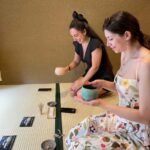
Then comes the main event: 40 minutes of hands-on painting. This is enough time to create something meaningful, while still short enough that you don’t feel trapped making art for hours.
Your theme choice also matters. You’re not asked to invent everything from scratch. You’re selecting what you want to draw, and then translating it into ink wash form.
10 minutes: output time and instruction
Finally, you’ll get 10 minutes of output handling and instruction. That’s the part that helps your piece make the transition from wet ink to something you can take home confidently.
Choosing a Theme: Why Your Subject Matters for Your Finished Look
Sumi-e themes often feel simple at first glance, but they demand different brush decisions. With ink wash, your end result depends as much on control and spacing as it does on the subject itself.
Here’s what helps you decide:
- If you want an easier composition, pick a theme with clearer shapes and fewer small details.
- If you want something atmospheric, choose a theme that plays with contrast—ink density can suggest depth and distance.
- If you’re doing the USB lamp shade, think in terms of how light will reveal paper texture and ink intensity.
The best part: the instructor’s presence means you can adjust mid-process instead of starting over from zero.
Ink, Imperfection, and the Zen Ideas You Can Actually Use
Sumi-e is connected to Zen thinking, but you don’t have to know philosophy to benefit. What you’ll feel in practice is the balance between spontaneity and discipline.
You’re working with only black ink and water, so every brushstroke becomes visible. That visibility is the magic. Mistakes don’t vanish; they become part of the piece. In a good class, that turns pressure into freedom.
Also, sumi-e has a real “speed learning” effect. In about an hour, you start understanding:
- how ink spreads
- how brush pressure changes density
- how you can leave space for the paper to breathe
Small-Group Attention and the Master Instructor Effect
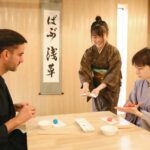
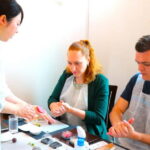
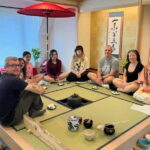
This class is limited to 8 participants, which is the sweet spot for a hands-on art activity. You’re not competing for attention, and you’re not stuck waiting while everyone else gets guidance.
English instruction is key too. If you’re nervous about artistic vocabulary, you can still follow along through clear coaching. One standout detail is that the learning is led by skilled instruction, including Master Shigen (mentioned in participant feedback), which adds confidence that technique is handled properly.
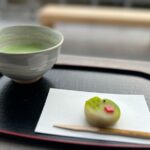
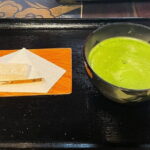
And yes, tea plays a role. Participants noted drinking plenty of tea during the class. That matters because sumi-e feels better when you’re not rushing. The tea helps keep your pace natural.
Tea Included, Supplies Included: What You Don’t Have to Worry About
You’re not just paying for a seat. The class includes painting equipment and tea, plus the painting class fees themselves. That means you aren’t showing up wondering what materials you need or where to buy ink-wash supplies.
The only clear “you supply” item is your clothing. You should plan to wear something you don’t mind getting dirty, because ink can splatter or stain.
Price and Value: Is $105 Worth It?
At $105 per person for a 1-hour workshop, it’s not a bargain compared to generic Tokyo activities. But it can be good value if you think of it like paying for (1) instruction, (2) materials, (3) tea, and (4) a take-home art object you’ll actually keep.
Here’s what you’re getting that justifies the price:
- Small-group teaching instead of passive observation
- Included equipment for sumi-e on washi
- Tea included, which turns the experience into a full sitting, not a quick stop
- A final output you can take home as a true souvenir
If your main goal is a cheap activity, this won’t be the one. If your goal is a calm, guided craft with an object you’ll use or display, it’s a strong choice.
Getting There and What to Know Before You Go
The meeting point is listed as 4F building. Since transportation isn’t included, you’ll want to plan your own route in Tokyo.
Before you arrive, note these practical items:
- Wear clothes you don’t mind getting inked
- The instructor asks you to tell your birth date as part of check-in
- Instruction is in English
- The class is wheelchair accessible
- It’s not suitable for children under 5
If you’re sensitive to mess, this is still doable, just bring the right outfit—old long sleeves, a dark apron style top if you have one, and you’ll feel more relaxed.
Who This Sumi-e Class Fits Best
This workshop fits travelers who like hands-on learning and want something tangible to take home. It’s also a great fit if you’re:
- new to art and want coaching without pressure
- looking for a calmer, more mindful Tokyo activity
- interested in Japanese crafts beyond shopping
- planning a souvenir that isn’t mass-produced
If you’re the type who likes highly structured experiences with a clear output, you’ll probably enjoy this. The session’s pacing is predictable, and the project formats give you a defined end result.
Should You Book This Sumi-e Session?
I’d book it if you want a Japanese ink art souvenir that you can keep, use, or hang—and you’re happy to get a little ink on your clothes. The small group size, English instruction, and included materials make it a low-stress way to try sumi-e properly.
Skip it if you’re looking for something purely sightseeing-focused or you don’t want to deal with any ink-related mess. Also, at $105, decide based on your priority: do you want a handmade keepsake more than another hour wandering Tokyo?
If the answer is yes, this class is a solid, relaxing way to spend your time.
FAQ
How long is the Sumi-e experience in Tokyo?
The class lasts 1 hour, with a short introduction and demonstration, 40 minutes of hands-on painting, and final output instruction.
What can I make in this class?
You choose one of three course types: washi coasters (9 cm diameter), a USB lamp shade (10 cm square), or a kakejiku hanging scroll (75×32 cm).
Is the instruction available in English?
Yes. The instructor provides guidance in English.
Is tea included?
Yes. Tea is included as part of the experience.
What should I bring?
Wear clothes you don’t mind getting inked. The experience uses ink, so plan for possible staining.
Is it suitable for young children?
It is not suitable for children under 5.