REVIEW · TOKYO
Asakusa: Kimono Tea Ceremony with Matcha and Sweet
Book on GetYourGuide →Operated by GLOBA Inc. · Bookable on GetYourGuide
Green tea, kimono, and quiet Zen lessons in Asakusa. In 90 minutes, you’ll pick a seasonal kimono, sit on tatami, and learn the flow of a traditional tea ceremony while making your own matcha and enjoying wagashi.
I especially like how hands-on it feels. You get real time with the tea master, and I like that the lesson isn’t just about tasting; you also learn the meaning of Wa, Kei, Sei, and Jaku and how tools are handled with care.
One possible drawback: you need to be comfortable with shoe-free etiquette and sitting on tatami mats. If you’d rather use a chair, you’ll want to request bamboo seating in advance.
In This Review
- Key highlights I think you’ll care about
- Choosing Your Seasonal Kimono in Tokyo’s Asakusa
- Professional Dressing and Hair Styling (Long Hair Matters)
- The Tea Room Ritual: Wa, Kei, Sei, Jaku Explained Clearly
- Making Your Own Matcha the Traditional Way
- Seasonal Wagashi Pairing: Tea Isn’t Just a Drink
- Tatami Seating, No Shoes, and When to Request Bamboo Chairs
- Group Size and Timing: What 90 Minutes Feels Like
- Photo Moments and What You Can Do After the Ceremony
- Price and Value: Is $66 for 90 Minutes Fair?
- Who Should Book This Asakusa Kimono Tea Ceremony?
- Should You Book This Kimono Tea Ceremony?
- FAQ
- How long is the Asakusa kimono and tea ceremony experience?
- Is the tour guided in English?
- Is there kimono rental included?
- Do I need to remove my shoes?
- Can I sit on something other than tatami mats?
- Is hair styling included?
- Are children allowed?
- What food and drink are included?
- Is transportation to the venue included?
- Can I cancel or pay later?
Key highlights I think you’ll care about
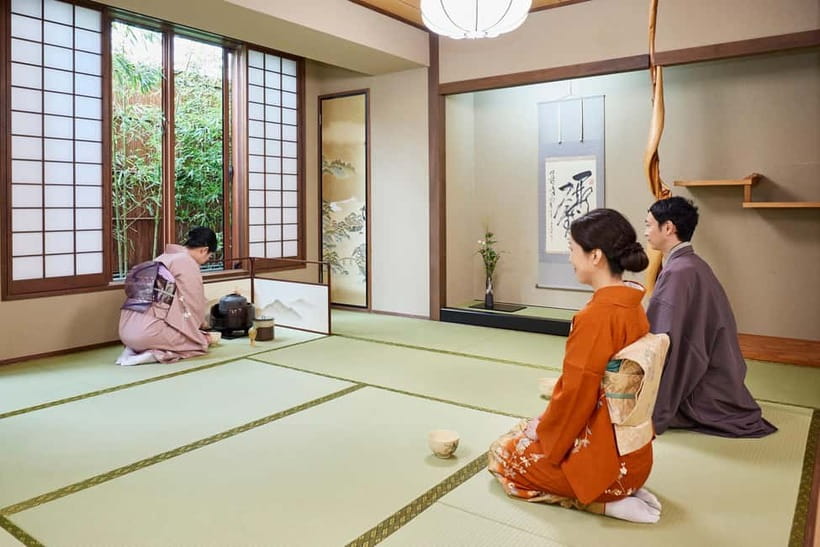
- Seasonal kimono selection: you choose a kimono first, then they help match the obi and styling
- Full English guidance: the tea master and staff keep the explanations clear throughout
- Wa, Kei, Sei, Jaku lesson: the ceremony’s Zen ideas are explained in plain, practical terms
- You whisk your own matcha: you follow the steps, then make your bowl of green tea
- Wagashi included: seasonal Japanese sweets are served alongside your matcha
- Photo-friendly setup: there’s indoor space plus a small garden area for photos
Choosing Your Seasonal Kimono in Tokyo’s Asakusa
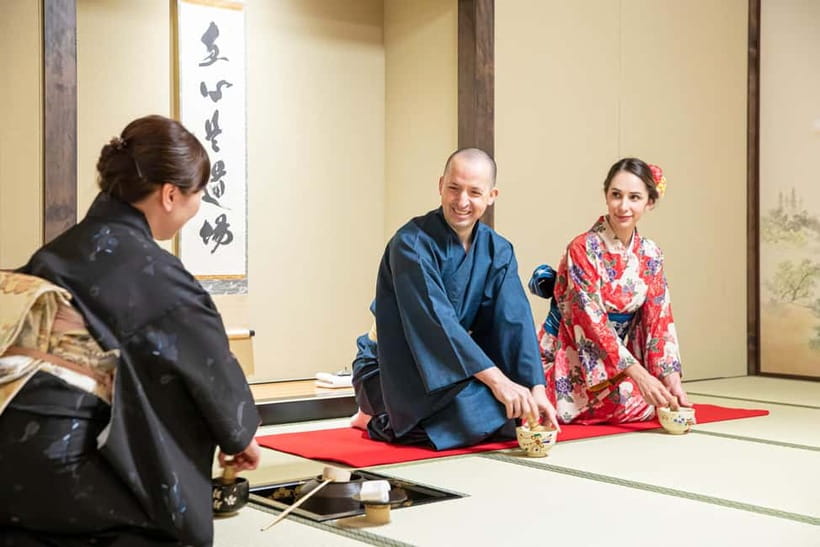
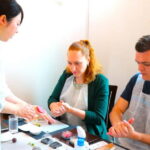
The fun starts before you ever touch a tea whisk. You begin by picking a seasonal kimono with help from the staff, so you’re not stuck guessing what will look right. It’s a surprisingly big part of the experience, because the color and pattern you choose set the tone for everything that comes next.
From what you’re given, expect a real dressing workflow: you select the kimono, then get support so it sits correctly on you. That matters more than you’d think. A kimono isn’t “just clothing.” Fit affects how you move during the tea ceremony and even how comfortable you’ll be while seated for the ritual.
Also, this is a cultural experience with a calm pace. You’re not in and out for a quick photo. You’re set up to slow down, listen, and follow instructions in a respectful space.
If you’re someone who likes details, keep an eye out for how the staff match accents like accessories and how they think about your overall look. The goal is that the outfit looks right from the moment you arrive at the tea room, not just at the end for pictures.
You can also read our reviews of more tours and experiences in Tokyo.
Professional Dressing and Hair Styling (Long Hair Matters)
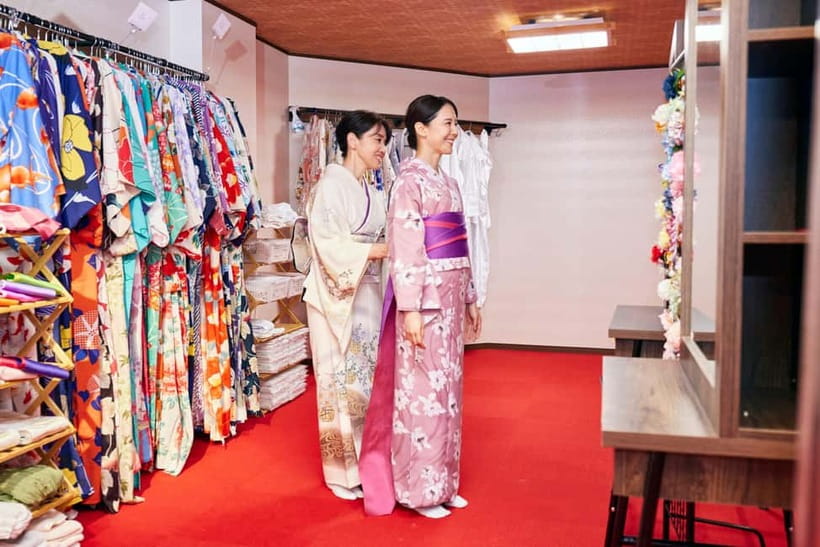
Kimono day is practical beauty, not just cosplay. The service includes professional dressing, and there’s hair styling for women with long hair only. If your hair is shorter, you’ll want to check directly beforehand so you aren’t disappointed.
When it works, it’s genuinely transformative. You get your hair styled to coordinate with the kimono look, and it changes how you feel in the room. Several details stand out from the way the experience is delivered: the staff move efficiently, explain what they’re doing as they go, and help you settle into the kimono comfortably.
One useful tip: plan to keep your day schedule flexible. Even though the ceremony itself runs about 90 minutes, you’ll likely want extra time for photos and the dressing moment, because that’s when you see the full payoff of choosing a kimono and matching it with obi and hair styling.
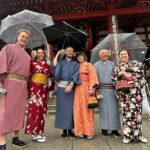
And yes, you can often take photos during and after. The setup includes areas designed for kimono photos, including indoor spots and an outside photo area (a small garden). If you want “before dinner” style photos without looking rushed, this experience fits that idea nicely.
The Tea Room Ritual: Wa, Kei, Sei, Jaku Explained Clearly
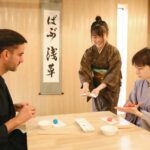
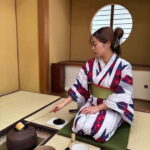
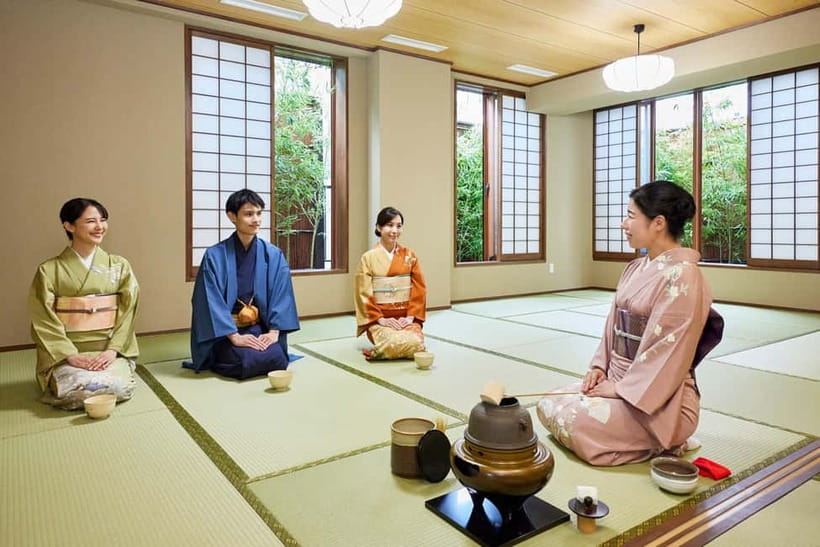
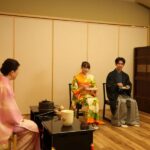
After dressing, you enter the quiet tea room. The atmosphere is calm by design. You’ll sit on tatami mats, and the ceremony follows a steady rhythm where each action has a purpose.
Here’s what makes the tea part especially worthwhile: the tea master doesn’t just show the motions. You learn why the ritual matters. The guide explains the Zen principles that define the practice:
- Wa (harmony)
- Kei (respect)
- Sei (purity)
- Jaku (tranquility)
Even if you’ve never heard these terms before, the way they’re taught helps you connect the abstract ideas to what you’re actually doing with your hands, posture, and attention.
You’ll also watch precise handling of the tools and utensils. Some of these items are described as cherished artifacts, which gives you a reason to slow down. You’re not just learning a drink recipe. You’re learning etiquette: how to move carefully, how to observe first, and how to follow steps without rushing.
If you’re used to fast tours, this section can feel refreshingly different. The “work” here is focus, not speed.
Making Your Own Matcha the Traditional Way
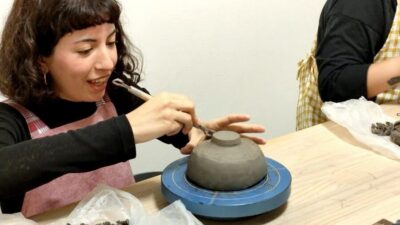
Then comes the hands-on part: you prepare matcha. First, you’ll watch the host demonstrate the careful process. Then you’ll do it yourself and whisk your own bowl of matcha.
This is where the experience earns its keep. If all you wanted was a sample, you could get matcha almost anywhere. But this class gives you the full sequence—tool handling, timing, and the calm routine that turns ingredients into a ceremony.
I also like that the guide’s teaching style is English-first with full English guidance throughout. That’s a big deal in Japan, where cultural rituals can feel opaque if you don’t get explanations. Here, you’re guided clearly enough that you can actually understand what you’re doing and why.
After you whisk your own bowl, you enjoy your matcha as part of the ceremony flow. You’re not left holding a cup with no context. The experience connects the process to the final taste.
One more practical note: because it’s a quiet, structured ritual, come prepared to participate rather than just observe. You’ll get more out of it if you’re mentally ready to slow down and follow instructions.
Seasonal Wagashi Pairing: Tea Isn’t Just a Drink
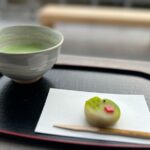
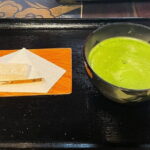
Your matcha comes with seasonal Japanese sweets called wagashi. These sweets are served as part of the experience, not as a random snack. That pairing matters because wagashi are designed to match the season and the mood of the tea ceremony.
You don’t need to be a sweets expert to enjoy this part. The main value is that it rounds out the cultural lesson. Tea ceremony culture is about timing and balance: tastes, textures, and attention.
Also, because you’re sitting down for the full ritual, you get to experience the sweets at the right moment. It’s not a separate event that you fit in between other stops.

Tatami Seating, No Shoes, and When to Request Bamboo Chairs
A few practical rules shape how comfortable you’ll be.
- Shoes aren’t allowed in the experience space. Plan to wear socks you’re comfortable walking in during short changes.
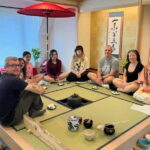
- Seating is on tatami mats by default.
- Bamboo chairs are available upon advance request.
If you have knee or hip issues, don’t treat tatami as “probably fine.” Request a chair early, so you don’t end up negotiating comfort once you’re already in the room. And if you don’t request one, just plan to sit in a quiet way for the duration.
This is also why the experience feels special. Tatami seating isn’t a gimmick. It shapes your posture and attention. If you know you can sit calmly for about 90 minutes, you’ll probably enjoy the ritual more than you expected.
Group Size and Timing: What 90 Minutes Feels Like
This experience runs about 90 minutes, and you’ll join a small group. The sessions run with around 12–14 participants, depending on how many people are booked for your time slot.
That group size is a good match for the format. Big enough that it feels lively and social in a gentle way, but small enough that the tea master can keep the explanations moving and help you participate without feeling lost.
Timing also matters because this is a calm ceremony. The experience includes:
- kimono selection and dressing,
- tea room ritual teaching,
- tool demonstration,
- making matcha,
- enjoying matcha and wagashi.
So while 90 minutes sounds short on paper, it covers several “stages” that feel substantial in real time. You leave with photos, a story you can explain, and (most importantly) real practice with matcha.
Photo Moments and What You Can Do After the Ceremony
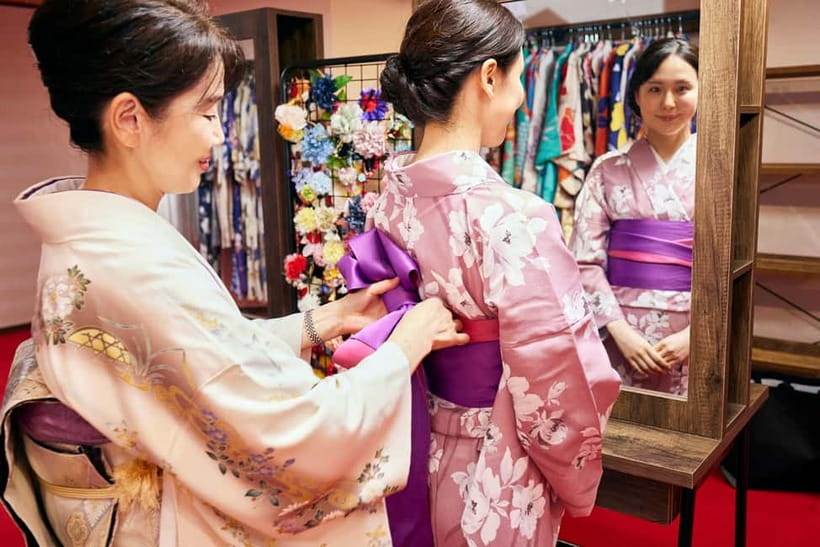
One of the best perks is that it’s built for more than just the tea lesson. The kimono rental experience is set up so you can take photos during and after.
There’s a small garden for pictures and set locations inside. If you want a photogenic break without hunting for a scenic spot, you’ll appreciate the planning.
Also, the kimono isn’t meant to be locked away right after your ceremony. You can often wear your kimono for a while after if you wish, which makes the whole experience feel more like a day activity than a one-and-done class.
That said, be realistic about the weather. Cold streets can make extra time in a kimono less comfortable, even if you really want to get out and enjoy the neighborhood.
Price and Value: Is $66 for 90 Minutes Fair?
At $66 per person for about 90 minutes, you’re paying for much more than a cup of tea. The biggest value driver is that you get:
- kimono rental plus professional dressing,
- hair styling for women with long hair only,
- full English guidance,
- traditional tea ceremony instruction,
- matcha preparation with you participating,
- seasonal wagashi.
If you’ve done Japan activities before, you know how quickly costs add up once you factor in clothing, staffing, and guided instruction. Here, most of the fee goes toward the most expensive part: the people-and-process side of the experience.
So for me, the value makes sense if your goal is cultural understanding plus hands-on participation, not just a quick photo or a passive tasting. It’s also a good value if you don’t already have kimono rental plans for the rest of the day, since dressing here is part of the experience flow.
Who Should Book This Asakusa Kimono Tea Ceremony?
Book it if you want:
- a hands-on tea ceremony where you actually whisk matcha,
- kimono dressing with a guided setup,
- English explanations of what the ceremony means (not just what to do),
- a calm, respectful cultural moment in Tokyo that isn’t crowded chaos.
It’s not the best fit if:
- you can’t sit comfortably on tatami without assistance,
- you dislike structured quiet activities,
- you need a routine that works for children under 7 (those children aren’t permitted).
If you’re solo, this can be a strong choice because the staff guide the process start to finish, and the photo support helps you end up with real memories instead of awkward selfies.
Should You Book This Kimono Tea Ceremony?
If you want an experience that’s both photogenic and genuinely educational, I’d say book it. The mix of kimono dressing, clear English guidance, and practical matcha-making gives you more than a standard cultural stop. You also get a calm, well-led setting where the ritual makes sense.
Just plan for the shoe-free, tatami reality. If that’s a concern, request a bamboo chair early. And if you’re going specifically for high-energy sightseeing, consider pairing it with busier plans before or after, so the quiet time feels like a choice, not a slowdown you didn’t expect.
FAQ
How long is the Asakusa kimono and tea ceremony experience?
The experience lasts approximately 90 minutes.
Is the tour guided in English?
Yes. Full English guidance is provided throughout the experience, and the instructor is listed as English.
Is there kimono rental included?
Yes. Kimono rental and professional dressing are included.
Do I need to remove my shoes?
Yes. Shoes are not allowed.
Can I sit on something other than tatami mats?
Bamboo chairs are available upon advance request.
Is hair styling included?
Hair styling is included for women, but it’s long hair only.
Are children allowed?
Children under 7 years old are not permitted.
What food and drink are included?
You will enjoy matcha that you prepare, plus seasonal Japanese sweets called wagashi.
Is transportation to the venue included?
No. Transportation to the venue is not included.
Can I cancel or pay later?
Free cancellation is available up to 24 hours in advance for a full refund. You can also reserve now & pay later.