REVIEW · TOKYO
Tokyo: Traditional Tea Ceremony with a Tea Master
Book on GetYourGuide →Operated by Sunrise Adventure · Bookable on GetYourGuide
Tokyo tea feels small, then suddenly memorable. This one-hour session in the Ocharu room is built around real tastes and hands-on technique, right across from Tokyo University. You’ll start with black tea, move into green tea, then whisk matcha like you mean it.
I especially love the lineup: wakocha to open your palate, followed by gyokuro sencha tasting you might not find on a typical food tour. I also like that you get to actively make matcha, not just watch it.
One caution: the experience is not suitable for wheelchair users, so plan a different activity if you need step-free access.
In This Review
- Key Things That Make This Tea Ceremony Worth Your Hour
- A 1-Hour Tea Lesson Across From Tokyo University
- Walking In: Wakocha Welcome Tea and Tea Cake
- Gyokuro Sencha Tasting: The Real Meaning of High-Grade Green Tea
- Seasonal Wagashi From Ougiya: Sweetness That Doesn’t Fight the Tea
- Matcha Making With a Tea Master: Whisk, Don’t Guess
- A quick note on instruction style
- The Water + Temperature Lesson You’ll Keep Thinking About
- Genmaicha Finale: The Comforting Roast-Rice Finish
- Certificate and Group Photo: A Small Souvenir With Actual Meaning
- What to Do After: Downstairs Matcha and Tea Shopping
- Price and Value: How $38 Becomes More Than a Drink
- Who This Tea Ceremony Fits Best
- Should You Book This Tea Ceremony?
- FAQ
- Where is the meeting point?
- How long is the tea ceremony?
- What languages are offered?
- What teas and sweets are included?
- Do I get anything to take home?
- Is there free cancellation?
- Can I pay later?
- Is it wheelchair accessible?
- Final Verdict
Key Things That Make This Tea Ceremony Worth Your Hour
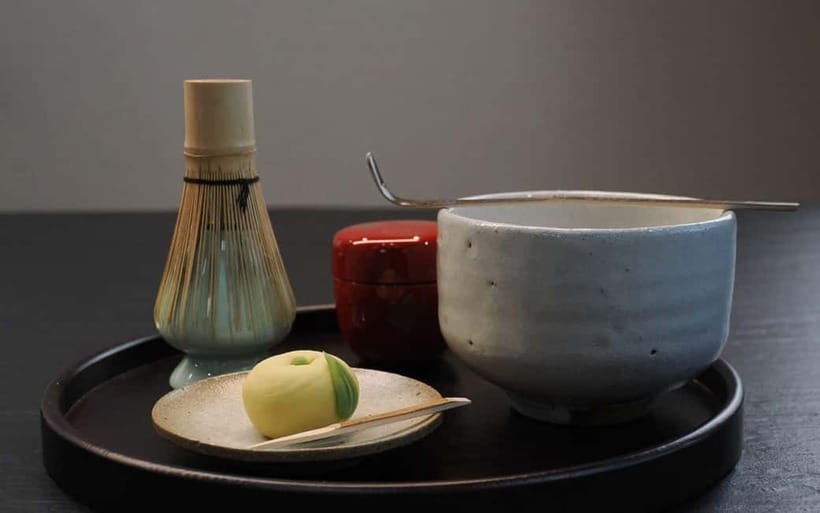
- A full tasting arc, from Japanese black tea (wakocha) through multiple green tea styles
- Hands-on matcha whisking using traditional tools, guided in English
- Seasonal wagashi from Ougiya, a well-known confectionery name in Japan’s tea-sweet world
- A genmaicha finale with roasted-rice comfort that rounds out the flavors
- Keepsakes included: a completion certificate and a group photo
- Easy location opposite Tokyo University, with a simple “OCHARU” logo to help you find it
A 1-Hour Tea Lesson Across From Tokyo University
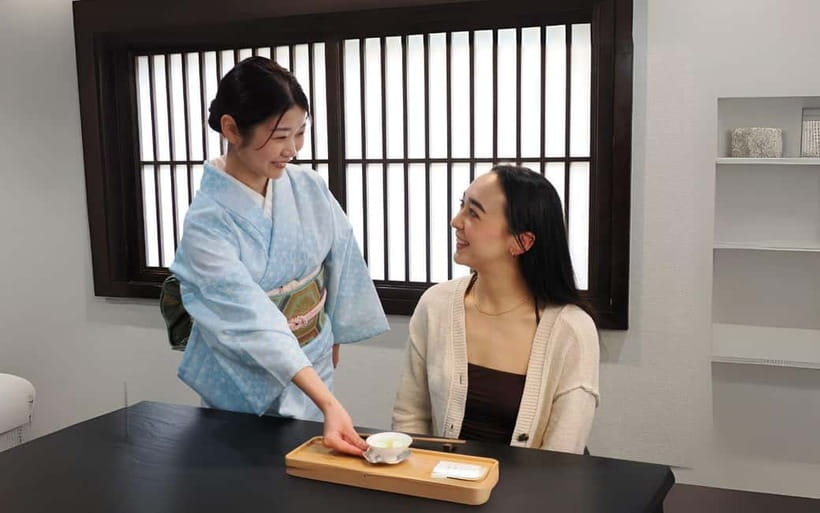
This is the kind of cultural activity that fits even a busy Tokyo day. At about one hour, you get a structured sequence of teas and sweets, plus the chance to make matcha yourself. For a fixed time commitment at a reasonable price point, that’s a strong value.
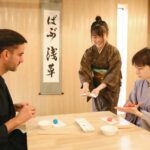
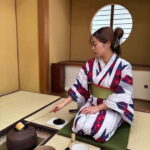
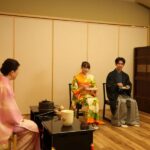
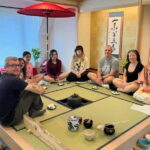
The setting helps too. It’s a dedicated tea room in the Ocharu building, and the staff keep the vibe calm and friendly. It’s not performative or stiff—more like a guided lesson where questions are welcome and the pacing stays comfortable.
Also, the location is practical. Being across from Tokyo University means you can tack it on near other sights without doubling back across the city.
You can also read our reviews of more tours and experiences in Tokyo.
Walking In: Wakocha Welcome Tea and Tea Cake
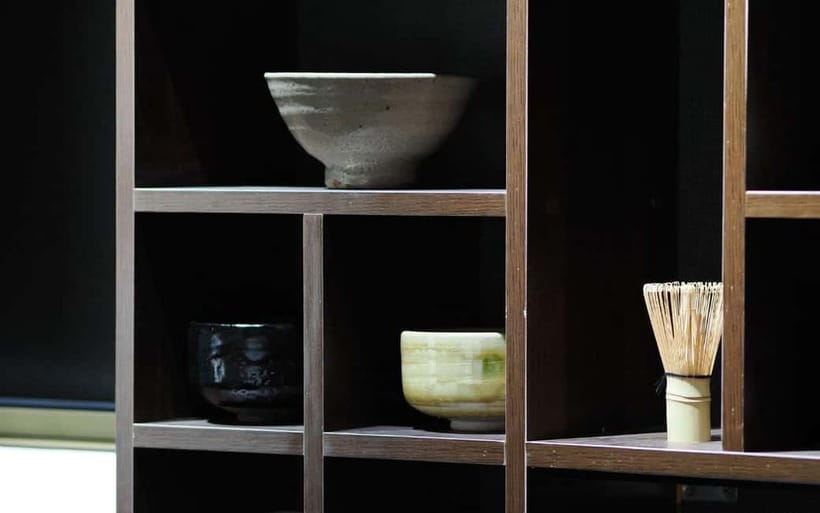
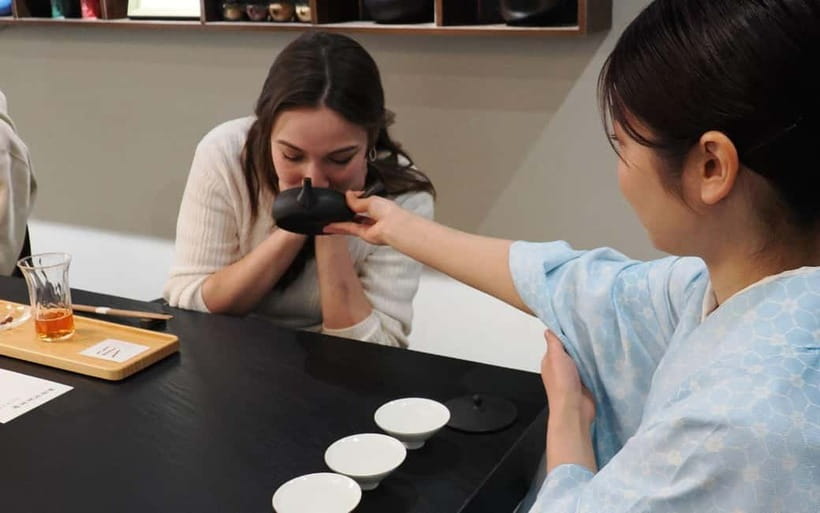
The session typically starts the way a good meal starts: with something light, refreshing, and meant to reset your taste buds. You’re served wakocha, a Japanese black tea from Shizuoka, paired with a traditional tea cake.
Why this matters: starting with black tea helps you appreciate what changes when you move into green tea later. If you go straight into matcha-heavy experiences, everything can taste “green” in the same way. This sequence keeps the flavors clearer.
You’ll also get the basic rhythm of the ceremony right away—how to hold the cup, when to taste, and how the sweet pairing influences the tea. Even if you’re new to tea, this “welcome round” makes the rest feel approachable.
Gyokuro Sencha Tasting: The Real Meaning of High-Grade Green Tea
Next comes a key highlight: Gyokuro sencha, described as the highest-grade green tea in this experience. You’ll get the chance to taste both the brewed tea and the tea leaves themselves.
That leaf-to-cup component is useful. It’s one thing to drink tea; it’s another to notice the texture, aroma, and color shift that hints at why gyokuro is considered premium. You’ll likely learn that temperature and timing can change the final taste—something tea people obsess over for a reason.
On the tea side, this session also includes a taste of different tea styles, so it’s not only matcha. On the snack side, you’ll get seasonal wagashi made by Ougiya, which adds a second layer of learning: how Japanese sweets are designed to match tea rather than overpower it.
Seasonal Wagashi From Ougiya: Sweetness That Doesn’t Fight the Tea
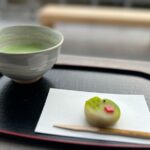
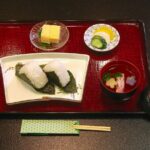
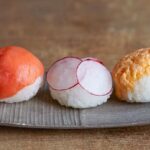
Wagashi isn’t just dessert in Japan—it’s part of the tea balance. In this ceremony, you’ll have seasonal sweets from Ougiya, a confectioner with long-standing ties to tea culture.
What to look for as you eat: wagashi often aims for harmony in sweetness, flavor, and texture. This helps you experience tea as a complete system—tea plus sweetness plus ceremony etiquette—rather than treating it like a drink stop.
If you’re the type who usually skips “small bites” in cultural tours, don’t. The wagashi here is a real part of the learning arc, and it changes how you perceive the next tea step.
Matcha Making With a Tea Master: Whisk, Don’t Guess
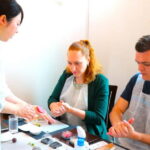
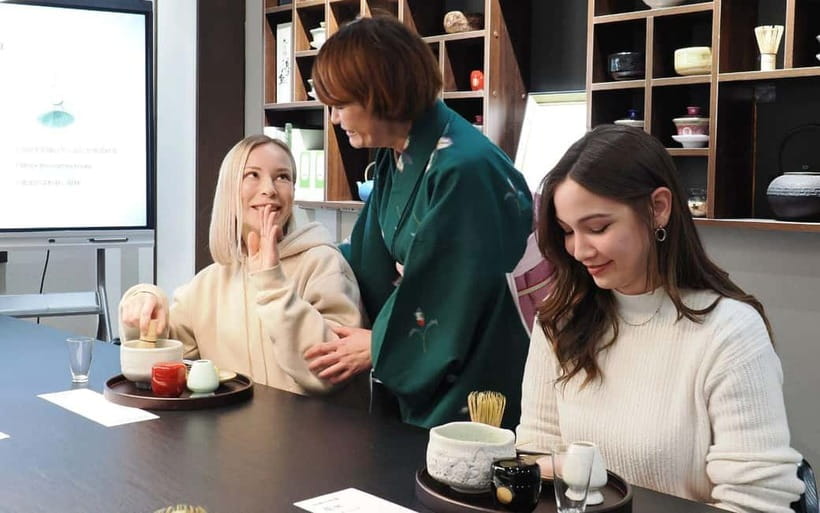
Then you shift from tasting to doing. You’ll whisk your own matcha with expert guidance using traditional tools and utensils.
This is where the experience tends to land hardest. You finally understand what matcha should feel like—how the powder disperses, how the foam forms, and how different motions create different results. It’s also a hands-on way to slow down. In a city that moves fast, your body gets pulled into the same tempo as the tea steps.
You’ll also learn the basic logic behind the method: the right technique is the difference between flat green drink and balanced, textured matcha. You get the structure without the intimidation, which matters if you’ve never tried before.

A quick note on instruction style
The teaching is presented in English, and the tone is usually friendly and relaxed. Some sessions may involve a guide with a thicker accent, so give yourself permission to ask for clarification if something isn’t landing right away.
The Water + Temperature Lesson You’ll Keep Thinking About
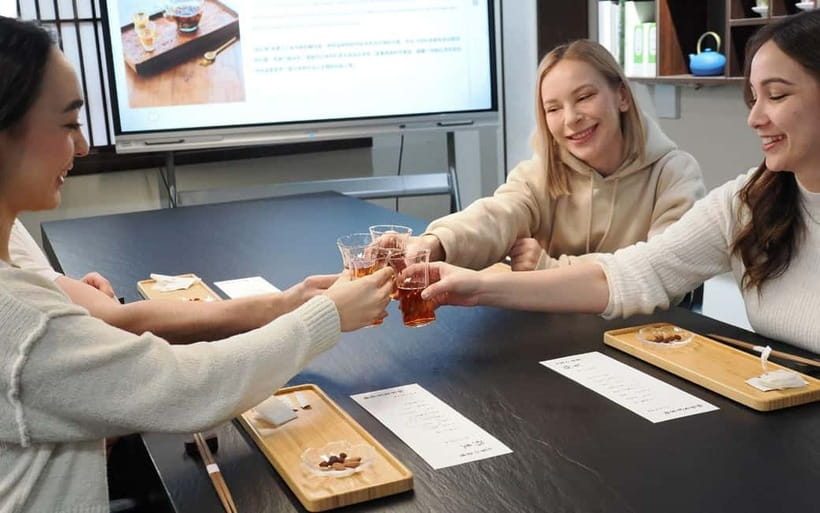
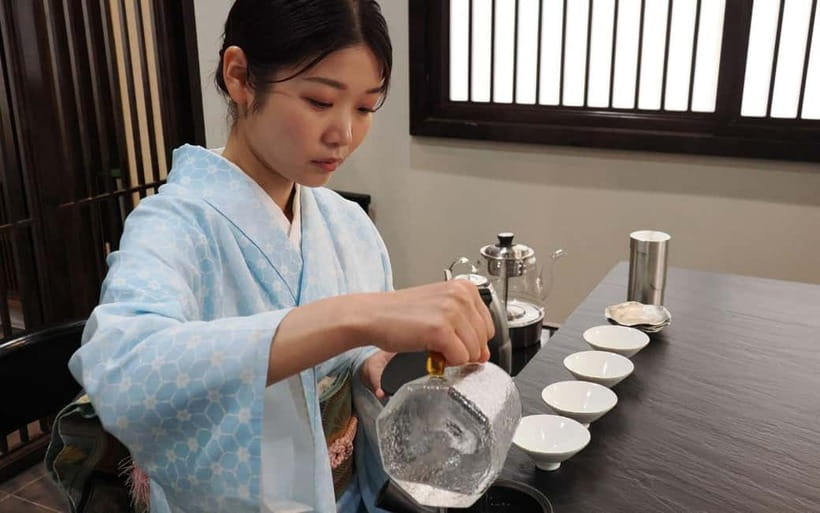
One theme that shows up again and again in tea ceremonies is that tea isn’t one flavor—it’s a process. In this session, you should expect guidance on how each step should be experienced, including practical details like water temperature for best flavor.
Even if you don’t memorize numbers, you’ll leave with a better sense of why matcha, sencha, and roasted rice blends taste so different. And when you taste tea later at a café, you’ll notice you’re not only ordering a drink—you’re tasting a method.
Genmaicha Finale: The Comforting Roast-Rice Finish
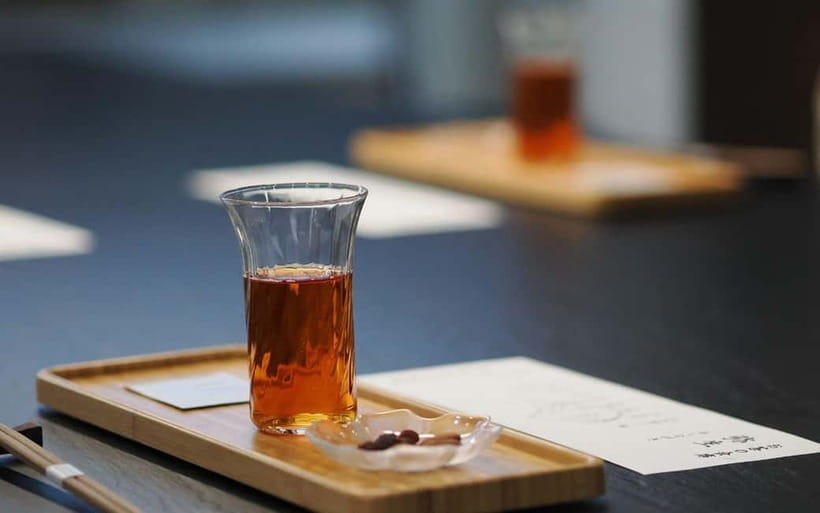
After matcha, you end with genmaicha, a blend of sencha and roasted rice from Niigata Prefecture. This is a smart finish.
Genmaicha has that nutty, toasted comfort that makes the whole hour feel complete. It’s less about intensity and more about smoothness and warmth—like the ceremony’s soft landing.
If you’ve ever had the feeling that green tea experiences leave you “too focused,” this final cup is the antidote. It smooths the flavor transitions and gives your palate a gentle reset.
Certificate and Group Photo: A Small Souvenir With Actual Meaning
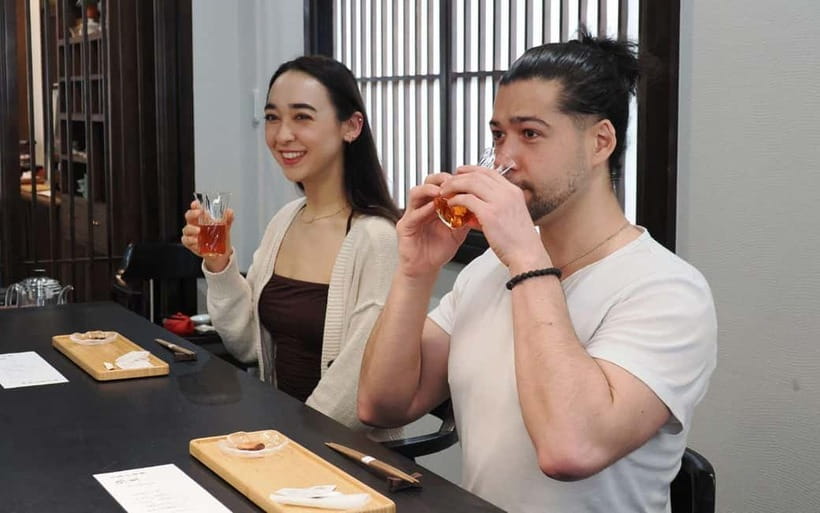
You’ll finish with a certificate of completion and a group photo. These are simple keepsakes, but they work because they’re tied to a real skill moment—your matcha-making hands-on step.
Some participants also note that the certificate can include their name in Japanese, which feels extra thoughtful for something you might otherwise treat as a generic paper token. And if you want a visual memento, the group photo gives you something to anchor the memory.
What to Do After: Downstairs Matcha and Tea Shopping

One practical bonus: there’s a small café downstairs where you can drink matcha and also purchase tea to take home. That’s a nice follow-through because you can buy something you actually learned to taste.
If you’re the type who hates souvenir shopping, keep it simple: buy one tea you genuinely liked during the session, plus maybe a small utensil or accessory if you plan to make matcha later. The goal is one or two items that match your new preferences.
Price and Value: How $38 Becomes More Than a Drink
At $38 per person for about one hour, you’re paying for a lot more than a cup. You’re getting:
- Multiple teas (wakocha, gyokuro sencha, genmaicha)
- Seasonal wagashi from Ougiya
- A hands-on matcha session with traditional tools
- Keepsakes: certificate and group photo
- An English-speaking tea master guiding the steps
In practical terms, this means you’re not spending most of your time “waiting your turn” like many tours. You’re actively tasting, making, and learning in a short window—exactly what you want for value in Tokyo.
Who This Tea Ceremony Fits Best
This activity is ideal if you want something cultural that’s calm, focused, and tactile. You’ll enjoy it if you:
- like tea already, or you’re curious but don’t know where to start
- want a structured experience that doesn’t require advanced knowledge
- prefer small, friendly teaching over formal lectures
It’s also a good choice for pairs. Some sessions are set up for intimate group sizes, so you may get more back-and-forth than you would in a larger tour.
Should You Book This Tea Ceremony?
Yes—if you want an hour of Japanese tea culture that’s both easy to fit and genuinely hands-on. The tea lineup (wakocha, gyokuro, matcha, and genmaicha) plus Ougiya wagashi gives you a full taste spectrum, not just a green-tea highlight. The certificate and photo make it feel complete, and the downstairs shop option helps you carry the experience home.
Skip it if you need wheelchair accessibility, or if you’re specifically looking for a long walking tour or major sightseeing stops. This is about technique, taste, and ceremony rhythm—not sightseeing.
FAQ
Where is the meeting point?
It’s in the OCHARU building, marked with a green logo on the wall. Arrive about 5 minutes early for check-in.
How long is the tea ceremony?
The experience lasts about 1 hour.
What languages are offered?
The instruction is in English.
What teas and sweets are included?
You’ll receive wakocha with a tea cake at arrival, taste gyokuro sencha with seasonal wagashi from Ougiya, make and enjoy matcha, and finish with genmaicha.
Do I get anything to take home?
Yes. You’ll receive a completion certificate and a group photo.
Is there free cancellation?
Yes, you can cancel up to 24 hours in advance for a full refund.
Can I pay later?
Yes, you can reserve now and pay later.
Is it wheelchair accessible?
No. It is not suitable for wheelchair users.
Final Verdict
Book this if you want one high-quality Tokyo cultural experience that’s short, friendly, and built around tasting and hands-on matcha. If you’re sensitive to accessibility needs, plan a different activity; otherwise, this is a solid way to spend an hour learning how Japanese tea culture actually feels.