REVIEW · TOKYO
Tokyo: Hama-rikyu Gardens tour with Japanese Tea & Sweets
Book on Viator →Operated by gotcha · Bookable on Viator
Tea and gardens in one smooth loop.
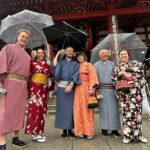
This small-group walk through Hama-rikyu Gardens pairs calm Edo-period scenery with a guide who explains how the design was shaped. I also like that the experience builds in the good stuff: a tea ceremony room stop with matcha green tea and Japanese sweets, included in the price.
One possible drawback: the tour duration can stretch (about 1.5 to 2.5 hours), and since there are optional add-ons in the area, your walk may feel a bit brisk if you’re trying to fit it between tighter plans. The good news is that you’ll be walking with comfortable shoes in mind, and the group size stays small (up to 4).
If you want Japanese garden culture you can understand fast—without getting lost in rules, names, and design concepts—this is a solid bet. A 5/5 note specifically praised a guide named Nori for being helpful and keeping the pace relaxed.
In This Review
- Key highlights before you go
- Hama-rikyu Gardens: Edo-era calm you can actually read
- The tea ceremony room: matcha and sweets as a payoff, not an afterthought
- Optional stops around the garden loop: choose your own Tokyo flavor
- Advertising Museum Tokyo (optional, free admission)
- Hayao Miyazaki’s Nippon Television Giant Clock (optional, free admission)
- Hibiya Shrine (optional, free admission)
- Timing, meeting point, and finishing at Shiodome Station
- Price and value: $85.84 for garden entry plus tea
- Who this tour fits best (and who should skip it)
- Should you book this Hama-rikyu tea and sweets tour?
- FAQ
- What is included in the tour fee?
- How long is the tour?
- Where does the tour start and end?
- Is the ticket mobile?
- Are the other stops mandatory?
- How big is the group?
- What should I wear?
- Is cancellation free?
- Are there any included museums or shrines?
Key highlights before you go
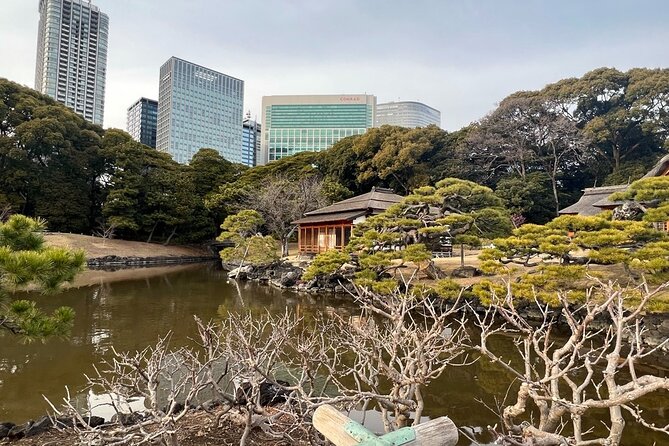
- Edo-period design explained: Your guide talks through the garden’s history and the thinking behind the layout.
- Karesansui dry landscape garden: One of the signature garden styles is part of what you’ll see.
- Kaiyushiki circular garden: Another standout layout means the garden experience feels planned, not random.
- Matcha and Japanese sweets included: A tea ceremony room stop is built into the visit.
- Small group size (max 4): More chance to ask questions instead of just following along.
- Optional Tokyo add-ons: You can tack on nearby sights like a Miyazaki clock and a historic shrine if you want.
Hama-rikyu Gardens: Edo-era calm you can actually read
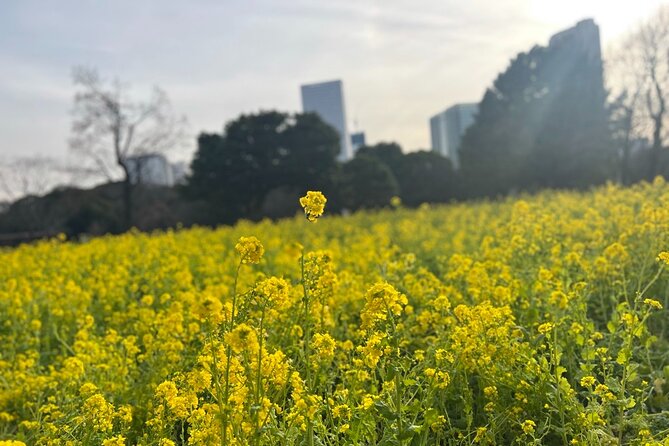
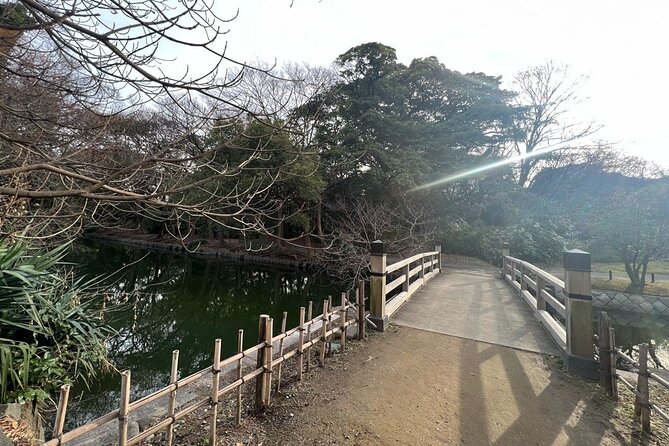
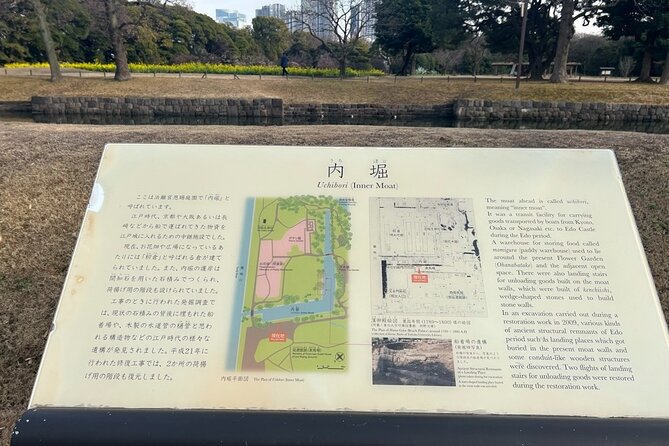
You start at the garden and settle into a place designed to be watched. Hama-rikyu Gardens are described as the largest Daimyo gardens in Tokyo, tied to the Edo period when samurai established gardens within their estates. That framing matters because it turns what could be just pretty scenery into something you can interpret.
The guide-led part is the main reason I think this works. Japanese gardens can look quiet and simple from a distance, but they often follow strict ideas about space, viewpoint, and symbolism. Here, you get a detailed explanation of the garden’s history and the background behind its design. You’re not just taking photos—you’re learning how to look.
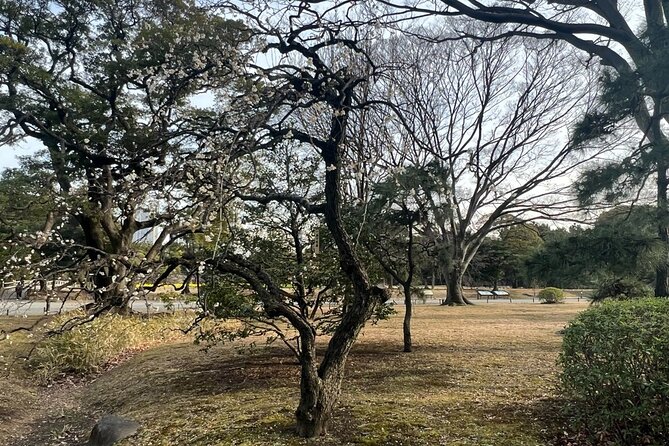
Two garden elements get a spotlight: the Karesansui dry landscape garden and the Kaiyushiki circular garden. Even if you don’t know garden vocabulary, your guide’s explanations help you connect what you’re seeing with why it’s arranged that way. And because the garden is designed around seasonal change, you’ll notice how the plantings and trees shift the mood as the view changes.
Photography is a big part of the appeal. Since you’ll pause, move, and look from different angles, it’s easier to get the shots you want without sprinting. Bring a camera strap you can trust, and expect to stop more often than you would on an unguided stroll.
You can also read our reviews of more tours and experiences in Tokyo.

The tea ceremony room: matcha and sweets as a payoff, not an afterthought
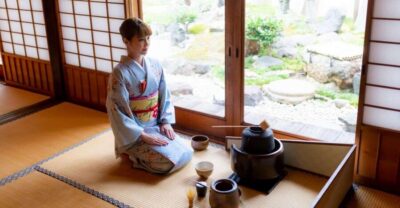
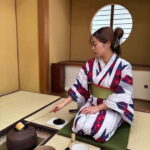
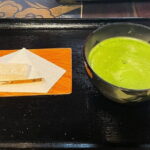
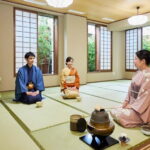
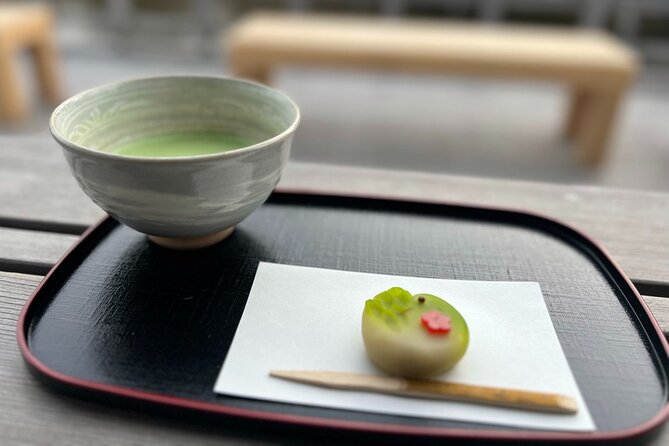
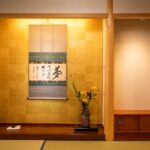
The best moment in this tour is the built-in pause. Inside the garden, there’s a tea ceremony room where you experience matcha green tea and Japanese sweets. The fact that it’s included matters because you don’t need to budget extra or hunt for the right place after the walk.
What I like about this setup is pacing. After you’ve been learning about the garden’s design and history, the tea experience gives you a reset—something quiet to do while your brain absorbs the garden details. Matcha and sweets also give you a more complete sense of Japanese culture beyond scenery alone.
This is also a great way to slow down if you’re the type who reads signs quickly but doesn’t want a museum-style lecture. You can simply enjoy the tea and sweets while you reflect on what you just saw outside.
Optional stops around the garden loop: choose your own Tokyo flavor
After the garden, the tour continues through nearby sights. Some are optional, so you can decide based on your energy level and interests.
Advertising Museum Tokyo (optional, free admission)
If you like noticing everyday design, the Advertising Museum Tokyo is a fun detour. The exhibits focus on Japanese advertising and how it’s changed over time, plus comparisons between Japanese advertising and foreign advertising. The museum part is free, so it’s a low-risk add-on if you want something different from gardens and shrines.
The potential downside: it’s still another stop in the same overall time window. If you’re only in Tokyo for a short visit or you want the garden experience to stay the main event, skip it and keep your schedule calm.
Hayao Miyazaki’s Nippon Television Giant Clock (optional, free admission)
This is the quirky, playful stop. You can see a steampunk-style copper karakuri clock created in the spirit of Hayao Miyazaki’s work. When the time is up, lights come on and the karakuri clock starts moving with music.
That moving clock element is what makes it worth considering. Even if you’re not a hardcore animation fan, the mechanical show-and-tell is a memorable break from walking. The only consideration is timing—you’ll likely need to align your visit with when it performs, so don’t treat this as guaranteed unless you’re flexible.


Hibiya Shrine (optional, free admission)
If you want something calmer and more traditional, Hibiya Shrine is a nearby option with a long timeline: about 400 years. It enshrines the god of agriculture and the god that drives away the impure.
This stop works well if you’re enjoying the cultural thread of the day. You’ll move from garden design into a shrine setting without it feeling like a random city detour. Keep in mind it’s an office district, so the mood can be more urban around the edges, even if the shrine itself is the quieter focus.
Timing, meeting point, and finishing at Shiodome Station
This tour is built around one clear start and end. You meet at Otemon Bridge (near Ginza area) and you finish at Shiodome Station. That matters because it saves you from the annoying question of how you’ll get back across the city after you’re done.
The duration is listed as about 1 hour 30 minutes to 2 hours 30 minutes. That range is wide enough that it can affect your next plan—especially if you’re hoping to fit a dinner reservation right after. If you tend to plan tight, leave buffer time.
You’ll also want to remember it’s a walking tour. Even though it’s not described as extreme, the recommendation is clear: wear comfortable walking shoes. This is Tokyo, and stepping in and out of locations adds up fast.
Your ticket is mobile, which is convenient if you’re already living off your phone. Also, the booking info suggests it’s wise to reserve ahead; the tour is often booked about 49 days in advance on average. If your trip is during a busy season, earlier is better.
Price and value: $85.84 for garden entry plus tea
At $85.84 per person, this is not a budget freebie. The question is what’s included that saves you money or hassle.
Here’s the value math that matters:
- Garden admission is included for the Hama-rikyu Gardens segment.
- Matcha green tea and Japanese sweets are included in the tour fee.
- You’re paying for a guided explanation of the garden’s history and design background, which is the part most people miss when they go alone.
If you’ve ever paid for a garden ticket and then paid again for tea separately, this pricing starts to make sense. The tour also caps at 4 travelers, which can feel more personal than a bigger group experience. That smaller group size means the guide’s explanations are easier to follow and ask about.
If you prefer self-guided travel, you might wonder whether you could replicate the day on your own. You can try, but if your goal is to understand what you’re looking at—especially Karesansui and Kaiyushiki—then the guide component is where the money earns its keep.
Who this tour fits best (and who should skip it)
This tour suits you if:
- you want a guided walk focused on Japanese garden culture, not just photos
- you like an organized tea break with matcha and sweets
- you prefer small groups (up to 4)
- you’re open to optional nearby sights like a museum, a moving clock, and a historic shrine
You might skip it if:
- you’re trying to stack multiple big attractions back-to-back with zero buffer time
- you don’t want to walk at all during sightseeing
- you’re mainly after a museum-heavy day rather than garden-and-culture pacing
Should you book this Hama-rikyu tea and sweets tour?
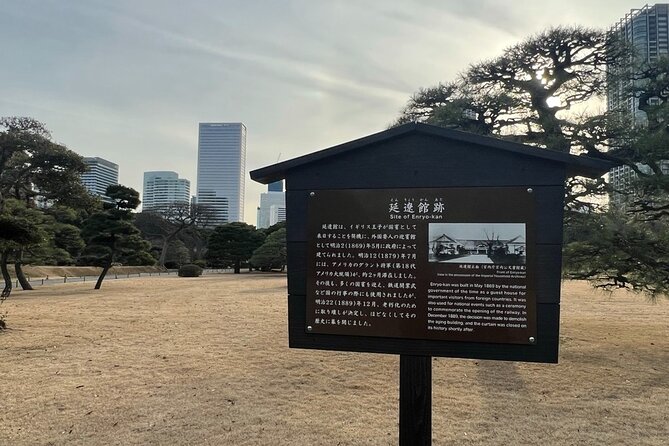
I’d book it if you want an easy win in Tokyo: a guided garden visit you can understand, plus a built-in matcha and sweets moment in a tea ceremony room. It’s the kind of experience that makes you feel like you learned something without feeling like you sat through a long lecture.
If your schedule is tight, treat it like a main event and give it room to breathe. When the garden is the priority, the optional add-ons become your choice, not your burden.
FAQ
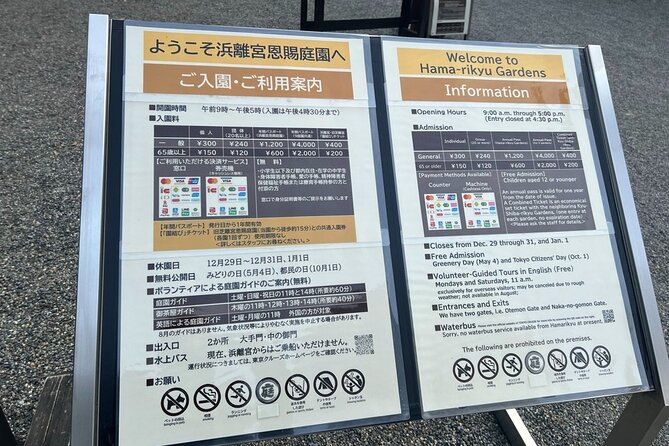
What is included in the tour fee?
Matcha green tea and Japanese sweets are included, and admission to Hama-rikyu Gardens is part of the tour.
How long is the tour?
The tour is listed at about 1 hour 30 minutes to 2 hours 30 minutes.
Where does the tour start and end?
It starts at Otemon Bridge (near Ginza) and ends at Shiodome Station.
Is the ticket mobile?
Yes, the tour uses a mobile ticket.
Are the other stops mandatory?
No. Advertising Museum Tokyo, Hayao Miyazaki’s Nippon Television Giant Clock, and Hibiya Shrine are listed as optional.
How big is the group?
The tour has a maximum of 4 travelers.
What should I wear?
Wear comfortable walking shoes, since it’s a walking tour.
Is cancellation free?
Yes. You can cancel up to 24 hours in advance for a full refund.
Are there any included museums or shrines?
Advertising Museum Tokyo and Hibiya Shrine are included only if you choose the optional stops. The clock is also an optional stop.