REVIEW · ASAKUSA
Kimono Tea Ceremony at Tokyo, Asakusa Maikoya
Book on Viator →Operated by Maikoya · Bookable on Viator
Matcha in kimono sounds unreal. In Asakusa, the Kimono Tea Ceremony at Tokyo Maikoya turns a simple lesson into a proper, step-by-step matcha ritual, with hands-on whisking and calm tea etiquette. What I love most is the chance to dress up and get great photo time around the area, including Senso-ji surroundings, while the tea master guides you through what each motion means. One thing to consider: tripods aren’t allowed, and photo/video during the ceremony can be limited by the tea master’s instructions.
I also like the pacing: you’re there for about 1 hour 30 minutes, and you can usually pick a morning or afternoon slot. The whole setup is built for small groups (maximum 3 travelers), with staff helping you choose a kimono and, if you want, doing a simple hairstyle.
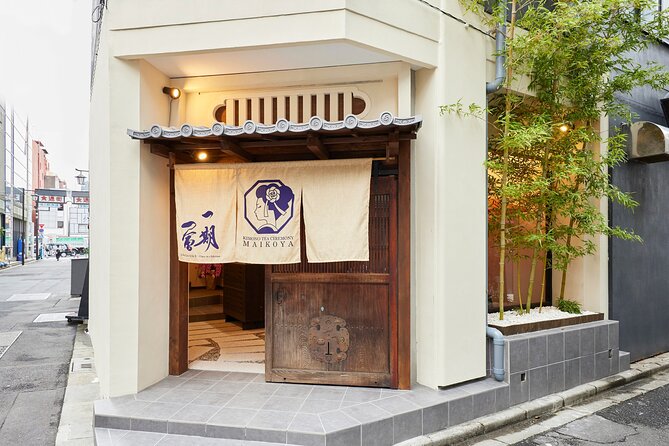
The experience starts and ends at the shop in Asakusa (MAIKOYA Asakusa). It’s near public transportation, and there’s a clear rule for families: children under 7 can’t enter the tea ceremony venue.
In This Review
- Key Highlights at Tokyo Asakusa Maikoya
- Entering the MAIKOYA Asakusa Tea Room: What the Start Feels Like
- What $55.81 Buys You in Real Terms (Not Just a Costume)
- The Kimono Dressing Moment: Choosing, Putting On, and Getting Ready
- Making Matcha the Formal Way: The Heart of the Ceremony
- Tea Etiquette and How to Behave in the Room
- Photo Time Beyond the Tea Room: Kimono Walking and Senso-ji Area Stops
- Timing, Slots, and Group Size: Why Your Experience Should Feel Calm
- Comfort on Tatami: Kneeling, Sitting, and Simple Hairstyle Care
- Who Should Book This and Who Might Skip It
- Practical Tips for Your Day in Asakusa
- Should You Book Kimono Tea Ceremony at Tokyo Asakusa Maikoya?
- FAQ
- Where does the Kimono Tea Ceremony MAIKOYA Asakusa start and end?
- How long is the experience?
- What is the price per person?
- Is there a mobile ticket?
- What’s included in the ceremony?
- What if I want to film or take lots of photos?
- Can children participate?
- Is hotel pickup included?
- How small is the group?
- What is the cancellation window?
Key Highlights at Tokyo Asakusa Maikoya
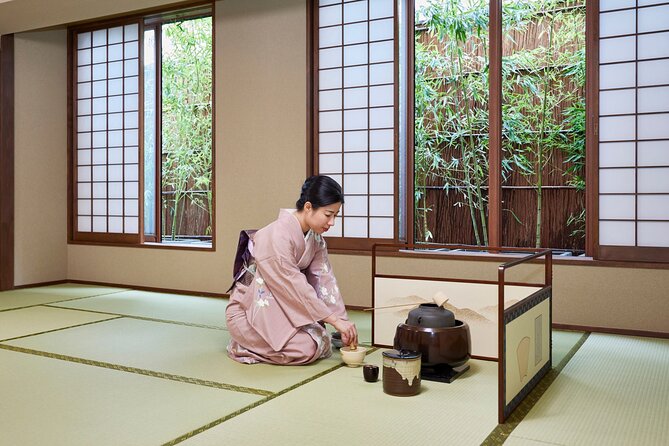
- Kimono dressing with staff help: You get matched to a kimono and dressed properly, not just handed a garment.
- Matcha made by you: You whisk your own bowl under a tea master’s guidance, not just watch.
- Tea etiquette explained in plain English: Many hosts are noted for clear explanations, including context around the ritual.
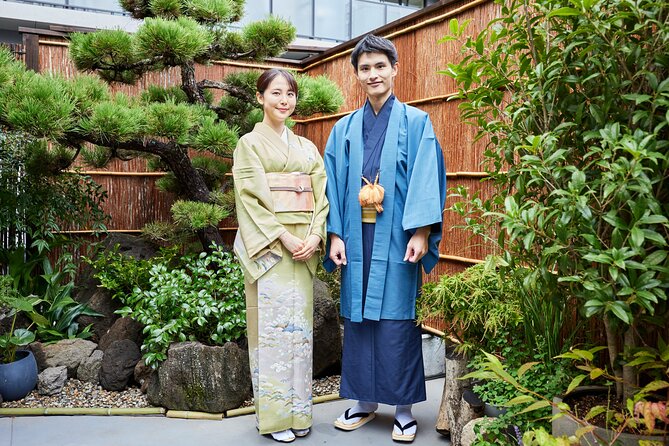
- Photo opportunities before and after: Expect time for photos, including Senso-ji area spots, plus a patio/garden-style photo area.
- Small group feel: The ceremony caps at 3 travelers, which keeps distractions low.
- Photo rules during the ceremony: Plan on limited recording and no tripods while the tea ritual is happening.
Entering the MAIKOYA Asakusa Tea Room: What the Start Feels Like
Asakusa is a great neighborhood for this because it already feels ceremonial—temples, old streets, and daily Tokyo life rubbing shoulders. Meeting at Kimono Tea Ceremony MAIKOYA Asakusa keeps things easy: you don’t need hotel pickup, and you can arrive using nearby public transportation.
When you check in, you’ll be guided through the flow quickly. A common theme in feedback is how warmly staff welcome people and how fast they move you from arrival into dressing and preparation, which matters if you’re trying to fit this into a day that also includes temple photos.
There’s also a good realism factor here: you’re not doing a costume-and-people-shuffle event. The room setup is formal, and the staff treat the ritual with proper respect, including clear guidance on how to behave once you sit down.
You can also read our reviews of more tours and experiences in Asakusa.
What $55.81 Buys You in Real Terms (Not Just a Costume)
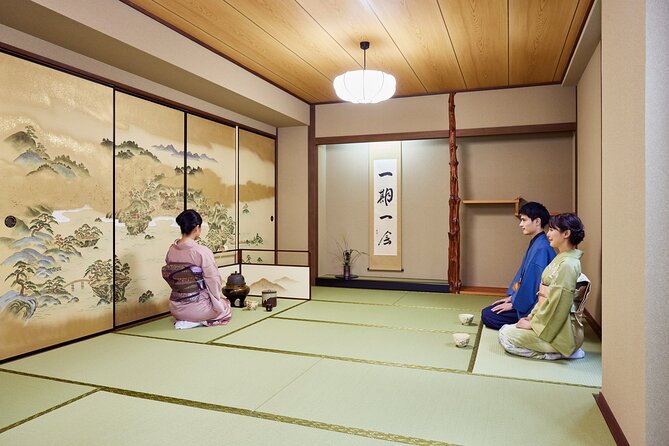
The price looks modest for Tokyo, especially once you look at what’s included. You get kimono costume, green tea, utensils, snacks, and a simple hairstyle option. That means you’re not piecing together a kimono rental plus a separate cultural activity plus refreshments.
This is also a better deal than DIY rental if your goal is meaning, not just photos. You’ll learn the why behind the movements—how the ritual works and how tea etiquette shapes the experience—so you leave with something more than a memory photo.
Two things aren’t included. You handle your own transportation, and there’s no hotel pickup/drop-off. For most visitors, that’s fine because Asakusa is well connected, but it’s worth planning your commute so you don’t arrive frazzled.
The Kimono Dressing Moment: Choosing, Putting On, and Getting Ready
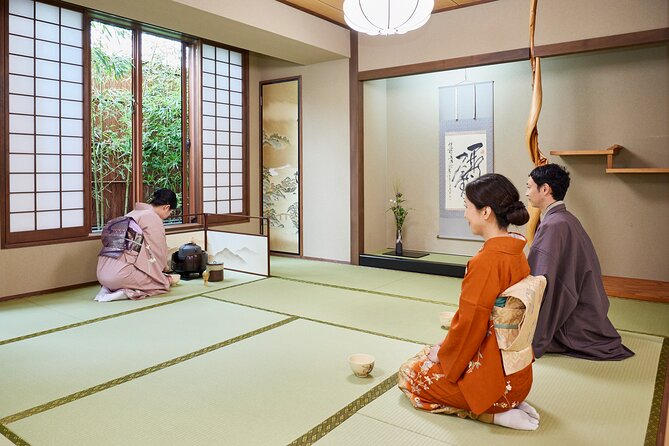
One of the most praised parts is the dressing process. Staff help you pick a kimono, then assist you in wearing it correctly. That’s important because a kimono look can fall apart fast if the fit and folds aren’t done right—these folks focus on the details.
If you want it, you can also get hair styled in a simple traditional style. The styling part is usually handled quickly, and it’s designed to look right with the kimono without needing a complicated routine. If you have long hair, expect help that makes the look feel cohesive and camera-ready.
You’ll also get opportunities to take photos. What’s key here is that the photos aren’t treated like a rushed add-on. There’s time to get into your outfit, then time again after the ceremony, including a photo area that feels more Japanese than just a random background.
Making Matcha the Formal Way: The Heart of the Ceremony
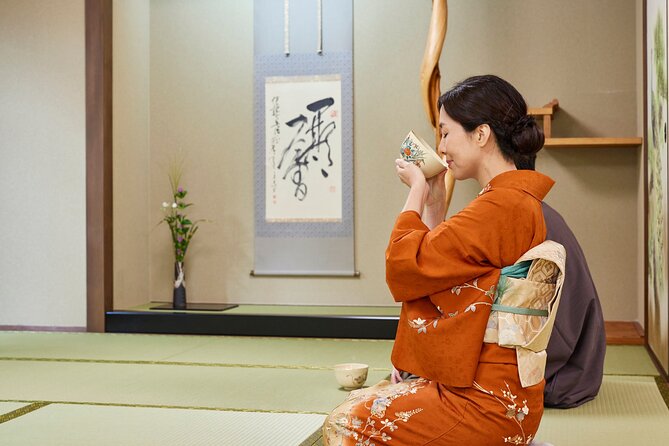
This isn’t a “watch someone else do it” experience. The core moment is when you prepare your own bowl of matcha under the tea master’s guidance.
Here’s what makes it valuable: you learn the rhythm. Matcha-making is repetitive on purpose—whisking and serving are built around focus, posture, and respect. The tea master explains the meaning behind tools and movements, so it feels like a ritual with logic, not just a performance.
Several hosts are noted for speaking excellent English and explaining history and etiquette in a friendly way. Names that come up include Iyume and Erika, both praised for giving context clearly and making the atmosphere feel comfortable.
During your hands-on portion, you’ll follow the tea master’s instructions. Expect a quiet, guided pace. Also, be ready for the practical reality: you’ll be using utensils and whisking carefully, so go in with patience and a willingness to learn.
Tea Etiquette and How to Behave in the Room
If you’ve never attended a Japanese tea ceremony, you don’t need to worry. The staff guide you through proper behavior so you know what to do without freezing.
The etiquette focus is part of why people rate this so highly. You’ll learn how to handle utensils, when to participate, and how to observe respectfully during parts of the ritual. The room is formal, so attention matters.
Also note the rules around recording. Tripods aren’t allowed during the ceremony, and photo/video recording may be limited. That’s not just a policy—it keeps the experience quiet and respectful. Follow the tea master’s timing instructions so you don’t get cut off mid-step.
Photo Time Beyond the Tea Room: Kimono Walking and Senso-ji Area Stops
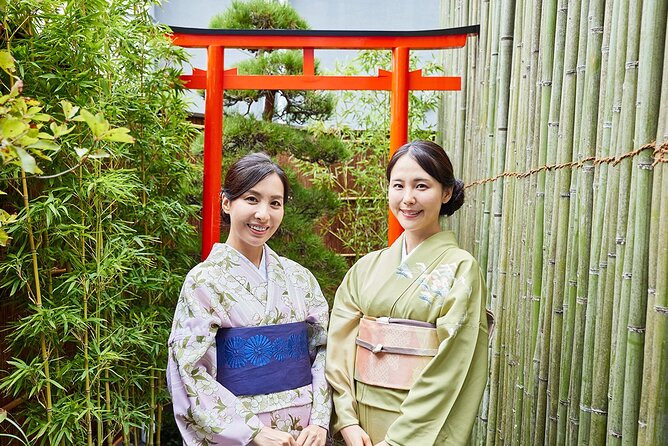
This is where the day turns into a memory machine. After the ceremony, you’ll have time for photos in a Japanese-style setting, including patio/garden areas. People also mention being able to keep the kimono on for more time after the ceremony, so you can walk around and take photos near nearby sights.
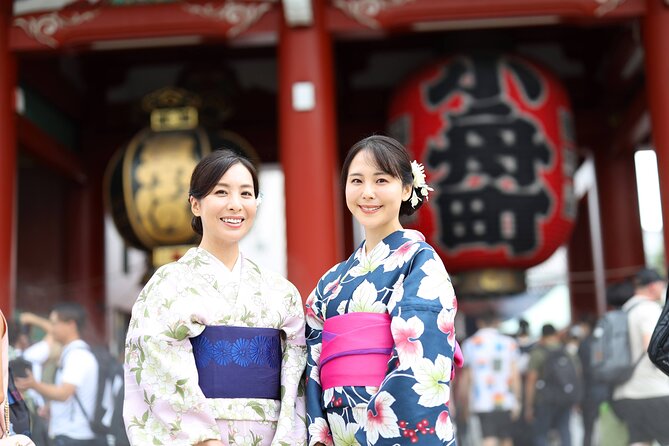
Senso-ji specifically comes up often. Some visitors use the kimono time to head out for temple photos or meet their group outside after their ceremony slot. The vibe is: you get to dress up, then you get to actually use the look in the streets.
One practical detail: you can keep the kimono for a while, but you must return it before shop closing. A review notes return before closing at 6, so build your timing around that and don’t plan to disappear for hours.
If you’re trying to photograph Senso-ji without feeling rushed, this add-on time is a big reason to book. You’re not just doing the ceremony in a room—you’re carrying it into the neighborhood.
Timing, Slots, and Group Size: Why Your Experience Should Feel Calm
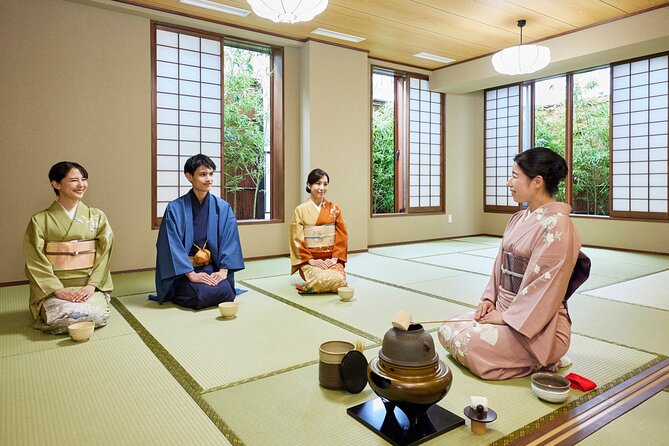
You choose a morning or afternoon time slot, which helps you fit the ceremony into your Tokyo day. This also affects how calm it feels. Smaller groups and scheduled time windows mean you’re less likely to be squeezed with lots of unrelated commotion.
The ceremony itself is capped at a maximum of 3 travelers. That small size matters because you’ll get personal attention during dressing and during the matcha portion. It also makes the etiquette teaching easier—you can ask questions and follow cues without feeling lost.
Duration is about 1 hour 30 minutes. That’s long enough for kimono dressing, etiquette teaching, and hands-on matcha, but short enough that you can still do Senso-ji, shopping streets, or an Asakusa dinner plan afterward.
Comfort on Tatami: Kneeling, Sitting, and Simple Hairstyle Care
Tea ceremonies often involve sitting close to the floor, which can be tough if you have mobility issues. Here, you have options. Feedback notes that there are special chairs and tables for guests who might have flexibility challenges with kneeling or sitting on tatami.
So if you’re worried about being uncomfortable, you can treat this as a guided cultural activity with built-in support. You still follow instructions, but you’re not forced into one physical position for the whole session.
Hair styling is also handled with care. The hairstyle is kept relatively simple, which helps it stay neat with movement. And because the staff are helping you dress, you aren’t trying to solve kimono mechanics on your own while keeping the look intact.
Who Should Book This and Who Might Skip It
This is a strong fit if you want a classic Japan activity in one compact block:
- You want kimono photos that look authentic because you’re dressed by staff.
- You want to make matcha yourself, with context for the ritual.
- You like quieter cultural activities that balance learning with calm.
It’s also a good match for couples, solo travelers, and families who want teens to appreciate something beyond shopping. Several reviews mention teenagers enjoying it when the explanation is clear and the staff is friendly.
You might skip it if:
- You’re traveling with a child under the allowed age. Children under 7 can’t enter the venue.
- You need lots of tripod setup or constant filming. That’s not the format here.
- You want a super informal, chaotic experience. This is structured and respectful by design.
Practical Tips for Your Day in Asakusa
A few things will help you get the most out of this.
- Arrive a bit early. One big stress-breaker is just having time to check in and not rush dressing.
- Wear comfortable underlayers. You’ll be in a kimono, so comfort starts underneath.
- Plan your camera for photo breaks, not during the formal ritual. The ceremony has photo rules and timing cues.
- If you have mobility limits, mention it to the staff when you arrive so they can guide you to the right seating arrangement.
- If you’re pairing this with temple photos, do it after the ceremony window. The kimono time outside is the payoff.
Also, keep in mind this ends back at the meeting point. So treat it like a self-contained cultural block inside your Asakusa itinerary.
Should You Book Kimono Tea Ceremony at Tokyo Asakusa Maikoya?
Yes, if your goal is the sweet spot: authentic ritual + real dressing help + matcha you make + photos you’ll actually like. The strongest reasons to book are the top-rated combination of friendly staff, clear English explanations (with hosts like Iyume or Erika noted), and the hands-on matcha moment.
I’d especially recommend it if you’re spending a day in Asakusa already. The kimono time after the ceremony turns your visit into more than a single indoor activity, and Senso-ji area photo opportunities make the effort feel worth it.
If you’re mainly chasing a bargain, compare options carefully. But once you factor in kimono dressing, simple hairstyling, snacks, utensils, and the guided matcha ritual, this price starts to look fair for what you get.
If you want a respectful, low-stress cultural experience with a dress-up payoff, this is one of the easiest yes-decisions in Tokyo.
FAQ
Where does the Kimono Tea Ceremony MAIKOYA Asakusa start and end?
It starts and ends at Kimono Tea Ceremony MAIKOYA Asakusa at 1-chōme-12-2 Asakusa, Taito City, Tokyo 111-0032, Japan.
How long is the experience?
The duration is about 1 hour 30 minutes.
What is the price per person?
The price is $55.81 per person.
Is there a mobile ticket?
Yes, the experience includes a mobile ticket.
What’s included in the ceremony?
Included items are kimono costume, green tea, utensils, snacks, and hairstyling (simple style).
What if I want to film or take lots of photos?
Tripods are not allowed during the ceremony. Photo and video recording may be limited, and you should follow the tea master’s instructions.
Can children participate?
Children under 7 cannot enter the tea ceremony venue.
Is hotel pickup included?
No. Hotel pickup and drop-off are not included.
How small is the group?
The activity has a maximum of 3 travelers.
What is the cancellation window?
Free cancellation is available if you cancel up to 24 hours in advance for a full refund.