REVIEW · ASAKUSA
A 90 min. Tea ceremony Workshop In The Authentic Tea Room
Book on Viator →Operated by 静心 · Bookable on Viator
Chado can feel mysterious until you sit down and learn the steps. This 90-minute tea ceremony workshop in Asakusa teaches the basics of Japanese Zen-inspired tea making, then lets you take part—not just watch. You’ll get a welcome Sakura tea, a short history primer, and hands-on practice with matcha.
I especially like how it’s taught by a school linked to the Urasenke Chado tradition in Kyoto, so the ritual has real structure. I also like the mix of tasting and doing: you learn through a koicha ceremony demonstration, then make usucha (thin matcha) yourself.
One thing to consider: the tea room is on the second floor in an older 1940s house with a steep staircase, and there’s no lift. If stairs are hard for you, plan for that (and note you can sit on a chair if needed).
In This Review
- Key Things You’ll Notice Right Away
- Chado in Asakusa: A Short Workshop With Real Ritual
- Sakura Tea Welcome and a 10-Minute Chado Primer
- The Tea Room Experience: Tatami, Meditation, and Host Mode
- Koicha Ceremony: Strong Matcha and the Art of Formal Steps
- Usucha Hands-On: Make Thin Matcha With Foam
- Matcha Details That Actually Help You Taste Better
- Tea Bowls, Shapes, and Regional Differences
- Dress Code and the Second-Floor Reality Check
- Price, Timing, and Booking What Fits Your Tokyo Day
- Should You Book This Chado Tea Ceremony Workshop?
- FAQ
- How long is the tea ceremony workshop?
- What will I learn and do during the workshop?
- Is there a dress code?
- Do I have to sit in seiza on the tatami?
- What age is this workshop for?
- Can I get a refund if I cancel?
Key Things You’ll Notice Right Away
- Urasenke-linked instruction: taught through a school licensed by the Urasenke Chado School in Kyoto
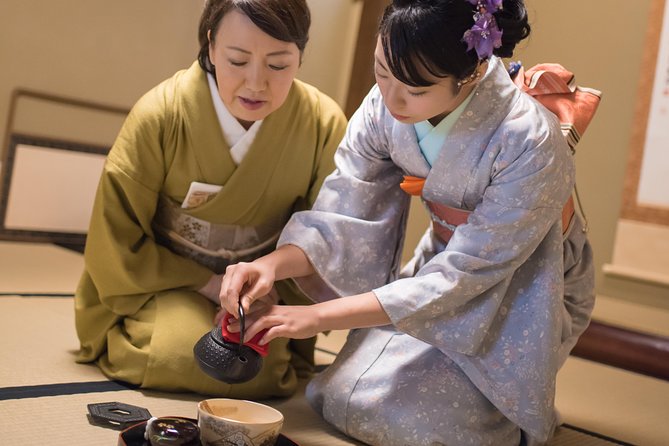
- You don’t just watch: you’ll practice making usucha with your own bowl
- Small-group feel: capped at a maximum of 6 travelers, so the attention is personal
- Ceremony basics in plain English: a short intro video plus guided step-by-step teaching
- Tatami time, optional seating: you can use a chair if tatami seating doesn’t work for you
Chado in Asakusa: A Short Workshop With Real Ritual
If your Tokyo plan is packed (and let’s be honest, it probably is), this workshop is a smart fit. It runs about 1 hour 30 minutes, and you’re not stuck for hours watching formality that never turns into participation. The meeting point is in Asakusa, a neighborhood where traditional atmosphere and easy transit overlap.
The price—$40.75 per person—isn’t cheap, but it also isn’t just a ticket to a show. You’re paying for instruction tied to a formal school tradition, a private-feeling small group, and the chance to taste multiple teas and sweets while you learn. It’s also booked ahead fairly often (on average about 18 days), so it’s a good “secure it early” option when you see a time that fits your schedule.
This isn’t a loud experience. The goal here is calm. You’ll practice hosting and receiving tea, which is where Chado stops being a concept and becomes something you can feel.
You can also read our reviews of more tours and experiences in Asakusa.
Sakura Tea Welcome and a 10-Minute Chado Primer
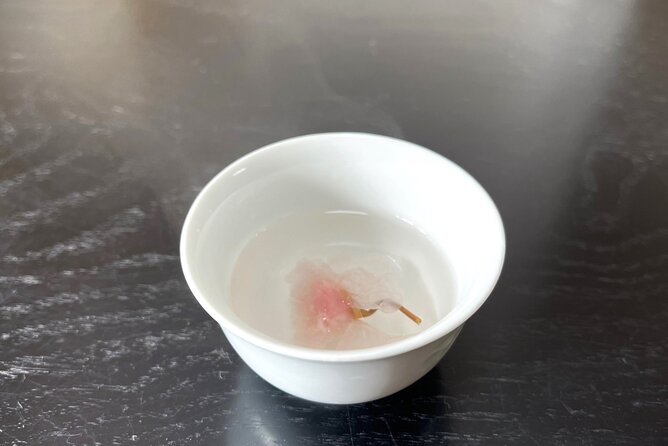
Most tea ceremonies start with rhythm: a cup arrives, you slow down, and you follow the steps in order. Here, you get a gentle on-ramp. You’ll begin with Sakura tea (cherry blossom) served by the host as a welcome drink. It’s a small detail, but it does something useful: it frames the entire session as a guided experience, not a test of etiquette.
Then there’s an intro video (about 10 minutes). It covers the history and core concepts of Chado, which helps you understand what you’re about to do. You don’t need to arrive knowing words like koicha or usucha. By the time you’re in the tea room, the “why” is already explained in a way you can follow.
This is one of the best parts for non-Japanese speakers. You’re not trying to interpret a ritual while also guessing what comes next. The session is paced so you can keep up.
The Tea Room Experience: Tatami, Meditation, and Host Mode
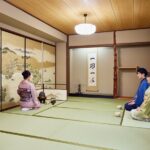
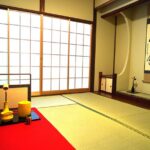
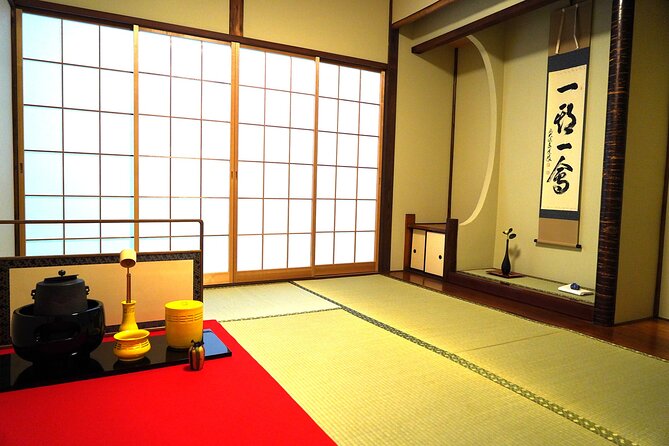
After the primer, you move into the tea room. It’s set up with tatami mats, and you’ll get time for meditation as part of the session. That pause matters. You’ll feel the change from city motion to “okay, now we’re here,” which is sort of the whole point of Chado.
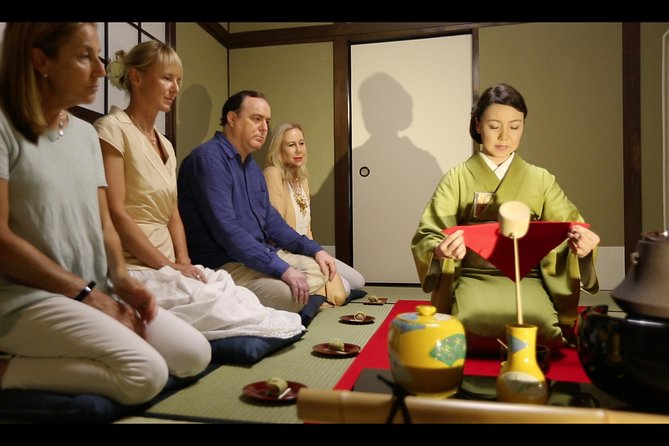
You’ll learn about the tearoom itself, then practice serving tea in two roles: as a host and as a guest. That’s a big deal. Many short workshops show tea making but never teach the social choreography—how you offer, how you receive, and how attention is supposed to work. Here, you get at least some of that experience, guided by the instructor.
Tatami seating can be intimidating if you haven’t done it before. Good news: you don’t have to sit in strict seiza style. And if tatami seating doesn’t work, you can use a chair. Also, the tea room requires socks and there’s no bare feet policy, so come prepared.
One small practical note: the tea room is on the second floor and the staircase is steep in an older 1940s building. If you need to conserve energy, it’s worth planning your arrival with that in mind.
Koicha Ceremony: Strong Matcha and the Art of Formal Steps
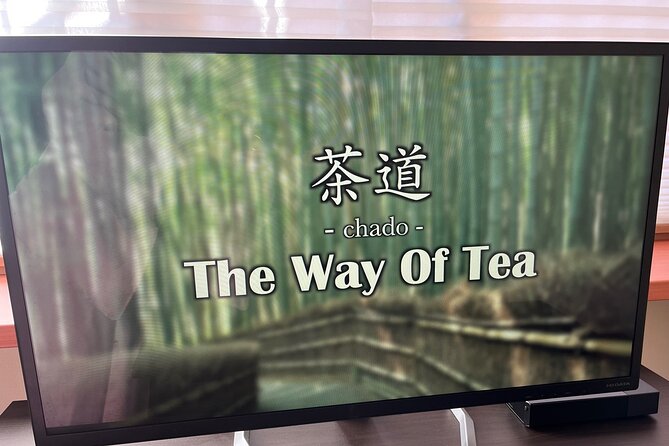
Now we get to the performance part of the workshop: the ceremony (formal performance) for making koicha, the main matcha tea in Chado. Koicha is the thicker, stronger style of matcha you’ll taste after the steps are explained and demonstrated.
The session connects the idea to older practice by noting koicha as the original form drunk by samurai. That’s not something you’d guess just by looking at a cup. What you’ll notice instead is the taste and texture. Koicha is meant to be shared and savored, not consumed quickly.
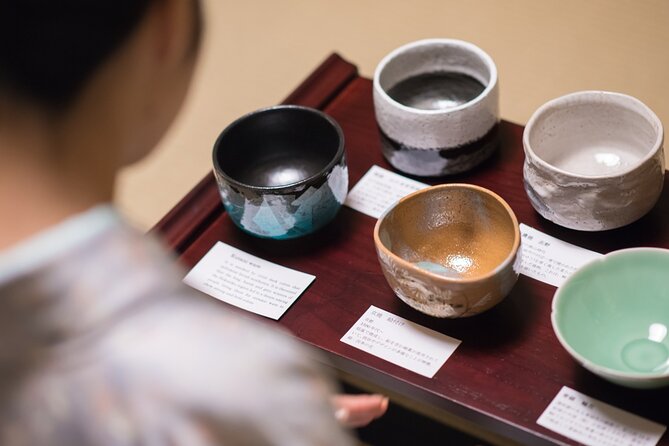
You’ll also learn about tea bowls—including how bowls vary by region and how different shapes can create different experiences. That might sound abstract, but think of it like this: if the bowl’s shape changes where the matcha sits and how it feels in your hands, it changes the overall experience. Chado treats the cup as part of the ritual, not just the container.
Between the demonstration and tasting, you’re getting a feel for why the process is so precise. The steps aren’t random. They’re meant to create a calm flow where nothing feels rushed.
Usucha Hands-On: Make Thin Matcha With Foam
Then you switch from watching to doing. The workshop includes a hands-on lesson to make usucha—thin matcha tea with foam on top. This is the practical highlight for most people because it turns learning into muscle memory.
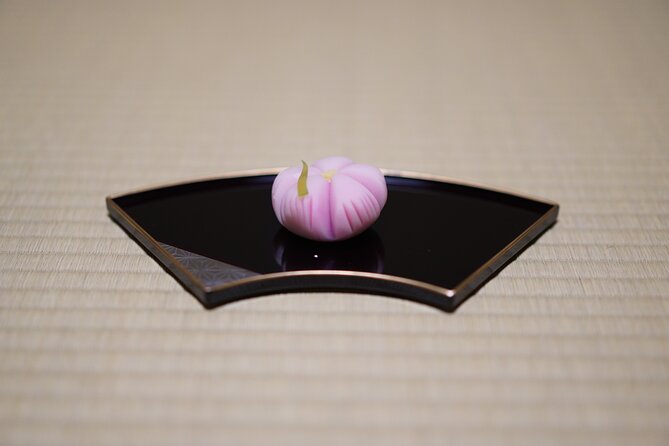
Before your usucha, you’ll have dry sweets. You’ll also enjoy traditional Japanese confectionery earlier in the session, including a section specifically for confection. The sweets are there for a reason: they balance flavors and make the tea tasting more rounded. In Chado, the tea and sweets are part of one pacing system. You’re not meant to treat them as random snacks.
When you make usucha, you’ll practice with matcha powder and learn how the powder fits into the process. You also get to taste the results of your work in the form of a bowl of usucha. Even if you don’t nail every single detail, you’ll leave with the experience of making the tea yourself—plus the basics you can remember later if you try matcha at home.
One useful detail: the workshop notes that you don’t need to sit on tatami in any specific way as long as you can participate. So if you’re traveling with stiff knees, you still have a path to join in comfortably.
Matcha Details That Actually Help You Taste Better
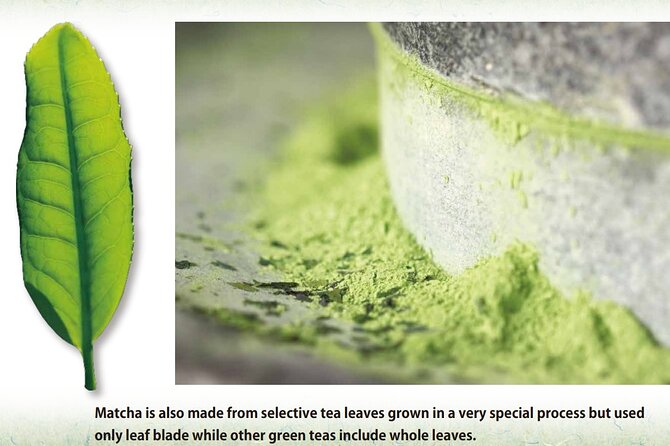
A lot of workshops talk about matcha. This one also teaches why matcha matters in the ceremony. You’ll learn about matcha powder and how it’s used in the ritual. Then you’ll taste both koicha and usucha, which is the most educational part for your palate.
Here’s the key value: tasting different matcha styles teaches you that matcha isn’t one flavor. Koicha tends to feel richer and heavier; usucha feels lighter with foam. When you taste both in a structured setting, you start to recognize texture and strength—not just bitterness.
Add in the time spent with the tearoom setting, and your senses slow down enough to notice differences. That’s hard to replicate by buying matcha in a store and tasting at home without context.
Tea Bowls, Shapes, and Regional Differences
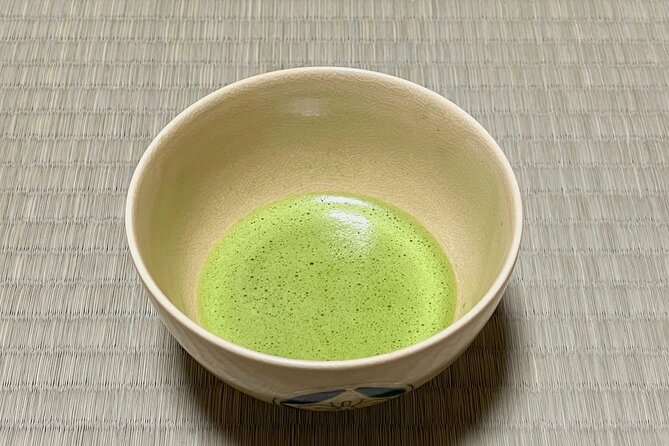
The workshop doesn’t just stop at making matcha. It also includes a section on tea bowl variety from different regions and how bowl shapes can yield different tastes and experiences. Even if you can’t translate the technical reasons, you can feel the difference in how the bowl supports the ritual.
Pay attention to three things while you’re learning:
- How the bowl feels in your hands
- How the tea looks in the bowl
- How the experience is paced when you’re drinking from it
Chado often teaches through these small, physical cues. The bowl is part tool, part aesthetic, and part symbol of place and tradition.
Dress Code and the Second-Floor Reality Check
This experience has a few rules that affect comfort more than people expect. The big ones:
- Miniskirts and tight pants are not recommended
- No bare feet in the tea room
- Socks are required, so bring your own
Clothing matters because the tea room setting is traditional, with tatami mats involved. You don’t need fancy attire, but you do need something that lets you sit and move without struggle.
Seating is flexible. You don’t have to follow strict seiza kneeling style. If you can’t sit on tatami in any way, the workshop can provide a chair. That’s a relief for many travelers, especially if you’re coming from long walks in Tokyo.
One more real-world note: the tea room is on the second floor of a house built in the 1940s, and the staircase is steep. There’s no machinery to assist going up. If you have mobility limits, it’s worth thinking about how you’ll manage that step-up at the start of the session.
The workshop is designed for age 10 and above, so it’s a family option if your kids can follow instructions and sit through the quiet parts.
Price, Timing, and Booking What Fits Your Tokyo Day
Let’s talk value. At $40.75, you’re paying for:
- instruction tied to the Urasenke Chado School tradition (via a licensed school in Kyoto)
- an instructor-led session with intro video and step-by-step guidance
- tasting multiple elements, including koicha and usucha
- a hands-on lesson where you actually make a bowl
For a short, structured experience like this, that cost often feels fair because the session includes more than a demonstration. It includes practice, tasting, and the cultural framework that makes the tea ceremony more than a photos-op.
Also, you’ll be choosing from multiple workshop times, which is helpful in Tokyo when your day is already mapped out. You’ll receive confirmation within 48 hours of booking, subject to availability, and you’ll use a mobile ticket.
Should You Book This Chado Tea Ceremony Workshop?
I think you should book if you want a real taste of Japanese tea culture with a friendly, guided structure. This works especially well if:
- you’re curious about Chado but don’t want a long, confusing ceremony
- you want to learn through doing, not just watching
- you prefer a small-group setting where you can ask questions and participate
Skip it (or at least plan carefully) if:
- steep stairs are a problem for you
- you strongly dislike traditional etiquette rules, especially socks and the no-bare-feet tea room requirement
- you want a more casual, informal tasting-only experience
If you’re on the fence, I’d base your decision on one thing: do you want to come home able to talk about koicha vs usucha and the role of bowls and sweets in the ritual? If yes, this short workshop is one of the best ways to get that kind of knowledge in Tokyo.
FAQ
How long is the tea ceremony workshop?
It runs for about 1 hour 30 minutes.
What will I learn and do during the workshop?
You’ll watch a short introduction to Chado, enjoy tea and sweets, learn about the tea room and tea bowls, taste koicha, and participate in a hands-on lesson making usucha. You’ll also learn about matcha powder.
Is there a dress code?
Yes. Miniskirts and tight pants are not recommended. Bare feet are not allowed in the tea room, and socks are required, so bring socks.
Do I have to sit in seiza on the tatami?
No. You don’t have to sit with seiza. If you can’t sit on the tatami in any way, a chair can be provided.
What age is this workshop for?
It’s designed for participants age 10 and above.
Can I get a refund if I cancel?
No. The experience is non-refundable and cannot be changed for any reason.