REVIEW · BUSAN
Busan: Join a Tea Ceremony & Create a Calligraphy Memento
Book on GetYourGuide →Operated by Daman Teahouse · Bookable on GetYourGuide
Busan slows down at a teahouse by the sea. This private tea session at Daman Cha blends three seasonal tastings with artisan vintage teaware and calm, guided conversation. I like that it feels like a real pause button, not a rushed performance.
The hands-on calligraphy memento is the second big win. You’ll write your own brush-and-ink piece inspired by the tea tradition, then take home something physical to remember the mood. One thing to consider: the group is limited to just three people, so it stays quiet and intimate rather than energetic.
In This Review
- Key highlights you’ll care about
- A Quiet Seaside Start at Daman Cha
- Three Seasonal Teas: The Tasting Part That Teaches You How to Notice
- Vintage Teaware That Changes the Whole Feeling
- Min’s Gentle Teaching Style in a Small Group
- Brush and Ink: Your Tea-Inspired Calligraphy Memento
- What the 2-Hour Timing Really Means
- Price and Value: What You’re Paying For
- Who This Busan Experience Fits Best
- Should You Book This Tea Ceremony in Busan?
- FAQ
- How long is the tea ceremony experience?
- How much does it cost per person?
- What’s included in the experience?
- What is the group size?
- What languages are available for instruction?
- Where is the meeting point?
- Is it wheelchair accessible?
- What should I do if I have food allergies?
- Can I get a refund if I cancel?
Key highlights you’ll care about
- Three seasonal teas with guided tasting, including tea snacks as part of the flow
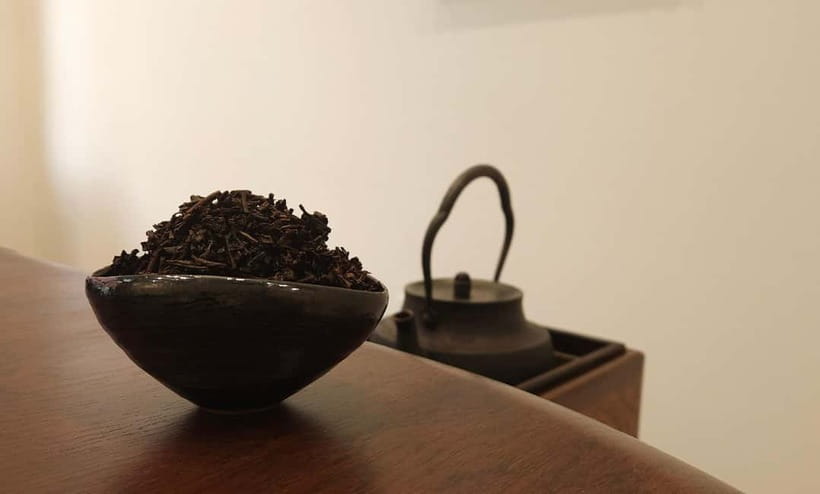
- Artisan vintage teaware that changes how the tea looks, smells, and feels
- A small-group setting (up to 3 participants) that makes questions actually easy
- Brush-and-ink calligraphy tied directly to the tea experience
- A take-home keepsake plus a pamphlet with ceremony details and calligraphy options
- A knowledgeable host named Min who keeps the session gentle, patient, and practical
A Quiet Seaside Start at Daman Cha
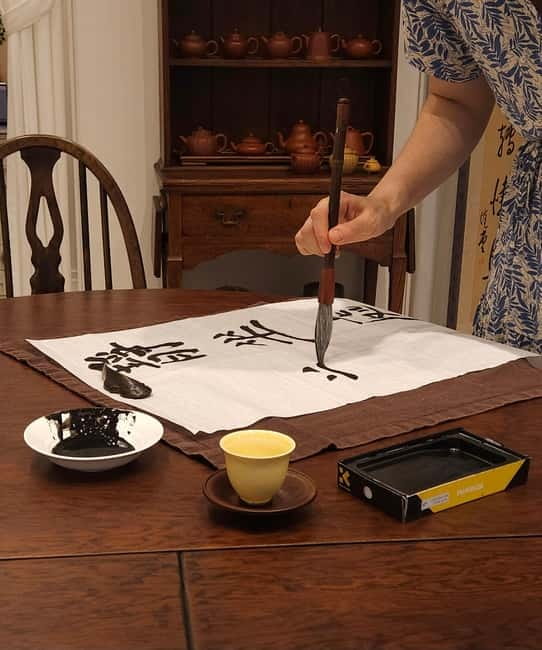
This experience starts and ends at Daman Cha, a da-sil style tea room in Yongho-dong, Busan’s seaside village area. You’re welcomed in a setting designed for slowing down, with seasonal fine teas and a relaxed rhythm.
You’ll meet at the teahouse on the 2nd floor of Building A, facing the bridge. If you like your arrivals low-stress, this is helpful because the location is specific and easy to find using the address provided.
The overall vibe is calm hospitality, which matters because the whole point here is attention. Tea culture is mostly about small details—water temperature, aroma, pacing—so a quiet room makes the learning actually stick.
Three Seasonal Teas: The Tasting Part That Teaches You How to Notice
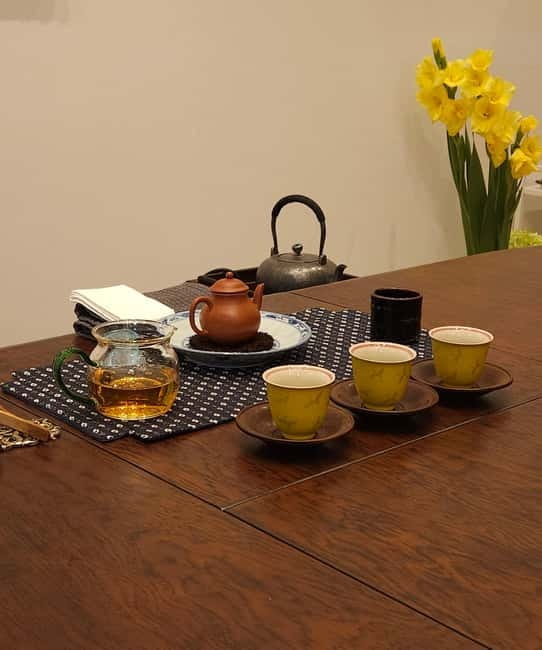
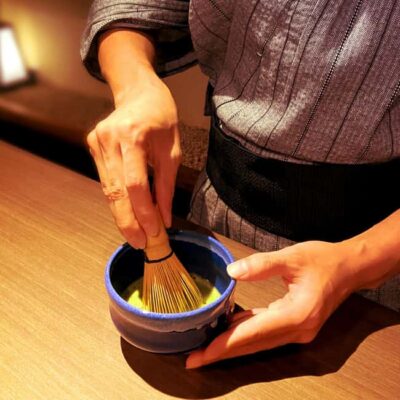
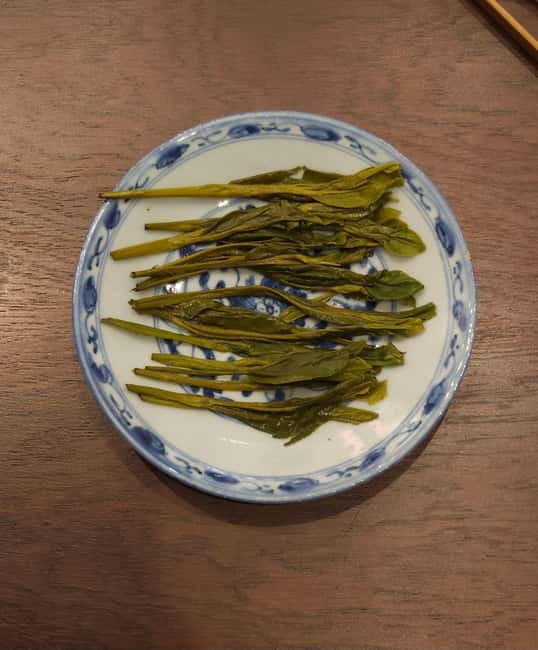
The ceremony includes 3 kinds of seasonal tea tasting, and you’re not just drinking. You get guidance on what to look for as the flavors shift, how the aroma leads the way, and how each tea fits into the wider tradition of enjoying tea slowly.
I like that the pace leaves room for questions. In small settings like this, you can ask why one tea tastes lighter or more fragrant than another, and the answers don’t feel like they’re being rushed through a script.
Tea snacks are included, which you’ll appreciate if you’re doing this earlier in the day or just want something simple alongside the tastings. If you have any food allergies, make sure you inform the organizers in advance so they can plan for you.
Vintage Teaware That Changes the Whole Feeling
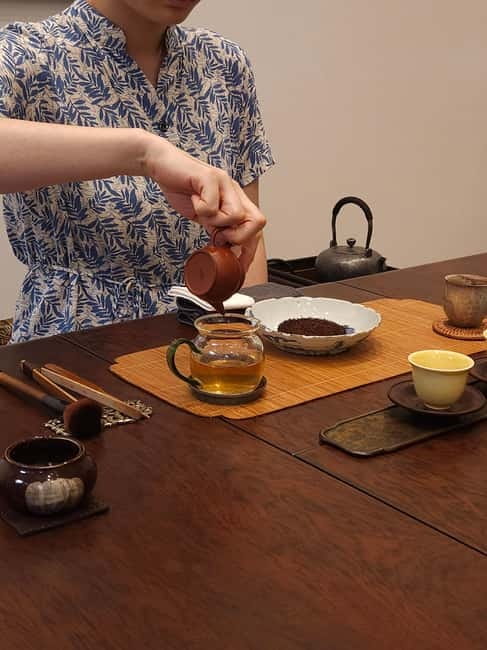
One of the most memorable parts is the use of artisan vintage teaware. Even if you’re not a tea “collector,” the experience becomes easier to understand because the tools do part of the explanation for you—how the cup shapes aroma, how the process slows you down, and how presentation affects your mood.
You’ll see that the teaware isn’t just for show. It’s picked to support the mood of the session, so the tea experience feels intentional from first pour to final sip.
And that’s a big value point for you: buying fancy gear back home is not the goal. The goal is learning what to pay attention to, and doing it with objects that already carry the sense of care behind them.
Min’s Gentle Teaching Style in a Small Group
This is limited to 3 participants, and that small group size is not just a comfort perk—it changes how much you get out of the session. Instead of watching and hoping you’ll understand later, you can talk, ask, and connect your questions to what you’re tasting right now.
In the feedback you’ll find a consistent theme around the host, including Min. People describe the experience as relaxing and even meditation-like, and they highlight how patient Min is when explaining tea ceremony details and customs, including Korean and Chinese tea traditions.
The instructor supports multiple languages—Korean, English, and Chinese—so you’re less likely to get stuck if your Korean is still in progress. If you’d like to understand the tradition without translation hiccups, this is a practical plus.
Brush and Ink: Your Tea-Inspired Calligraphy Memento
The calligraphy activity is the part that turns the tea lesson into a keepsake. In East Asian tradition, tea has long been paired with poetry, painting, and calligraphy, and this session draws on that idea so your tea experience becomes something you create, not just something you observe.
During the activity, you use brush and ink to express what you felt from the tea ceremony. If you enjoy creative work, you’ll likely like that the process is structured but personal.
You also get choice in what you write. One review notes there are seven message options to choose from, so you’re not forced into a single phrase that might not match your style.
You’ll also take home a tangible takeaway: your calligraphy memento. On top of that, you may receive a pamphlet with details on the ceremony, tea options, and calligraphy phrases. That kind of take-home reference is handy because it helps you remember what you learned after you’re back in your hotel room scrolling maps.
What the 2-Hour Timing Really Means
The session runs about 2 hours, which is a sweet spot for this kind of experience. It’s long enough to taste multiple teas, learn the flow, and slow down into the calligraphy part without feeling like you’re stuck for an entire afternoon.
Since it’s a quiet activity with guided conversation, it also works well if you’re not trying to cram in more city sightseeing right before or after. You’ll get the most out of it if you treat it like a planned reset rather than a checkbox.
A practical tip: if you’re sensitive to schedule pressure, give yourself a small buffer. You want to arrive feeling unrushed so the calm setting can actually do its job.
Price and Value: What You’re Paying For
At $69 per person, this could look like a splurge if you’re comparing it to a casual café stop. But what you’re paying for is a guided, small-group cultural session with multiple components packed into two hours.
Here’s the value picture:
- Three seasonal tastings with guidance
- Tea snacks included
- Use of artisan vintage teaware
- A structured traditional tea ceremony experience
- A hands-on brush-and-ink calligraphy keepsake
- Personal guidance from a local tea educator (Min is frequently mentioned)
For me, the main reason it feels worth it is the combination of learning plus a physical result. You don’t just leave with photos. You leave with a piece you made, which brings you back to the calm of the session every time you see it.
If you’re the type who loves “quiet experiences,” tea culture, and creative hands-on activities, this pricing tends to feel fair. If you’re only looking for a quick taste with zero participation, you might find it a bit more structured than you expected.
Who This Busan Experience Fits Best
This tour is a strong match if you:
- Want a calm break from Busan’s pace without giving up learning
- Like small-group experiences where you can actually ask questions
- Enjoy hands-on arts like calligraphy and want a tangible souvenir
- Appreciate tea culture and want a clearer sense of how tasting and ritual connect
It’s less ideal if you’re seeking a loud, social event or if you strongly prefer activities with lots of movement and sightseeing. The whole point here is stillness, and you’ll feel that during the tasting and calligraphy.
Should You Book This Tea Ceremony in Busan?
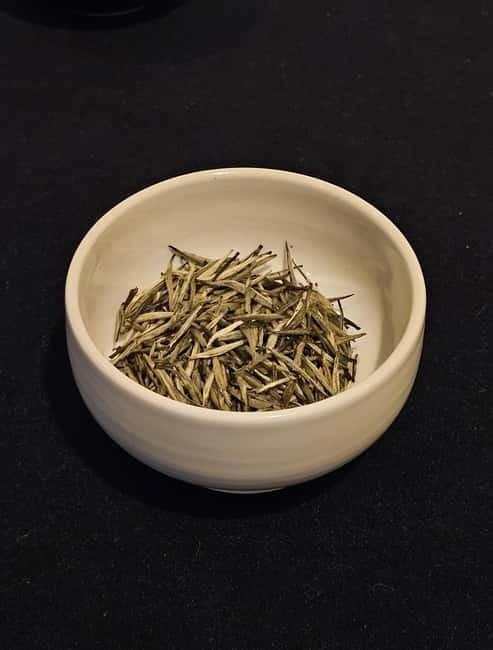
I’d book it if you want an experience that gives you three things at once: tea education, a gentle setting, and a keepsake you made yourself. The small group size, the vintage teaware focus, and the calligraphy memento make it more than a drink-and-photos stop.
Before you go, decide what you want most. If you love learning through a slow, guided pace, this fits perfectly. If you’re undecided, look at the calligraphy piece as your deciding factor—because it’s the element that turns the session into a memory you can hold.
FAQ
How long is the tea ceremony experience?
The experience lasts about 2 hours.
How much does it cost per person?
It costs $69 per person.
What’s included in the experience?
You’ll get 3 kinds of seasonal tea tasting, a traditional tea ceremony experience, use of artisan vintage teaware, a tea-inspired calligraphy activity, tea snacks, and personalized guidance from a local tea educator.
What is the group size?
The group is small, limited to 3 participants.
What languages are available for instruction?
The instructor can speak Korean, English, and Chinese.
Where is the meeting point?
The meeting point is 다만茶 (daman-cha), on the 2nd floor of Building A facing the bridge. The provided English address is 다만茶, 220-1, Building A, Villivcentro, Yongho-dong 958, Nam-gu, Busan.
Is it wheelchair accessible?
Yes, the activity is wheelchair accessible.
What should I do if I have food allergies?
Tea snacks are included, so you should inform the organizers in advance about any food allergies.
Can I get a refund if I cancel?
You can cancel up to 24 hours in advance for a full refund.