REVIEW · KYOTO
Kyoto: Wazuma Magic Show & Tea Ceremony
Book on GetYourGuide →Operated by Traditional Japanese Magic Show & Matcha Experience · Bookable on GetYourGuide
Magic with your sleeves inches away. This Wazuma show in Kyoto’s Gion is special because I liked how the illusions stay close enough to make you rethink what you are seeing, and I loved the Uji matcha tea time with clear English guidance right after. One drawback: the tea room isn’t set up for wheelchair users.
I also liked the fact that it is one group only, so you get the feeling of a private salon instead of a crowded performance. With only 6 seats, the room stays calm, and you’ll likely come away with a small souvenir too, which adds a nice endnote to the whole hour.
In This Review
- Key points to know
- Why Wazuma magic in Gion feels different from a normal show
- Entering the tea room: what the private setup means for you
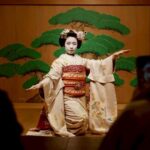
- The 30-minute Wazuma illusion show up close
- Uji matcha tea time: what the guidance helps you notice
- Price and value: what $77 buys in a small, rare artform
- Etiquette and practical tips: no flash, arrive early, and stay present
- Who this one-hour experience suits best
- Should you book this Kyoto Wazuma magic and tea session?
- FAQ
- How long is the Kyoto Wazuma Magic Show & Tea Ceremony?
- What exactly is included?
- Is this experience private?
- Will there be English support?
- Where do we meet for the experience?
- Is flash photography allowed during the show?
- Is it wheelchair accessible?
- Can I cancel and get a refund?
- Do I have to pay right away?
Key points to know
- Wazuma is rare and old, with only a handful of masters still performing this 1,000-year art.
- The show is truly up close, in a traditional tea room with just your group.
- English guidance helps you enjoy both the magic and the matcha without guessing.
- Uji matcha is part of the experience, served as a hand-whisked bowl after the show.
- Plan for no flash photos during the performance, since the space is meant to stay dark and focused.
Why Wazuma magic in Gion feels different from a normal show
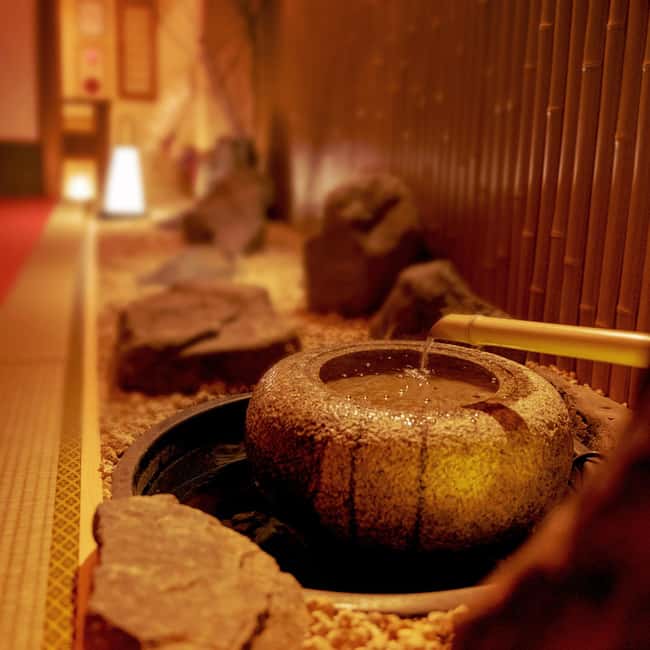
Kyoto already gives you plenty of “traditional” moments, but Wazuma works on a different level. This is not modern stage magic with big theatre effects. It is an old Japanese illusion art, officially recognized as intangible cultural heritage, and it is performed by very few remaining masters.
What you get in Gion is the kind of setup that forces attention. In a regular show, your eyes relax because the distance does the work for the magician. Here, the distance is tiny. The performance happens in a tea room where every movement is visible, and that makes the tricks feel more like a craft than an act.
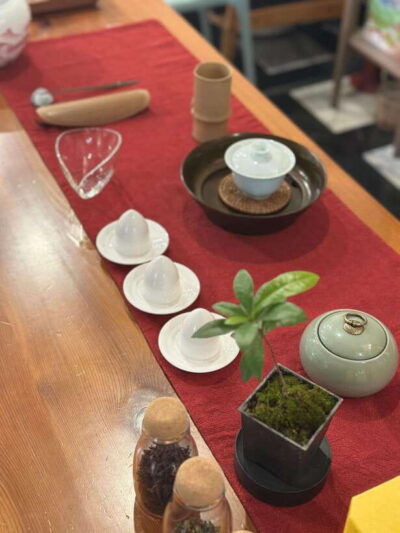
Then comes the tea time, which changes the pace on purpose. You go from mental puzzle mode to slower senses: warmth in your hands, the smell of matcha, and a bowl that tastes cleaner and more focused than most tourist-style matcha. If you care about Japanese art forms beyond photos, this format hits the sweet spot.
You can also read our reviews of more tours and experiences in Kyoto.
Entering the tea room: what the private setup means for you
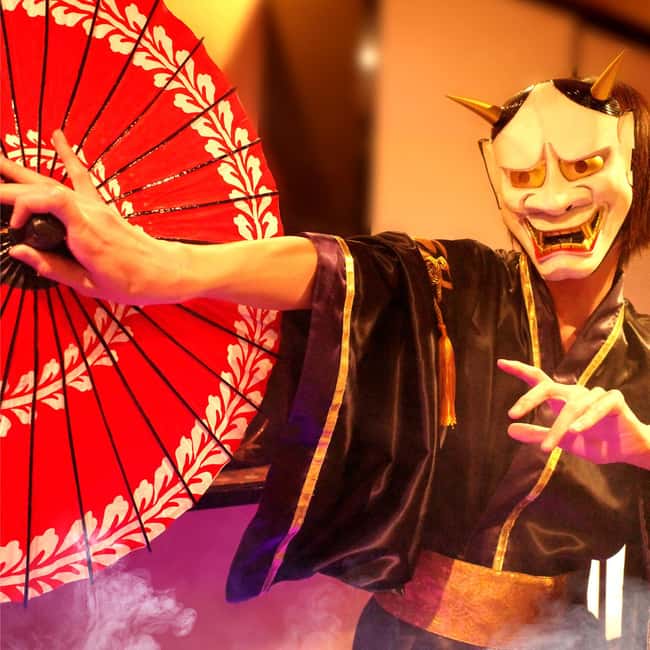
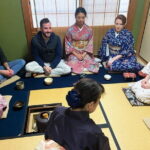
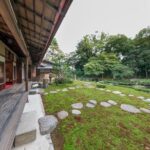
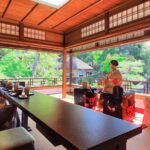
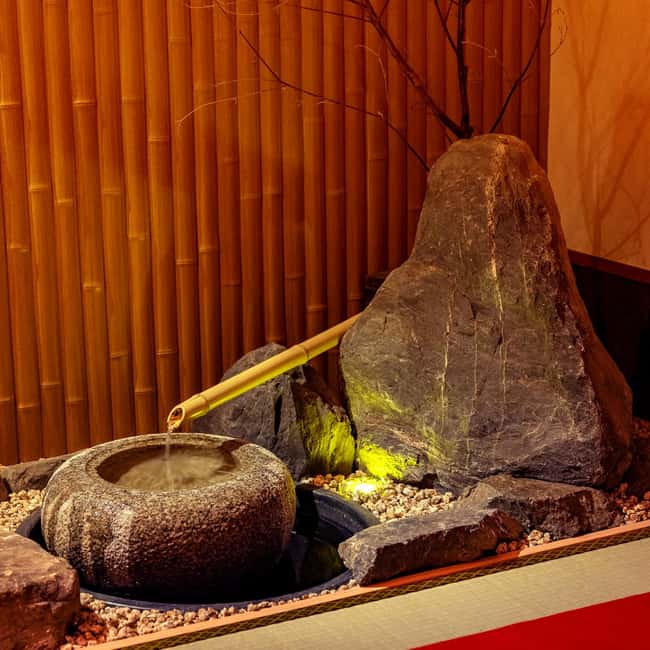
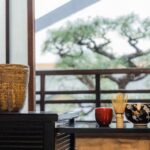
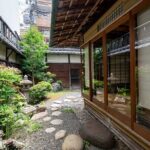
The experience takes place in a traditional tea room in Kyoto’s Gion area, tucked away down a quiet alley. You do not walk into a big auditorium. You show up, get oriented by an English host, and step into a small space designed for intimacy.
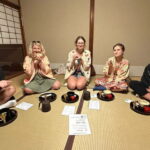
That small size matters. The room has only 6 seats, so you will not spend the hour trying to see around strangers. You also get time for the quiet details: how the host explains things, how the tea is served, and how the performance builds without rushing.
A practical tip: the meeting is very specific. A staff member is out front in time—arrive about 5 minutes early so you can find the entrance without stress. Since this is reservation-only, being late can shrink your buffer even if the host is trying to be accommodating when someone runs behind.
Also, keep one etiquette rule in mind: flash photography isn’t allowed during the performance. It is not just a permission rule. Flash ruins the lighting and the focus, and it can break the moment that makes close-up magic work.
The 30-minute Wazuma illusion show up close
The show itself is 30 minutes, and it moves with purpose. You are not being asked to watch for an hour while the “real stuff” happens later. The pacing is tight, which is part of why people leave impressed.
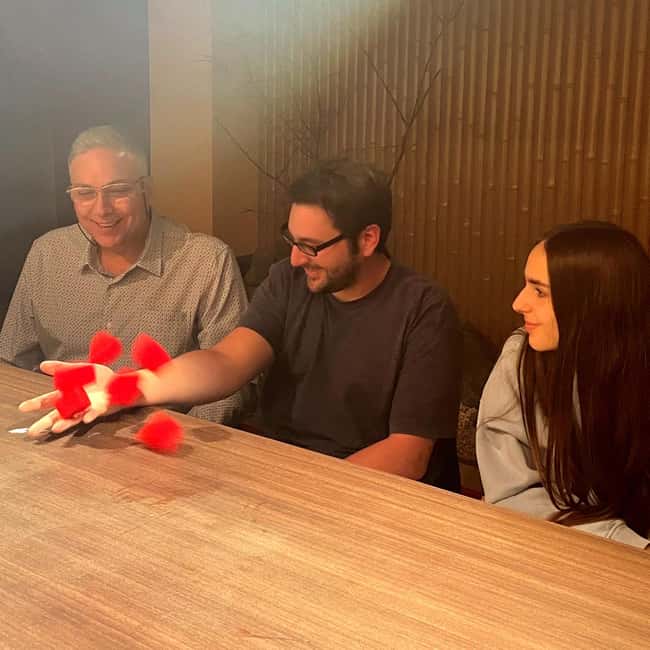
The magic is called Wazuma, and the whole point is the feeling of disbelief that keeps returning. You might see a sequence that looks perfectly clear, then the result arrives somewhere your brain didn’t map. Because you are close—really close—the magician’s control of attention becomes obvious. Your job is not just to watch, but to notice your own assumptions and how easily they get nudged.
You’ll also likely feel the “one group only” advantage most during reactions. In a crowded room, people talk, phones buzz, and you lose the thread. Here the focus stays with the performance. That is why so many people describe the experience as hands-on in feeling, even though you’re just seated and watching.
If you’re the type who likes a story with your show, Wazuma helps. It is not only trick mechanics. It is tradition. The artform has been passed down and preserved, and you feel that in the style of the gestures and the calm rhythm of the room.
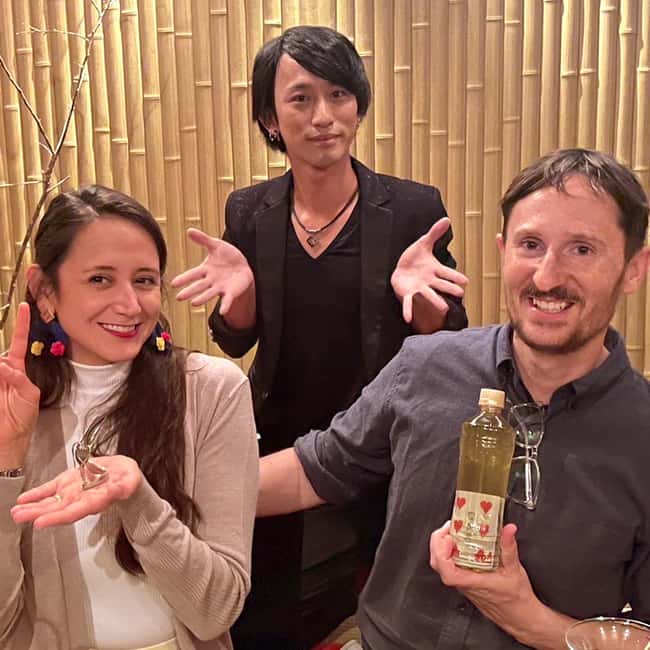
And yes, there is an extra perk at the end: many people note a souvenir tied to the experience. That matters because it gives you something more personal than a brochure.
Uji matcha tea time: what the guidance helps you notice
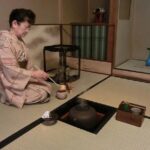
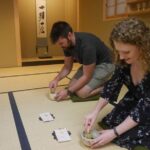
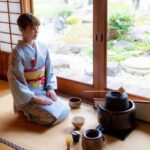
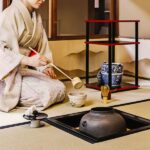
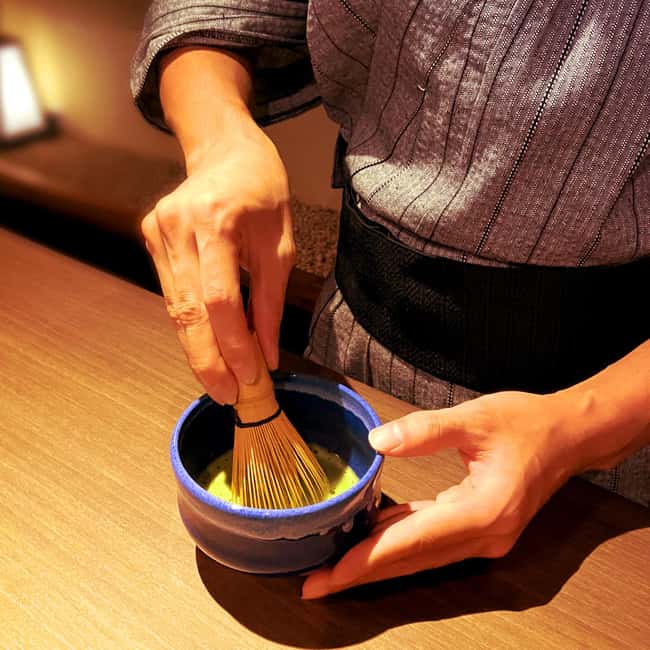
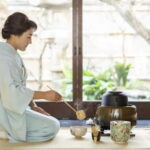
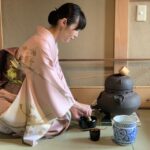
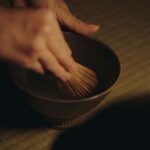
After the magic, you shift into the 30-minute Uji matcha tea segment. The matcha is Uji matcha, and it is served as a hand-whisked bowl, not a rushed “grab-and-go” drink. English guidance is part of the experience, so you are not stuck nodding at explanations you can’t place.
This is the part that makes the hour feel balanced. Magic grabs your brain fast; tea slows it down. You start tasting instead of analyzing. Matcha quality shows up in the flavor and texture—usually with a smoother, more coherent taste than generic powder you might find elsewhere.
The host’s English guidance also matters because it helps you understand what you’re looking at: what makes matcha different, what to notice as it settles, and how the tea moment fits the larger cultural idea of the tea room. Even if you already know a little, the guided pacing can help you experience it more deliberately.
In a small room, you can also ask questions more easily. You’re not waving your hand from row ten. If you are curious, this setup lets you get a better answer than you would from a scripted presentation.
Price and value: what $77 buys in a small, rare artform
The price is $77 per person for an hour. That sounds like “just a show” until you look at what you’re actually getting: a private 1-hour experience, a rare tradition, and a tea segment with English guidance.
Here is how I think about the value.
First, you’re paying for access. Wazuma is performed by fewer than ten remaining masters, and that scarcity is real. You are not buying a common evening performance; you are booking a reservation-only moment that is shaped around a limited audience.
Second, you are paying for the format. This is not a theatre with hundreds of seats. With only 6 seats, your attention stays on the magician, and the tea room stays quiet. That kind of intimacy has a cost, and you feel it immediately in how the hour unfolds.
Third, matcha is included. It might seem like a small add-on, but the tea time is half the experience. A hand-whisked bowl in a traditional tea room, served right after the show, turns the hour from a one-note performance into a full cultural moment.
Bottom line: if you want the cheapest thing in Kyoto, skip this. If you want a rare Japanese artform in a setting designed for calm focus, the price starts to make sense fast.
Etiquette and practical tips: no flash, arrive early, and stay present
This is one of those experiences where the “how you show up” affects how much you get out of it.
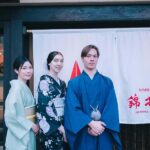
Arrive 5 minutes early. A staff member meets you in front of the building. Because it’s a discreet tea room in Gion, you do not want to wander late and miss the setup moment.
No flash photography. It is explicitly not allowed during the performance. Even if you’re used to snapping pictures in temples, treat this like a live performance. Keep your phone away once the show begins.
Expect small-room closeness. The show is designed for watching from very near. That means you should keep your posture relaxed, and do not assume you’ll have a big view angle like you would in a modern theatre.
Not wheelchair accessible. The activity isn’t suitable for wheelchair users. If mobility is a concern, plan a different Kyoto activity instead of forcing a mismatch.
One more practical note: life happens. If you’re late, the host may be able to adjust based on the situation. Still, try not to make that the plan. Your best experience comes when you arrive on time and settle in.
Who this one-hour experience suits best
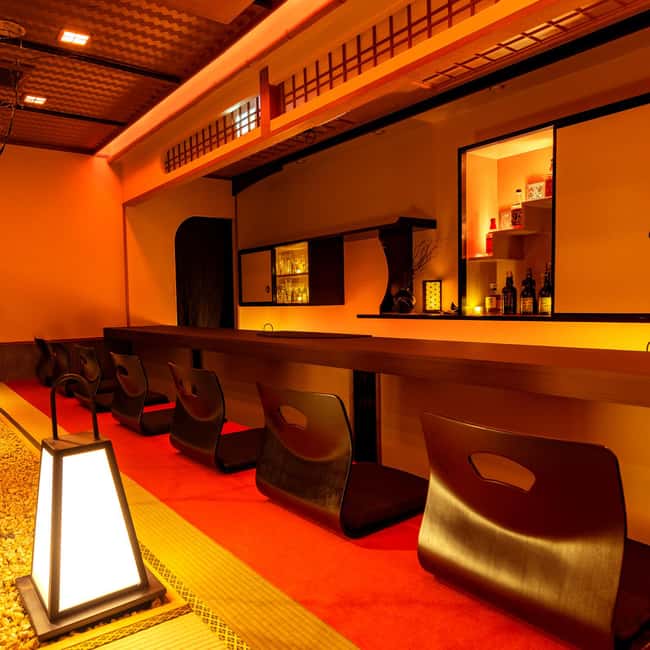
This is a good fit if you like cultural shows where the room matters. If you enjoy Kyoto for reasons beyond big sights—craft, performance, and quiet rituals—this will feel satisfying.
It also works well if you’re traveling as a couple or as a friend pair. The private-group nature means you get a better rhythm than in group tours where you spend half your time listening to translations and logistics.
You’ll especially enjoy it if you care about:
- Japanese traditions that are recognized and preserved
- close-up performances where technique matters
- a calm, guided tea moment that teaches you what you’re tasting
If you want a full-day plan with lots of moving between sites, this won’t be that kind of tour. It is focused by design. Think of it as a concentrated art evening you can fit into your Kyoto schedule.
Should you book this Kyoto Wazuma magic and tea session?
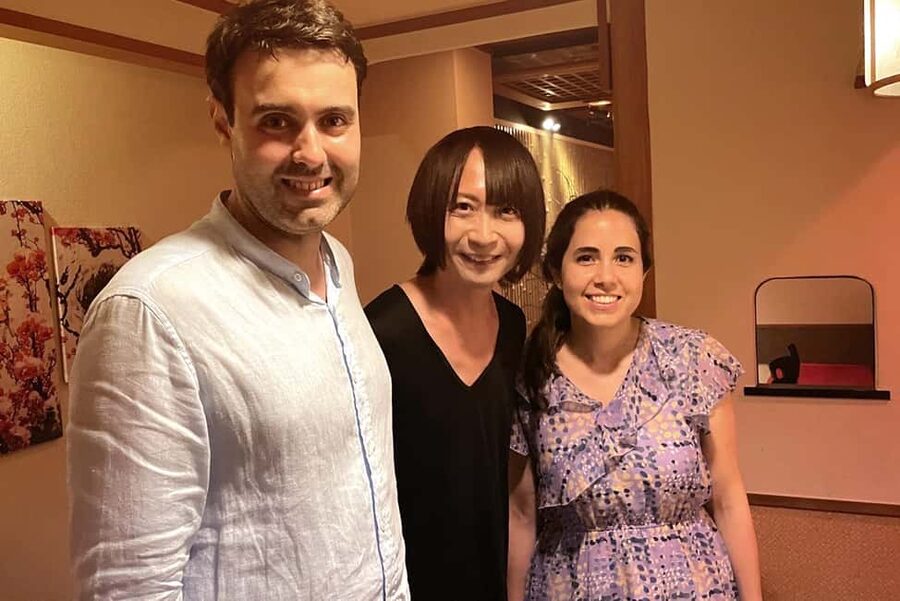
I’d book it if Wazuma itself is on your “must-see” list, or if you want a Kyoto experience that’s intimate and grown-up in tone. The small seat count, the private format, and the combo of magic plus Uji matcha are the big reasons.
Skip it if you need wheelchair access, or if you’re only looking for something that you can photograph for social media. This experience asks you to watch, listen, and stay in the moment.
If you want one hour in Kyoto that feels rare, respectful, and genuinely different, this is a strong choice.
FAQ
How long is the Kyoto Wazuma Magic Show & Tea Ceremony?
It lasts 1 hour total.
What exactly is included?
You get a 30-minute Wazuma magic show and a 30-minute Uji matcha tea time.
Is this experience private?
Yes. It’s a private group experience with the show arranged for one group only.
Will there be English support?
Yes. The host or greeter provides English language support.
Where do we meet for the experience?
A staff member will be in front of the building five minutes before the meeting time.
Is flash photography allowed during the show?
No. Flash photography is not allowed during the performance.
Is it wheelchair accessible?
No. The experience is not suitable for wheelchair users.
Can I cancel and get a refund?
Yes. Free cancellation is available if you cancel up to 24 hours in advance for a full refund.
Do I have to pay right away?
No. With reserve now and pay later, you can book your spot and pay nothing today.