REVIEW · KYOTO
Kyoto: Maiko, Samurai, or Kimono Rental and Tea Ceremony
Book on GetYourGuide →Operated by Maiko Transformation Studio Shiki・Rental Kimono Shiki Sakura · Bookable on GetYourGuide
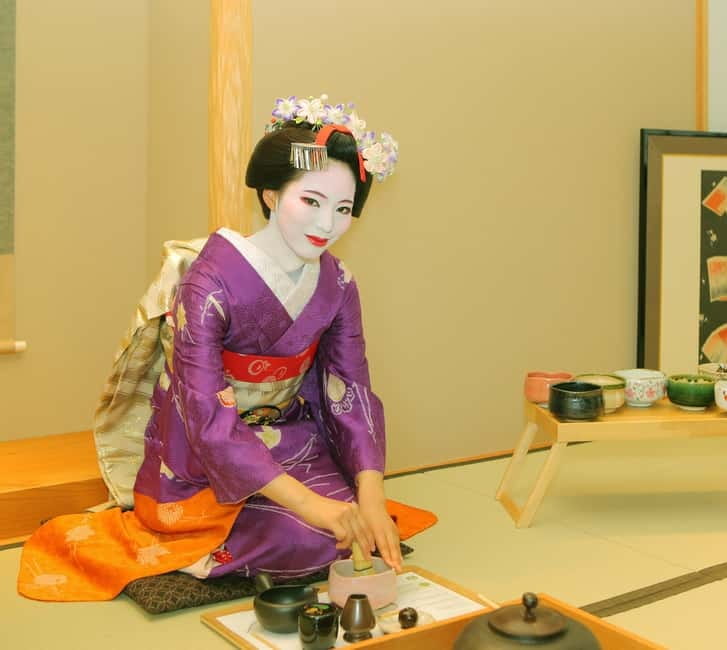
Kyoto can feel like a photo shoot with real life attached, and this one is built around dressing up and tasting matcha right near Kiyomizu-dera. You choose maiko, samurai, or a kimono (or yukata in summer), then head a few minutes to a tea ceremony parlor for a short, kid-friendly matcha moment.
I especially like the two-part flow: you get the visual payoff of the costume first, then the calm focus of a tea ceremony second. The setting is also a practical win for your sightseeing days, since the shop area is close to major lanes and landmarks around Higashiyama.
One drawback to consider: this experience is tightly scheduled and can feel “tour-group fast.” You have to be punctual, and if you miss a window you may be rushed or lose participation.
In This Review
- Key highlights worth your time
- Kiyomizu-dera at your doorstep: why this location matters
- Three dress options: maiko, samurai, or kimono at Studio Shiki
- Costume reality check
- The matcha tea ceremony at Akebonotei: what you’re really paying for
- What’s included (and what isn’t)
- Timing that keeps you moving: how the rental and tea slots work
- My practical advice on picking your slot
- Price and value: does $77 feel fair in Kyoto?
- Group size, family limits, and who this fits best
- What to consider with kids
- When it can feel too tourist-group fast: the reality check
- Getting there: the bus stop + short walk plan
- After the tea: how to turn this into a half-day in Higashiyama
- Should you book this Kyoto maiko, samurai, or kimono + matcha experience?
- FAQ
- What’s included in the price?
- How long is the experience, and how does the schedule work?
- Can a family of four do it?
- Are there age or health restrictions?
- What happens if I’m late for the kimono or tea ceremony?
- Where is the meeting point?
Key highlights worth your time
- Maiko, samurai, or kimono styling options, with a short matcha ceremony right afterward
- 3-minute walk from the rental shop to the tea ceremony parlor, so you’re not wasting time
- Kimono rental until 5pm if you book it right, which helps you stretch the outfit through the evening
- Family-friendly format that works for up to four people (ages 5+)
- Limited group size (up to 6), which usually keeps the pace from turning into a parade
Kiyomizu-dera at your doorstep: why this location matters
This experience is built around the Higashiyama area, with the rental studio a short walk from Kiyomizu-dera. That matters because Kyoto is all about timing: you want to spend your energy walking the scenic lanes, not transferring across town just to get dressed.
The neighborhood around the shop is packed with stops you can add before or after. Think Kiyomizu-dera itself, plus nearby sights and streets like Yasaka Five-Story Pagoda, Yasaka Koshindo, Ninenzaka and Sannenzaka, Kodaiji Temple, and Yasaka Shrine. If you like wandering, you can turn this into half a day of costume photos and easy sightseeing.
Practical note: you’ll be moving in sandals and through crowds, so plan for short walks, stairs, and a steady pace. Also, consider that your outfit will look best in natural light and less time pressure—so I’d avoid rushing straight from the tea ceremony into the biggest climb of the day.
You can also read our reviews of more tours and experiences in Kyoto.
Three dress options: maiko, samurai, or kimono at Studio Shiki
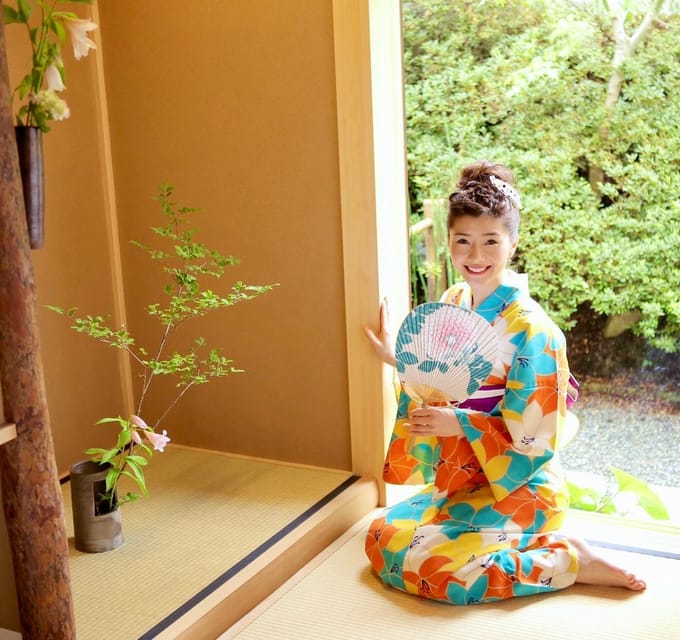
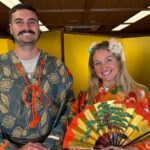
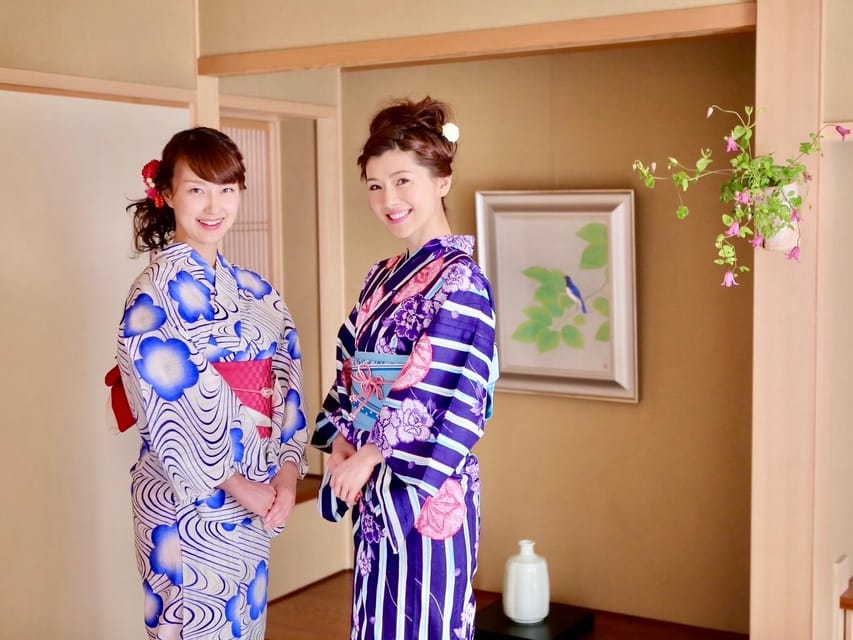
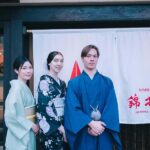
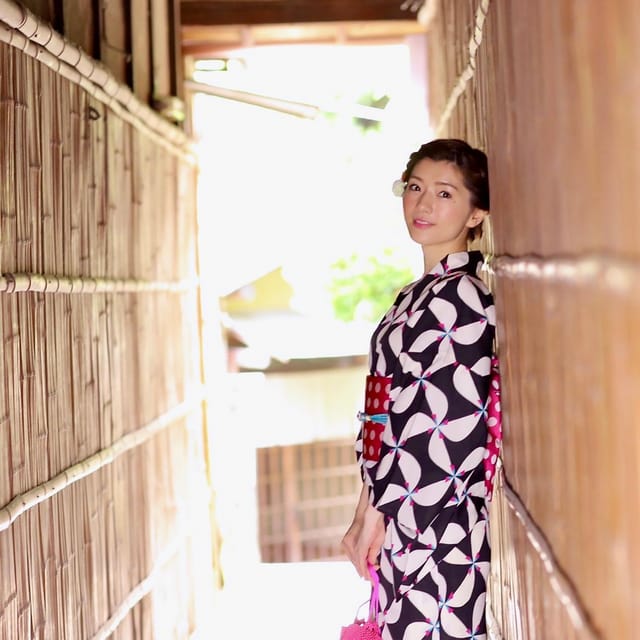
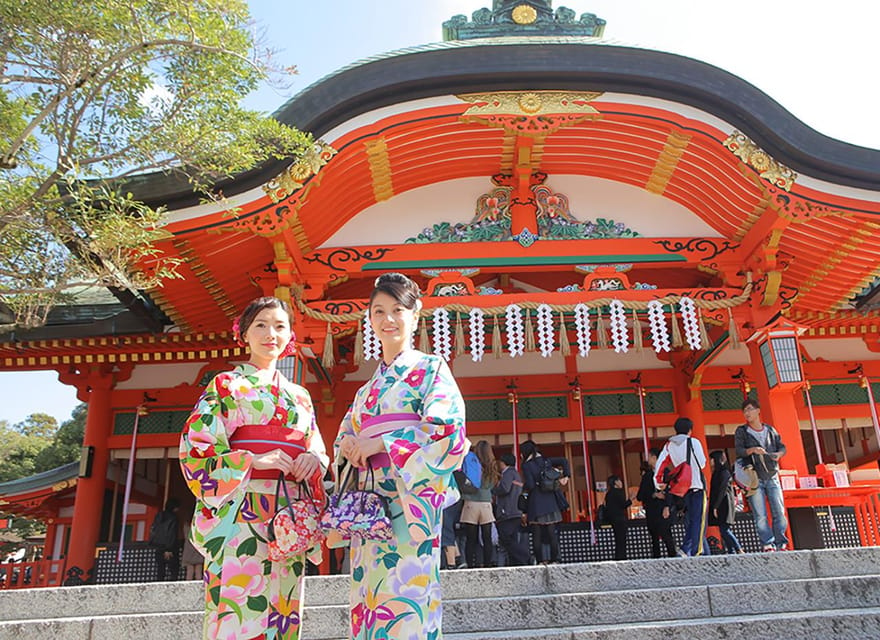
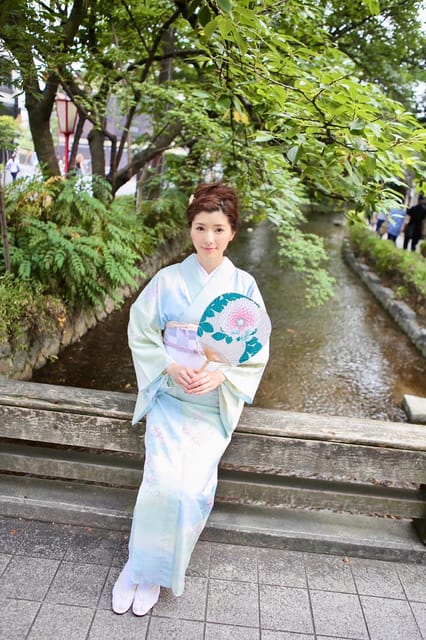
At Maiko Transformation Studio Shiki / Rental Kimono Shiki Sakura, you pick the vibe: maiko transformation, samurai styling, or a kimono (with yukata in the summer window from June 1 to September 15).
What I like here is that you’re not just renting fabric—you’re getting an outfit package: kimono, obi, bag, underwear, and sandals are included. That’s a lot less hassle than trying to rent just one piece and solve the rest yourself.
One more useful detail: hair styling is not included in the basic package. If you want a more polished look, you should treat hair as an add-on you may pay extra for. (In at least one case, hair styling was cited as 1650 yen.)
Costume reality check
Costume choices in this area can range from “very traditional” to “Instagram-focused.” The experience is designed to be photogenic and easy for visitors to enjoy, so if your goal is only a ceremonial, cultural deep immersion, you might find the presentation more simplified than you expected. Still, the costume-to-tea workflow is fun and it saves you planning time.
The matcha tea ceremony at Akebonotei: what you’re really paying for
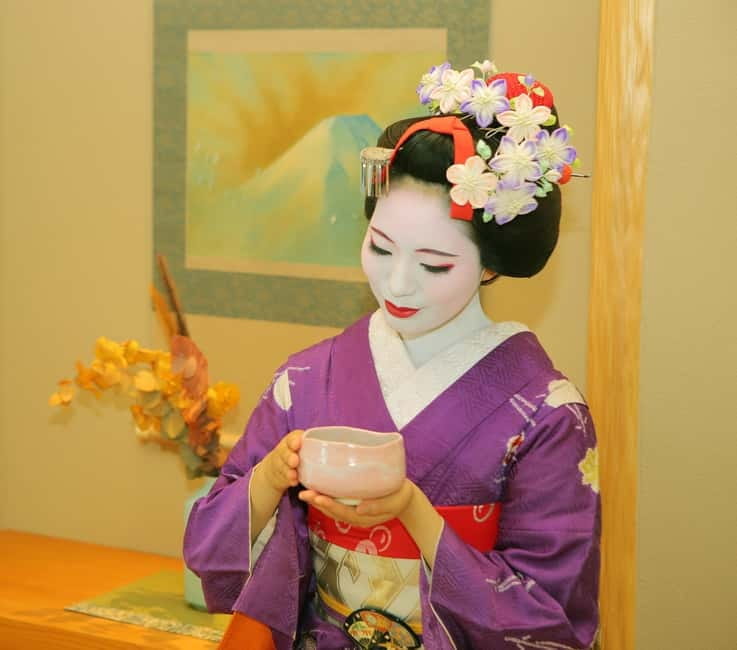
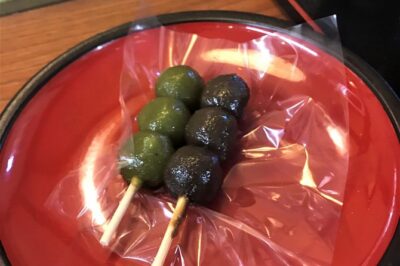
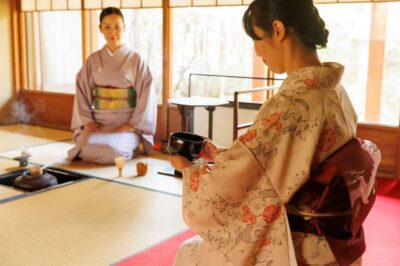
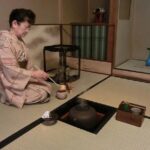
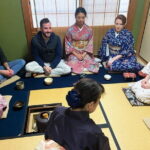
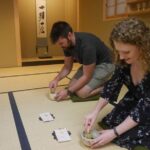
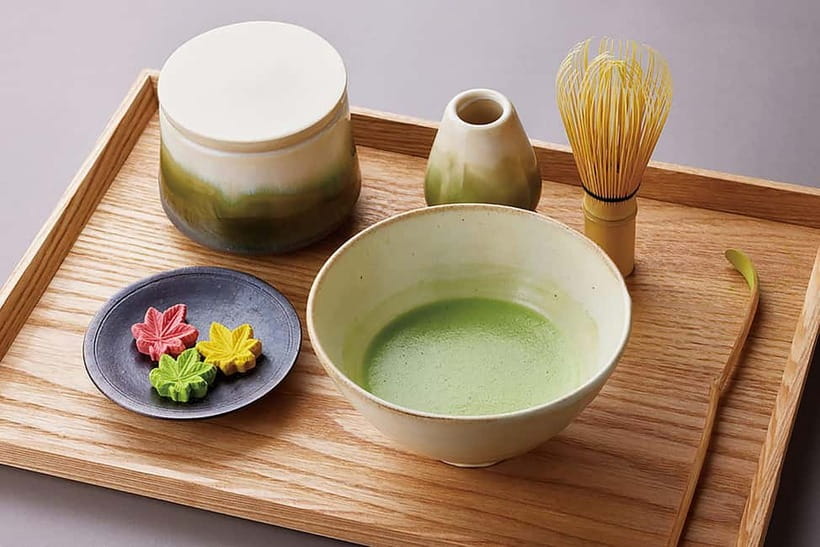
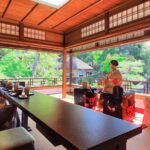
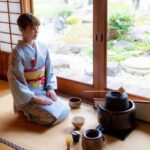
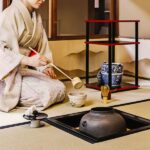
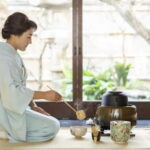
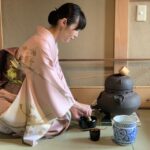
After the outfit portion, you head to the tea ceremony parlor Akebonotei, located about a 3-minute walk away. The focus is matcha, plus sweets, and it’s scheduled as a short ceremony rather than an hour-long, slow ritual.
This is where the value shows up if you’re traveling with kids or you have limited time in Kyoto. A shorter tea ceremony is easier to manage, especially for families. In one experience, the ceremony was described as a short version that works well when children are involved.
Still, go in with the right expectations. You’re paying mainly for the full “Kyoto moment”: the costume plus a guided matcha experience. If you’re looking for a long, intensely traditional tea session, this may feel more like a well-run performance than a deep dive into tea culture.
What’s included (and what isn’t)
Included:
- matcha tea ceremony experience
- sweets
- kimono set items (depending on your plan)
Not included:
- hair styling
- admission fees for those who do not participate in the tea ceremony
If you have someone in your group who would rather not do the ceremony, that cost can matter. The experience notes that admission fees apply in that case.
Timing that keeps you moving: how the rental and tea slots work
This is scheduled tightly. The biggest “know before you go” detail is punctuality. If you arrive late for either the kimono portion or the matcha portion, you may be forced to join partway through or you may not be able to participate.
You get several time slots to choose from. One setup looks like:
- Kimono experience at 9:00 AM, tea ceremony at 10:30 AM
- 10:00 AM kimono, 11:30 AM tea
- 11:00 AM kimono, 12:30 PM tea
- 12:00 PM kimono, 1:30 PM tea
- 1:00 PM kimono, 2:30 PM tea
- 2:00 PM kimono, 3:30 PM tea
- 3:00 PM kimono, 4:30 PM tea
And if you rent a kimono, you can enjoy it until 5pm. That’s a meaningful bonus. It turns the experience from a one-and-done stop into a block of time where you can plan a photo walk and then still have energy for nearby sights.
My practical advice on picking your slot
Choose earlier if you want calmer photos and fewer crowds. Choose later if your day is already packed and you need the costume to wrap around your dinner plan. Either way, build in extra time to get from the bus stop to the studio, and then buffer again for dressing.
Price and value: does $77 feel fair in Kyoto?
At about $77 per person, you’re buying more than a tea ceremony. You’re covering the costume package and the guided matcha moment, plus sweets. For Kyoto, that’s a reasonable “all-in” structure because you’re not separately solving for rental logistics, wardrobe basics, and a tea host.
Here’s the value math I’d use:
- If you were to rent a kimono elsewhere and then find a tea ceremony booking on the same day, the coordination can cost you time.
- This packages the outfit and tea into one small-group experience with minimal walking between steps.
- You also get a set of included items (kimono, obi, bag, underwear, sandals), which reduces hidden add-ons.
The catch is simple: because the ceremony portion is short and the whole thing runs on scheduled windows, you’re not paying for a long traditional ritual. You’re paying for a Kyoto highlight that’s easy to fit into a sightseeing day.
Group size, family limits, and who this fits best
This experience is limited to small groups (up to 6 participants) and it’s also limited by age and family size. It can be experienced by a family of four, with eligibility for ages 5 and up.
Two important restrictions:
- Children under 5 are not allowed.
- Pregnant women are not allowed.
If you’re traveling as a family with school-age kids, this is one of those rare “culture experience” plans that feels manageable. The matcha ceremony is short, the walk between activities is quick, and the costume changes give kids something active to look forward to.
What to consider with kids
With kids, the pacing matters. Since punctuality affects whether you can participate, I’d plan for bathroom breaks and a calm arrival. Don’t assume you can casually stroll in late, because the rules are firm: you may be forced to join halfway through or miss it.
When it can feel too tourist-group fast: the reality check
Not every part of this experience is guaranteed to feel deeply traditional. Even though it includes maiko, samurai, and kimono styling plus a matcha ceremony, the overall setup is designed to move efficiently through time slots and manage visitor flow.
Some visitors feel the experience is mass-produced or more staged for photos than for cultural depth. A separate theme is that expectations can be higher than what a short ceremony delivers—especially for people who wanted a slower, more immersive tea ritual.
My honest take: if you want a quick Kyoto costume-to-tea highlight, this can be great. If you’re chasing authenticity in the strict, hands-on tea tradition sense, you might feel like you got a themed experience rather than a living ceremony.
Getting there: the bus stop + short walk plan
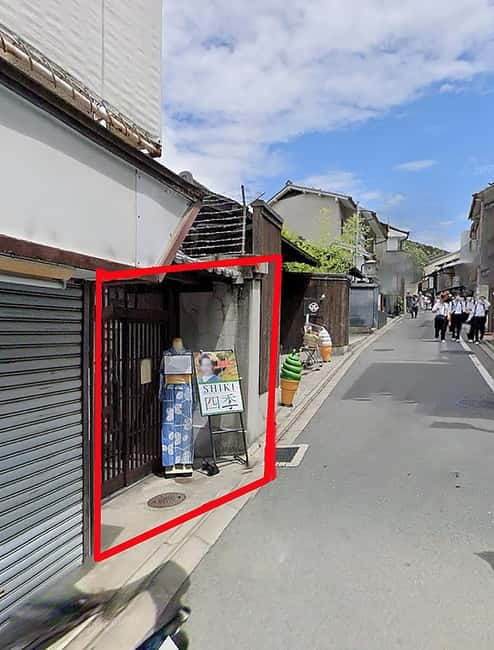
The meeting point is practical: you take a city bus (about a 20-minute ride), get off at Kiyomizu-michi, then walk around 10 minutes to the studio.
This is exactly the kind of route that works when you’re already sightseeing in Higashiyama. The key is that a 10-minute walk plus crowds can easily become 20 minutes if you pause for photos—so either plan for an early arrival or choose a time slot that isn’t right at your busiest walking moment.
After the tea: how to turn this into a half-day in Higashiyama

Since you’ll be near the Kiyomizu-dera area anyway, you should treat this as a gateway into the lanes. If you time your slot so your kimono is available later (until 5pm), you’ll be able to stretch the experience while the area is still lively.
A smart approach:
- Do photos and landmarks before you get tired.
- Use the costume time for the photogenic streets and major sights nearby.
- Then, after the outfit window, switch to normal walking clothes for longer distances.
This is also the time of day when the area around Yasaka Shrine and the Kodaiji Temple zone can feel especially memorable—so plan your route in advance and avoid over-scheduling.
Should you book this Kyoto maiko, samurai, or kimono + matcha experience?
Book it if you want a practical, family-friendly Kyoto highlight that combines costume dressing with an easy matcha tea ceremony right near Kiyomizu-dera. The included wardrobe basics, the short walk between steps, the small group size, and the option to keep the kimono until 5pm are strong advantages for value and convenience.
Skip it (or choose a different style of tea experience) if your top priority is a long, deeply traditional tea ceremony or if you dislike experiences that feel scheduled and photo-oriented. Since punctuality is essential, this also isn’t the best choice for people who tend to run late or who need a very flexible start time.
If you do book, my one recommendation is to build extra arrival buffer and pick a slot that matches your energy level. Get there early, enjoy the look, take the photos you want, and then treat the matcha as the calm pause between sightseeing waves.
FAQ
What’s included in the price?
The experience includes the kimono (or yukata during the June 1 to September 15 plan), obi, bag, underwear, sandals, the matcha tea ceremony experience, and sweets. Hair styling is not included.
How long is the experience, and how does the schedule work?
It runs about 150 minutes to 3 hours total. You’ll have a set kimono experience time, followed by a matcha tea ceremony time shortly after, with multiple start times available (for example, 9:00 AM kimono with 10:30 AM tea, or 3:00 PM kimono with 4:30 PM tea).
Can a family of four do it?
Yes. The experience can be done by a family of up to four people, with age eligibility of 5 and up.
Are there age or health restrictions?
Children under 5 years old are not allowed, and pregnant women are not allowed.
What happens if I’m late for the kimono or tea ceremony?
If you’re late for either portion, you may be forced to join halfway through or you may not be able to participate.
Where is the meeting point?
If you’re arriving by city bus, get off at Kiyomizu-michi and walk about 10 minutes to the store.