REVIEW · UJI
Uji: Private immersion into Kyoto’s tea and reglious culture
Book on Viator →Operated by Pinpoint Traveler, Inc · Bookable on Viator
Kyoto, minus the crowds, with tea reverence. This private Uji tour pairs a gyokuro tea-drinking experience with UNESCO-level temples, plus the tea-meets-spirituality story you rarely get on a quick day trip. I love the calm pace in small groups and the way you move from Shinto to Zen to Heian Buddhism without it feeling like a checklist. One thing to plan for: the route includes a fair number of stairs, so tell your operator if you want modifications.
I also like that the tour is built for people who want the meaning behind the ritual, not just a photo stop. You start at Keihan Uji Station Information Centre at 9:00 am, tour key sites around town, and return to the same meeting point. With a maximum of 8 travelers, you get a more human feel—questions are easier, and the tea experience doesn’t feel rushed.
In This Review
- Key things that make this Uji tour worth your time
- What you’re really doing in Uji (and why it feels calmer)
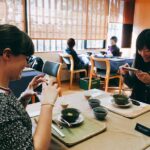
- Stop 1: Takumi-no Yakata and the gyokuro tea you sip more slowly
- Stop 2: Ujigami Shrine, UNESCO, and the spring water story
- Stop 3: Koshoji Temple and the Zen-leaning tea connection
- Stop 4: Byodo-in Temple, the museum, and the Heian-period vibe
- Stop 5: Byodo-in Omotesando, where tea shops line a pilgrimage street
- Stop 6: Uji Park in the river space, plus cormorant fishing tradition
- How the tea-and-spirituality story hangs together
- Price and value: why $162.41 can still make sense here
- Pace, meeting point, and what to expect on the ground
- Guides and vibe: small group attention is the point
- Should you book the Uji Private Tea and Religious Culture tour?
- FAQ
- How long is the Uji private tea and religious culture tour?
- Where does the tour start?
- What time does the tour begin?
- What are the main stops during the tour?
- What tea experience is included?
- Are temple and museum admissions included?
- Is food included on the tour?
- How large is the group?
- Does the tour involve stairs?
- Is the tour refundable if plans change?
Key things that make this Uji tour worth your time
- Gyokuro steam tea at Takumi-no Yakata, explained step-by-step with a Japanese sweet
- Ujigami Shrine, tied to ancient spring water bubbling up beneath the shrine grounds
- Koshoji Temple, the oldest Soto Zen temple in Kyoto, where tea culture has deep roots
- Byodo-in Temple and museum, with admission included and plenty of time to appreciate the grounds
- Byodo-in Omotesando, a historic pilgrimage street lined with long-running tea shops
- Uji Park by the river, with the tradition of cormorant fishing in the mix
What you’re really doing in Uji (and why it feels calmer)
Uji is the kind of place where people take their time on purpose. Instead of racing between big-ticket sights, you follow a gentle arc: a specialized tea start, a sacred shrine tied to local water, then Zen and Heian-era Buddhism, finishing with a river stroll and a historic tea-shopping street.
That structure matters. Tea traditions in Japan aren’t just about flavor—they connect to community, place, and belief. This tour nudges you to notice the links as you go: clean-water origins at Ujigami Shrine, discipline and ritual at Koshoji Temple, and the refined aesthetic of Byodo-in. You end the day with a stronger sense of why tea shows up in spiritual practice at all.
You can also read our reviews of more tours and experiences in Uji.


Stop 1: Takumi-no Yakata and the gyokuro tea you sip more slowly
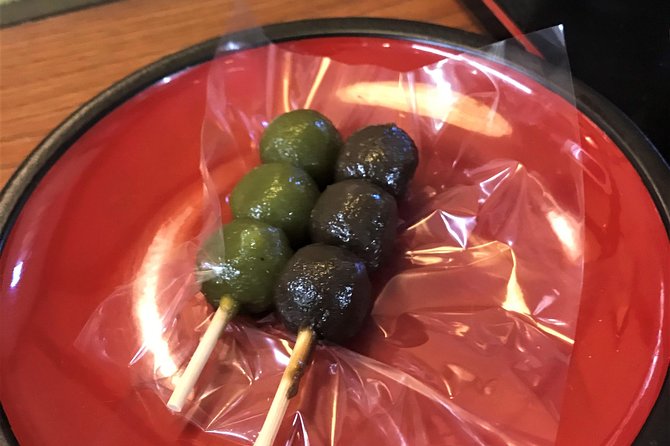
Your first stop is Takumi-no Yakata, where you try a gyokuro tea-drinking experience. Gyokuro is the highest grade of green tea in Japan, and the method is part of the lesson. You’ll steam the leaves in increasingly warm water while you learn how the tea develops cup by cup.
What I like here is that the experience turns tea into something you can do, not just something you consume. You’re not handed a drink and sent on your way. You get to watch the process, learn what to notice, and then taste the result.
A practical note: the tea house experience includes admission and comes with a Japanese sweet. Food and drink beyond that aren’t included, so if you’re hungry later, plan on grabbing something after the tour rather than expecting the ticket to cover it.
Stop 2: Ujigami Shrine, UNESCO, and the spring water story
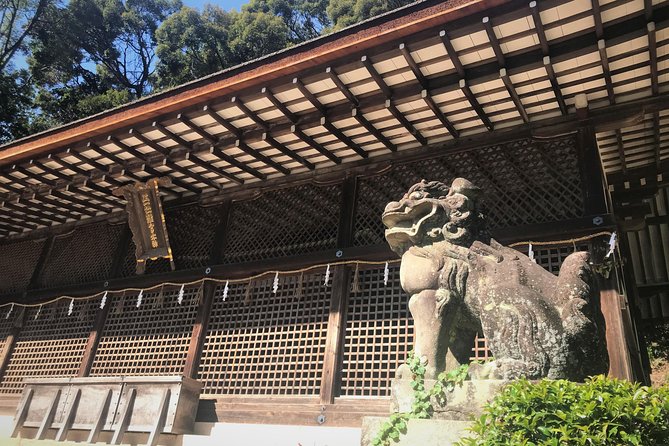
Next up is Ujigami Shrine, described as the oldest original shrine in Japan. The big draw isn’t only its age—it’s the way local water feeds the experience.
The shrine is tied to the last of Uji’s underground spring water that naturally bubbles up to the surface. That detail changes how you experience the place. You’re standing in a living connection between nature, ritual, and community, not just visiting an old building.
You’ll also have time to take in the setting at a relaxed pace—about 30 minutes. For me, that’s the right amount here: enough time to look closely, but not so long that the day drags.
Stop 3: Koshoji Temple and the Zen-leaning tea connection
After the shrine, you move to Koshoji Temple, the oldest Soto Zen temple in Kyoto. This stop is where the tour starts to feel more like a cultural explanation than sightseeing.
The theme is the intersection of Zen and tea ceremony in Japan. Zen Buddhism originally came in from China, and it helped pioneer the tea ceremony tradition in Japan. At Koshoji, you’re not just hearing that in theory—you’re on temple grounds where the atmosphere supports the idea of discipline, quiet, and ritual attention.
Again, you get around 30 minutes. It’s a short window, but it’s long enough to walk the grounds thoughtfully and let the historical framing sink in. If you like your spirituality grounded in real-world context, this is one of the more satisfying stops.
Stop 4: Byodo-in Temple, the museum, and the Heian-period vibe
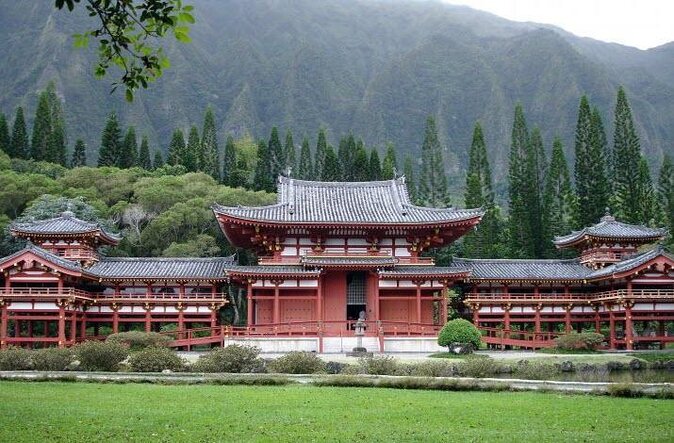
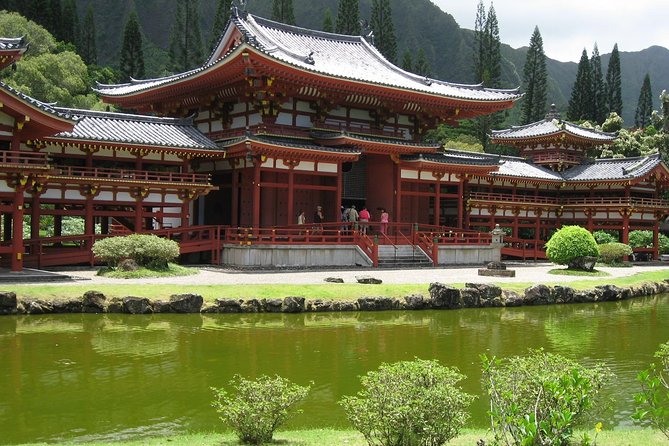
Then you step into Byodo-in Temple, dating back to the Heian period. This is the one many people recognize: the temple hall sits on a man-made lake, and it’s also a UNESCO World Heritage site.
What makes this stop especially valuable is the pairing of temple visit plus museum admission. The museum helps you read what you’re seeing. Without that context, Byodo-in can feel like beautiful architecture you admire and move on from. With it, you’re more likely to understand why certain elements matter.
You’ll have about 45 minutes here, including time for the temple and the museum. That’s a good pace for most people. You’ll get a chance to slow down and look—not just hit the highlights.



Stop 5: Byodo-in Omotesando, where tea shops line a pilgrimage street
After the temple, you walk down Byodo-in Omotesando, a historic street leading to the Byodo-in area. This is the “smell-the-seasoning” moment of the day.
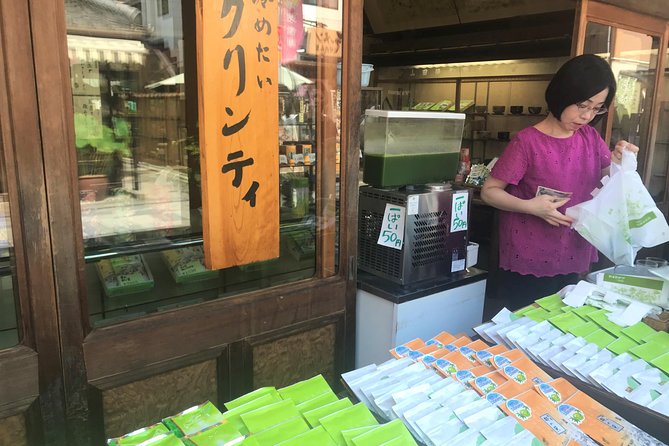
The street is lined with tea shops, and many have roots going back to medieval periods. As you move along, you’ll notice the range of tea produced in this region—so your earlier gyokuro lesson starts to feel useful, not academic. You’ll be able to compare what you tasted to what you see for sale.
This stop is about 45 minutes. It’s long enough to browse without feeling trapped in a shopping errand. Since food and drink aren’t included beyond the tea house sweet, this is also a smart time to decide what you want to buy for later—tea for a gift, or something you can bring home to remind yourself of the flavors.
Stop 6: Uji Park in the river space, plus cormorant fishing tradition
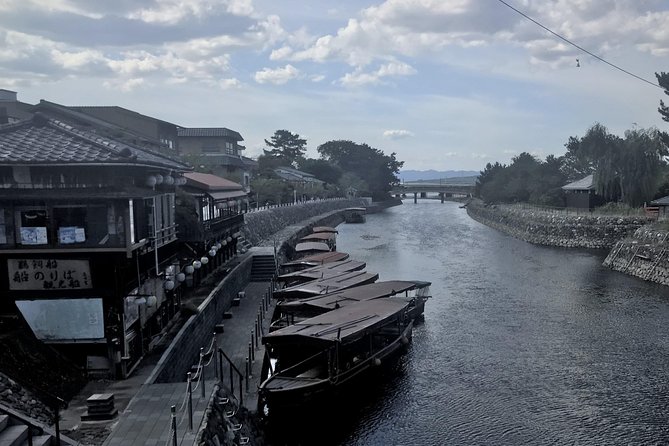
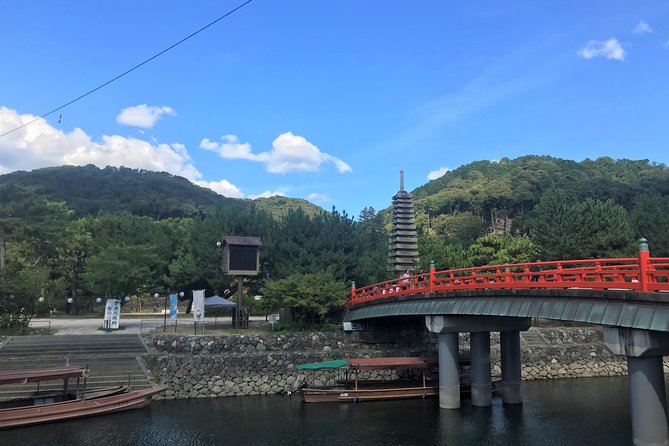
To close the day, you head to Prefectural Uji Park. This is a scenic stroll on an island in the middle of the river, tied to the local tradition of cormorant fishing.
It’s a nice tonal shift. After temples and ritual explanation, you end in open air with a small nature story. The tour also frames the river as the lifeblood for trade between Kyoto and Nara, and as a route that carried tea, sake, and more from across Japan and beyond. You start to see how Uji’s tea culture wasn’t built in isolation—it rode along with travel and commerce.
This stop is about 30 minutes. Perfect for stretching your legs before the tour ends back at the meeting point.
How the tea-and-spirituality story hangs together

One reason this tour works is the way it connects religion and taste without turning it into a lecture.
You start with gyokuro, which is technique and patience. Then you move to Ujigami Shrine, where water and sacredness are part of the setting. After that, Koshoji Temple adds the Zen and discipline angle, including the note that Zen influenced tea ceremony traditions coming through from China. Finally, Byodo-in Temple grounds the whole theme in Heian-period Buddhism, with the museum helping you connect visuals to meaning.
If you like travel that gives you a worldview—not just a checklist—this is the kind of day that sticks. You’ll likely leave with a more practical understanding of how tea became culturally important in Japan.
Price and value: why $162.41 can still make sense here
At $162.41 per person for about 4 hours, it’s not a budget throwaway. But value depends on what’s included—and here, key costs are covered.
Admission is included for the temples and the Byodo-in museum, and the gyokuro tea house experience includes a Japanese sweet. You’re also getting a guided flow across multiple sites rather than figuring it out yourself with transport, queues, and timing. The tour operates with a small max group size (up to 8), which usually matters a lot for a tea ceremony-style activity.
If you’re traveling solo or as a couple and you care about explanations, this price can feel fair. If you only want a quick walk-through and don’t care about the tea ritual, you could probably spend less on your own. But if you want the story and the guided tasting, this is the sort of day where you’re paying for access, organization, and context.
Pace, meeting point, and what to expect on the ground
The tour starts at 9:00 am at the Keihan Uji Station Information Centre (Keihan Uji Building, 1st floor). It’s near public transportation, which helps. After about 4 hours, it ends back at the same meeting point, so you don’t have to scramble for your next bus or train.
The itinerary includes many stairs. If that’s a concern, you should say so before the day. The program notes that modifications are possible if you let them know.
For planning your day around it:
- Bring comfortable shoes. You’re visiting shrines and temples and doing a street walk.
- Expect a mix of indoor and outdoor time.
- Don’t plan heavy shopping or a long meal right before the tour. You’ll get tea and a sweet, then likely want to eat after.
Guides and vibe: small group attention is the point
The tour emphasizes a private, small-group feel (maximum 8 travelers), and the guide quality shows up in how people describe the day: friendly, English-speaking guidance, and clear explanations of the tea process.
Names that have come up in feedback include Damian, Kevin, Ferdi/Ferdinand, Mika, and Lito. Across these accounts, the common thread is that the day feels balanced between cultural moments, spirituality, and relaxation—exactly what you want in a place like Uji where the pace is the magic.
Should you book the Uji Private Tea and Religious Culture tour?
Book it if you want:
- a tea experience that teaches the technique (gyokuro) and not only the taste
- UNESCO temples plus shrine visits, tied together with the tea-and-Buddhism story
- a calmer alternative to Kyoto’s bigger crowd magnets
Skip it or rethink it if:
- you can’t handle stairs and walking without shortcuts
- you only want quick sightseeing photos and no structured cultural explanation
- you’re expecting food included beyond the tea-house sweet
If you’re on the fence, my advice is simple: pair this day with a lighter Kyoto schedule the rest of the trip. Uji rewards a slower mood, and this tour is designed to match that energy.
FAQ
How long is the Uji private tea and religious culture tour?
It’s about 4 hours.
Where does the tour start?
It starts at Keihan Uji Station Information Centre in Uji, Otsukata.
What time does the tour begin?
The start time is 9:00 am.
What are the main stops during the tour?
You’ll visit Takumi-no Yakata, Ujigami Shrine, Koshoji Temple, Byodo-in Temple, Byodo-in Omotesando, and Prefectural Uji Park.
What tea experience is included?
A gyokuro tea house experience is included, with Japanese sweet served during the tea time.
Are temple and museum admissions included?
Yes. Admission to the temples and the museum at Byodo-in is included.
Is food included on the tour?
Food and drink outside of the tea experience are not included.
How large is the group?
The maximum group size is 8 travelers.
Does the tour involve stairs?
Yes, the itinerary includes many stairs. If this is a concern, you should let the operator know so modifications can be made.
Is the tour refundable if plans change?
Yes, free cancellation is available. You can cancel up to 24 hours in advance for a full refund.