REVIEW · UJI
Kyoto tea town for matcha lovers
Book on Viator →Operated by フルダイニング料理教室 · Bookable on Viator
Matcha has a hometown, and Uji shows it. I love how this tour keeps a small-group pace while you learn tea culture, and I also like the hands-on matcha moments plus tastings that don’t feel like a rushed checklist. One thing to plan for: the walking can get hot, and the experience is weather-dependent.
You’ll spend about 5 to 5.5 hours in Uji, Kyoto’s tea town, moving between shrine scenery, classic shops, tea houses, and tea fields. The payoff is more than sweet treats. You get the story behind tea’s origins, the art behind tea ceremony, and a real sit-down ceremony experience at a traditional tea house.
Heat and weather matter here. If you go in the warmer months, wear breathable clothes, bring water, and expect that some paths are outside.
In This Review
- Key points to know before you go
- Getting to Uji Station and why this start matters
- Uji Shrine: a free stop that sets the tea mood
- Tsuen Main Branch: the 850-year-old matcha snack stop
- Tea houses and tea fields: what you’re actually learning as you walk
- Lunch at a tea house: tea dishes, not just a break
- The traditional Japanese tea ceremony: how the ritual lands
- Making matcha and grinding your own powder
- Who this tour is best for
- Price and value: is $157.65 worth it?
- Timing, weather, and what to bring
- My verdict: should you book the Uji matcha walking tour?
- FAQ
- FAQ
- What is the duration of the Kyoto tea town for matcha lovers tour?
- Where does the tour meet?
- What time does the tour start?
- How big is the group?
- What can I expect to do during the tour?
- What tastings are included?
- Are any admission tickets required?
- Is the tour physically demanding?
- Is free cancellation available?
- What happens if the tour is canceled due to weather?
Key points to know before you go
- Max 7 people means you actually hear your guide and get time for questions.
- Uji Shrine stop ties tea culture to place, with an easy, free start.
- Tsuen Main Branch (850+ years old) is where you sample matcha rice cake skewers.
- Tea dishes lunch gives you a sit-down break that stays in the tea theme.
- Traditional tea ceremony session lets you practice the ritual, not just watch.
- Hands-on matcha grinding is part of the day, so you taste what you make.
Getting to Uji Station and why this start matters
This tour meets at Uji Station (Uji, Kyoto Prefecture). It’s a practical choice because you’re not stuck with a long ride from Kyoto city before the fun begins. The start time is 9:30 am, and the tour returns to the meeting point afterward, which makes the rest of your day easier to plan.
I like tours that start early because Uji feels calmer in the morning. You’ll still be walking in a historic neighborhood, but you’re less likely to feel like you’re fighting the crowd.
Group size is capped at 7 travelers, which changes the whole vibe. You’ll have room to take photos, and your guide can steer you around the slow spots.
You can also read our reviews of more tours and experiences in Uji.

Uji Shrine: a free stop that sets the tea mood
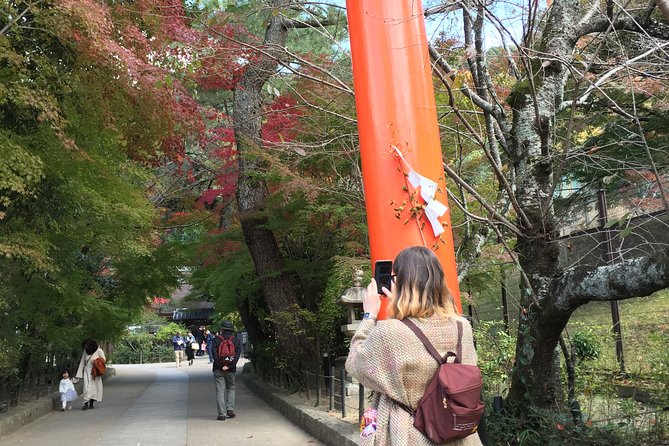
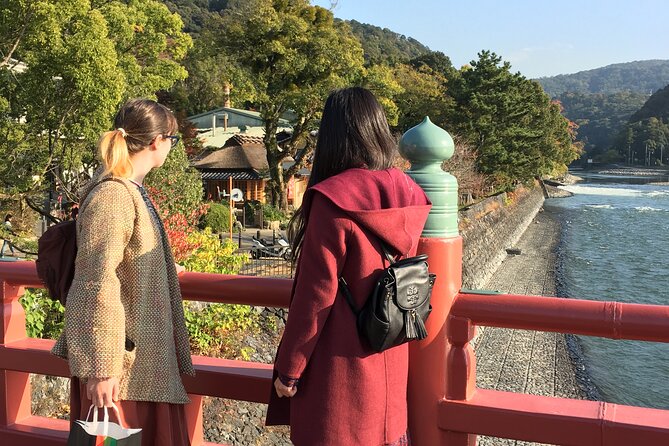
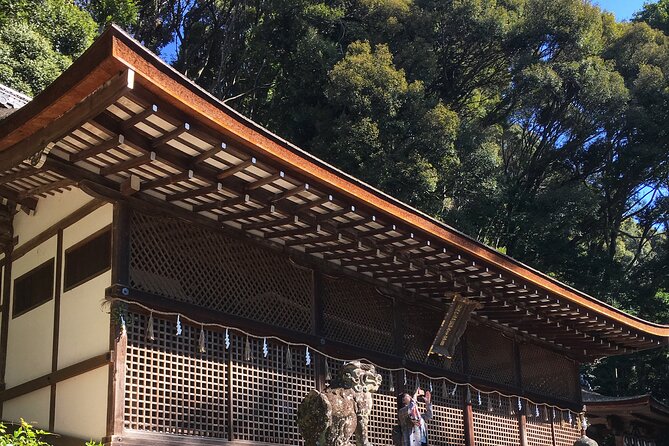
One of your first highlights is the Uji Shrine stop. Admission is listed as free, and the time is about 20 minutes. Even if you’re not a hardcore shrine person, this part works because it gives context. Tea doesn’t live in a vacuum. In Japan, it’s tied to place, daily life, and centuries of practice.
Uji is associated with water that tea people care about, and your guide walks you through how that kind of “tea town” identity forms. The shrine also acts like a palate cleanser before the food-and-tea part starts—quiet space, light walking, and time to regroup before tastings.
Practical tip: wear comfortable shoes. Shrine paths can be uneven, and you still have more stops ahead.
Tsuen Main Branch: the 850-year-old matcha snack stop
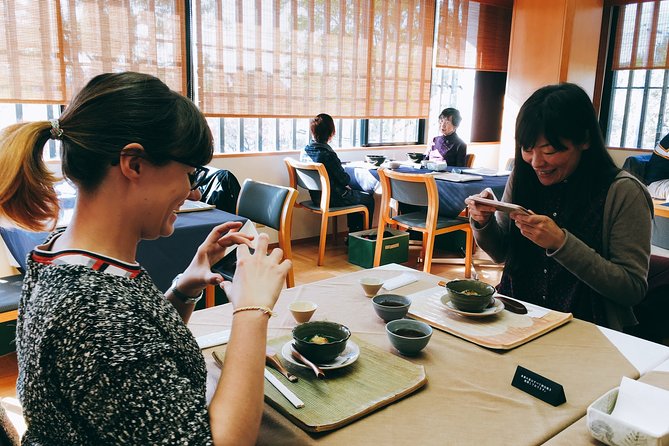
Next up is Tsuen Main Branch, one of the oldest tea shops in Uji, described as over 850 years old. Admission is also listed as free, and the time here is about 10 minutes.
This is where you get a specific, fun tasting: matcha rice cake skewers made with pure matcha powder. I like this kind of stop because it’s not just sipping. You’re tasting matcha in a form that shows how the flavor changes with texture—chewy rice cake, plus a green-tea profile that lands differently than a drink.
Short stop, clear payoff. You’ll probably leave this part thinking about matcha in a more “food” way, not only as a beverage.
Tea houses and tea fields: what you’re actually learning as you walk
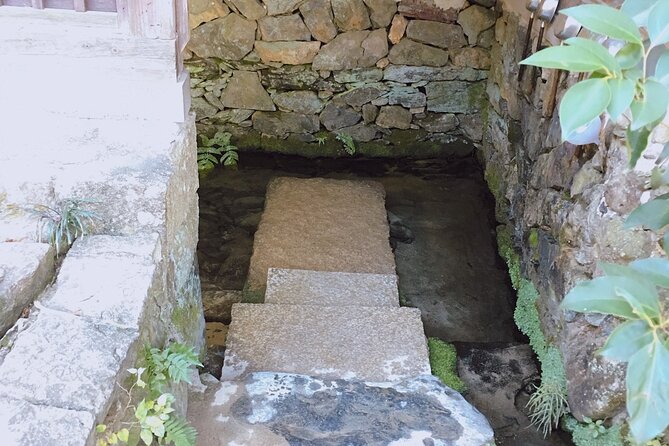
After the initial shrine-and-snack rhythm, the tour shifts into the tea-world details. You’ll visit tea houses and also spend time around tea fields, and your guide shares facts about:
- the origins of tea
- the art and meaning of tea ceremony
- what makes Uji special as a tea town
This is the value that’s harder to capture in photos. Tea culture isn’t only about the final cup. It’s about the steps and the people—where tea comes from, how it’s processed, and why ritual matters.
The best part is the pacing. The route doesn’t feel like you’re rushing from one place to the next. Instead, you’re being taught what to notice as you move—textures, production logic, and how the ceremony connects back to everyday appreciation.
Practical tip: if you’re going in summer, plan for shade gaps. Tea fields and outdoor segments mean sunlight can hit hard.
Lunch at a tea house: tea dishes, not just a break

For lunch, you stop at a famous tea house for tea dishes. This matters because it keeps the day consistent. You’re not leaving the matcha theme for a random set meal.
A tea-house lunch also gives you something many food tours skip: a calmer, sit-down moment. By this point, you’ve been tasting and listening, so you’ll appreciate the chance to slow down, eat properly, and recharge your legs.
Also, lunch timing helps you enjoy the afternoon ceremony. If you go into the tea ritual tired and hungry, the experience feels more like another activity. With a proper lunch, it feels like a moment.


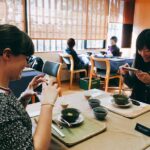
The traditional Japanese tea ceremony: how the ritual lands
In the afternoon, you’ll experience an authentic Japanese tea ceremony at a traditional tea house. This isn’t presented as a quick photo op. You’re meant to participate and understand the flow of the ceremony, with the guide explaining what you’re seeing.
Here’s what I’d watch for if you want the most value: don’t treat it like a show. Take the slow parts seriously—how the host prepares, how the tea is served, and how the cups and movements signal respect.
Even if your Japanese isn’t perfect, the ceremony structure usually carries you. The important part is paying attention to what’s happening and asking questions during the quieter moments.
And yes, your matcha context from earlier stops makes the ceremony more meaningful. You’ll likely notice that matcha isn’t one taste. It’s a process, with different stages shaping flavor.
Making matcha and grinding your own powder
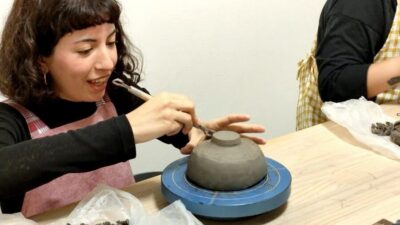
One of the most memorable parts, especially for matcha lovers, is the matcha-making component that includes grinding matcha. In Uji, matcha is often associated with stone-milling methods, and the experience includes time to make your own matcha powder firsthand.
That hands-on step changes everything. When you grind it yourself, you notice things you wouldn’t pick up from a menu. The aroma hits differently. The texture shifts. And when you finally drink what you made, you can connect the effort to the flavor.
I also like that this part pulls you from passive listening into active learning. Your guide can answer questions while you’re doing the work, which is the fastest way to turn “cool story” into real understanding.
Who this tour is best for
This is a strong fit if you:
- love matcha and want more than one bite or one drink
- enjoy cultural details tied to food (not just scenery)
- like a small group where you can ask questions
- don’t mind a moderate walking pace
It can also work well if you’re traveling with family, since the day includes both educational stops and snack-and-ritual moments, which keeps energy up.
If you’re someone who hates walking in heat or you prefer strictly indoor time, you might want to plan your timing carefully and wear light layers.
Price and value: is $157.65 worth it?
At $157.65 per person for about 5 to 5.5 hours, it’s not a bargain-basement outing. But it also isn’t “pay for a stroll.” Your money goes toward multiple structured parts:
- a guided Uji route with shrine and tea shop stops
- tastings (including matcha rice cake skewers)
- a themed lunch with tea dishes
- an authentic tea ceremony
- a hands-on matcha-making/grinding component
Add in the group cap of 7 people, and the price starts to look more like you’re buying access to time, instruction, and a proper tea-house experience, not just transportation and a map.
If matcha is a major priority for you in Kyoto, I think it’s one of the more satisfying ways to spend a day in this area, because it turns matcha into something you experience—taste, texture, ritual—rather than something you only buy.
Timing, weather, and what to bring
This experience is listed as requiring good weather. If conditions aren’t right, you’ll be offered another date or a full refund. Since parts of the tour are outdoors (tea fields and walking), plan like you’ll be outside for much of the day.
For warm months, I’d treat it like a walking tour first, tea tour second:
- water bottle
- hat or cap
- sunscreen
- breathable clothing
- comfortable shoes
If you’re sensitive to heat, aim for cooler seasons or go earlier in the year.
My verdict: should you book the Uji matcha walking tour?
If you’re serious about matcha—like, you want the story behind it and the tasting experience—this is an easy yes. The day is built around the whole tea loop: place (Uji and shrine setting), shop classics (like Tsuen Main Branch), tea-house food, a real ceremony, and the satisfying hands-on part of grinding matcha.
The main reason to hesitate is simple: you’re walking outdoors for part of the day, and weather matters. If you’re going on a sweltering day or you dislike outdoor walking, make sure you’re comfortable with that tradeoff.
FAQ
FAQ
What is the duration of the Kyoto tea town for matcha lovers tour?
It runs about 5 hours to 5 hours 30 minutes.
Where does the tour meet?
The start is Uji Station, 611-0021 京都府宇治市宇治宇文字1716.
What time does the tour start?
The start time is 9:30 am.
How big is the group?
The tour has a maximum size of 7 travelers.
What can I expect to do during the tour?
You’ll explore Uji and learn about tea origins and tea ceremony, visit tea houses and tea fields, taste matcha-related treats, enjoy lunch with tea dishes, and experience an authentic Japanese tea ceremony.
What tastings are included?
At Tsuen Main Branch, you’ll have a chance to taste matcha rice cake skewers made with pure matcha powder.
Are any admission tickets required?
For Uji Shrine, admission is listed as free, and the Tsuen Main Branch stop also shows admission as free.
Is the tour physically demanding?
It’s suitable for people with moderate physical fitness.
Is free cancellation available?
Yes. You can cancel up to 24 hours in advance for a full refund.
What happens if the tour is canceled due to weather?
If it’s canceled because of poor weather, you’ll be offered a different date or a full refund.
![Sigiriya, Kandy to Ella TRain Ride plus Up Country TEA[B&B Basis] - Sinharaja Forest Reserve: UNESCO Nature Time With Tickets Sorted](https://1.teatravelguide.com/wp-content/uploads/sigiriya-kandy-to-ella-train-ride-plus-up-country-tea-b-b-basis-400x267.jpg)