REVIEW · UJI
Uji: UNESCO Heritage & Tea Ceremony Walking Tour
Book on GetYourGuide →Operated by TripGuru Japan · Bookable on GetYourGuide
Uji is small, but it packs a lot. This 3-hour walking tour blends Byodoin Temple’s UNESCO setting with a calm tea ceremony at Taihoan, plus bridges, shrines, and plenty of matcha talk.
I like that it’s paced for real learning, not just photo stops, and the guide helps you connect the dots between temples, shrines, and tea culture. One thing to consider: the tea ceremony has strict rules, including no photo or video, and it’s conducted in Japanese (your guide translates).
In This Review
- Key highlights to watch for
- Why Uji’s tea culture feels worth your time
- Uji Station meetup and the small-group pace (max 9)
- Byodoin Temple: the UNESCO stop you can actually understand
- Taihoan tea ceremony: rules, patience, and the feel of doing it
- Bridge walking: Tachibara and Asagiri views in a short route
- Uji Shrine and Ujigami Shrine: where the Shinto side shows up
- Snacks at Uji Bridge: where tea becomes something you eat
- Price and value: what $66 covers (and why it’s not just sightseeing)
- Who should book, and who should skip this one
- Should you book the Uji UNESCO Heritage & Tea Ceremony Walking Tour?
- FAQ
- Where does the tour meet?
- How long is the tour?
- What’s included in the price?
- Is Byodoin Temple admission included?
- Is the tea ceremony in English?
- Can I take photos or video during the tea ceremony?
- How many people are in the group?
- What should I bring?
- Is the tour refundable if plans change?
Key highlights to watch for
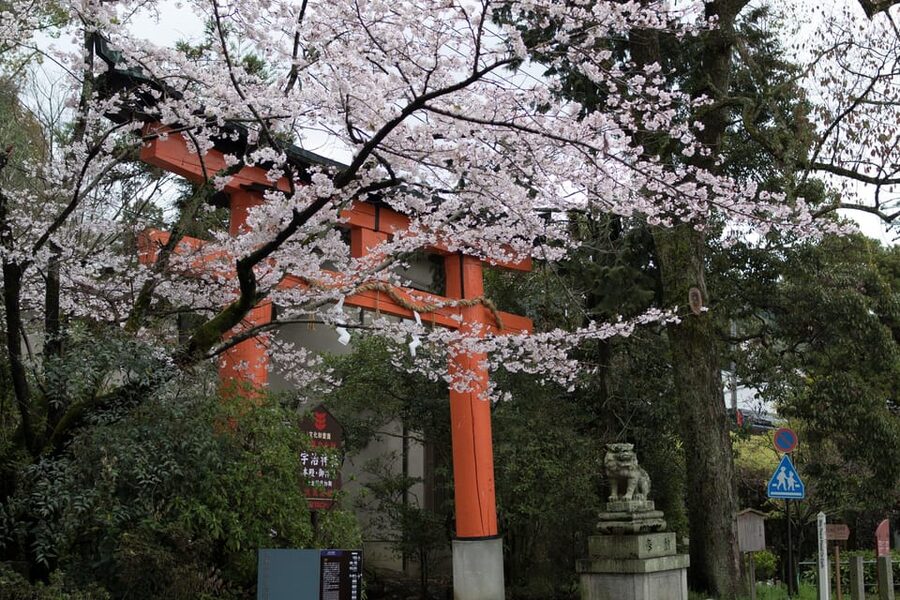
- Byodoin Temple (UNESCO) with guided context that makes the architecture easier to understand
- Taihoan tea ceremony where you’ll get a step-by-step feel for how tea is done
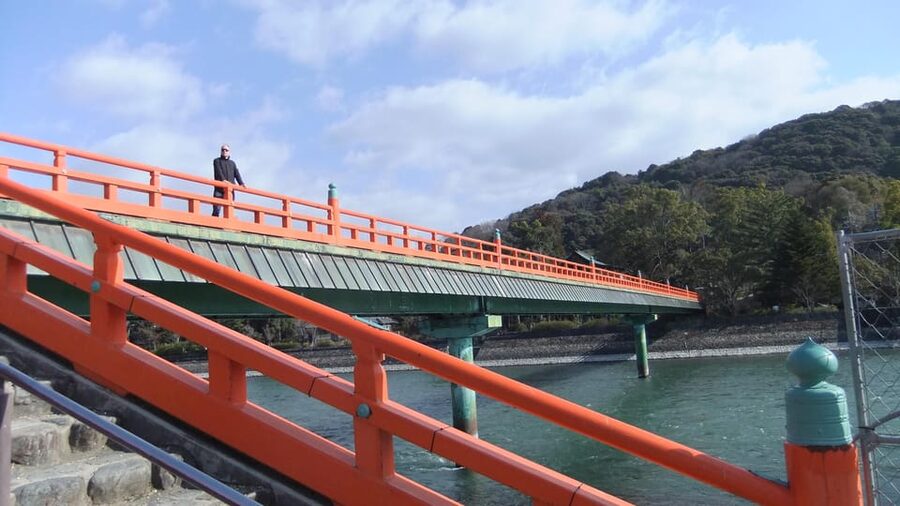
- Tachibara and Asagiri suspension bridges for big views in a compact walk
- Two shrine visits (Uji Shrine and Ujigami Shrine) that add the Shinto side of the story
- Small group size (max 9) keeps the tour from feeling crowded
Why Uji’s tea culture feels worth your time
Uji is the kind of place where the theme doesn’t feel like a marketing slogan. Tea here is tied to daily rituals, temple life, and local pride. In just a few hours, you get a tight storyline: why Uji matters, how tea culture works, and where to look for it in the streets.
I also like that you’re not stuck inside a classroom. You walk between major sites, pause for guided explanations, and then end with practical food time. That last part matters—tea culture isn’t only about ceremonies; it shows up in snacks, sweets, and the way locals talk about green tea.
You can also read our reviews of more tours and experiences in Uji.


Uji Station meetup and the small-group pace (max 9)
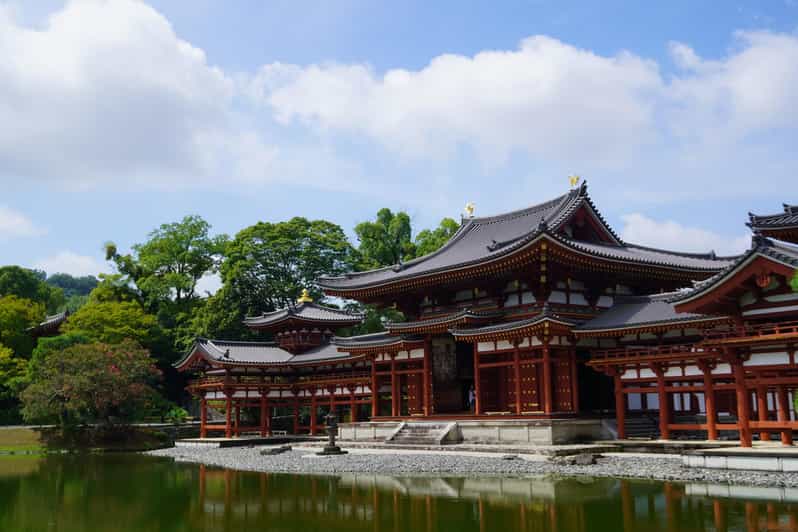
You’ll start at JR Uji Station (South Exit). Your guide waits there wearing a TripGuru shirt or holding a TripGuru sign. I suggest arriving 10 minutes early so the group doesn’t have to stretch the day.
This is a small group (limited to 9), and you feel it immediately. Questions don’t get shoved into the margins, and you can hear the guide’s explanations without leaning over your neighbor’s backpack. Several past guests highlighted guides like Yuko and Nobumasa Miyake for being friendly and patient, especially when explaining what to do and where to look.
One logistics heads-up: traffic can be heavy in the morning. The tour duration is about 3 hours, but getting there can be slower than mapping apps suggest. Build a little slack into your timing, especially if you’re connecting from Osaka or Kyoto.
Byodoin Temple: the UNESCO stop you can actually understand
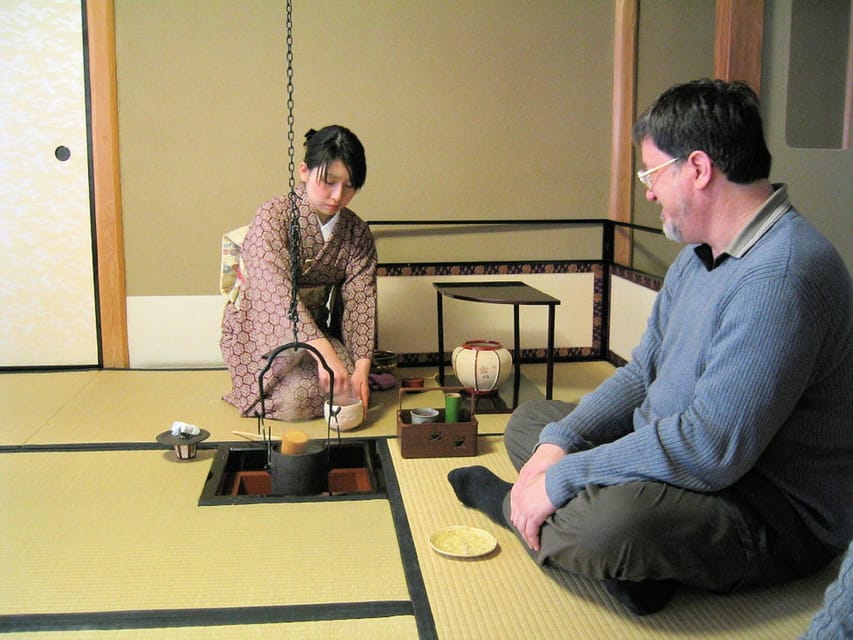
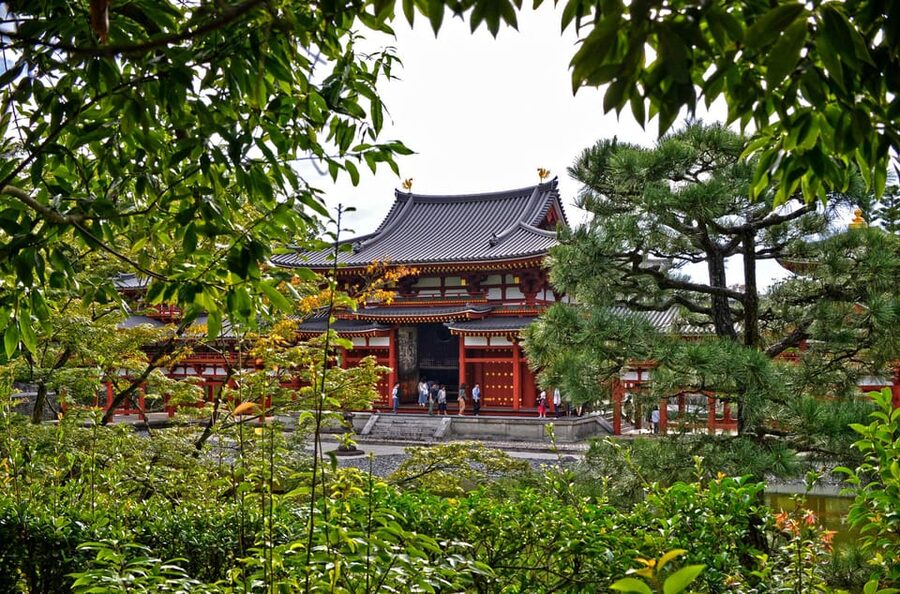
The tour’s anchor is Byodoin Temple, a UNESCO World Heritage Site. You’ll get a guided visit of about 50 minutes, which is the right amount of time to absorb the main ideas without rushing.
Here’s what makes this stop so valuable on foot: the temple setting rewards attention. Instead of only looking at a single landmark, you can take in how the grounds and buildings work together. Your guide’s job is to translate what you’re seeing into a story you can carry—why this place is so important and how its form connects to religious life.
Practical note: you’ll likely want your camera ready for temple areas, but keep in mind the tea ceremony later has restrictions. I bring my phone and my camera, but I treat the tea part like a tech-free reset.
Taihoan tea ceremony: rules, patience, and the feel of doing it
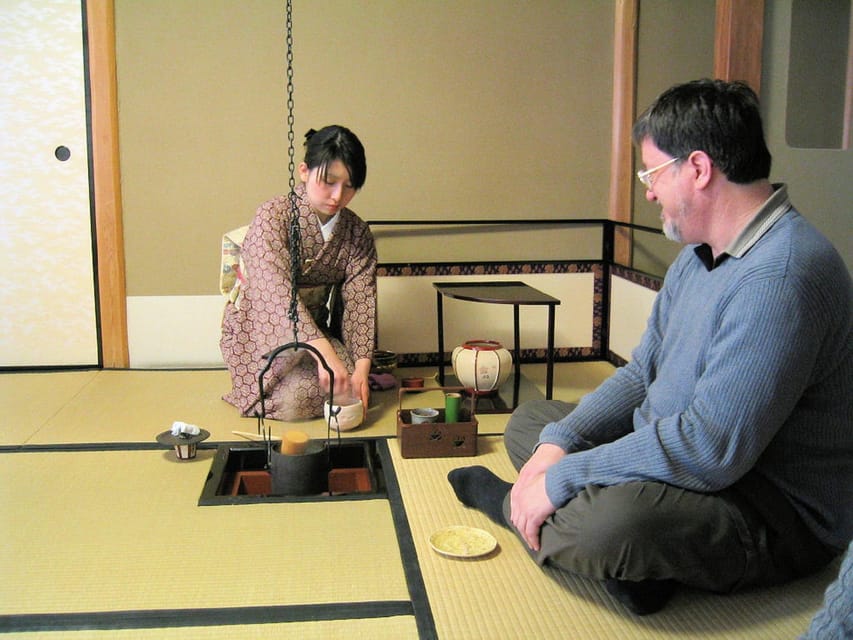
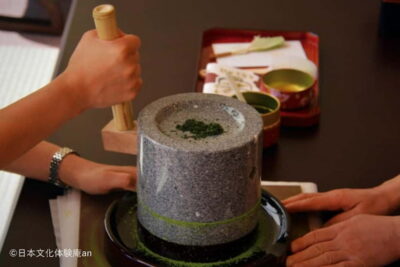
After Byodoin, you head to Taihoan for a traditional tea ceremony. The time slot is about 30 minutes as part of the included experience, and you’ll have time for instructions and the ceremony flow (some tours schedule a slightly longer window overall).
Two important things before you go in:
- No photo or video during the ceremony. Think of your camera as put away for a while.
- The ceremony is conducted in Japanese only, and your guide translates what you need to understand.
What I appreciate is the tone people report from the tea room. Guests noted that if you don’t get a step perfectly right, the hosts don’t punish you. The guidance is precise, but it’s also human. That matters because most of us don’t practice tea etiquette at home.
If you’re the type who worries about doing it wrong, you’ll probably relax quickly. And if you’re the type who loves details, you’ll enjoy the step-by-step rhythm—the way actions link to meaning.
Bridge walking: Tachibara and Asagiri views in a short route

One of the best surprises in a compact tour is getting fresh air and big views without adding hours. This walk includes crossing two suspension bridges: Tachibara and Asagiri. Even if your legs feel a little tired from temple time, the bridges give you an immediate change of pace.
What you’ll get here is perspective. Suspended walkways naturally widen your attention: you look down, look ahead, and take in the area around Uji. It’s also a chance to catch a few photos outside the ceremony, so remember to keep your camera accessible.
Wear comfortable shoes. This is a walking tour with a few active segments. Don’t plan to wear fashion sneakers that hate pavement.



Uji Shrine and Ujigami Shrine: where the Shinto side shows up
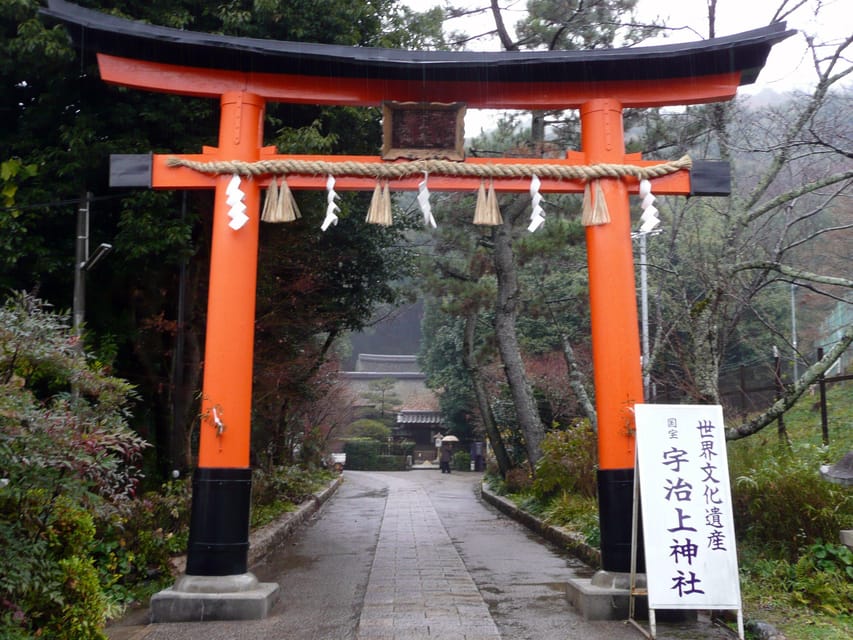
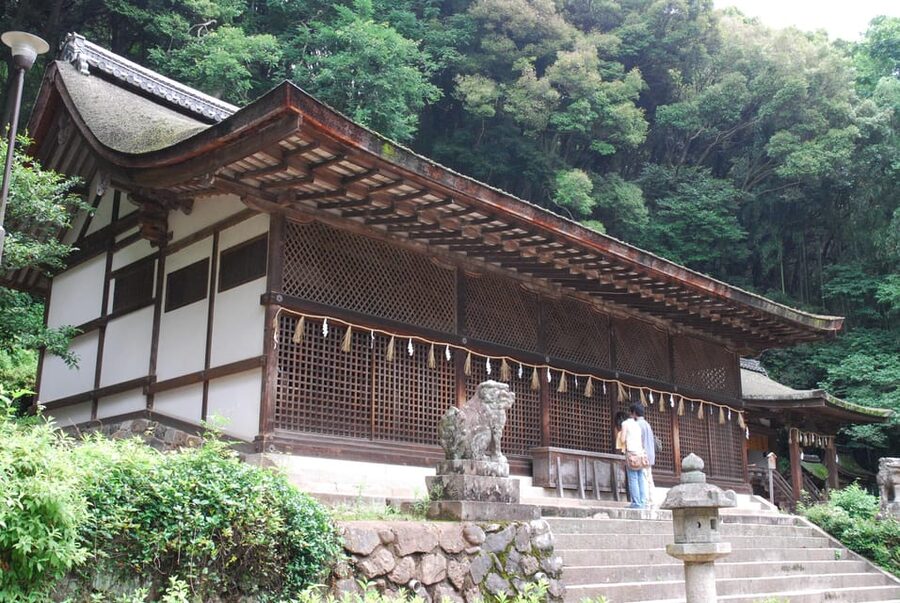
After the bridges, the tour shifts into shrine territory with visits to Uji Shrine and Ujigami Shrine, each with about 20 minutes of guided time.
Why shrines matter in this tour: tea culture isn’t only Buddhist or only practical. Uji’s spiritual backdrop includes Shinto traditions tied to place and community. Your guide helps connect what you see—ritual space, sacred attention, and local meaning—to a broader view of Japanese religious life.
If you’ve read about Shinto and Buddhism before, this part still works because the tour turns theory into cues. You’ll know what to notice, and you’ll understand why certain details are there. Several guests specifically praised the way guides explained the Shinto and Buddhist context clearly, in a way that felt comfortable even if you’re starting from zero.
Snacks at Uji Bridge: where tea becomes something you eat
Near the end, you’ll head to Uji Bridge and spend about 40 minutes on local snacks. This is your chance to taste what Uji is famous for without trying to decode menus alone.
Bring cash—the tour data calls it out for a reason. Many small snack stops and tea-related shops work smoothly with cash, and having it avoids last-minute stress.
What kinds of treats? You can expect green tea flavors and local sweets. Past guests specifically mentioned matcha and mochi recommendations from their guides, and that end section is where those suggestions turn into real bites.
If you want a simple game plan: try something with matcha, try something local (often mochi-style sweets), and don’t overbuy until you’ve tasted one or two items first. Snack time is short, so spend it smart.
Price and value: what $66 covers (and why it’s not just sightseeing)
At $66 per person for roughly 3 hours, this tour isn’t trying to be the cheapest way to see Uji. You’re paying for three things that add up quickly on your own:
- An English-speaking guide
- Byodoin entrance fees included
- A tea ceremony at Taihoan (listed as included)
Once you factor in admission time and the structured tea experience, it starts to look like good value—especially for a small group. The guide also saves you the guesswork: where to stand, what matters, what to ask, and how to behave during the ceremony.
Also, the reviews lean hard on a simple theme: guides make the difference. People repeatedly praised guides like Katsu, Yuko, Yuko’s group, Katsuhiko, and Miya-san for being patient, friendly, and practical with explanations and recommendations.
Who should book, and who should skip this one
This tour is a good fit if you want:
- A guided walk through major Uji sites without doing everything solo
- A real tea ceremony experience, not just looking at tea from the outside
- Bridge views plus shrines, all in a single half-day block
It is not suitable for:
- Pregnant women
- People with mobility impairments
- People with heart problems
- People with respiratory issues
If any of those apply, it’s worth looking for a more accessible alternative or a different format.
Should you book the Uji UNESCO Heritage & Tea Ceremony Walking Tour?
Yes, if you want your Uji day to feel guided, calm, and well-timed. The mix of Byodoin, Taihoan tea, bridge walking, and shrine visits is a strong formula for first-timers, and the small-group size keeps it from turning into a rush.
I’d book it particularly if you care about learning what you’re seeing—especially the tea ceremony etiquette and the cultural context behind the temples and shrines. And if you’re the type who likes good recommendations, you’ll likely appreciate how guides point out places for matcha and mochi after the main program.
If you hate rules around photography, know that the tea ceremony is a no-photo, no-video moment. If that would ruin your day, you might prefer a different Uji tour that keeps your camera active the whole time.
FAQ
Where does the tour meet?
The meeting point is JR Uji Station (South Exit). Your guide will be waiting there with a TripGuru shirt or a TripGuru sign.
How long is the tour?
The tour duration is about 3 hours.
What’s included in the price?
The price includes an English-speaking guide, the tea ceremony (listed as 30 minutes), and entrance fees to Byodoin Temple.
Is Byodoin Temple admission included?
Yes, entrance fees to Byodoin Temple are included.
Is the tea ceremony in English?
The tea ceremony is conducted in Japanese. Your guide translates for you.
Can I take photos or video during the tea ceremony?
No. Photo and video recording are prohibited during the tea ceremony.
How many people are in the group?
The group is limited to 9 participants.
What should I bring?
Bring comfortable shoes, a camera, and cash.
Is the tour refundable if plans change?
You can cancel up to 24 hours in advance for a full refund.