REVIEW · NAGOYA
Tea Ceremony Experience
Book on GetYourGuide →Operated by B.B.Advisors Inc. AN NAGOYA · Bookable on GetYourGuide
Most people think tea ceremony means fancy clothes and an all-day schedule. Here it’s compact, friendly, and still teaches you how to actually taste and appreciate matcha. You get a casual matcha-making experience with single-origin special matcha, plus Japanese sweets called ohigashi. My only caution is that it’s brief, so it may feel less like a slow, full traditional ritual and more like a well-paced introduction.
Two things I really like: the format lets you participate rather than just watch, and the instructor provides strong English support when possible, so you’re not stuck guessing what each step means. The other potential downside is the setup: the room may not feel like what you imagine when you hear tea ceremony, and if the group is small it can move fast.
That said, if you’re sightseeing in Nagoya and want something calm, hands-on, and genuinely Japanese that fits into a busy day, this is a solid use of time.
In This Review
- Key things to know before you go
- Nagoya tea ceremony in 30 minutes: what makes it worth your time
- Single-origin matcha and ohigashi: the tasting experience you’re paying for
- The exact flow: how the 30-minute schedule really plays out
- 0:00 to 10 minutes: start, tea explanation, and setting the mood
- 10 to 20 minutes: matcha grinding demonstration
- 20 to 30 minutes: tea-ceremony experience, picture time, and enjoying your sweets
- Location near Kokusai Center Station and Nagoya Station: easy to fit into a day
- Communication and instruction: what the English support is like
- What might feel different than your mental picture
- Price and value: is $7 for tea ceremony actually a good deal?
- Who should book this Nagoya matcha experience
- Practical tips so your 30 minutes go smoothly
- Should you book this tea ceremony in Nagoya?
- FAQ
- How long is the tea ceremony experience?
- What does the price include?
- What is the meeting point location?
- Do they provide English translation?
- Is there an elevator to the venue?
- Is there an option for a completion certificate?
Key things to know before you go
- You make matcha yourself after a short explanation, not just watch a demonstration.
- Single-origin special matcha is part of the experience, so the flavor focus is real.
- Ohigashi sweets are included, and they’re meant to pair with your tea moment.
- 30 minutes total keeps it doable even on packed sightseeing days.
- English translation is provided as much as possible, and recent participants noted the guide’s English was strong.
- No elevator on the 3rd floor, so plan your stairs if you’re traveling with extra bags.
Nagoya tea ceremony in 30 minutes: what makes it worth your time
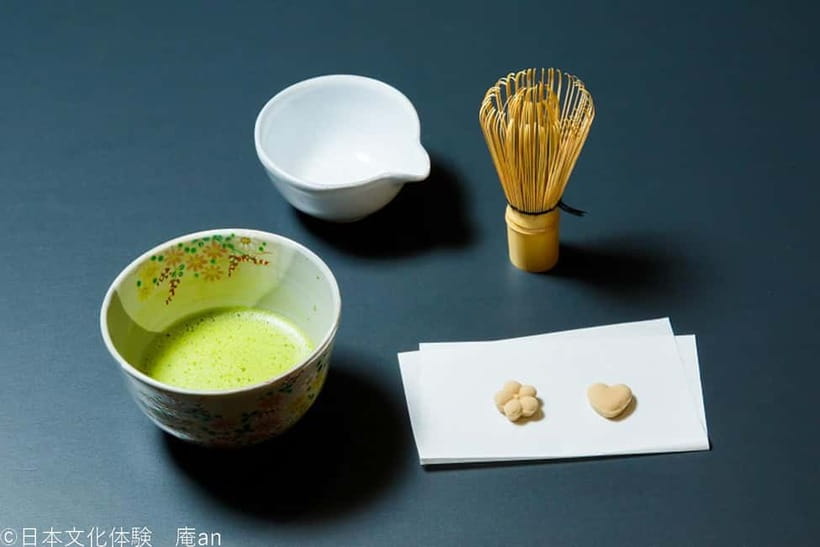
If you only have a small pocket of time in Nagoya, this tea ceremony is built for that reality. You’re not sacrificing hours. You’re getting a focused, guided experience that still hits the core points: how matcha is prepared, what you’re tasting, and how the sweets fit into the moment.
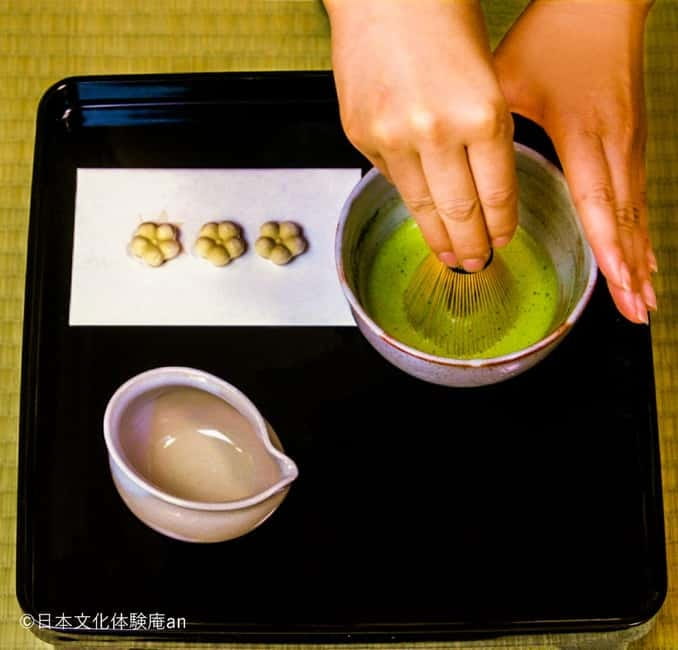
The heart of it is simple. You’ll hear a brief lecture about tea, watch a matcha grinding demonstration, then make matcha yourself. That hands-on part matters, because it turns matcha from a drink you order into something you understand through process.
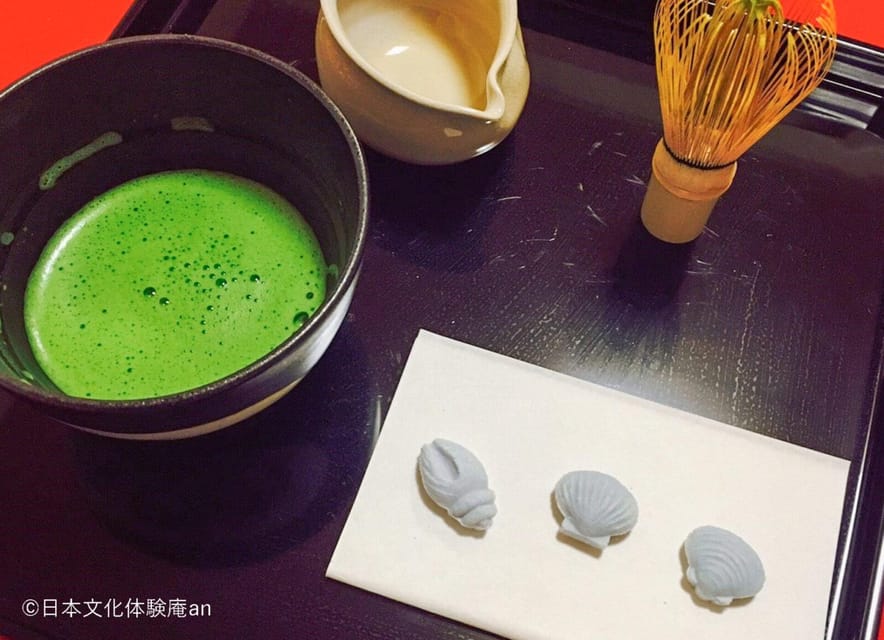
And the included ohigashi is not just an extra snack. In Japanese tea culture, the sweets often help balance the bitterness of matcha, so your tasting becomes more balanced than if you just gulp green tea. Even in a short session, that pairing makes the experience feel complete.
You can also read our reviews of more tours and experiences in Nagoya.

Single-origin matcha and ohigashi: the tasting experience you’re paying for
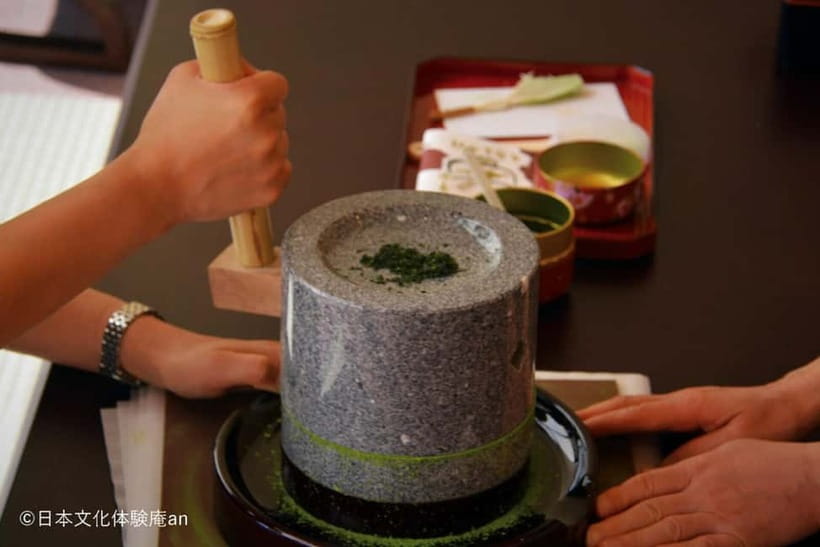
This isn’t a generic green tea stop. It’s centered on matcha made from single-origin special matcha. That detail signals a flavor-first approach. Even if you’re not a “tea nerd,” you’ll notice differences in bitterness, aroma, and smoothness when the tea has a clear identity.
You’ll also get Japanese sweets called ohigashi. Again, this isn’t just a perk. It’s part of how tea ceremony training teaches your palate to slow down. You’re eating something sweet while your matcha is steeped in that vegetal, slightly bitter profile. The goal is contrast, then harmony.
Practical tip: when you taste, don’t rush. Take a small sip, then a bite of the sweet, then return to the tea. You’ll start picking up what the instruction is getting at: matcha isn’t only about flavor. It’s also about pacing.
The exact flow: how the 30-minute schedule really plays out
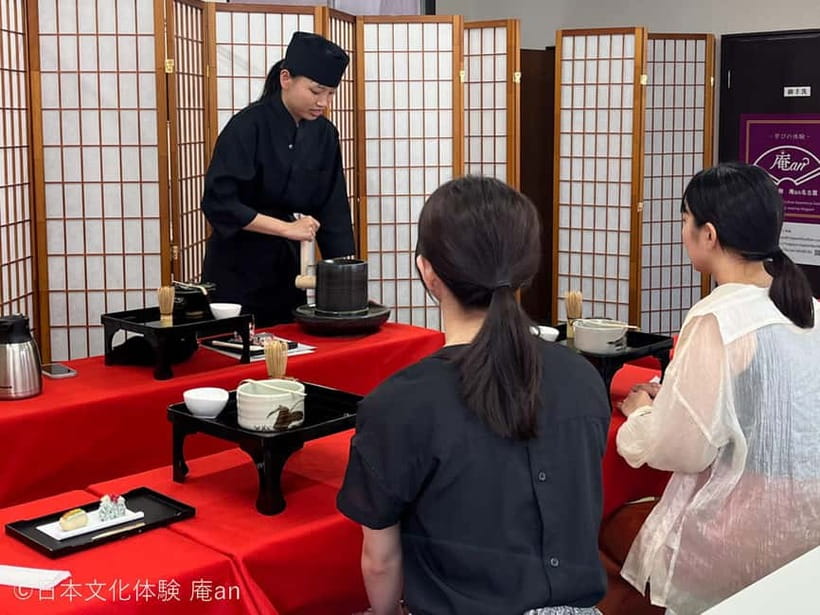
The experience runs about 30 minutes, and the timing is tight. That’s good if you’re busy, but it also means you should treat it like a guided introduction, not a long ceremonial performance.
0:00 to 10 minutes: start, tea explanation, and setting the mood
It begins right on time with tea-related explanation. This is where you learn the basic idea of what you’re about to do, so the later hands-on steps make sense. You’ll get oriented to the goal: preparing matcha carefully and drinking it in a mindful way, even if you’re moving quickly.
If you like cultural activities that feel structured, this part is your map. Without it, grinding and whisking can look like a cool trick. With it, you understand why the ceremony cares about consistency.
10 to 20 minutes: matcha grinding demonstration
Next comes the matcha grinding demonstration. You’ll see how the matcha is prepared, and you’ll get a sense of why grinding matters for texture and aroma. Even if you don’t do the grinding yourself every day at home, seeing the process gives you a mental model for what to expect when you taste.
You’ll also probably feel the difference between powder and drink form immediately. Matcha powder is intense and fragrant; the drink is smoother, calmer, and more balanced once whisked.
20 to 30 minutes: tea-ceremony experience, picture time, and enjoying your sweets
Then you move into the tea-ceremony experience portion. This is the participatory part—making your own matcha and taking your turn in the tasting moment.
Around the time the session reaches the later portion, there’s picture time. That’s a nice touch for sharing the memory, especially because tea ceremony setups are visually photogenic.
You also get the eating/drinking time—this is when the ohigashi and matcha pairing becomes the main event. After that, the room departure happens and the session ends.
One caution: because the entire experience is short, you shouldn’t expect every step to be taught with the same depth as a full-length private ceremony. You’re learning the essentials fast, with a calm pace rather than a slow ceremonial pace.
Location near Kokusai Center Station and Nagoya Station: easy to fit into a day
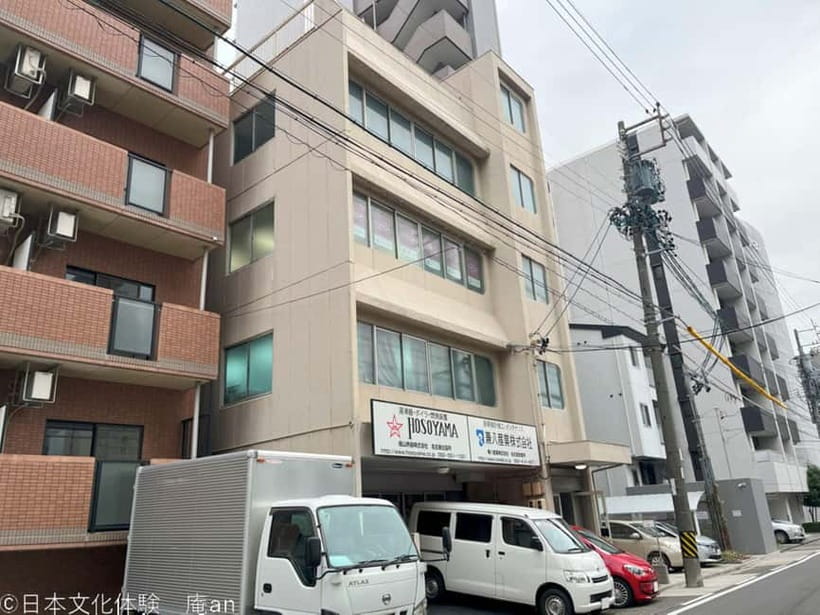
The meeting point is very convenient for city exploring. It’s a one-minute walk from Exit 3 of Sakura-dori Line Kokusai Center Station. It’s also about a 13-minute walk from Sakura-dori side of Nagoya Station.
That matters because Nagoya sightseeing can move you around a lot. A ceremony that’s easy to reach means you can schedule it without building a whole half-day around transport.
Exact location details are given too: the venue is at coordinates 35.1715323, 136.891893.
My practical advice: if you’re coming from Nagoya Station, pick one landmark line and stick to it. When you only have 30 minutes total, getting turned around for five or ten minutes can feel stressful.
Communication and instruction: what the English support is like
The instructor is Japanese, and English translation is provided as much as possible. In recent bookings, participants specifically praised the guide’s English and felt they learned a lot about matcha.
So if you’re worried you’ll understand nothing, you’re likely to be okay. Tea ceremony has some universal themes—whisking technique, tasting, and pacing—but the “why” is what makes it click. The stronger the language support, the more you’ll get out of the experience.
That said, English support is not described as fully guaranteed in every moment. If you’re very language-dependent, be ready with one or two key questions in mind, like how to interpret bitterness and aroma, or what the sweet is meant to balance.
What might feel different than your mental picture
This is where I like to be honest so you can decide confidently.
One piece of feedback points out that the room setup may not match the traditional tea ceremony setting you might expect, and that the experience can feel quick—especially when the group is small. If you wanted a slow, highly dramatic atmosphere with lots of formal pauses and long guided symbolism, you may leave wishing it lasted longer.
Also, this experience is set up as a flexible cultural activity. From one person to a group, everyone can join, and that flexibility often leads to a more streamlined program.
My take: if your goal is learning the basics, making matcha, and tasting ohigashi in a calm moment, it delivers. If your goal is recreating an ultra-traditional, long-form ceremony as entertainment, you may find it too short.
Price and value: is $7 for tea ceremony actually a good deal?
Let’s talk value plainly. The price is listed as $7 per person, and the experience is 30 minutes. You’re not just paying for a drink. You’re paying for a guided cultural activity that includes matcha grinding demonstration, hands-on tea ceremony participation, and ohigashi.
What makes it feel like good value is that it includes both instruction and participation. Many “cultural” activities are mostly watching or mostly eating. Here you get both the process and the payoff.
Could it be worth more if it were longer or in a more traditional venue? Possibly. But for fitting into a Nagoya itinerary, a short, guided, included-sweets experience at this price is the kind of bargain that makes travel feel efficient—in the best way.
Who should book this Nagoya matcha experience
This is a great pick if you:
- want a hands-on cultural activity that won’t swallow your day
- like food-and-drink experiences that come with guided tasting
- enjoy matcha but want to learn how it’s made and why tea ceremony emphasizes process
- are traveling solo, as the format supports one person to a group
It may be less ideal if:
- you want a long, slow, highly formal tea ceremony with lots of symbolic explanation
- you’re very sensitive to atmosphere and want a specific traditional room style
- you need step-free access, since the venue is on the 3rd floor and there’s no elevator
Practical tips so your 30 minutes go smoothly
Here are a few small moves that will help you make the most of the short schedule.
- Arrive early enough to find the 3rd floor without rushing. There’s no elevator, so time matters for stairs.
- Keep your phone ready for picture time, but don’t let photos replace tasting. The sweet and matcha pairing is the point.
- If you care about the certificate: the experience completion certificate is not included. You’ll pay 300 JPY for it if you want one, and you can request nominative names in advance.
And a mindset note: tea ceremony is a pause. Even if it’s only 30 minutes, treat it like a mini reset between sightseeing stops.
Should you book this tea ceremony in Nagoya?
I’d book it if you want a quick, guided, authentic-feeling matcha experience that fits into a busy Nagoya itinerary. The combination of making matcha, using single-origin special matcha, and enjoying ohigashi for the tasting moment gives you more than a basic demo.
Skip it only if you’re chasing a long, highly traditional ceremony atmosphere. This one is streamlined by design, and the best way to judge it is by what it actually offers: a short cultural break where you learn the essentials, participate, and taste thoughtfully.
If you’re unsure, think of it as a matcha crash course with a tasting pairing. In that role, it’s excellent value.
FAQ
How long is the tea ceremony experience?
The experience lasts about 30 minutes.
What does the price include?
The set includes the tea ceremony experience, including a matcha grinding demonstration.
What is the meeting point location?
You’ll meet about a 1-minute walk from Exit 3 of Sakura-dori Line Kokusai Center Station, or about a 13-minute walk from the Sakura-dori side of Nagoya Station. The venue is on the 3rd floor.
Do they provide English translation?
English translation is provided as much as possible. The instructor is Japanese.
Is there an elevator to the venue?
No. The venue is on the 3rd floor, and there is no elevator.
Is there an option for a completion certificate?
Yes. An experience completion certificate costs 300 JPY and is not included in the base price. If you want a nominative certificate, you should provide your names in advance.