REVIEW · WELIGAMA
Weligama: Pottery Workshop with Tea and Snacks
Book on GetYourGuide →Operated by DONGA · Bookable on GetYourGuide
Your hands will get messy fast. This Weligama pottery workshop is a real-life, potter-at-home experience, not a factory-style class. I especially like the time on the potter’s wheel and the friendly, family-style hospitality you get along the way. One thing to consider: it’s not a western studio, and glazing or instant firing isn’t part of the session.
Expect a warm, practical lesson hosted by a couple who’ve been making pottery since their teens. You’ll learn the process behind Sri Lankan pottery, then end with tea and sweet snacks, plus a pottery souvenir from the master potters.
In This Review
- Key Highlights You’ll Care About
- Why This Weligama Pottery Lesson Feels Real
- From Kumbalgama Railway Station to the Workshop in Kotapola
- The 2-Hour Pottery Session: Clay Prep, Wheel Work, and What Gets Explained
- The Part Where Instant Glazing Isn’t Included (and Why It Still Works)
- Tea and Sweetmeats: The Real Reward After Wheel Work
- What You Take Home: Master-Potter Souvenirs vs. Your Finished Item
- Price and Value: Why $40 Can Be a Fair Trade
- Who Should Book This Pottery Workshop (and Who Might Skip It)
- Practical Tips for a Smooth, Low-Stress Visit
- Book It or Skip It? My Decision Guide
- FAQ
- Where does the pottery workshop start?
- How long is the experience?
- What’s included in the price?
- Can I glaze or instantly kiln my own piece during the class?
- Do I take home pottery made by the master potters or only what I make?
- What languages are the instructors available in?
- Is the workshop wheelchair accessible?
- Is this a private group?
- Are there any restrictions during the workshop?
Key Highlights You’ll Care About
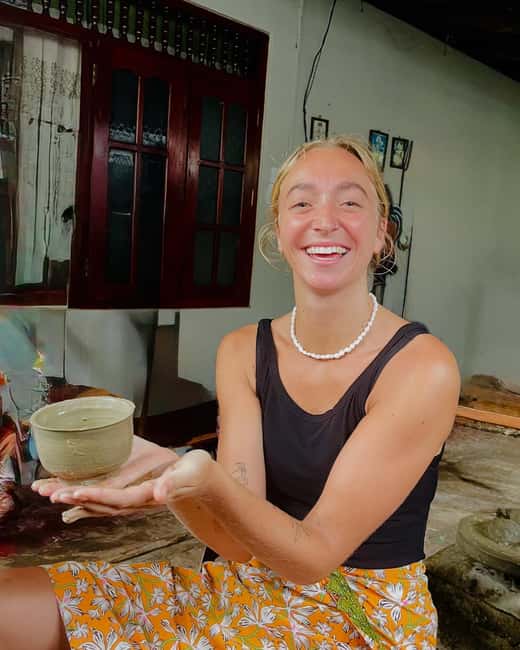
- Potter’s wheel time in a traditional home setting, with patient guidance
- Clay prep and process basics, including kiln talk and how work actually gets made
- Tea and local sweetmeats at the end, plus a relaxed chat
- Kids get mini-pot paint, so younger hands can join in
- A take-home souvenir created by the master potters, even without glazing
Why This Weligama Pottery Lesson Feels Real
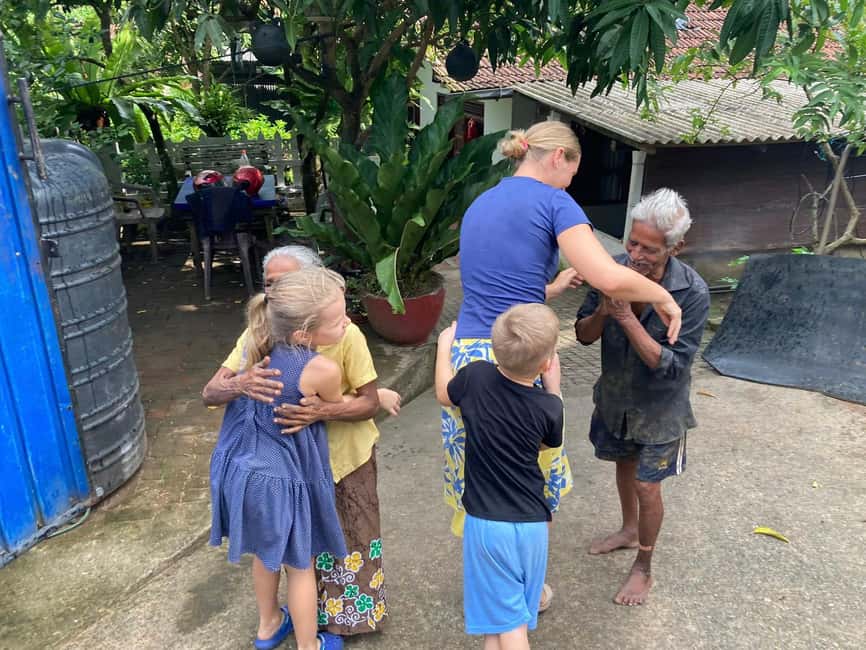
Pottery classes can turn into a quick photo stop. This one moves at a more human pace. You’re working in Kotapola, inside a potter’s home environment, where the lesson comes from daily life and long practice.
Two details make it feel meaningful. First, you spend real time on the wheel, not just watching someone else do the hard part. Second, you learn the “why” behind the craft, including how Sri Lankan pottery fits together from clay preparation to kiln-related steps.
The only catch is the expectations gap. If you’re picturing a western studio where you throw, glaze, and then pick up a finished item, that’s not the setup here. You’re creating during the workshop, but glazing and instant kilning aren’t offered.
From Kumbalgama Railway Station to the Workshop in Kotapola
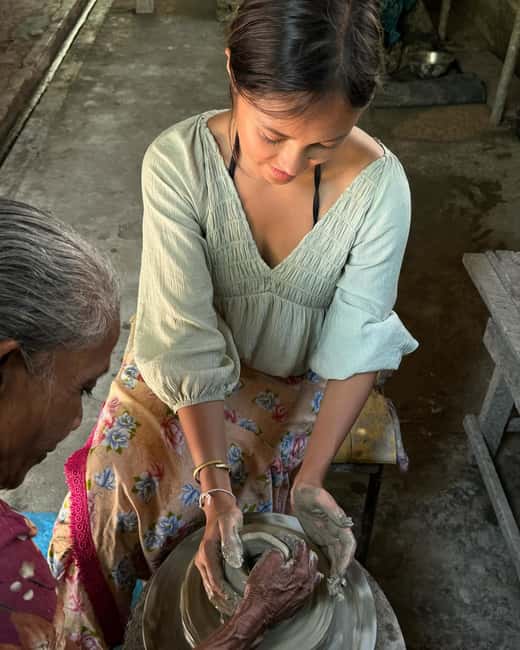
Your day starts at Kumbalgama Railway Station. A representative meets you there and guides you to the workshop home. For timing, the whole experience runs about 2.5 hours, with two hours for the pottery work and 30 minutes for snacks and tea.
This start point is handy if you’re already moving around the Weligama area by rail or you’d rather keep things simple. It also means you’re not stuck hunting for a studio address in the middle of a neighborhood.
Because it’s a private group, you’re less likely to feel rushed by a full schedule of strangers. That helps with hands-on activities like wheel work, where you want a bit of extra attention.
The 2-Hour Pottery Session: Clay Prep, Wheel Work, and What Gets Explained
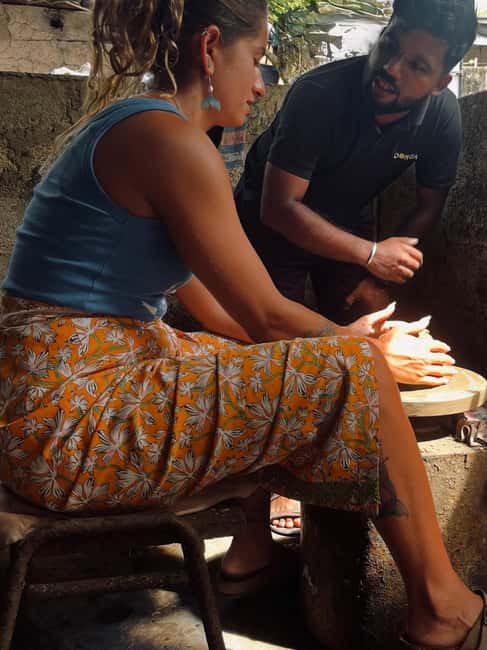
The workshop block is where the experience earns its keep. You’ll begin with clay preparation—how to ready the clay for working on the wheel. This isn’t just a warm-up. It’s the part that decides whether the clay behaves or fights back.
After that, you get onto the traditional potter’s wheel and try your own piece. You’ll have guidance on how to shape and manage the motion while the clay is alive and workable. Even if your first attempt looks like something abstract, that’s normal. Wheel pottery rewards patience more than perfection.
What I like is that the lesson includes the story and structure behind the craft. You’ll hear about the history and process of pottery making in Sri Lanka, not only the physical steps. That turns the time at the wheel into something you understand, not just something you do.
The Part Where Instant Glazing Isn’t Included (and Why It Still Works)
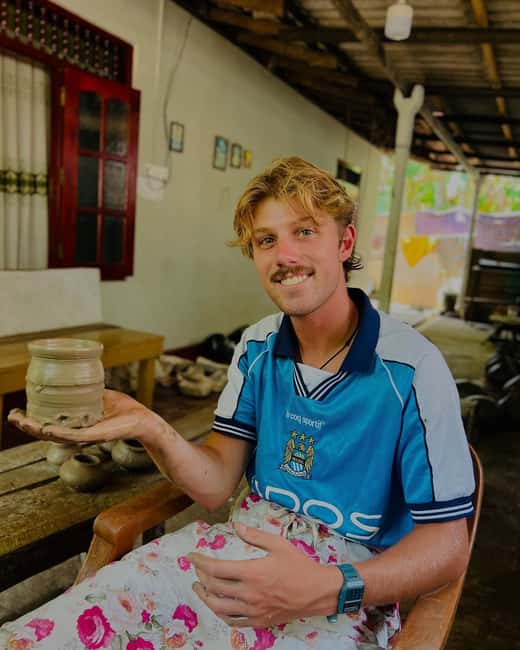
Here’s the detail that changes expectations: glazing or instant kilning isn’t available during the workshop. You won’t leave with a fully finished, glazed, fired version of what you make in that moment.
Instead, you’ll be able to take home a pottery piece made by the master potters. That means the souvenir is still part of the experience, but it’s finished work created by people who do this as their craft every day.
Why is that a good thing? Because it lets you focus on the hands-on learning without turning the class into a rushed assembly line. You’re learning the process and practicing the wheel, while the firing and finishing stay within the potters’ real workflow.
Tea and Sweetmeats: The Real Reward After Wheel Work
After the pottery time, you get tea and local sweetmeats. This is more than a snack break. It’s the moment where the lesson shifts from “lesson mode” into “people mode.”
The host provides a chance to chat, and the pace feels friendly rather than transactional. If you care about getting context for life in rural Sri Lanka, this pause matters. You’re not just consuming an activity; you’re sharing time with the family running it.
If you come with kids, this is also where you’ll see the mini-pot painting. Kids get paint to decorate their own mini-pots, which is a smart way to include them even if wheel work is meant for older participants.
What You Take Home: Master-Potter Souvenirs vs. Your Finished Item
The take-home piece is an important point, so you don’t go in with a “pick up my exact creation” assumption. You’ll receive a pottery piece made by the master potters. That’s separate from any pottery you might buy later (personal purchases aren’t included).
This setup can feel slightly different from classes where your final item is the star. But it also protects quality. Master potters handle the finishing steps, so the souvenir you bring home looks like the best version of the craft.
I also like that it connects to the workshop’s bigger purpose. Participating supports local potters and helps motivate the next generation of artisans, including the families behind the work.
Price and Value: Why $40 Can Be a Fair Trade
The price is $40 per person for a total of about 2.5 hours, including two hours of hands-on instruction plus tea and local sweet snacks. On paper, that’s a lot or a little, depending on what you expected when you booked.
Here’s why I think it’s good value for the right traveler. You’re paying for instruction, time on the wheel, and a learning-focused experience in a non-commercial setting. You also get a finished pottery souvenir from the master potters, which would cost more elsewhere.
And there’s the community angle. This isn’t a big studio with a “tourist assembly” vibe. Your payment supports the potters running their craft and teaching it forward through family involvement. That’s the kind of value that doesn’t show up as a line item, but you feel it in how the day is structured.
Who Should Book This Pottery Workshop (and Who Might Skip It)

This is a great fit if you like:
- hands-on learning over passive sightseeing
- short, meaningful experiences instead of full-day commitments
- authentic places that don’t pretend to be something they aren’t
- conversations in English or French with a guide/instructor who can explain clearly
It may be less ideal if you want a western-style pottery workflow where you throw, then glaze and fire on the spot. Since instant kilning isn’t part of the schedule, you shouldn’t expect that your exact thrown item becomes a finished, glazed piece you pick up immediately.
It’s also not suitable for babies under 1 year, which is worth keeping in mind if you’re traveling with a very young infant.
If you want, I’d frame it like this: book this for the wheel time and the culture, not for the instant finished artifact.
Practical Tips for a Smooth, Low-Stress Visit
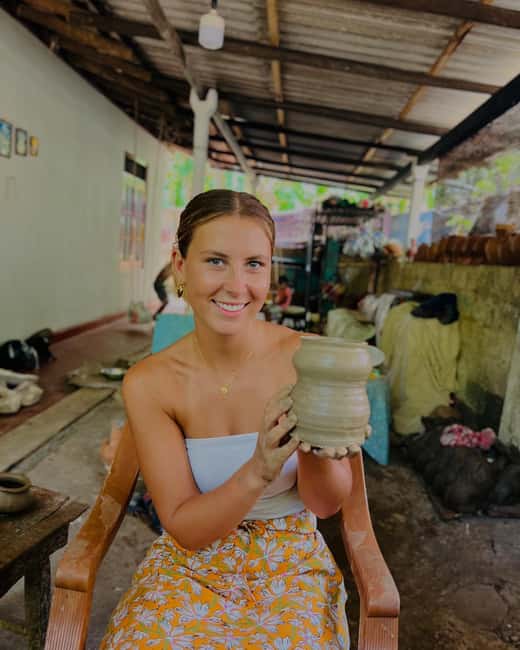
A few practical details will make the day easier.
First, treat it like a real workshop, not a clean classroom. You’ll be working with clay, and clay is stubborn. Wear clothing you don’t mind getting dusted or slightly stained.
Second, keep the “rules of the space” in mind. The experience doesn’t allow sharp objects, weapons, intoxication, alcohol or drugs, nudity, or see-through clothing. It’s also a safety and respect standard, not just paperwork.
Third, wheelchair accessibility is listed, so the experience is designed to work for wheelchair users. Still, because you’re in a traditional home environment and working near pottery tools and workspace, you might find it helpful to communicate any specific mobility needs at booking.
Fourth, it’s a private group. That means the schedule stays yours. If you’re the type who likes a slow pace and questions, this format helps.
Lastly, consider languages. Instruction is available in English and French. If you’re comfortable in either, you’ll get more out of the explanations.
Book It or Skip It? My Decision Guide
I’d book this pottery workshop if you want a short, hands-on art experience that feels tied to real life. You’re going to spend focused time on the wheel, learn the process behind Sri Lankan pottery, and finish with tea and snacks in a family setting. The $40 price makes sense because you’re not only paying for entertainment—you’re supporting working potters and bringing home a finished pottery souvenir.
I’d skip it if your priority is a studio-style workflow with glazing and instant firing, or if you need everything to feel like a polished western ceramics space. This isn’t that. It’s a traditional home workshop, and that’s exactly what makes it special.
If you’re still unsure, ask yourself one question: do you want the experience of learning and practicing, or do you only care about leaving with a glazed item made by your exact hands that same day? Choose based on that, and you’ll land on the right side of the trade-off.
FAQ
Where does the pottery workshop start?
The meeting point is Kumbalgama Railway Station, where a representative meets you.
How long is the experience?
The full experience lasts about 2.5 hours, including 2 hours of workshop time and 30 minutes for tea and snacks.
What’s included in the price?
You get a hands-on pottery workshop, history of the pottery tradition, clay preparation process, time on the potter’s wheel, a pottery piece made by the master potters, tea and local sweetmeats, and paint for kids to decorate mini-pots.
Can I glaze or instantly kiln my own piece during the class?
No. Glazing and instant kilning are not available.
Do I take home pottery made by the master potters or only what I make?
You take home a pottery piece made by the master potters. Personal pottery purchases are not included.
What languages are the instructors available in?
The instructor supports English and French.
Is the workshop wheelchair accessible?
Yes, the experience is listed as wheelchair accessible.
Is this a private group?
Yes, it’s offered as a private group experience.
Are there any restrictions during the workshop?
Yes. Weapons or sharp objects, intoxication, alcohol and drugs, fireworks or explosives, nudity, and see-through clothing are not allowed.