REVIEW · NAGOYA
Experience Japanese calligraphy & tea ceremony at a traditional house in Nagoya
Book on Viator →Operated by 蝶ノ屋 · Bookable on Viator
Ink, brush, and matcha in Nagoya. I like how the Japanese calligraphy lesson is hands-on and how the tea ceremony flows from watching to doing. One small consideration: you should expect a calm, focused experience more than a fast sightseeing stop, so it’s not built for rushing.
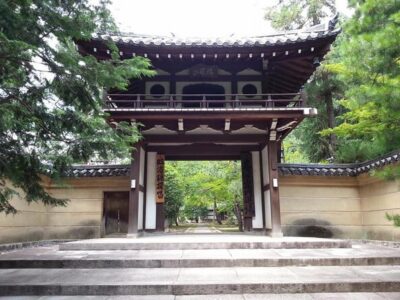
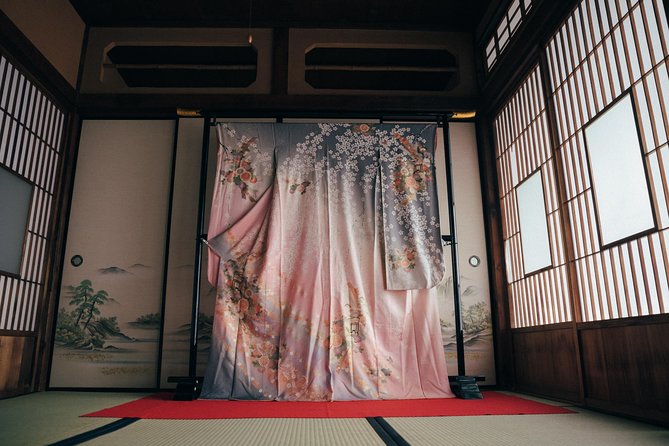
This is set inside a real traditional house, a kominka, with tatami mats, shoji paper screens, and a quiet traditional garden feel. That matters, because the atmosphere keeps you from treating calligraphy and tea like a checklist. It also makes the short historical talk feel more grounded.
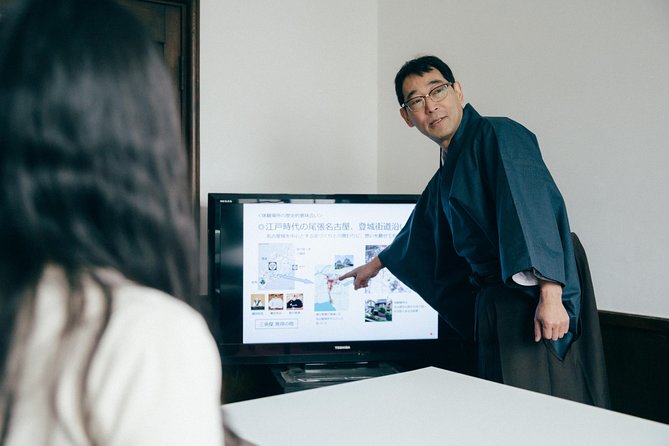
Before the brushwork starts, you get about 15 minutes of simple English commentary with slides on Nagoya and the Sengoku period—when Owari produced big names like Oda Nobunaga, Toyotomi Hideyoshi, and Tokugawa Ieyasu. The hosts (including Yuzo Mori and his wife) also set the tone with warm hospitality, which is a big reason this gets top marks.
In This Review
- Key Highlights You’ll Actually Care About
- Why This Nagoya Calligraphy and Tea Session Feels More Human
- The one thing to consider
- The 15-Minute Sengoku Period History Briefing (And Why It Works)
- Japanese Calligraphy: From Inkstone to a Framed Souvenir
- Step-by-step: how the lesson actually starts
- Choosing what you write
- The final product: clean copy framed for you
- The Tea Ceremony Experience: Matcha as Guest, Matcha as Host
- First: you try matcha served by the host
- Then: you serve tea yourself
- Price and Value: What $179.63 Buys You (And What It Doesn’t)
- Timing and Logistics: A Two-and-a-Half-Hour Reset in Nagoya
- Where to meet
- What the flow feels like
- Small Group Size: Why Up to 6 People Matters Here
- Who This Works Best For (And Who Might Want Something Different)
- A Few Practical Notes Before You Go
- Allergies and sweets
- Can you participate if you’re a beginner?
- Souvenir expectations
- Should You Book This Nagoya Calligraphy and Tea Ceremony?
- FAQ
- What is the duration of the Japanese calligraphy and tea ceremony experience in Nagoya?
- What’s included in the price?
- Do I get to take home anything from the calligraphy?
- What happens during the tea ceremony?
- Where do I meet, and is it easy to reach?
- How big is the group?
- What if I have an allergy?
- Can I get a refund if I cancel?
Key Highlights You’ll Actually Care About
- A kominka house setting with tatami and shoji, not a generic studio room
- Sengoku-era history slides (about 15 minutes) to give meaning to what you’re learning
- Real calligraphy steps: inkstone, ink-stick rubbing, then your character framed for you
- Matcha first, then you serve—you go from guest to participant in the tea room
- Small group size (up to 6) so instructions stay personal
- Included matcha, Japanese sweets, and calligraphy tools so you don’t start paying extras
Why This Nagoya Calligraphy and Tea Session Feels More Human
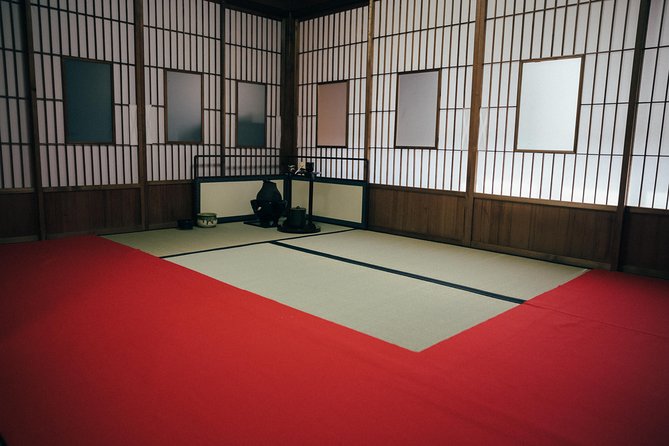
The biggest “wow” here isn’t flashy presentation. It’s that you’re doing arts that traditionally happen slowly, in quiet spaces. Inside a Nagoya kominka, the tatami and shoji screens do something practical: they slow your pace down for you. You feel like you’re stepping into a working home, not a staged attraction.
I also like that the experience doesn’t separate skills from context. You get a short history briefing first, so your calligraphy and tea aren’t just pretty activities. They become ways to understand Japanese culture—especially in the Owari region tied to the Sengoku period.
You can also read our reviews of more tours and experiences in Nagoya.

The one thing to consider
If you’re hoping for a lively, high-energy “tour day,” this is likely not your vibe. The value is in calm attention: brush control, ink preparation, and tea etiquette all take focus.
The 15-Minute Sengoku Period History Briefing (And Why It Works)
You’ll start with a short history commentary—about 15 minutes—supported by an easy-to-follow slide show. The theme is Nagoya and the Owari district during the Sengoku period, the era when powerful feudal lords shaped Japan.
You’ll hear the names that matter most for this region: Oda Nobunaga, Toyotomi Hideyoshi, and Tokugawa Ieyasu. The point isn’t memorizing dates. It’s understanding why samurai culture and discipline influenced daily life, including refined practices like calligraphy and formal tea rituals.
This segment is valuable because it changes how you watch and participate. When you understand the cultural background, the room stops feeling like a themed set. You’re learning how people in this area thought and practiced their values.
Japanese Calligraphy: From Inkstone to a Framed Souvenir
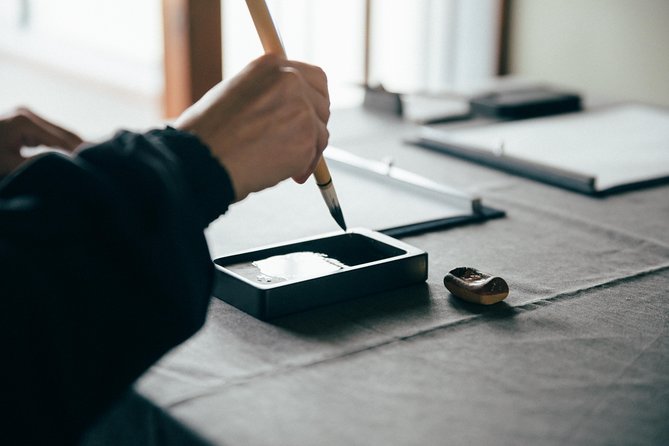
This is the part most people remember, and for good reason. The calligraphy lesson is structured like a real mini-practice: preparation first, then technique, then your choice.
Step-by-step: how the lesson actually starts
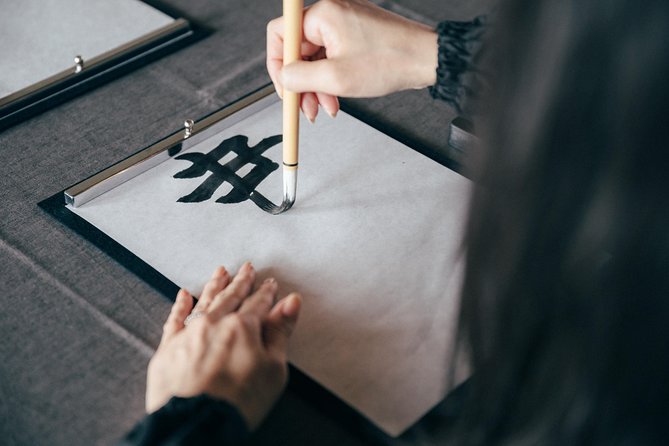
You’ll begin by dripping water onto the inkstone and then rubbing down the ink-stick slowly. You’ll also notice the smell of the ink—sharp, earthy, and very specific. In a quiet house like this, that sensory detail helps you slow down and concentrate.
Then you learn the basics of holding and moving the brush. The goal is simple: make your strokes controlled. You don’t need prior experience. The instruction is designed for a broad range of people, and the small group size keeps things manageable.
Choosing what you write
After the fundamentals, you pick symbols with a meaning you like and designs you like from sample options. This is a smart detail because it turns the experience into something personal. Your calligraphy isn’t just someone else’s idea of a good souvenir—it’s your own selection of a character or theme.
The final product: clean copy framed for you
You’ll write on a clean copy, and then your finished work is framed as a souvenir. That’s a key value point. Many craft activities hand you something that looks like it was made in the moment. Here, the framed result makes it easier to take home and display.
Practical tip: if you have a strong preference for a specific character or meaning, think about it before you arrive. You’ll move faster once you’re in the quiet, focused calligraphy flow.
The Tea Ceremony Experience: Matcha as Guest, Matcha as Host
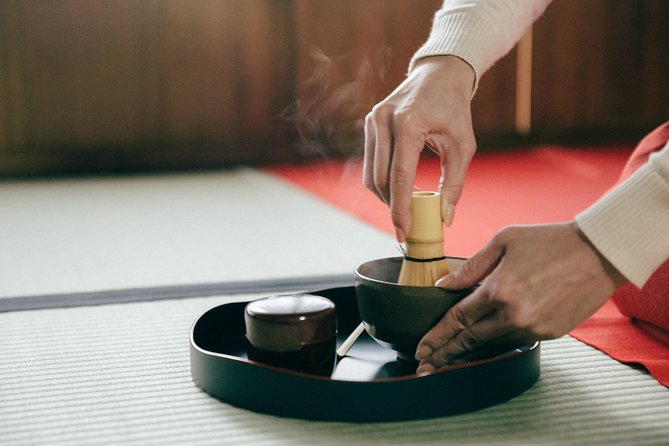
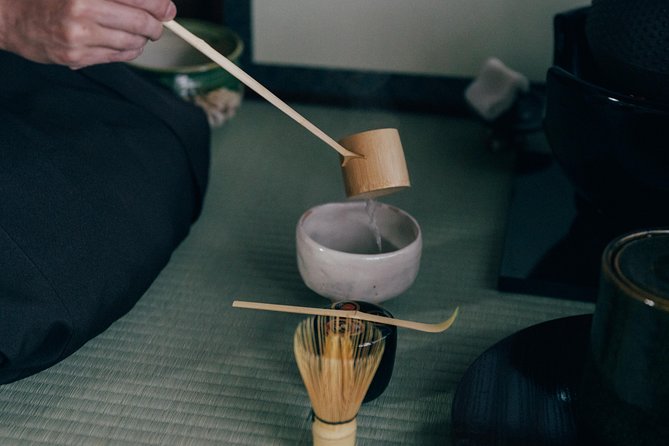
After calligraphy, you move into the tea room. This isn’t just “watch and sip.” You get an explanation of the tea room setting and utensils first, so you’re not guessing what you’re seeing.
First: you try matcha served by the host
You’ll be served matcha tea as a guest. This gives you a baseline for taste and pacing—how it should feel, how it should be served, and how the room expects you to behave during the ceremony.
The experience is praised for the tea itself, so don’t treat the matcha as a token drink. Take your time with it. The tea ceremony rhythm is part of the learning.
Then: you serve tea yourself
Once you get used to the atmosphere, you’ll try serving tea. That handoff—from guest to host—is where a lot of the meaning comes in. You’ll calm your mind, follow the flow, and feel what it’s like to guide the moment rather than just receive it.
If you’re someone who enjoys learning through action (not just listening), this part is especially satisfying. You’re practicing manners and attention, not memorizing lines.
Price and Value: What $179.63 Buys You (And What It Doesn’t)
At $179.63 per person for about 2 hours 30 minutes, you’re paying for more than a “thing to do.” You’re paying for three layers of instruction and materials:
- a short English-friendly history slide briefing (about 15 minutes)
- all calligraphy tools (and guidance through inkstone setup and brush technique)
- matcha tea plus Japanese sweets
- a framed calligraphy result as part of the experience
That’s why this can feel like good value even though the price is higher than many single-activity workshops. You’re not just paying for materials—you’re paying for time, room setting, and the step-by-step coaching.
What you shouldn’t count on: souvenir shopping. There’s a note that souvenirs aren’t included, but your calligraphy souvenir framed from your work is part of the experience flow. In other words, plan on what you make and what you’re served, not an extra purchase stop.
Timing and Logistics: A Two-and-a-Half-Hour Reset in Nagoya
This session runs for about 2 hours 30 minutes. You’ll start and end at the meeting point, so it’s easy to plan around it.
Where to meet
Meet at:
4-chōme-32 Yamawakichō, Showa Ward, Nagoya, Aichi 466-0063, Japan
It’s noted as being near public transportation, which matters because you don’t want to waste energy hunting down a quiet house right before you start handling ink and tea utensils.
What the flow feels like
You’ll move in sequence:
1) history slides and talk (around 15 minutes)
2) calligraphy preparation and writing
3) tea room intro, matcha tasting, then you serve
The structure keeps you engaged without turning it into a rushed conveyor belt.
Small Group Size: Why Up to 6 People Matters Here
This activity caps at 6 travelers. That’s not just a comfort detail—it changes the quality.
With fewer people, the instruction can stay practical. For calligraphy, grip and stroke control are personal. For tea, the way you move through the utensils matters. A smaller group gives you better chances to ask a question and get adjustments early.
It also makes the house feel quieter. In a kominka setting, that quiet isn’t background. It’s part of the training.
Who This Works Best For (And Who Might Want Something Different)
This is a great match if you:
- want a cultural experience tied to place (Nagoya and Owari)
- enjoy hands-on learning more than passive sightseeing
- like calm activities where you slow down and pay attention
It’s also ideal if you’re traveling with a group size that can’t realistically do a private class. Up to 6 still feels personal.
It might be less ideal if you:
- want something fast and flashy
- are looking for a standard walking tour with lots of stops and views
- prefer purely observational experiences with no hands-on serving
A Few Practical Notes Before You Go
Allergies and sweets
Matcha comes with Japanese sweets. If you have allergies, tell the provider in advance. This is especially important because you’ll be in a traditional setting where substitutions may not be something you can assume on the spot.
Can you participate if you’re a beginner?
The experience notes that most people can participate. If you’ve never held a calligraphy brush or served tea, that’s fine. The lesson is built around basics and guided steps.
Souvenir expectations
Souvenirs from shops aren’t included. The framed calligraphy from your own writing is part of the experience, but don’t expect an extra take-home bag beyond that.
Should You Book This Nagoya Calligraphy and Tea Ceremony?
I’d book it if you want an experience that teaches you something cultural and practical in a real Nagoya home. The combination of short Sengoku history context, a guided calligraphy session, and a tea ceremony that shifts from guest to serving is a strong package for the money.
Skip it if you’re chasing a high-energy day or if you need lots of time outdoors and walking. This one is about focus, manners, and craft. If that sounds like your kind of travel, you’ll leave with a framed piece of your own work and a matcha experience you actually participated in.
FAQ
What is the duration of the Japanese calligraphy and tea ceremony experience in Nagoya?
It lasts about 2 hours 30 minutes (approximately).
What’s included in the price?
Coffee and/or tea is included, including a bowl of matcha tea and Japanese sweets, plus all tools of Japanese calligraphy.
Do I get to take home anything from the calligraphy?
Yes. Your calligraphy on the clean copy is framed as a souvenir.
What happens during the tea ceremony?
You’ll be introduced to the tea room setting and utensils, taste matcha first as a guest served by the host, and then you’ll try serving tea yourself.
Where do I meet, and is it easy to reach?
You meet at 4-chōme-32 Yamawakichō, Showa Ward, Nagoya, Aichi 466-0063, Japan. It’s described as near public transportation.
How big is the group?
The experience has a maximum of 6 people.
What if I have an allergy?
Some sweets are provided. You should tell the provider in advance about any allergies.
Can I get a refund if I cancel?
This experience is non-refundable and cannot be changed for any reason. If you cancel or ask for an amendment, the amount paid will not be refunded.