REVIEW · NAGANO
Half-Day Zenkoji Tour with Tea Experience
Book on Viator →Operated by Snow Monkey Resorts Tours (Machinovate Japan Ltd.) · Bookable on Viator
A temple and tea in one tight plan.
If you’re trying to feel Nagano fast, this half-day route gives you Zenko-ji plus local food and drink without dragging your feet all day. I like that the schedule is compact: you get a proper guided walk through the temple area, then you shift gears to tasting and hands-on tea. Two things I especially like are the goma prayer fire ceremony as part of the temple visit, and the fact that the tea experience includes making your own matcha, not just watching.
The one thing to think about is walking. It’s not a sit-and-glide tour, and the stops are close but you still move from place to place—so if you don’t like walking, this may feel like too much for your comfort level.
In This Review
- Key highlights you’ll actually remember
- How this Zenkoji + tea plan fits Nagano first-timers
- Price and what you’re getting for $121.50
- The 12:15 pm start: what the meeting point means for your timing
- Stop 1 at Ogawanoshodaimonten: oyaki that’s part science, part comfort food
- Zenko-ji Temple: guided explanations plus the goma prayer fire ceremony
- The standout: the goma prayer fire ceremony
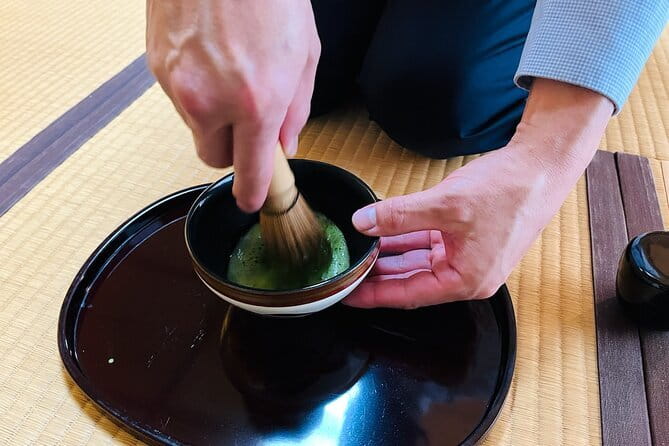
- Patio Daimon matcha: make your own, then taste the results
- Who this tour suits best (and who should skip it)
- What to do before you go to make the day smoother
- Should you book this Zenkoji and tea half-day tour?
- FAQ
- How long is the Zenkoji tour with tea experience?
- Where do I meet for the tour?
- What’s included in the tour?
- Is transportation included?
- What does the tea experience involve?
- How many people are in the group?
Key highlights you’ll actually remember
- Zenko-ji guided tour focused on Buddhism in Japan, with a guide to translate what you’re seeing
- Goma prayer fire ceremony included during the temple visit
- Oyaki lunch with two dumplings, plus a look at the buckwheat/rice-dough base and common fillings
- Sake tasting at a local brewery stop
- DIY matcha at Patio Daimon, paired with traditional sweets
- Small group (max 8) for a more personal pace and easier Q&A
How this Zenkoji + tea plan fits Nagano first-timers
Nagano can be a little intimidating at first: you hear big names, you see big temples, and then the day disappears into trains and transit logistics. This tour is built to avoid that. You start at 12:15 pm in Nagano and finish after about 4 hours, with three clear “chapters” that flow from food to faith to tea.
What makes it work well is balance. You get time at Zenko-ji for context, not just a quick photo stop. Then you get practical, taste-based experiences—oyaki, sake, and matcha—that make the day feel local instead of purely sightseeing.
Price and what you’re getting for $121.50
At $121.50 per person, this is not a budget-only outing. The value is in the package: you’re paying for an English-speaking guide, guided temple content, and multiple included tastings/experiences.
Here’s the breakdown of what’s covered:
- Guided tour of Zenko-ji (with admission handled as part of the tour plan)
- Goma prayer fire ceremony
- Simple lunch: two oyaki
- Sake tasting
- Tea experience at Patio Daimon: matcha plus traditional sweets, and you make your own matcha
- Admission ticket included for the first stop (Ogawanoshodaimonten)
The one cost you should plan for is transportation. The tour does not include transport fees (including Shinkansen to/from Nagano City). So if you’re coming in from elsewhere, your real all-in cost will be your travel to Nagano plus this ticket.
The 12:15 pm start: what the meeting point means for your timing
You meet at Nagano Station (Kurita) at 12:15 pm. That’s a smart anchor because most people already know how to reach the station, and it cuts down on late-day confusion.
The end point is Patio Daimon Kuraniwa in Nagano. That matters because you can plan your evening without doubling back across the city. Just remember: the day is timed, so you’ll want to arrive a few minutes early and keep your transit buffer reasonable.
Also, you’ll receive a mobile ticket, which is handy if you don’t want to hunt for paper tickets while you’re on the move.
Stop 1 at Ogawanoshodaimonten: oyaki that’s part science, part comfort food
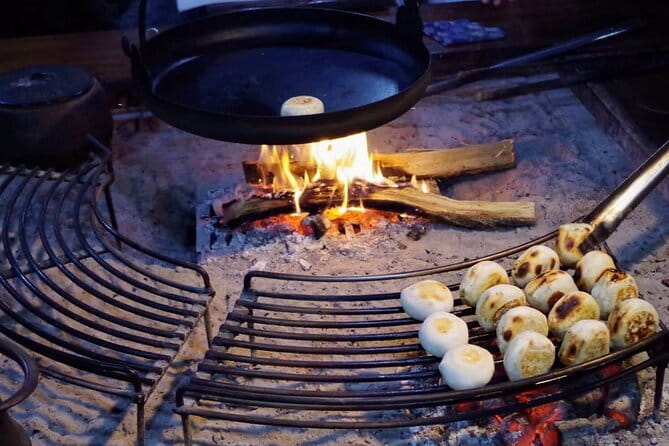
The first stop is Ogawanoshodaimonten (about 1 hour), and it’s where the tour turns food-friendly. Oyaki here are described as dumplings made from fermented buckwheat dough and rice powder, then filled with different options like vegetables, fruit, or anko bean paste.
What I like about starting with oyaki is that it gives you something to understand with your taste buds while your brain is still switching from travel mode to local mode. It’s also a good “explain it with food” setup. When a guide can point out what the dough is made from and what kinds of fillings you’ll find, you stop seeing it as just a snack and start understanding it as a regional style.
During this portion, you’ll also get your lunch: two oyaki. If you’re hungry, this is timed nicely because it’s early enough to keep the rest of the day comfortable, and it’s simple rather than heavy.
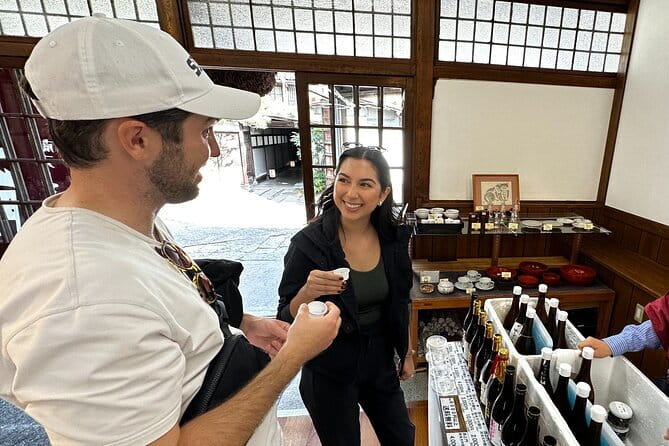
Then the tour moves into sake tasting at a local brewery stop. If you drink, this is a fun way to connect with Nagano’s food culture without turning the day into a bar crawl. (Just pace yourself; you’ll still be sightseeing afterward.)
Practical note: since you’re tasting, I’d keep your own extra food and drinks light for the day unless you know you’ll still be hungry after two oyaki.
Zenko-ji Temple: guided explanations plus the goma prayer fire ceremony
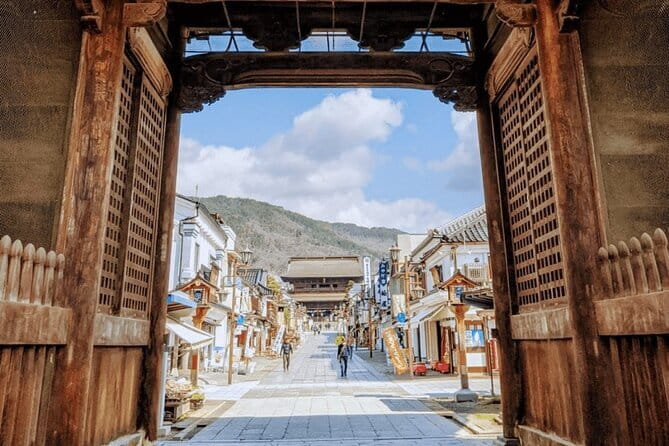
The second stop is Zenko-ji Temple (about 1 hour 50 minutes). The tour description makes one thing clear: this is not just walking through halls and hoping you get it. You get a guided visit where the guide explains the role of Buddhism in Japan in an enjoyable way, while also sharing the temple’s history and what visitors should notice.
That matters because Zenko-ji is the kind of place where your photos will look beautiful—but your understanding will lag unless someone frames it for you. With an English-speaking guide, you’re not stuck guessing what a feature is, why it exists, or what it symbolizes.
The standout: the goma prayer fire ceremony
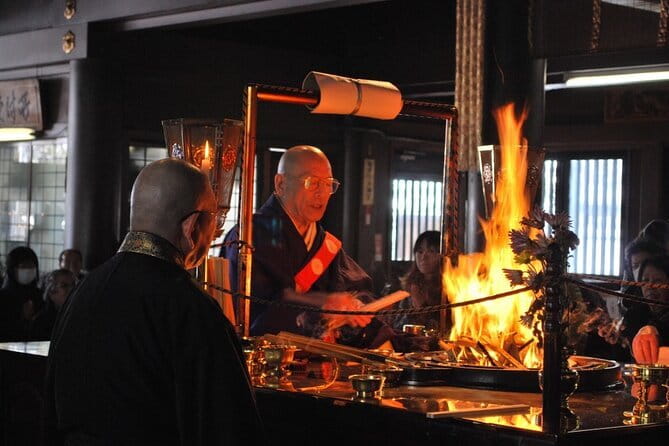
Included as part of the temple visit is the goma prayer fire ceremony. This is one of the moments that makes the tour feel worth it, because it’s active and sensory. You’re not only observing; you’re seeing a ritual that people participate in for prayer and devotion.
If you like religious practices that have a real-life rhythm (sincere, timed, and guided), this portion is likely to be your favorite.
One caution: as with most temple walks, expect some walking on uneven or weather-affected surfaces. Wear shoes you trust. And if you’re sensitive to heat or smoke, the ceremony setting is worth considering—your guide will help you understand what you’re seeing, but you should still dress for the conditions.
Patio Daimon matcha: make your own, then taste the results
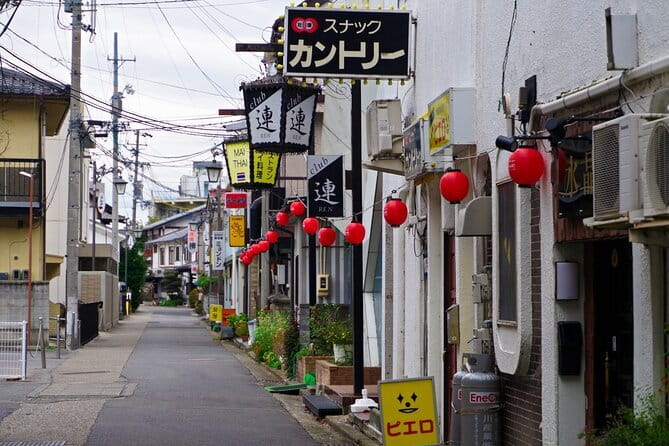
The final stop is Patio Daimon (about 45 minutes). This is where the tour shifts from temple to tea, and it does it in a hands-on way.
You’ll learn the art and performance aspect of the experience and then make your own matcha. You also get the tea experience itself—matcha and traditional sweets are included.
I like this ending because it’s active without being exhausting. After temples and ceremony, your brain is usually ready for something calmer and more tactile. Matcha making gives you a clear payoff: you do the steps, you taste the result, and you can bring the memory home as a repeatable skill.
Also, you don’t just sit with a drink. You’re part of the process. That’s usually where these cultural activities become meaningful, not just decorative.
Who this tour suits best (and who should skip it)
This tour is a good fit if:
- You want a guided taste of Nagano that mixes Zenko-ji + food + tea
- You like structured time (about 4 hours) rather than an all-day temple marathon
- You enjoy rituals you can understand, not just photograph
- You’re comfortable walking between stops
It’s not ideal if:
- You don’t like walking much (this is the most common drawback to watch for)
- You’re hoping for zero-tasting, because oyaki lunch and sake tasting are both built into the plan
- You want a lot of free time at each location to wander independently (the schedule is tight)
The group size cap of 8 travelers helps. Smaller groups usually mean your guide can answer questions without everyone melting into the background.
What to do before you go to make the day smoother

You can’t control weather, but you can control your comfort. Here’s what helps based on how this tour flows:
- Wear comfortable shoes. There’s enough movement that footwear matters.
- Plan your other meals lightly. Two oyaki plus sweets will take care of you, and you don’t want to feel overstuffed during tea-making.
- If you prefer lighter drinks, pace your sake tasting. You’ll still be touring afterward.
- Bring a light layer. The temple area and ceremony space can feel different from inside tea settings.
If you like keeping things simple, this tour is already set up that way: three stops, guided explanations, and included food/drink.
Should you book this Zenkoji and tea half-day tour?
Yes, if you want a well-timed introduction to Nagano that doesn’t skip the important bits. I’d book it for three reasons: you get a real guided Zenko-ji visit, you don’t miss the goma fire ceremony, and the day ends with a hands-on matcha experience plus sweets.
I wouldn’t book it if walking is a deal-breaker for you, because even though the stops are close, the tour still asks you to move. Also, if you strongly dislike sake or don’t want any tastings, this package won’t feel like it’s built for you.
FAQ
How long is the Zenkoji tour with tea experience?
The tour runs for about 4 hours.
Where do I meet for the tour?
You meet at Nagano Station Kurita in Nagano, Japan.
What’s included in the tour?
It includes an English-speaking guide, a guided tour of Zenkoji (including the goma prayer fire ceremony), a simple lunch of two oyaki, sake tasting, and a tea experience with matcha and traditional sweets.
Is transportation included?
No. Transport fees to and from Nagano City (including Shinkansen) are not included.
What does the tea experience involve?
You’ll make your own matcha at Patio Daimon and enjoy it with traditional sweets.
How many people are in the group?
The tour has a maximum of 8 travelers. Free cancellation is available up to 24 hours in advance for a full refund.