REVIEW · TOKYO
Tokyo: Hama-rikyu Gardens tour with Japanese Tea & Sweets
Book on GetYourGuide →Operated by gotcha Corporation · Bookable on GetYourGuide
Edo-era calm, with matcha on the side. What makes this tour so appealing is the way you get a guided stroll through an Edo-period garden and then wind down with matcha green tea and Japanese sweets in the garden’s tea room. I love that you are not just walking paths—you learn what you are looking at. One small downside: it is only 90 minutes, so you should not plan on a long, independent wander afterward.
I also like the garden highlights you get in one visit, especially the Karesansui dry landscape and the Kaiyushiki circular design. Those two styles make it easier to understand Japanese garden thinking: some views are meant to be read like a picture, not just walked through. Wear comfortable shoes, because this is a walking tour even if it is not a fast one.
In This Review
- Key points
- Why Hama-rikyu Gardens Feels Like a Small Museum
- Your 90 Minutes: Garden Walk First, Tea Ceremony Second
- Otemon Bridge Start, Shiodome Station End: A Simple Walking Route
- Inside the Garden: Karesansui Dry Landscape and Kaiyushiki Circular Views
- Karesansui: seeing a scene without water
- Kaiyushiki: a circular style that changes your view
- Seasonal plants and trees: the garden changes over time
- How the Guide Turns Edo-Period Design into Real Understanding
- Tea Ceremony Room Time: Matcha and Japanese Sweets Included
- Photography and Pace: What You Should Plan for
- Price and Value for an English, Small-Group Garden + Tea Experience
- Who This Tour Fits Best (and Who Might Skip It)
- Should You Book the Hama-rikyu Gardens Tea Tour?
- FAQ
- How long is the Hama-rikyu Gardens tour with Japanese tea and sweets?
- What’s included in the price?
- Is there an English-speaking guide?
- How many people are in the group?
- Where do I meet and where does the tour end?
- Is free cancellation and reserve-pay-later available?
Key points
- A small group capped at 4 keeps the guide’s explanations from feeling rushed
- 30 minutes of guided garden time focuses your eyes on the right details
- Karesansui and Kaiyushiki are both covered, so you see two classic Japanese garden styles
- Matcha and Japanese sweets are included, served in the garden’s tea ceremony room
- English-speaking live guide makes the Edo-period context actually make sense
Why Hama-rikyu Gardens Feels Like a Small Museum
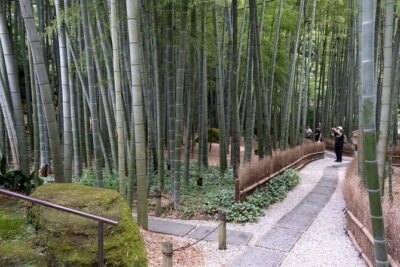
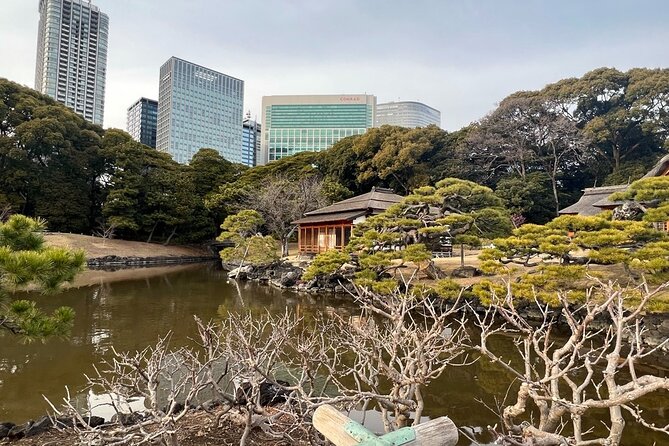
Hama-rikyu Gardens has that rare travel combo: it is a real place to slow down, but it also works like an outdoor classroom. The garden grew out of the Edo period, and that matters, because the design is not random. You will notice how the paths, sightlines, and garden elements are meant to shape the way you experience the space.
I like tours like this because they help you look better. When you stroll without a guide, you can enjoy the trees and views, sure. But with the background and garden-design explanations, you start to recognize patterns—how the garden is constructed to guide attention, timing, and even emotion.
You can also read our reviews of more tours and experiences in Tokyo.

Your 90 Minutes: Garden Walk First, Tea Ceremony Second
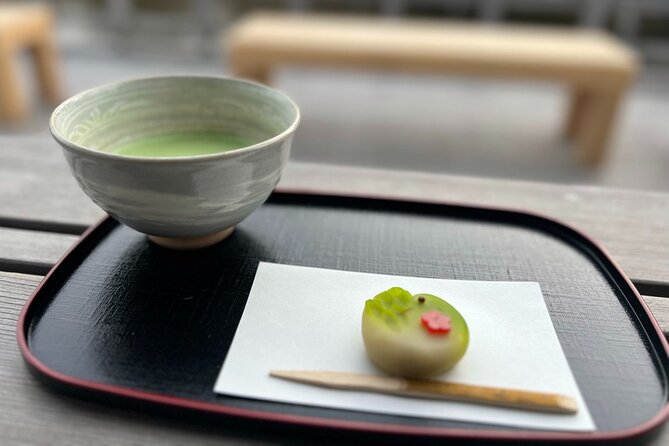
This is a structured 90-minute experience, and that structure is part of the value. You get:
- A guided garden portion (30 minutes)
- A longer tea ceremony portion (about 1 hour)
That order is smart. You walk in, get your bearings on the garden styles, then you sit down for matcha and sweets with the scenery still around you. By the time tea time comes, you have context, so it feels less like a separate add-on and more like a natural continuation of the garden mood.
Also, because the group is limited to 4 people, the pace feels more personal. If you like asking questions—about design, history, or what certain elements are meant to represent—this group size makes it more realistic.
Otemon Bridge Start, Shiodome Station End: A Simple Walking Route
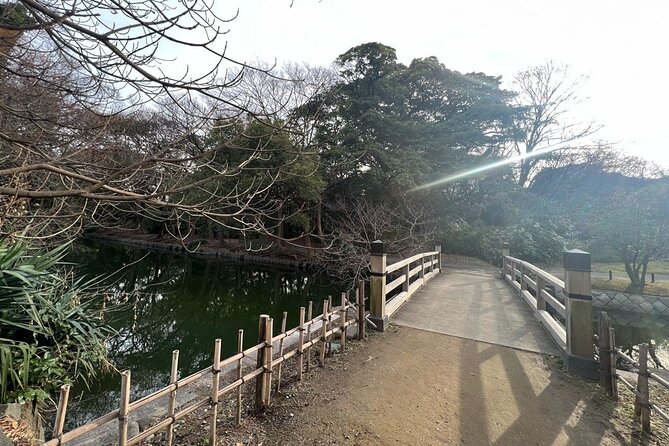
Your meeting point can vary depending on which start option you book. One option is Otemon Bridge, and the tour ends with drop-off at Shiodome Station.
That’s useful if you are planning your day on the Tokyo side. You do not have to backtrack the way you sometimes do with guided tours that end where they begin. Instead, you get a clear start and finish that you can plug into other plans—coffee, a subway ride, or a late lunch near Shiodome.
One practical note: since this is a walking tour, I would treat it like normal city walking. Bring comfortable footwear. The instructions specifically recommend it, and you will be happier if your feet are ready for a couple stretches on foot.
Inside the Garden: Karesansui Dry Landscape and Kaiyushiki Circular Views
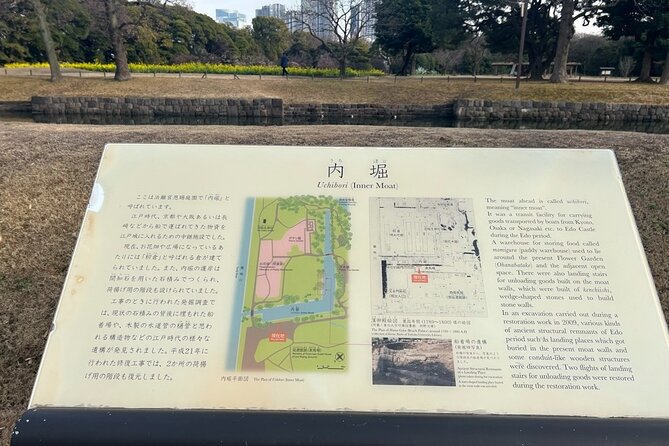
Hama-rikyu Gardens includes two major highlights that you will actually be pointed toward: Karesansui and Kaiyushiki.
Karesansui: seeing a scene without water
Karesansui is often described as a dry landscape garden. The important idea for you is that it is built to suggest a world—usually through stones, sand, and careful composition—without relying on a pond or stream. When you hear the context and design logic from the guide, the garden starts to read like a carefully arranged image.
The benefit of having the guide here is simple: you learn what to look for. Instead of guessing how the layout works, you get a reason for why certain elements are positioned where they are.


Kaiyushiki: a circular style that changes your view
Then there is Kaiyushiki, the circular-garden component. The circular layout is meant for movement and changing viewpoints, so your experience is not static. You might notice that you see different garden impressions depending on where you stand and how you walk the edges.
For photographers, this kind of design is helpful. You are not stuck with one perfect shot. You can reposition as you go and still feel like you are following an intentional garden route.
Seasonal plants and trees: the garden changes over time
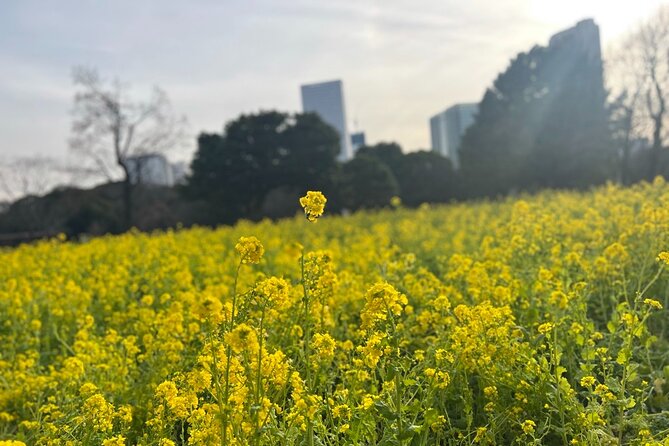
Another key point: the garden’s plants and trees shift with the seasons. That means your visit is tied to the time of year you go, not a one-size-fits-all postcard. You might see spring blooms, different textures in warmer months, or quieter tones when the garden looks more structured.
If you are traveling in Tokyo more than once, this is the kind of attraction that can reward a return. Even if you do not come back, it helps to know the garden is living and changing.
How the Guide Turns Edo-Period Design into Real Understanding
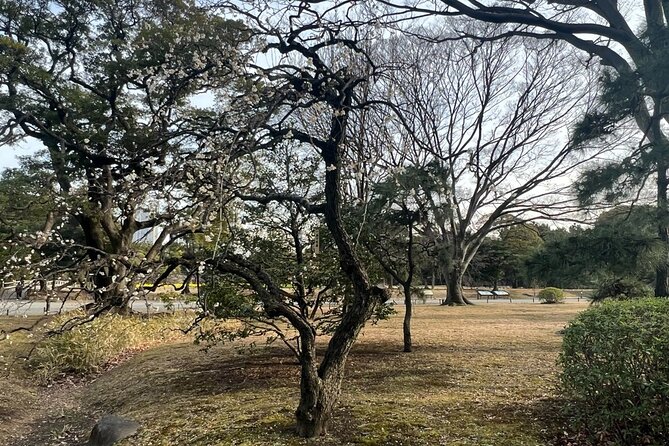
What makes this tour work better than a casual walk is the way the guide explains the garden’s history and its design background. The tour is not just a list of landmarks. It is meant to help you understand Japanese garden culture in a practical way: why certain styles exist, what the garden elements are doing, and how you should pay attention.
In past groups, guides like Hiro, Mr. Ito, and Ayaku have been praised for being friendly and for connecting the design details to the bigger story of Japan’s past. That kind of explanation is exactly what you want here, because Hama-rikyu is historical, but the experience is still meant to be understandable and enjoyable.
A good guided walk should also keep the pace manageable. With only 4 participants, it is easier for the guide to adjust—slow down when someone has questions, spend a little more time on the Karesansui composition, then shift focus for the circular views.
Tea Ceremony Room Time: Matcha and Japanese Sweets Included
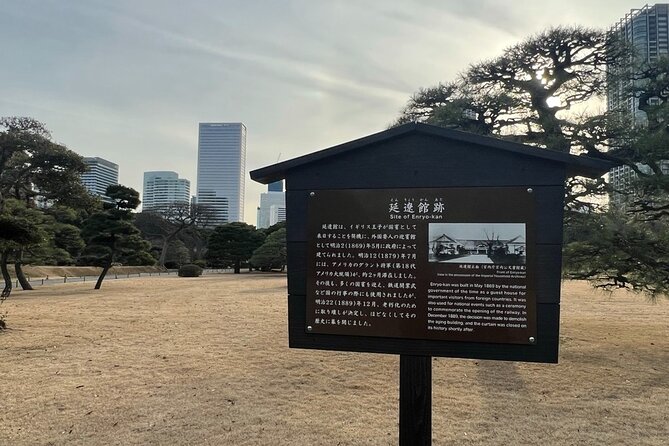
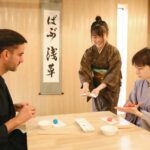
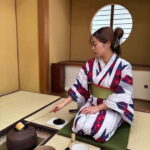
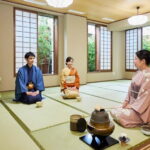
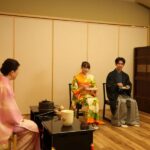
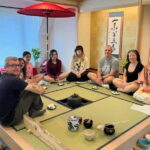
After you finish the garden walk, you move into the garden’s tea room for your tea time, which lasts about an hour. This is where the tour earns its spot on a Tokyo itinerary, because the matcha part is not just a snack stop. It is part of the garden atmosphere.
You will enjoy:
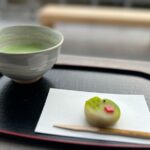
- Matcha green tea
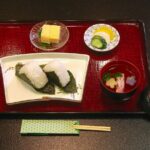
- Japanese sweets
And because this happens inside the tea ceremony room in the garden, it feels connected to the scenery. You are not rushing off to some separate café for the included item. Instead, you settle in while still surrounded by the garden setting you just learned about.
If you are the type of traveler who likes tasting experiences with context, this section fits you well. Matcha is one thing when you drink it randomly. It is another when you know you are sharing the moment inside a space built for calm, observation, and ceremony.
Photography and Pace: What You Should Plan for
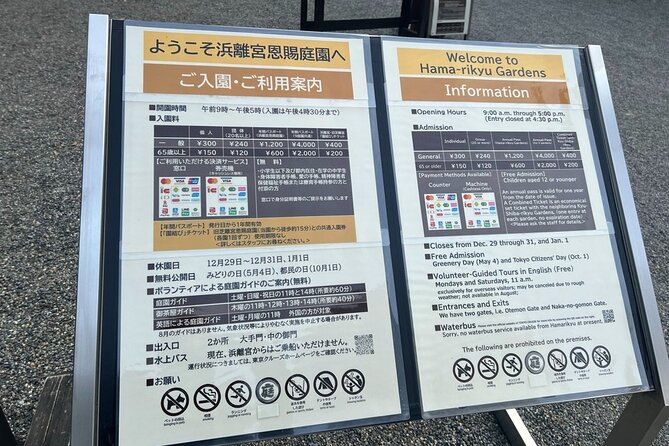
You can take pictures while you are enjoying the garden and views. The best time to photograph is when you stop and let the guide finish a point. Try not to treat every moment as a camera race.
Also, because the garden tour portion is about 30 minutes, your pacing matters. You want to enjoy what the guide shows you, not sprint ahead. If you keep a relaxed pace, you will likely end up seeing more than you would on your own.
The trade-off is time. You will leave with good understanding and a great tea break, but you will not have hours to roam without guidance. If you want to cover every corner slowly and independently, plan to add extra time before or after this tour.
Price and Value for an English, Small-Group Garden + Tea Experience
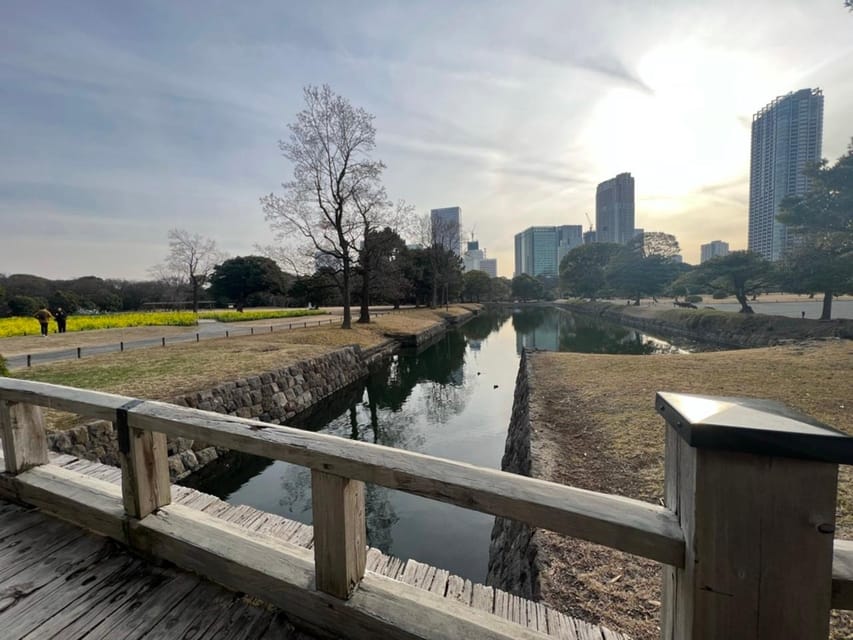
The price is $85 per person, and the value comes from what’s bundled in.
For that amount, you get:
- An English live guide
- Guided time focused on Edo-era garden highlights
- A full hour of tea ceremony time
- Matcha and Japanese sweets included
If you were to do this as two separate activities—find a guide for a historical garden and then search for a tea experience—you would likely spend more time coordinating, and you might pay more once you factor everything in. Here, the schedule is already built, and you get the tea part as a structured, included experience.
The main value argument is clarity. You are paying for a guided explanation that helps you understand what you are seeing, then paying for a tea experience that matches the garden setting.
Who This Tour Fits Best (and Who Might Skip It)
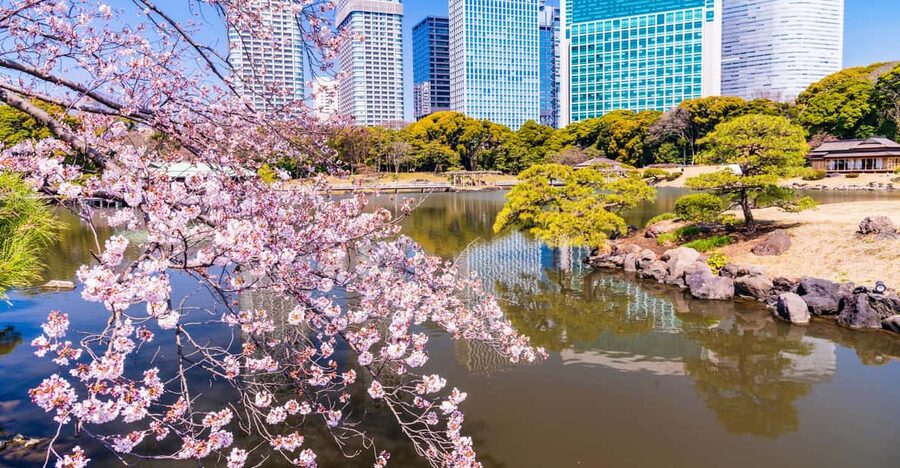
This tour is a strong fit if:
- You want a short, focused cultural experience in Tokyo
- You enjoy gardens but want the context to make them click
- You like matcha and Japanese sweets and want them paired with a meaningful setting
- You prefer small groups where your guide can slow down
It may be less ideal if:
- You are hoping for a long, self-paced visit
- You do not enjoy walking tours, even light ones
- You want deeper research time or extra time at just one spot
For most people, though, it hits a sweet spot: learning + calm + tea, all without turning your day into a complicated logistics puzzle.
Should You Book the Hama-rikyu Gardens Tea Tour?
I think you should book this tour if you want the fastest route to understanding Hama-rikyu Gardens instead of only enjoying it at surface level. The pairing of an Edo-period garden explanation with an included matcha and sweets tea room session is exactly the kind of Tokyo experience that feels practical and meaningful.
If you are on a tight schedule, the 90 minutes is also a plus. You get guided time for the garden styles like Karesansui and Kaiyushiki, then you slow down for tea—then you are done. It is a good plan for a morning or early afternoon block.
If you want to spend hours wandering freely with no structure, you might prefer a longer independent visit. But if you are the type who likes to learn as you go, this one is a solid yes.
FAQ
How long is the Hama-rikyu Gardens tour with Japanese tea and sweets?
The tour lasts about 90 minutes.
What’s included in the price?
The tour includes a live guide, matcha green tea, and Japanese sweets.
Is there an English-speaking guide?
Yes. The tour is run with a live English-speaking guide.
How many people are in the group?
The group is limited to 4 participants.
Where do I meet and where does the tour end?
You meet at one of two starting locations depending on the option you book: Otemon Bridge or another meeting point. The tour ends with drop-off at Shiodome Station.
Is free cancellation and reserve-pay-later available?
Free cancellation is available up to 24 hours in advance for a full refund. You can also reserve now and pay later to keep your plans flexible.