REVIEW · KYOTO
KYOTO Tea Ceremony with kimono near by Imamiya Jinjya Shrine
Book on Viator →Operated by CAREN · Bookable on Viator
Matcha tastes better in silk. This Kyoto experience pairs an authentic kimono setup with a traditional tea ceremony near Imamiya Jinjya Shrine, so you’re not just watching—you’re participating.
What I like most is the way the staff turns dressing into a real process, not a quick costume job, with kimono selection (including color and pattern choices), hair setting, and plenty of help getting you comfortable.
My other favorite part is the hands-on matcha moment, where you learn the steps from a tea master (30 years of study) and then try making your own cup. One consideration: you’ll spend real time in the dressing and photo flow, so build in a little patience and try to arrive early if you want everything to feel calm.
In This Review
- Key things you’ll notice right away
- Getting dressed at Caren, then going full kimono mode
- A practical tip for the smoothest start
- Why the tea room near Daitoku-ji feels different
- Tea master performance: history, etiquette, and the real purpose of tea
- What you should pay attention to while watching
- Sweets and a first sip: what seasonal tea time teaches
- Your turn: learning how to brew matcha (and why it’s not automatic)
- Photo shoot time in kimono: getting better pictures without chaos
- Photo tip from experience logic (not guesswork)
- Price and value: what $99.49 buys in Kyoto time
- What’s not included (and why you should care)
- Who this Kyoto tea ceremony fits best
- Should you book this kimono tea ceremony near Imamiya Jinjya?
- FAQ
- How long is the Kyoto tea ceremony experience?
- Where do I meet, and where does it end?
- What’s included in the price?
- Do I get help putting on the kimono?
- Will I be able to brew my own tea?
- How big are the groups?
- Is transportation included?
- What happens if the weather is bad?
- Is free cancellation available?
Key things you’ll notice right away
- Nishijin-style kimono choice: pick your favorite color and pattern before the tea begins
- Multi-step kimono dressing support: the process is detailed, and you get real assistance
- Tea room used for three generations near Daitoku-ji, which gives the setting an old-school feel
- 30-years-of-practice tea master teaching the ceremony and manners
- Your turn to brew matcha, not just sip and leave
- Photo support in kimono so you actually come away with better pictures than you’d get on your own
Getting dressed at Caren, then going full kimono mode
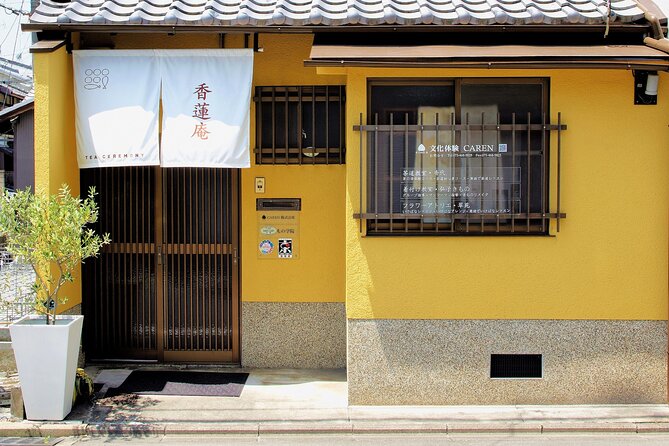
The whole experience starts at Tea Ceremony – Caren, at 74-4 Murasakino Daitokujichō in Kita Ward. It’s easy to reach by public transportation, and you’ll use a mobile ticket. The session runs about 1 hour 30 minutes, then you finish back at the meeting point.
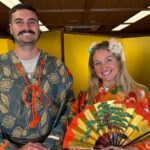
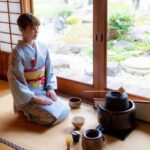
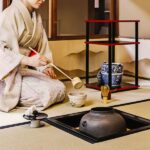
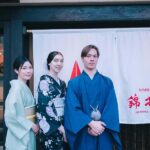
Before tea, you’ll choose a kimono from a collection in Nishijin, Kyoto. Nishijin is a name you’ll hear in Kyoto when people talk textiles, and here it signals that you’re not dealing with generic “tour kimono.” You pick a color and pattern you like, and then the staff assists with the dressing process.
This is where the experience becomes memorable fast. The kimono setup isn’t just one garment. You get helped through the layered, structured look that makes kimono feel like art rather than fabric. Women can also get hair styled as part of the process, and everyone gets help setting hair before the kimono goes on. In a way, this is the warm-up act for understanding tea culture: it teaches you that small details matter.
You can also read our reviews of more tours and experiences in Kyoto.
A practical tip for the smoothest start
Arrive with a few minutes to spare. When people arrive right at the same time, dressing and hair setting can feel a bit like a production line (still well-run, but you may feel rushed). If you can control timing, you’ll feel calmer during the photos and ceremony.
Why the tea room near Daitoku-ji feels different
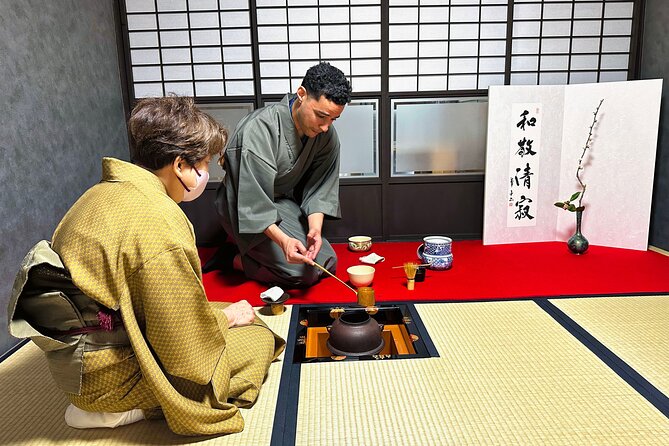
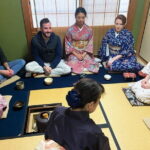
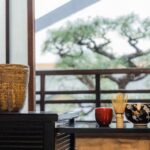
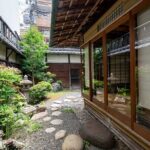
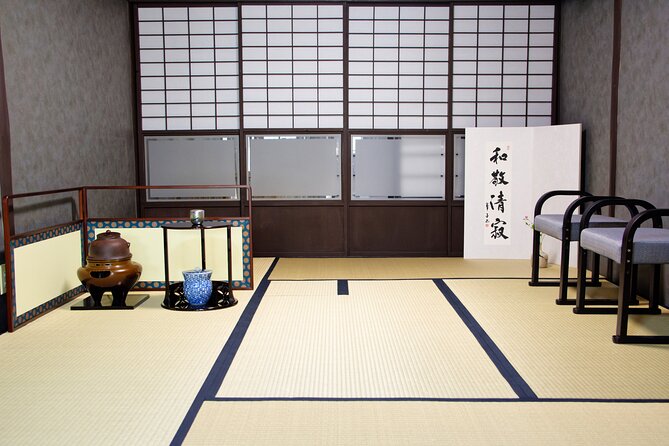
The tea ceremony takes place in a tea room used for three generations. That matters more than it sounds. You’re not just in a rented space with a script. The room has the kind of age that makes the ceremony feel like it belongs to Kyoto, not a showroom.
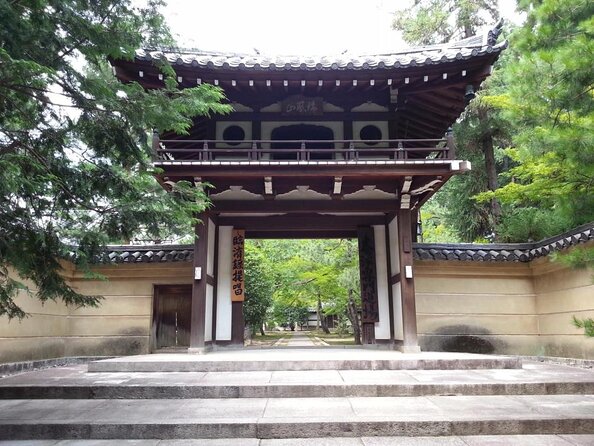
This tea room is near Daitoku-ji, an area deeply tied to Japanese tea culture. Daitoku-ji is known for temple life and quiet rhythm, so being nearby helps set the tone. You’ll also hear that the room is a bit old, but the staff does their best to help you manage any fatigue after travel. In other words: you get a traditional setting, with human care.
You’ll likely move from the dressing area into the ceremony space, with the overall flow staying easy to follow. The guides explain things while you wait, so you’re not left wondering what comes next.
Tea master performance: history, etiquette, and the real purpose of tea
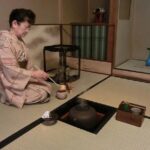
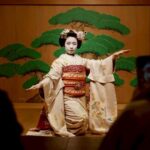
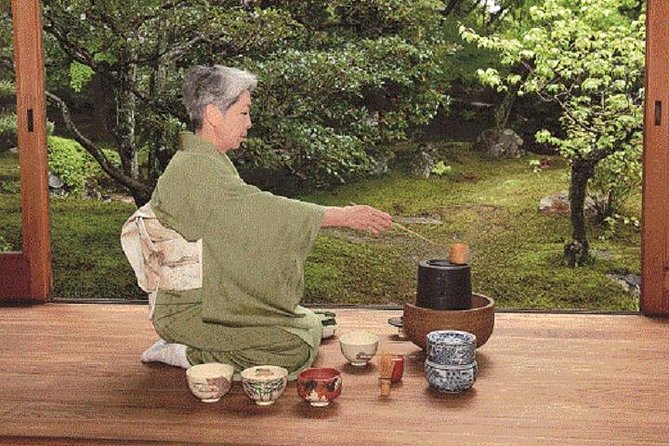
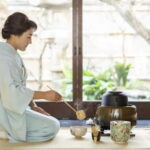
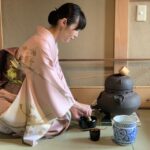
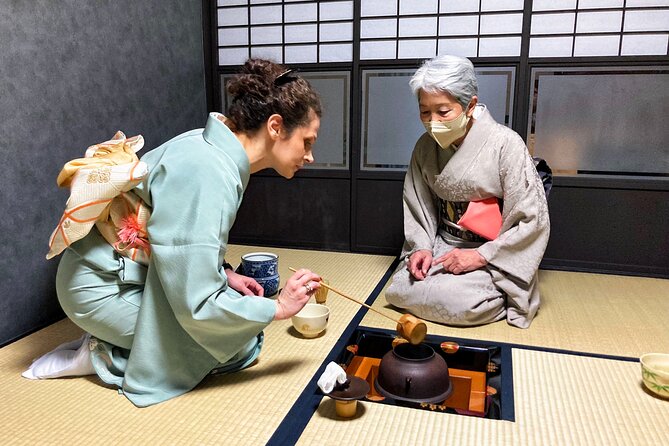
Once you’re set in kimono, the tea master takes over the main event. You’ll get the traditional tea ceremony with commentary from your guide and demonstrations led by a tea master who has studied tea ceremonies for 30 years.
This is one of the most valuable parts for first-timers. Many tea ceremonies get reduced to a performance. Here, the explanation connects the ceremony steps to meaning. You’ll learn about the history behind the tea ceremony and why different kimono patterns matter too, so your clothing choice starts to feel related to the ritual rather than random aesthetics.
Your guide also covers Japanese manners during the ceremony. This isn’t lecturing. It’s the kind of guidance that helps you follow along respectfully, so you feel like a participant instead of an outsider trying to guess the rules.
What you should pay attention to while watching
Stay focused on the sequence. The beauty of tea ceremony is in the order: how the host moves, how utensils are handled, and how the moment slows down. When you’re learning the background and etiquette at the same time, it makes the stillness feel intentional rather than awkward.
Sweets and a first sip: what seasonal tea time teaches
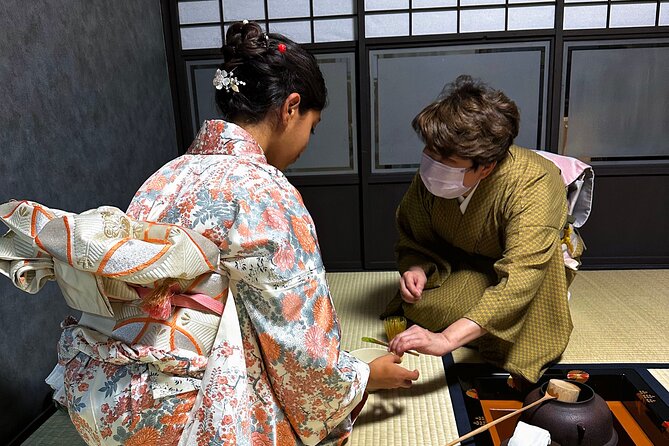
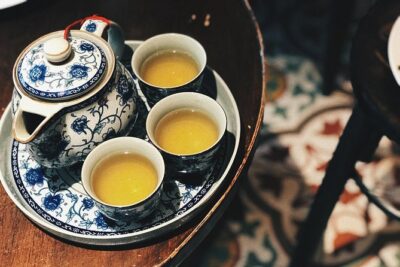
After the demonstration, you’ll sip your tea along with seasonal sweets. That combo is one of those small details that makes the ceremony feel complete. Tea isn’t just a drink here—it’s a full experience, paced like a short ritual.
The sweets give you a break from the formality, and they also help you taste matcha as part of a balanced moment. The guide commentary keeps things moving so you understand what you’re doing, and what you’re supposed to notice.
This is also when the group energy often shifts. In many cultural experiences, people hold back until the end. In this one, the tone stays calm from the beginning, so you can relax into it.
Your turn: learning how to brew matcha (and why it’s not automatic)
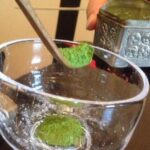
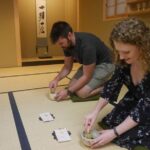
Then comes the part you’ll remember longest: you get the chance to prepare your own tea.
There’s something satisfying about learning a ritual step-by-step, but there’s also a reality check. Brewing matcha requires attention—timing, technique, and proper handling of utensils. Even if your first attempt isn’t perfect, you’re not being tested. You’re learning the structure behind the performance.
The staff and tea master walk you through how the ceremony works, and you get to practice in your own turn while wearing kimono. That combination matters. Wearing a kimono changes how you move and how you carry yourself, and that makes the etiquette feel more concrete.
If you’re traveling as a couple or with family, this is a great equalizer. Everyone gets a shot at participating, and it creates a shared memory that isn’t only about who took the best photos.
Photo shoot time in kimono: getting better pictures without chaos
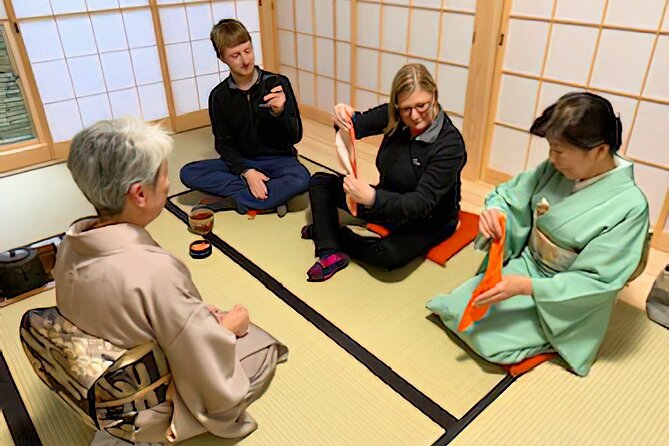
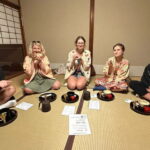
You’ll also get a simple photo shoot as part of the dressing flow. The staff takes charge: they help you pose, handle guidance while you’re adjusting to wearing kimono, and make sure you look good.
This matters because kimono photography can go wrong fast if you’re doing it by yourself. Your hands, posture, and the way fabric sits all affect the final look. Having someone guide you makes the whole experience feel smoother and less stressful.
In some sessions, people also get extra context during the photo moments—small side stories and explanations that connect to tea culture details. For example, one guide named Akira is mentioned as providing additional interest about tea ceremony elements like the tea fan. That kind of information turns a photo stop into a real cultural layer.
Photo tip from experience logic (not guesswork)
Before you go, think about what color kimono you want. You don’t want to freeze when you’re asked to choose. A quick idea helps the staff move faster and helps you enjoy the moment.
Price and value: what $99.49 buys in Kyoto time
At $99.49 per person, this isn’t a “budget activity.” But the value is strong because you’re paying for several things at once:
- Authentic kimono use with assistance getting dressed
- Hair setting support before you enter kimono mode
- A tea master demonstration backed by 30 years of study
- Guided explanation of history and manners
- Seasonal sweets and tea
- Your turn to brew your own matcha
- A small group format with a maximum of 12 travelers
- Photo support in kimono
If you try to replicate this on your own in Kyoto, you’ll quickly rack up costs: rental kimono, an instructor, translation or guidance, and a tea room space. Here, all those pieces are bundled into a tight 90-minute experience.
What’s not included (and why you should care)
Private transportation isn’t included. The good news: the meeting point is near public transportation. Just plan to arrive on time. Also, because this experience requires good weather, you should expect the option of a different date or a full refund if weather disrupts plans.
Who this Kyoto tea ceremony fits best
This is a great choice if you want a cultural activity that doesn’t require prior knowledge. You’ll get instruction, manners, and explanations so you can follow along even if you’ve never done anything tea-related.
It also works well for:
- Couples who want a special, elegant memory
- Families, including teens and older kids, who often enjoy the kimono and the participation
- Solo travelers who want structure and help, since the staff handles dressing, photos, and pacing
If you’re the type who hates waiting, plan to manage time expectations. The dressing and photo portion takes effort and attention. The ceremony itself is calm and slower, by design.
Should you book this kimono tea ceremony near Imamiya Jinjya?
I think you should book it if you want the full Kyoto story: textiles, ceremony, and tea etiquette, all in one guided session. The small group size, the detailed kimono process, and the fact that you get to brew your own matcha make it feel more meaningful than a quick show-and-tell.
Skip it only if you want a hands-off experience where you watch quietly and leave fast. This is structured around participation, and kimono dressing plus photos is part of the deal.
If you’re excited by the idea of standing in Kyoto wearing Nishijin-style kimono and learning how tea culture works step-by-step, this is one of the best ways to spend 90 minutes with both beauty and substance.
FAQ
How long is the Kyoto tea ceremony experience?
It runs about 1 hour 30 minutes (approx.).
Where do I meet, and where does it end?
You meet at Tea Ceremony – Caren, 74-4 Murasakino Daitokujichō, Kita Ward, Kyoto 603-8231. The activity ends back at the meeting point.
What’s included in the price?
The experience includes coffee and/or tea, plus a professional instructor.
Do I get help putting on the kimono?
Yes. You’ll wear an authentic kimono and receive assistance putting it on, including help before the ceremony starts.
Will I be able to brew my own tea?
Yes. You’ll learn how to brew your own cup of Japanese tea during the experience.
How big are the groups?
This tour/activity has a maximum of 12 travelers.
Is transportation included?
No. Private transportation is not included.
What happens if the weather is bad?
If the experience requires good weather and is canceled due to poor weather, you’ll be offered a different date or a full refund.
Is free cancellation available?
Yes. You can cancel up to 24 hours in advance for a full refund. If you cancel less than 24 hours before the start time, the amount paid is not refunded.