REVIEW · NAGOYA
Nagoya: Japanese Traditional Sweets making and Tea Ceremony
Book on GetYourGuide →Operated by B.B.Advisors Inc. AN NAGOYA · Bookable on GetYourGuide
Nagoya isn’t only for shopping and trains. This 95-minute class puts you to work making traditional sweets and drinking matcha tea. You’ll start with Nerikiri, then move into a guided tea experience with Uji matcha.
I especially like that the ingredients are treated like the main event: bean paste made by long-established Kyoto shops, plus single-origin special matcha. One thing to keep in mind is that this is a hands-on tea lesson, not a full, formal tea ceremony show.
What makes this a great choice for Nagoya
- Season-matched Nerikiri: You make two sweets that fit the time of year
- Kyoto bean paste, not mystery filling: White/red bean paste from long-established shops
- Uji matcha included: You get the grinding demo and the tea practice
- Hands-on, not just watching: Coloring, crafting, and tasting are all part of it
- English support tends to be solid: Many participants praised clear instruction and guidance
- Accessible pace: The schedule includes a break before the tea portion
In This Review
- Nagoya Wagashi and Matcha in 95 Minutes
- Nerikiri Crafting: Seasonal Flowers From Colored Bean Paste
- Kinton Nerikiri and the Second Sweet You’ll Actually Finish
- Uji Matcha Tea Lesson: Grinding to Drinking
- The Ingredients Matter: Kyoto Bean Paste and Single-Origin Matcha
- It Feels Like a Real Activity, Not a Show
- Price and Value: What $18 Buys You in Nagoya
- Where to Go: Near Kokusai Center Station and Nagoya
- Who Should Book This Wagashi and Matcha Class?
- Tips That Make Your Class Easier
- Should You Book This Class in Nagoya?
- FAQ
- What is the duration of the experience?
- What sweets will I make?
- Is matcha included, and do I participate in it?
- Where is the meeting point?
- Is there an elevator at the venue?
- Do children pay?
Nagoya Wagashi and Matcha in 95 Minutes
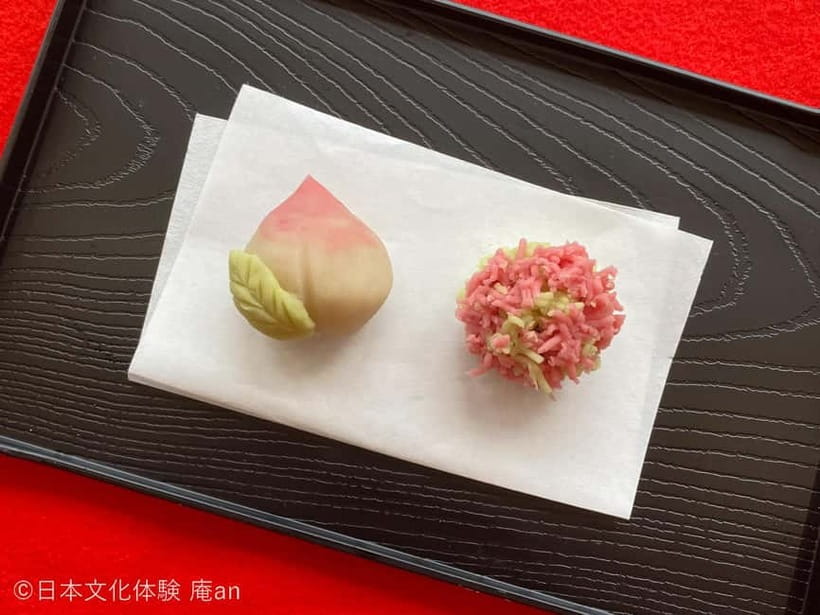
If your Nagoya day feels too busy, this kind of class is perfect. You get real craft time, then a calm tea moment, without needing a whole evening.
You’ll spend about 95 minutes total, and the flow is simple: sweets first, tea second. The workshop is on the 3rd floor, and there’s no elevator, so plan for stairs.
Nerikiri Crafting: Seasonal Flowers From Colored Bean Paste
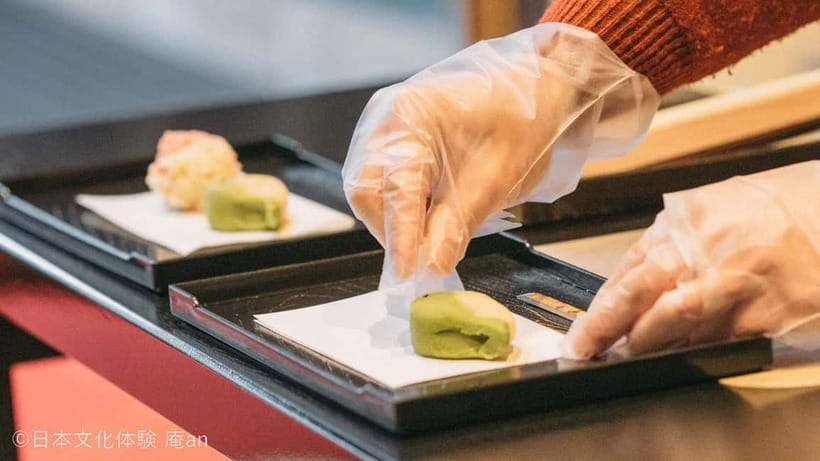
The sweets portion starts with an overview, then you jump right into Nerikiri making. Nerikiri is a higher-grade Japanese sweet known for its decorative shapes, often inspired by seasonal flowers and fruits.
Here, the process begins with the fun part: coloring the white bean paste. That’s not just prep work. It helps you understand how wagashi gets its look, and it’s where creativity really kicks in.
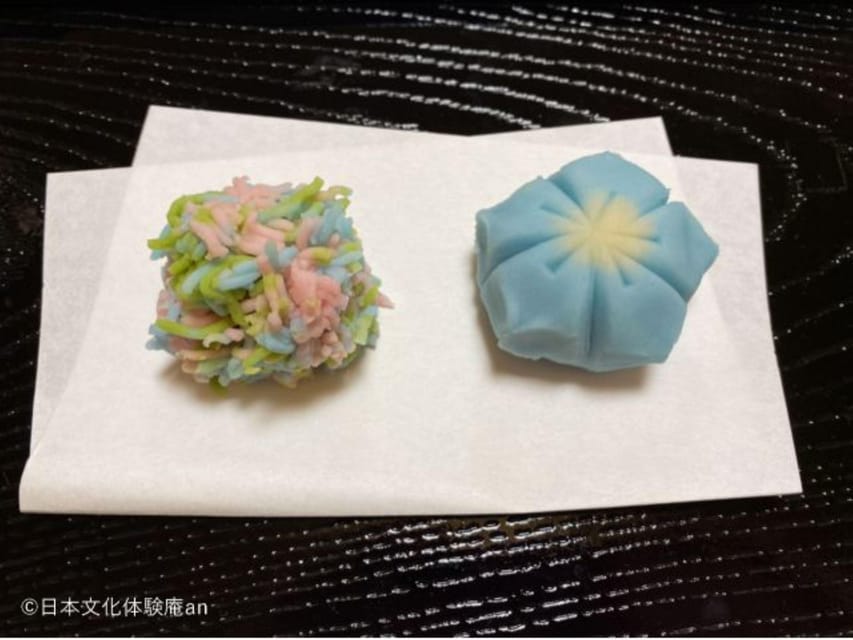
Then you’ll shape the sweets. The structure is designed so you don’t feel lost: you get explanations, you make, and you end with two finished pieces tied to the season.
A couple of small realities to expect: first, Nerikiri is delicate. You’ll likely take your time getting the details right. Second, outcomes can vary a bit by skill level, but instructors are there to keep you on track and help you get something you’ll actually be proud of.
You can also read our reviews of more tours and experiences in Nagoya.

Kinton Nerikiri and the Second Sweet You’ll Actually Finish
After the first flower-shaped Nerikiri segment, you’ll move into the second sweet: Kinton Nerikiri. This gives you contrast in shape and process, so you don’t end up doing the same motions twice.
This is the payoff for choosing this class over a quick tasting. You’re not just sampling wagashi. You’re learning how the look is built from the paste itself, and you’ll leave with two sweets you can eat on the spot.
If you’re traveling with someone who worries they aren’t crafty, this is still a good pick. Several participants specifically mentioned the instructor making them feel included and supported, with clear steps you can follow even if your hands are not used to food art.
Uji Matcha Tea Lesson: Grinding to Drinking
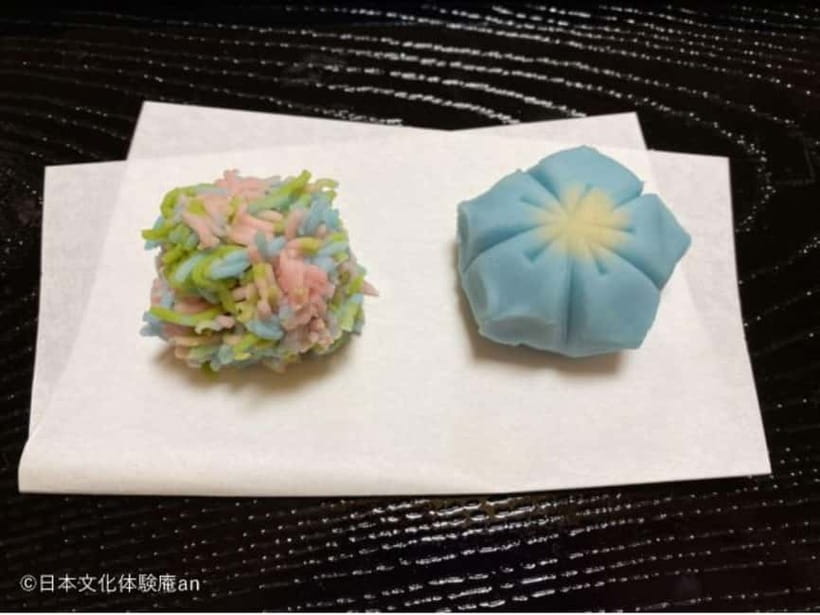
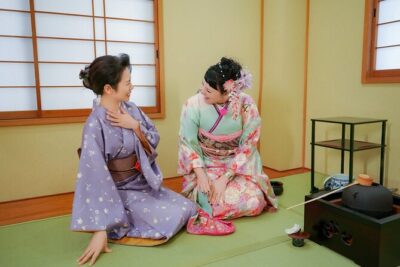
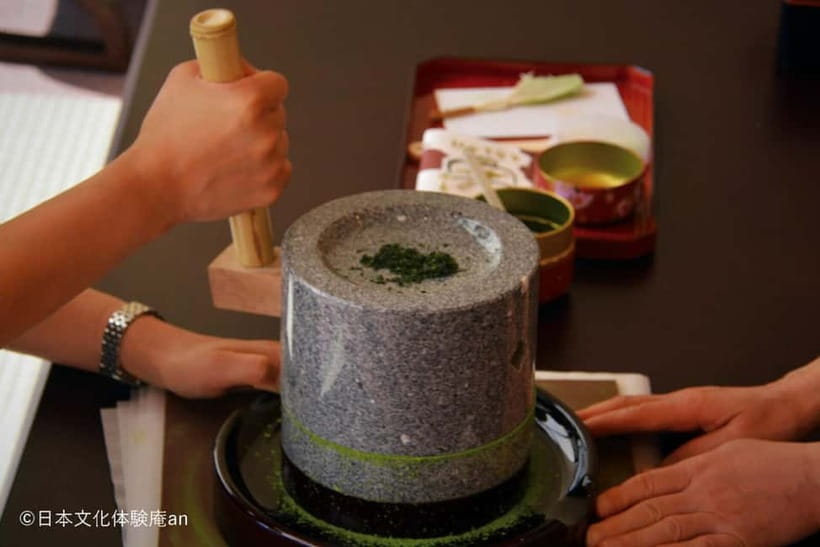
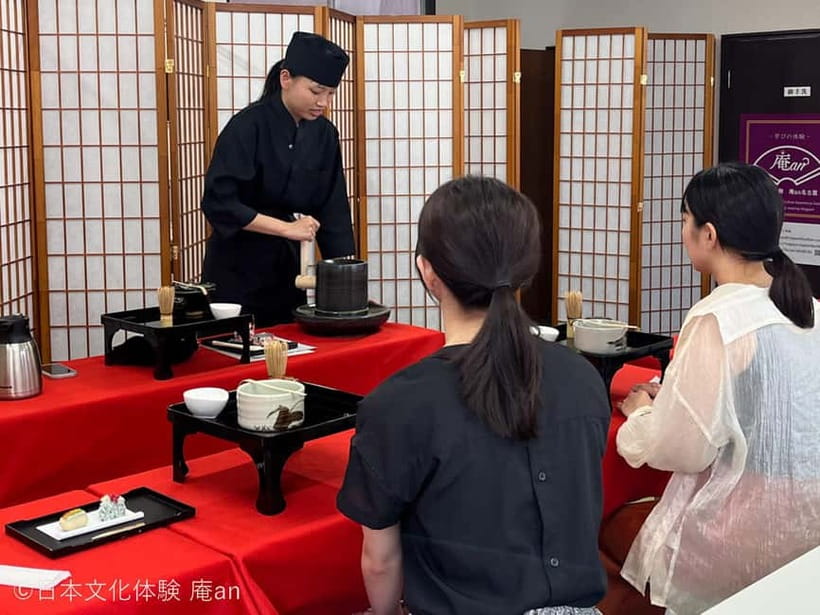
Once the sweets are done, there’s a short break and then the tea portion starts. You’ll get explanations about tea, then a matcha grinding demonstration, followed by the tea-ceremony experience.
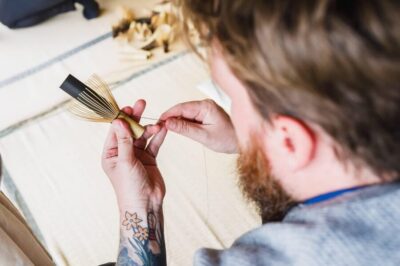
What I like about this approach is that it doesn’t treat matcha as magic powder. You get the process in plain steps—how it’s prepared and how you handle the tea—so it feels less like a performance and more like a skill you can carry home.
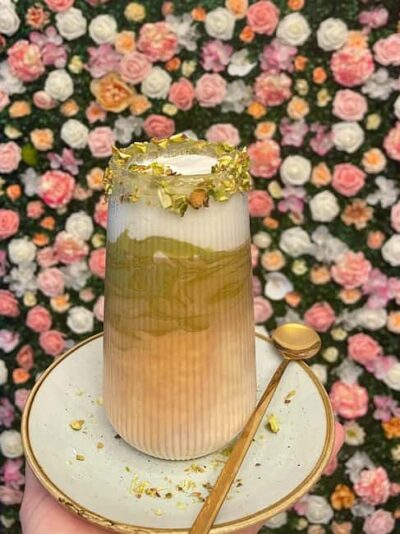
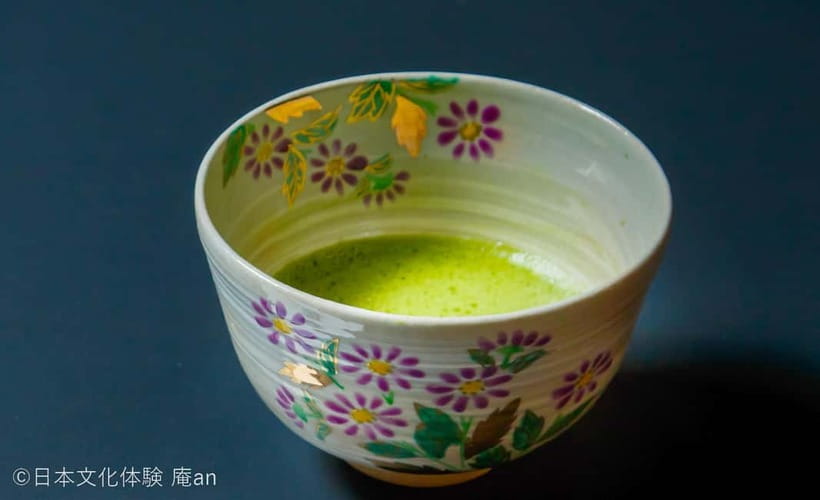
You’ll then prepare and enjoy your own matcha tea along with the Nerikiri you made earlier. This matters because the taste balance is part of the lesson. The class is built around pairing the sweetness of high-quality bean paste with the matcha’s flavor so you can actually notice the contrast.
One practical note: some people point out that it’s not a full traditional tea ceremony experience. That’s not a dealbreaker if you want an approachable, hands-on introduction—just don’t expect a long, formal, strict chanoyu-style sequence.
The Ingredients Matter: Kyoto Bean Paste and Single-Origin Matcha
The highlight list calls out two ingredient choices that really change the experience.
First: the white/red bean paste comes from Kyoto long-established shops. That’s important because wagashi lives or dies on the paste. If the filling is bland, everything tastes flat. When the paste is good, you notice it immediately in texture and sweetness level.
Second: the matcha is single-origin special Matcha, and you’re using Uji matcha in the tea experience. Uji matcha is famous for a reason, but the class doesn’t just name it. The instructions and pairing with your own sweets make it easier to understand why people care about origin and quality.
If you’re the kind of traveler who likes to buy edible souvenirs, you might be happy here too. One participant noted that matcha and matcha equipment are available for sale at the location, which is handy if you want to keep experimenting after you go home.
It Feels Like a Real Activity, Not a Show
The schedule is designed for learning-through-doing. You’ll start with an explanation, make the flower-shaped Nerikiri, then take a break before the tea portion.
Time anchors you can expect:
- About the first 55 minutes are focused on Nerikiri making
- After that break, you move into tea at around the 65-minute mark
- The tea experience runs through the 85-minute point
- Eating and drinking continues until about 95 minutes, then you leave the room
That timing is a good match for short attention spans and long travel days. You get enough hands-on time to feel accomplished, and you’re not sitting through endless lectures.
Price and Value: What $18 Buys You in Nagoya
At about $18 per person, this class is one of those good-value experiences that doesn’t try to nickel-and-dime you for the basics.
You’re getting:
- A complete two-sweet Nerikiri experience (with crafting and finishing)
- A guided matcha program, including a grinding demonstration and tea-ceremony practice
- The chance to eat what you made, paired with your matcha
Cheaper options often give you a cookie-cutter template or only let you taste. Here, your time is the product, and your final sweets are yours to enjoy right away.
You should know about a couple add-ons. There’s a take-out box option for 100 JPY if you want to bring sweets with you. If you want an optional completion certificate, it costs 300 JPY and the name must be provided in advance for the printed version.
Where to Go: Near Kokusai Center Station and Nagoya
Getting there is pretty straightforward.
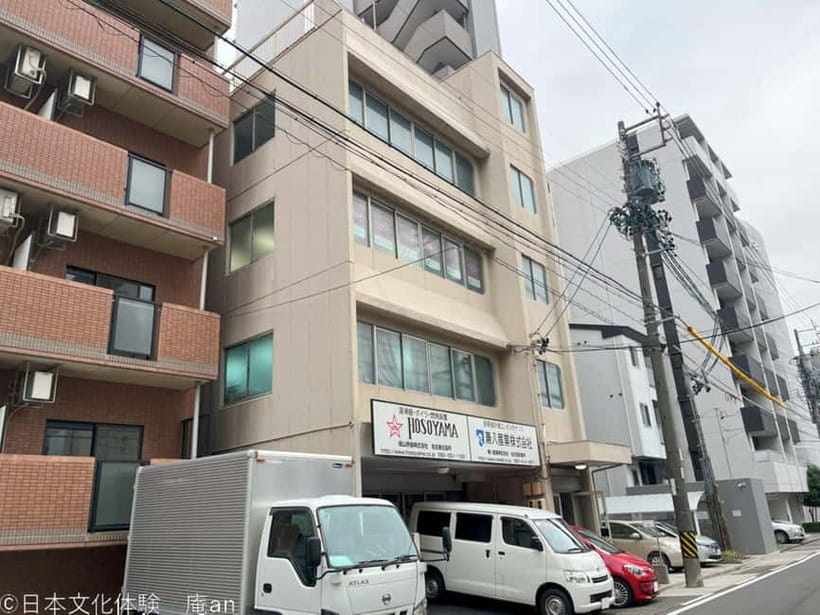
Your meeting point is about a 1-minute walk from Exit 3 of the Sakura-dori Line Kokusai Center Station. If you’re starting from Nagoya Station, it’s roughly a 13-minute walk from the Sakura-dori side.
The workshop is on the 3rd floor, so give yourself a little extra time, especially if you’re arriving right at the start of the session. Also note that the venue does not accommodate delays, so try not to cut it close.
Who Should Book This Wagashi and Matcha Class?
This is a strong fit if you want something that feels authentically Japanese but still practical for a short stay.
It’s especially good for:
- First-timers who want to learn the basics of wagashi and matcha
- Couples or small groups who like hands-on activities
- Travelers who want a calm, focused indoor activity on a busy day
- People who appreciate clear instruction and step-by-step guidance
If you’re picky about language, you should be reassured by the fact that English translation is provided as much as possible. The instructor language is listed as Japanese, but participants have praised English support and clear directions.
If you’re expecting a long, formal tea ceremony, you may feel it’s shorter than the full tradition. But for learning the core moves and tasting your work, it’s a smart compromise.
Tips That Make Your Class Easier
A few practical choices can make the experience smoother.
- Wear something you don’t mind getting a little dusted during sweets making. Nerikiri involves paste and coloring, so tiny messes happen.
- Plan for a warm, social pace. You’ll be crafting and then drinking, so keep your energy up and avoid a late caffeine spill before you go.
- Take your time during shaping. The class is designed to guide you, but rushing usually shows in the final look.
- If you want a certificate, arrange your name details early. They can leave it blank if names aren’t provided in advance.
Should You Book This Class in Nagoya?
Yes, if you want a genuine hands-on cultural activity that fits in one afternoon block. The ingredient quality—Kyoto bean paste and Uji matcha—is more than marketing because it directly affects what you taste and how the sweets and tea work together.
I’d book it if you’re the type who likes learning by doing, and if you want something calmer than chasing another landmark. Just go in knowing it’s a guided, practical tea experience, not a full-length formal ceremony, and you’ll get exactly what you came for: two seasonal sweets and a matcha ritual you can explain back at home.
FAQ
What is the duration of the experience?
The experience lasts 95 minutes.
What sweets will I make?
You’ll make two Japanese traditional sweets that match the season. The class includes Nerikiri making and Kinton Nerikiri making.
Is matcha included, and do I participate in it?
Yes. You’ll do a matcha grinding demonstration and then take part in a tea-ceremony experience. You’ll also drink matcha along with the sweets you prepared.
Where is the meeting point?
It’s 1 minute walk from Exit 3 of Subway Sakura-dori Line Kokusai Center Station, or about 13 minutes walk from the Sakura-dori side of Nagoya Station.
Is there an elevator at the venue?
No. The venue is on the 3rd floor and there is no elevator.
Do children pay?
Children who sit on their parents’ laps are free of charge if they are under 2 years old only.