REVIEW · PORTO
Porto: Tile Painting Workshop with Tea and Port Wine
Book on GetYourGuide →Operated by Francisco Pessegueiro · Bookable on GetYourGuide
Porto azulejos don’t stay trapped in museums. This tile-painting workshop near Campanhã turns Portuguese tile history into something you can actually make and take home, with two fired tiles waiting for you the next morning. I like that the guide explains why azulejos matter in Porto—and how the craft is made—not just how to hold a brush.
What I really enjoyed most was the balance: you get history and hands-on painting in the same 2 hours. You’ll learn the role tiles play in Portuguese art and culture and how they spread across monuments and houses, then you paint two tiles using traditional motifs and techniques with stencils and guidance. One possible drawback: the area around the station is workable on foot, but it’s not the easiest for parking, so drive only if you’re comfortable finding your way.
In This Review
- Key things to know before you paint
- Why Porto tiles feel different when you paint them
- Finding the atelier near Campanhã station without stress
- The 2-hour flow: history, techniques, then your two tiles
- Learning tile history in a way that actually sticks
- Techniques you use on your tiles (not just theory)
- Tea and biscuits: a small break that keeps the class comfortable
- Taking your tiles home: firing, pickup, and packaging
- What you’re really paying for: $53 and the value math
- Who this tile workshop fits best
- Small-group pacing: better attention without the big-tour feel
- Practical tips so your tiles look like you meant it
- Should you book this Porto tile workshop?
- FAQ
- How long is the tile painting workshop in Porto?
- What do I create during the class?
- When can I pick up the tiles after the class?
- What’s included in the $53 price?
- Are there different languages for the instructor?
- Do I need to bring anything?
- Is there parking near the meeting point?
Key things to know before you paint
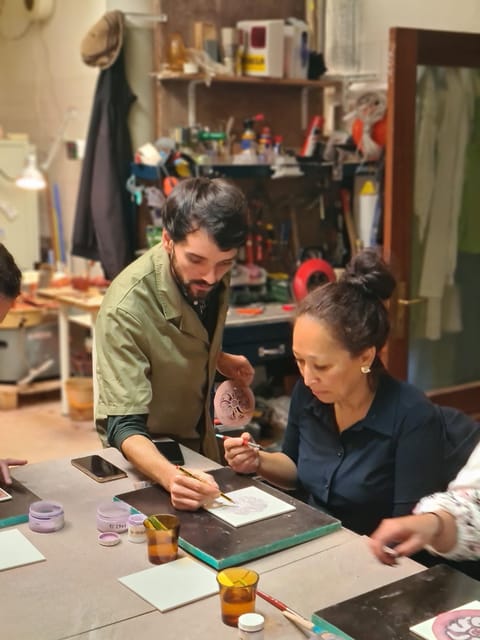
- Two tiles per person: you leave with a real souvenir you painted, not just a demo.
- Fired tiles 24 hours later: your work gets fired and you pick it up next morning.
- Tea and biscuits included: expect a proper break before you get going with the painting.
- Traditional techniques and motifs: you learn how traditional tile decoration works, then apply it.
- Small group feel: you can ask questions and get help without being rushed.
- Meeting point by Campanhã: it’s near the train station and the new bus terminal TIC.
Why Porto tiles feel different when you paint them
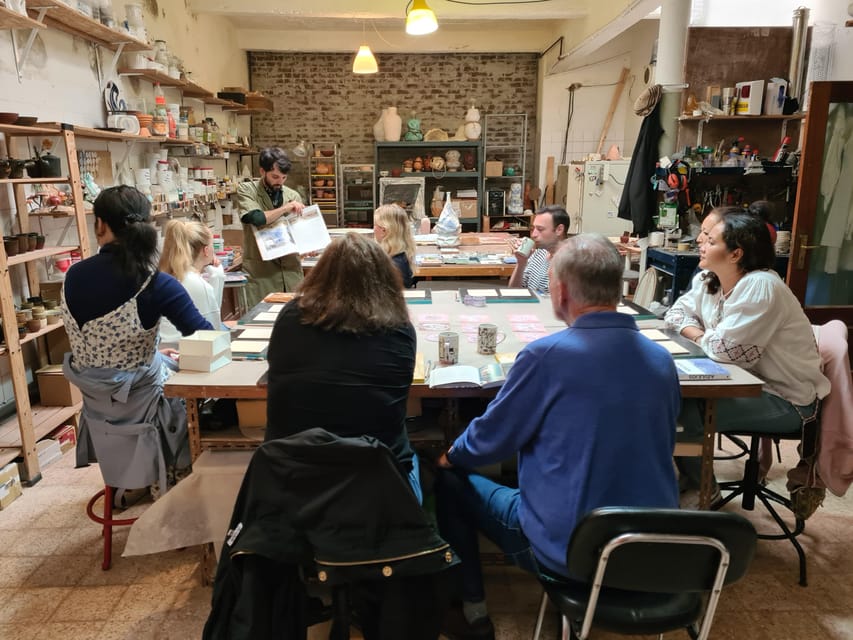
Portuguese tiles are everywhere in Porto—on building fronts, station-style facades, stairwells, and tucked-in corners that only show up when you slow down. In this workshop, you get the why behind that visual comfort. The guide walks you through the history of Portuguese tiles and explains their cultural importance in the city, and across Portugal.
Then the workshop does the smart thing: it moves from story to hands-on craft. You’re not copying a postcard. You’re using traditional motifs as inspiration and learning the basics of the tile-painting process so your tiles feel rooted in Portuguese style.
You’ll also notice the tone of the place. It doesn’t feel like a factory class. One review highlighted how the atelier felt warm and safe for creativity to show up, with people staying kind and welcoming throughout. That matters, because tile painting can be calming—or a little nerve-wracking—depending on the pace and support you get.
Finding the atelier near Campanhã station without stress
The meeting point is near Porto’s train station and close to the new Bus station TIC (Terminal Intermodal de Campanhã). There’s a school and a taxi square right beside the station area, which helps you orient quickly.
If you’re walking from the station area, give yourself a few minutes to find the storefront among local street details. If you’re driving, plan for imperfect parking. One guest specifically flagged that the area isn’t parking friendly, so don’t assume you’ll pull up and park easily in front.
The good news: the location is public-transport friendly. If you’re already planning to ride trains or buses around Porto, this workshop’s meeting point makes sense.
The 2-hour flow: history, techniques, then your two tiles
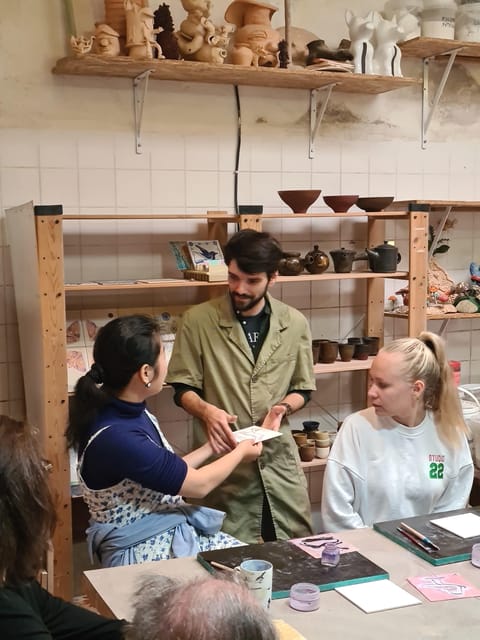
The workshop runs for about 2 hours, and it’s built around a clear sequence. You start by meeting your guide and getting an intro to Portuguese tiles—how they developed, why they show up on so many buildings, and why Porto’s tile culture is so tied to identity.
From there, the class shifts into practical instruction. You learn about techniques used to produce traditional Portuguese tiles, and you get shown how to approach your own design. It’s not just watch-and-copy. You’ll paint, get feedback, and adjust as you go.
Finally, you paint two tiles inspired by traditional motifs. You’re guided enough to succeed even if you’re not an artist. At the same time, you’re clearly the one doing the work, which is why the finished pieces feel personal instead of mass-produced.
Learning tile history in a way that actually sticks
A good tile lecture can drift into facts you forget before you reach your hotel. This one is different because it connects history to places you’ll recognize in Porto.
You’ll learn the importance of tiles in Portuguese art and culture, and how tiles are spread across monuments and houses. The guide’s explanations help you look at Porto with a new filter: not just pretty decoration, but public art and storytelling on ceramic surfaces.
One thing I appreciate in the way this class is framed is the “why tiles matter” focus. It also helps if you’re the type who likes to understand what you’re seeing—why a neighborhood looks a certain way, or how tradition shows up in everyday architecture.
And yes, you’ll have time to ask questions. In one family experience, the guide was praised for being personable and knowledgeable, with plenty of opportunity for Q&A while painting.
Techniques you use on your tiles (not just theory)
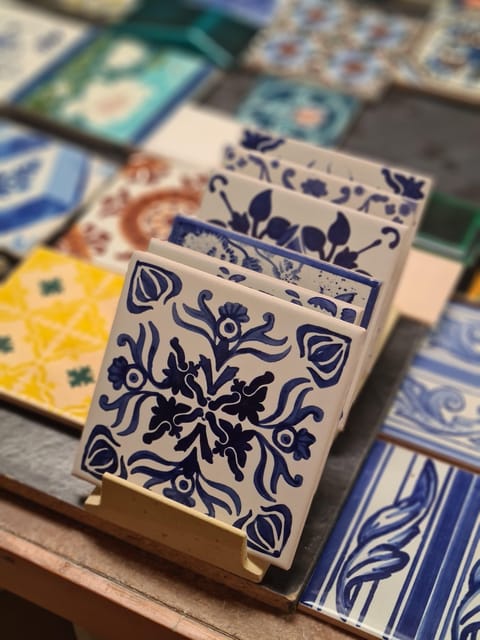
After the intro, you move into the tile-painting techniques that shape traditional Portuguese decoration. The goal is to get you comfortable with how the process works so you’re not guessing at what to do next.
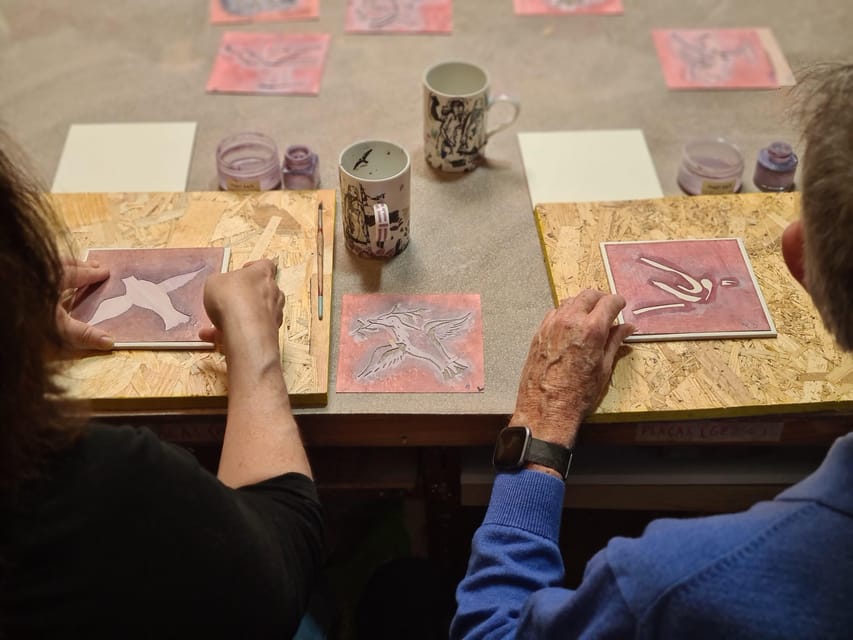
You’ll work with materials provided by the workshop, and you’ll paint with a structure that helps you get a strong result. Stencils are included, so you’re not forced to freehand everything from scratch. At the same time, you’re still responsible for the final look—this isn’t a paint-by-numbers situation where your creativity disappears.
Expect the instructor and an assistant to be present for guidance. That support helps most people avoid the two common problems: rushing the design, or getting stuck on the first section and losing momentum.
Tea and biscuits: a small break that keeps the class comfortable
The workshop includes tea and biscuits, and that pause is more useful than it sounds. It gives you a reset point between the history talk and the hands-on painting.
One guest specifically mentioned herbal infusion in the tea offering, which suggests the breaks aren’t bland. It’s the kind of touch that makes a craft class feel more like a proper local studio morning than an assembly-line activity.
This is especially helpful if you’re doing Porto on a tight schedule. Even though the total time is only 2 hours, the workshop doesn’t feel like a rushed sprint. You get time to think, paint, and finish your tiles without feeling pushed out the door.
Taking your tiles home: firing, pickup, and packaging
Here’s the part that makes this souvenir worth it: your painted tiles are fired after the class. You pick them up 24 hours later, around 11h/12.30 am.
That means you’re not lugging around fragile wet ceramic. Instead, you return the next day for a finished piece you made yourself. One review summed up the feeling perfectly: carrying home something you painted, then watched become real through firing.
You’ll also get proper packaging for your tiles. That matters because ceramic can chip if you wrap it like a random gift. The workshop’s packaging is designed for this specific souvenir, so you don’t have to invent a transport solution on the spot.
What you’re really paying for: $53 and the value math
At $53 per person, the price isn’t just paying for paint time. You’re paying for a full little craft experience: materials, instruction, tea and biscuits, firing of the tiles, and packaging for pickup.
You also get two tiles per person, which boosts value compared to classes where you leave with only one finished item. On top of that, the firing process is included—meaning the studio handles the ceramic part that requires kiln access and experience.
Food and drinks beyond the tea and biscuits aren’t included, so plan around that if you’re pairing the workshop with another activity. But for what’s included, the math works out as a practical souvenir rather than a one-off tasting of an activity.
Who this tile workshop fits best
This is a great choice if you want Porto crafts with context. If you like history but you also need to do something with your hands, the structure works well: history first, then painting.
It’s also a strong option for families. One family experience described doing the workshop with an 8-year-old and a teenager, and said the studio provided two tiles per person. The class format feels approachable, especially because stencils and guidance reduce the intimidation factor.
If you’re traveling solo, it still makes sense. Small-group seating and an instructor who’s available for questions means you won’t feel lost, even if you’ve never painted tiles before.
And if you’re the kind of traveler who prefers to bring home something meaningful, this is better than a typical shop buy. You’re literally creating the ceramic art, then picking it up after firing.
Small-group pacing: better attention without the big-tour feel
The workshop offers small group availability, and that changes how the session feels. You’re not competing for time with the instructor while everyone watches from the back.
Small group also means the guidance is easier to tailor. If you’re slow with brushwork, you can take your time. If you’re confident and want to push details, you can ask how to refine what you’re doing. It’s that kind of studio-like atmosphere that one guest described as a warm and hearty space for creativity.
Practical tips so your tiles look like you meant it
You’ll want comfortable shoes and comfortable clothes. The work is hands-on, and you’ll be standing or leaning for at least part of the class.
Plan your schedule for pickup. The workshop runs for about 2 hours, but your real commitment is the next morning pickup around 11h/12.30 am. Build in time for that so you’re not rushing back to catch a train or bus.
If you’re booking in French or Japanese, you’ll need to indicate the language when you book so the instruction fits you. English is also available, and the session is taught in those three languages.
Finally, keep expectations realistic. You’re painting traditional-motif tiles with guidance, stencils, and studio help. Your result will be a souvenir-level masterpiece, not a museum-grade reproduction—and that’s the point. The finished tiles celebrate your effort and Portuguese inspiration.
Should you book this Porto tile workshop?
I’d book it if you want a hands-on Porto experience that connects directly to what you’ll see in the city: azulejos on facades, stairways, and monuments. The combination of two tiles, tea and biscuits, instruction, and included firing makes it a strong value play.
Skip it only if you want a purely sightseeing day, or if you think you’ll be bored by any history portion. There is an intro and explanation time built into the class, and some people may want the painting to start faster—but the overall structure is designed to help you paint with understanding, not just paint randomly.
If you’re trying to choose between buying a tile souvenir and making one, making one usually wins here. It’s harder to forget something you created with your own hands.
FAQ
How long is the tile painting workshop in Porto?
The workshop lasts 2 hours.
What do I create during the class?
You’ll paint two tiles with traditional motifs. You’ll also learn techniques used for traditional Portuguese tile decoration.
When can I pick up the tiles after the class?
Your tiles need to be fired. They’re ready about 24 hours later, with pickup around 11h/12.30 am.
What’s included in the $53 price?
Included are all materials for tile painting, tea and biscuits, firing of the painted tiles, and packaging for the finished tiles.
Are there different languages for the instructor?
Yes. Instruction is available in English, Japanese, and French. If you want French or Japanese, you need to specify it when booking.
Do I need to bring anything?
Wear comfortable shoes and comfortable clothes. Everything else needed for the tile painting is provided.
Is there parking near the meeting point?
The workshop is near Campanhã station and the TIC bus terminal area, and one guest noted the area is not parking friendly, so don’t rely on easy parking nearby.