REVIEW · UJI
Slow Cycling Tour at Uji’s Matcha Green Tea Fields and Heritage
Book on Viator →Operated by BROMPTON SLOW CYCLING TOURS · Bookable on Viator
Matcha tastes better when you bike for it. This slow cycling tour in Uji pairs a relaxed ride on a BROMPTON bicycle with tea-culture stops and historic shrines south of Kyoto. You move at an easy pace, with a local navigator who helps you reach peaceful spots without the hassle of figuring out routes by yourself.
I love how the tour handles the details for you: bicycle rental, helmet, and ride gear are included, so you can show up and just roll. I also love the way the English guide connects the dots between matcha production and the places you visit, which makes the day feel like a story instead of a checklist.
One consideration: a couple of the most famous stops cost extra if you want to enter (Chazuna and Byodo-in Phoenix Hall), and the experience requires good weather.
In This Review
- Quick hits before you go
- Uji by Slow Bike: Matcha Town, Minus the Rush
- Meet at Uji Station and Roll Out at 10:00
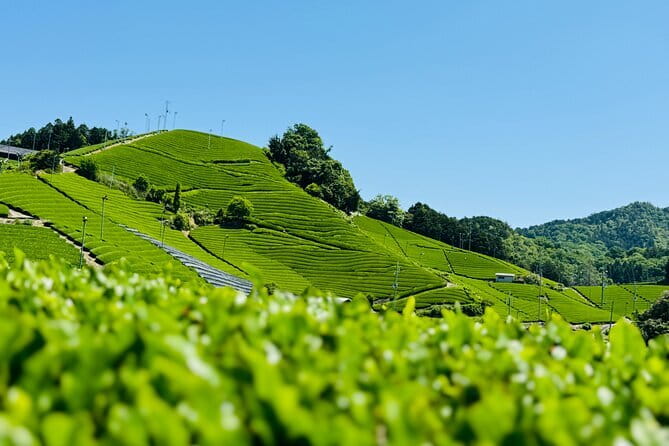
- Tea and Chazuna: Your Matcha Primer Before the Shrines
- Uji Shrine and Ujigami Shrine: Academic Success and Kirihara Water
- Asagiri Bridge to Koshoji Temple: Short Walks, Great Photo Stops
- Amagase Dam and the Uji River Trail: Where Kyoto Gets Quiet
- Byodo-in Omotesando: Phoenix Hall Nearby, Tea if You Want a Break
- The Real Value: A Navigator Who Makes It Easy
- Price and Value: What $130.46 Buys You in Uji
- Who This Tour Fits Best (and Who Might Not)
- Should You Book This Slow Cycling Matcha Tour?
- FAQ
- How long is the Uji slow cycling tour?
- What does the tour cost?
- What time does the tour start?
- Where is the meeting point?
- How many people are in a group?
- What bike do you ride?
- Are helmet and riding gear included?
- Are tickets to Chazuna and Byodo-in included?
- What about insurance?
- What is the cancellation policy?
Quick hits before you go
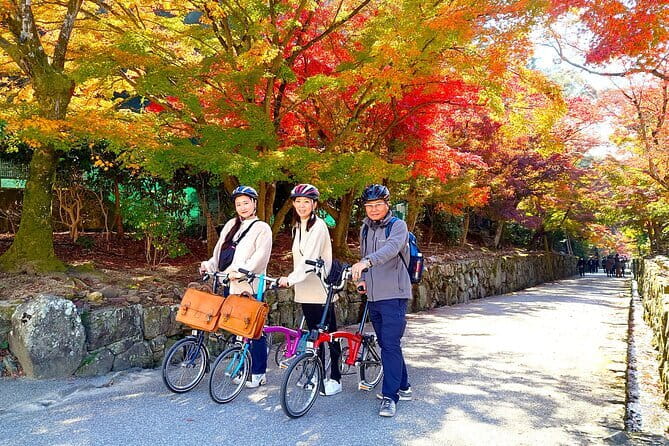
- BROMPTON bicycles + full ride gear: helmet and transport bags mean you travel lighter and cycle more comfortably.
- Small group size (max 6): easier conversation with your English guide and more flexible pacing.
- Tea culture first, then temples: you learn matcha context before you visit religious sites tied to Uji’s identity.
- Riverside calm: an easy nature trail to the Amagase Bridge helps you cool down and reset.
- Flexible course options: you can arrange the route according to your wishes when that’s available.
- Photo-friendly stops: bridges and temple approaches are built for quick stops and great pictures.
Uji by Slow Bike: Matcha Town, Minus the Rush
Uji is famous for matcha, but it’s also quietly serious about tradition. The biggest win of this tour is that it doesn’t treat Uji like a fast stop on a bigger itinerary. Instead, you get a slow loop where tea history, shrine culture, and riverside scenery all make sense together.
The ride style matters too. You’re on a Brompton, which is easy to handle at low speed, and the tour is designed for people who aren’t confident about fitness. That means you’re not spending the whole morning fighting your bike or wondering if you’re going to keep up.
You can also read our reviews of more tours and experiences in Uji.
Meet at Uji Station and Roll Out at 10:00
Your tour meets near Uji Station at Chatsubo PostboxJapan (Umonji 1716, 611-0021). It’s a good setup if you’re already using train time to move around Kyoto, because this area is practical to reach.
You’ll cycle for about 4 hours 30 minutes, and the tour ends back at the meeting point. That loop format is underrated: you don’t need to keep track of the “how do I get back” problem. Also, the group limit is 6 travelers, so it doesn’t feel like you’re part of a moving crowd.
You don’t need to bring cycling gear. The essentials are included—helmet and other equipment for wheeled transport—so you can focus on being present in the places you visit instead of preparing for the logistics.
Tea and Chazuna: Your Matcha Primer Before the Shrines
The day starts at Tea and Uji Town Exchange Center Chazuna, where you can learn about Kyoto’s tea culture and history. The stop is about 45 minutes, and the entrance ticket is optional (listed as 600 yen).
Even if you’re not trying to become a tea expert, this first stop is smart. Uji’s identity is matcha, and without some background the green powder can feel like just another souvenir. Chazuna gives you context on how Uji fits into tea culture, so later temple stops feel more meaningful.
Possible drawback: if you skip the Chazuna entrance, you’ll still be on a guided tea-themed route, but you may miss the structured background that helps everything click.
Uji Shrine and Ujigami Shrine: Academic Success and Kirihara Water
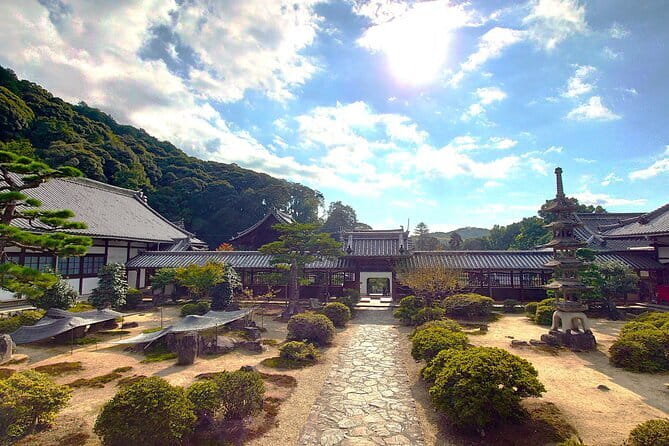
Next up are two shrines with different flavors, but they’re paired for a reason. You’ll spend about 30 minutes at Uji Shrine, which has a history of more than 1,700 years. It’s also believed to be beneficial for academic success and childbirth success—two wishes that tell you a lot about how people have used shrines in everyday life.
Then you head to Ujigami Shrine (about 30 minutes). It’s described as being paired with Uji Shrine, and it features a spring known as Kirihara Water. This spring is listed as one of the seven famous waters of Uji, and it still flows from the grounds.
This shrine duo works well because the guide can connect symbolic meaning with what you can actually see. One moment you’re looking at shrine traditions tied to wishes; the next you’re thinking about place-based spirituality—water as a living tradition rather than just a pretty element.
Asagiri Bridge to Koshoji Temple: Short Walks, Great Photo Stops
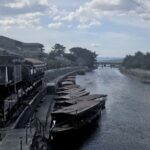
After the shrines, you get a lighter rhythm. Asagiri Bridge is a quick 15-minute stop, and it’s specifically good for photos over the Uji River. This is one of those breaks where you don’t feel like you’re racing through the scenery. You stop, take pictures, and breathe.
Then the route includes Koshoji Temple for about 30 minutes. Koshoji is a Zen temple with a history of around 800 years. What stands out in the description is the stone-walled approach—particularly the Kotosaka slope from the stone gate to the temple grounds. That kind of path detail matters because it turns “temple visit” into a small experience: you’re walking through a carefully designed approach, not just parking and entering.
One practical note: because this is a cycling tour, you’ll likely mix bike time with short walking stretches. So if you have mobility concerns, it’s smart to wear comfortable shoes even if you’re only walking briefly.

Amagase Dam and the Uji River Trail: Where Kyoto Gets Quiet
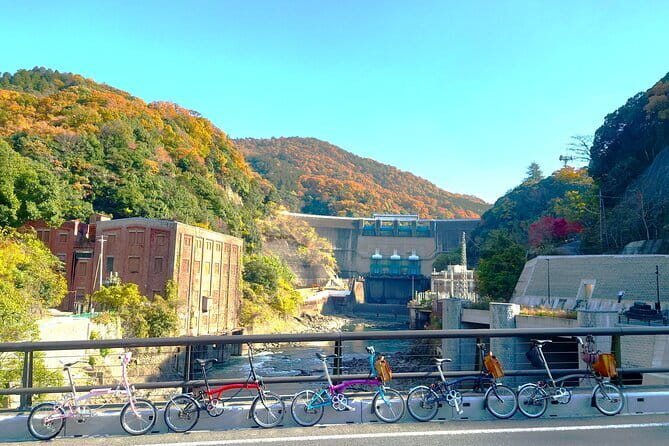
The most calming portion of the route is the nature trail near Amagase Dam, which leads to the wooden Amagase Bridge. The time here is about 1 hour, and it’s described as tranquil—like you forget the hustle and bustle of Kyoto.
This stop is valuable for two reasons. First, it offers a true change of pace from temple interiors and shrine grounds. Second, it gives you a chance to reset mentally while still being part of the guided day.
If you’re going in warmer months, this part can feel especially good because riverside paths often give you a bit more relief than open streets. It’s not sold as a hardcore hike; it’s framed as a nature trail, so it fits the slow-cycling concept.
Byodo-in Omotesando: Phoenix Hall Nearby, Tea if You Want a Break
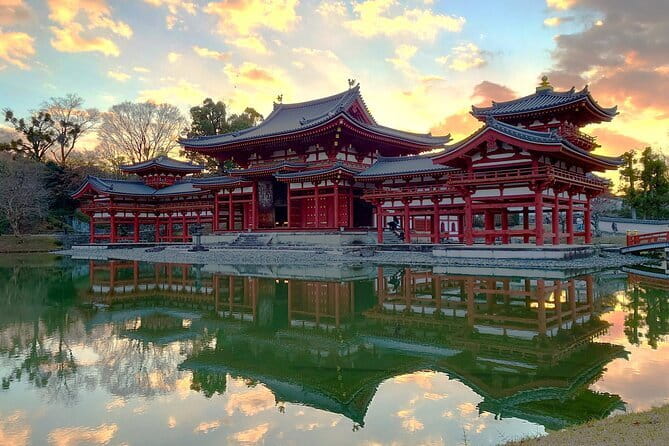
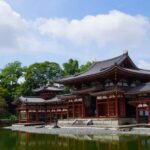
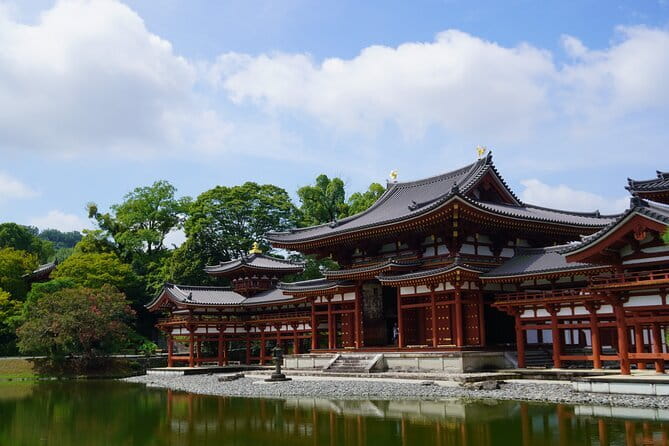
Near the end, you’ll return toward the city and have time for Byodo-in Omotesando and the chance to visit Byodo-in Phoenix Hall (UNESCO World Heritage). The Phoenix Hall entrance is optional (listed as 700 yen).
If you enter, this is the moment where Uji’s reputation becomes very real. Phoenix Hall is one of Japan’s most famous temple sights, and even if you don’t know all the details, the setting makes it easy to appreciate why it’s protected.
If you skip the entrance fee, you still have a nice alternative: stopping for a cup of tea in Uji’s distinctive tea shops. This matters because the tour isn’t only about ticking off sites. It’s also about tasting the place in a relaxed way, which feels right after you learn matcha culture earlier in the day.
The Real Value: A Navigator Who Makes It Easy
Bike tours sound simple on paper—ride here, stop there. The real value comes from the human factor. You have a local navigator plus an English guide, and that changes how the day feels.
You get help with routing and timing, and you also avoid the mental overhead of translating signage while trying to figure out where to park your bike or where the best approach is. The tour is designed for places that can be hard to access on your own without extra effort.
This is also where the small group size helps. With up to 6 people, your guide can adapt pacing and spend more time at the stops that match your interests—especially if you want more focus on tea culture, more time for photos, or a different rhythm around temples and bridges.
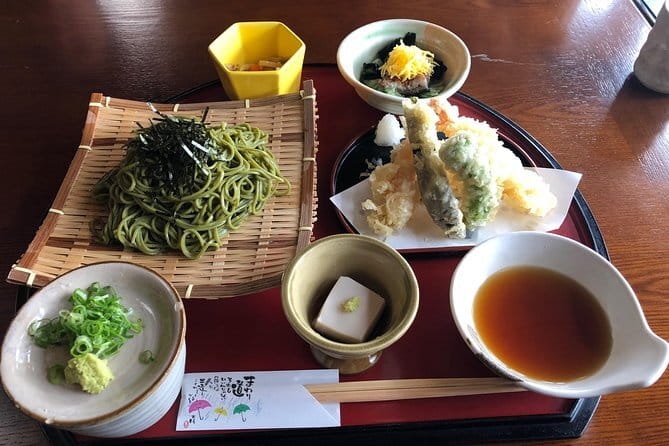
If you’re hoping to get lunch without stress, this tour is built for that. The navigator suggests restaurants based on your preferences during the ride. In practice, that can mean you’re more likely to find options that work for dietary needs. And finishing with matcha—either as part of a tea stop or as a planned drink—is very much the spirit of the day.
Price and Value: What $130.46 Buys You in Uji
At $130.46 per person, this tour isn’t just paying for “a bike.” You’re paying for a package that includes:
- Bicycle rental
- Exclusive navigator fee
- Bicycle equipment (helmet and wheeled-transport bags)
- English guide
That’s why it can be good value compared to cobbling together bike rental plus a private guide plus entrance planning on your own. The tour length (about 4.5 hours) is also a sweet spot: long enough to feel like a real day out, short enough to still enjoy Kyoto afterward.
Just budget for the optional admissions. Chazuna is 600 yen if you want that tea-culture center visit, and Byodo-in Phoenix Hall is 700 yen. Insurance is also optional (500 yen). If you plan to do both major entrances, the final cost will rise—but you’ll also get the full “matcha context to iconic temple” arc.
Who This Tour Fits Best (and Who Might Not)
This is a strong fit if you want:
- A leisurely ride rather than an all-day athletic workout
- Tea culture plus historic sites in one coherent route
- A guide who can help you understand what you’re seeing, not just where to stand for photos
- A small group experience with room to breathe
It’s also a good choice if you’re doing Kyoto for a few days and you want one focused day outside the usual crowded highlights. Uji’s shrines, temple approach paths, and riverside trail offer variety without feeling frantic.
Who might hesitate? If you’re the type who only wants fully guided, ticket-included major attractions every time, the optional admissions may feel like an extra step. Also, since the experience requires good weather, you should be flexible if rain is in the forecast.
Should You Book This Slow Cycling Matcha Tour?
I’d book it if you’re excited by Uji’s matcha identity and you like your sightseeing with breathing room. The mix of tea-culture learning, shrine history, a Zen temple stone approach, and a riverside nature trail to Amagase Bridge gives you a day that feels both practical and atmospheric.
If you also plan to enter Chazuna and Byodo-in Phoenix Hall, you’ll likely get the most complete storyline. And if you don’t, the tea-shop alternative keeps you in the matcha mood without forcing extra spending.
One more tip: even though the ride is slow, wear shoes you’d happily walk in for short temple and bridge stretches. Then you’ll be set to enjoy the whole route without any ankle drama.
FAQ
How long is the Uji slow cycling tour?
It’s about 4 hours 30 minutes.
What does the tour cost?
The price is $130.46 per person.
What time does the tour start?
The start time is 10:00 am.
Where is the meeting point?
It meets at Chatsubo PostboxJapan, 611-0021 Kyoto, Uji (Umonji 1716, Uji Station area).
How many people are in a group?
The tour has a maximum of 6 travelers.
What bike do you ride?
You ride a BROMPTON bicycle.
Are helmet and riding gear included?
Yes. Bicycle equipment such as helmets and bags for wheeled transport are included.
Are tickets to Chazuna and Byodo-in included?
No. Chazuna entrance is optional (600 yen), and Byodo-in Phoenix Hall entrance is optional (700 yen).
What about insurance?
Insurance is not included, but you can add an insurance option (500 yen).
What is the cancellation policy?
You can cancel for a full refund up to 24 hours before the experience starts. The experience may also be rescheduled or refunded if weather is poor.