REVIEW · UJI
Uji: Green Tea Tour with Byodoin and Koshoji Temple Visits
Book on GetYourGuide →Operated by Pinpoint Traveler · Bookable on GetYourGuide
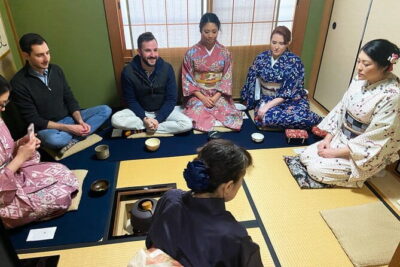
Tea in Uji feels like time travel. On this guided Uji outing, you’ll learn how Japanese green tea grew from samurai culture and religion, then taste it properly. I especially like how the tea lesson is practical and the guide ties every sip to place.
I also really liked pairing the tea with temples you can actually feel: Byodo-in’s Phoenix Hall story on one side and the mountain air at Koshoji on the other. It turns a “tea stop” into a full morning of walking, history, and quiet moments.
One thing to consider: there are stairs, and the route is not recommended for people with mobility limits or back problems. The tour runs rain or shine, so wear shoes that handle uneven, temple-area ground.
In This Review
- Key highlights you’ll care about
- Uji is Kyoto tea culture’s real backyard (not a detour)
- Getting there: Keihan Uji Station as your anchor point
- The first tea-house stop: history you can smell and remember
- Gyokuro tasting: how to taste quality, not just sweetness
- Uji River strolls and how the town shapes the tea
- Ujigami Shrine: purification in a stone grotto (and the UNESCO angle)
- Byodo-in: Phoenix Hall, museum focus, and the kind of peace you came for
- Koshoji Temple: mountain air and a calmer ending
- Price and value: what $111 gets you (and why it’s not just a “tea ticket”)
- Who this tour fits best (and who should rethink it)
- Should you book this Uji green tea and temples tour?
- FAQ
- How long is the tour?
- What is included in the price?
- What is the meeting point?
- What languages are available for the live guide?
- Is the tour rain or shine?
- Are there stairs?
- What should I bring?
- What food or drinks are included?
Key highlights you’ll care about
- Gyokuro tastings built around flavor control: learn what changes in brewing and how that affects taste
- 1160s tea-house storytelling: the oldest tea house still operating and a multi-generation shop tale
- Two UNESCO stops close together: Byodo-in plus Uji’s major Shinto site
- Temple practices taught, not just shown: shrine/temple etiquette and blessing rituals you can repeat
- Ponzu tea-leaf snack: you’ll mix remaining leaves with ponzu and eat them
- Mountain-side finale at Koshoji: a calmer feel after the more tourist-facing temple street
Uji is Kyoto tea culture’s real backyard (not a detour)
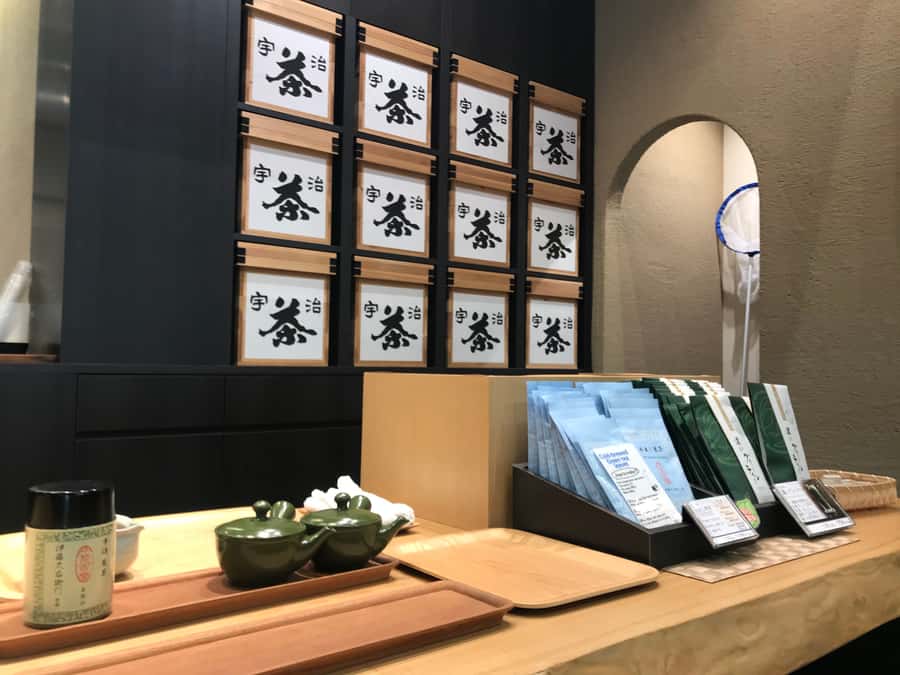
Uji is where Kyoto’s famous tea reputation turns into something you can see with your own eyes. This isn’t just about drinking green tea; it’s about understanding why Uji became a tea powerhouse in the first place—where samurai influence, local religion, and everyday craft all mixed together.
What I find smart about this tour is the pacing: it uses short walks and a guide to keep the story clear. You get views of the river and surrounding hills, plus the cultural “why” behind what you’re tasting. It’s about connection, not trivia dumps.
Also, Uji is a far calmer choice than the busiest Kyoto streets. You’ll still see iconic sites, but you’re doing it in a part of Kansai that feels more like a lived-in town than a museum set. That matters if you want your day to feel human.
You can also read our reviews of more tours and experiences in Uji.


Getting there: Keihan Uji Station as your anchor point
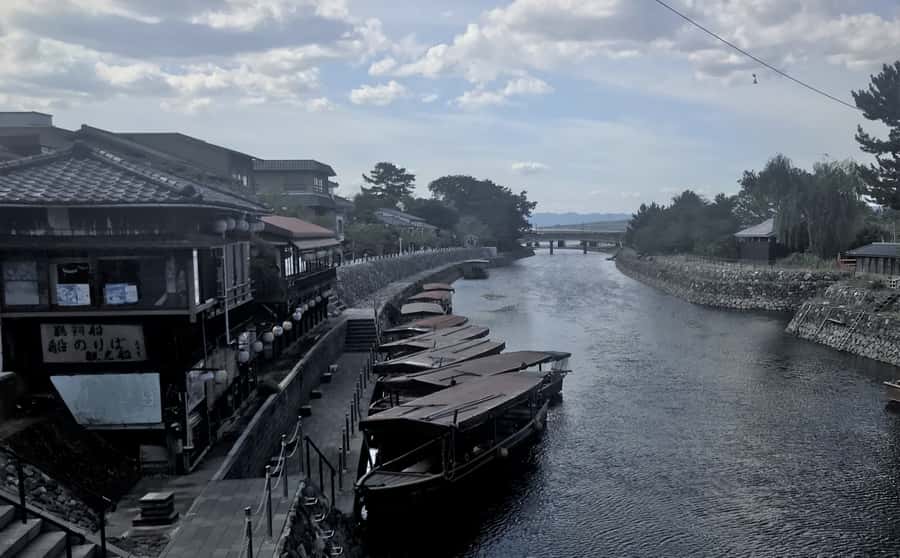
The tour starts at the only exit at Keihan Uji Station, and there’s an escalator up to ground level. That detail helps because it removes the guesswork you often get with group tours.
Expect the day to be walking-heavy. Even if you’re comfortable, temple approaches mean uneven surfaces and steps. For this reason, I’d treat the first minutes like warm-up time: plan to arrive a little early so you’re not rushing in with tired legs and coffee jitters.
Group format is private or small groups (so you’re less likely to feel like a number). That usually makes it easier to ask questions while you’re standing by a shrine feature or inside the temple areas where sound carries.
The first tea-house stop: history you can smell and remember
A big part of the tour’s appeal is the very first taste of atmosphere: a tea house operating since 1160 AD. You don’t just hear a date—you hear how the shop’s lineage connects to a samurai-era story, including how one vassal to a famous samurai became the head of a family that ran the business for generations.
That matters because Japanese tea culture is full of “performance.” The tools, the serving style, and the brewing approach all reflect status, discipline, and respect. When you see the continuity of a long-running tea business, the craft doesn’t feel like a tourist activity. It feels like a practice.
This is also where good guides shine. The tour’s guides—names you’ll hear in the experience like Damien, Ferdinand, Brian, and David—are known for explaining shrine and temple practice in plain language. You’ll get context fast, without needing a crash course in Japanese religion beforehand.
Gyokuro tasting: how to taste quality, not just sweetness
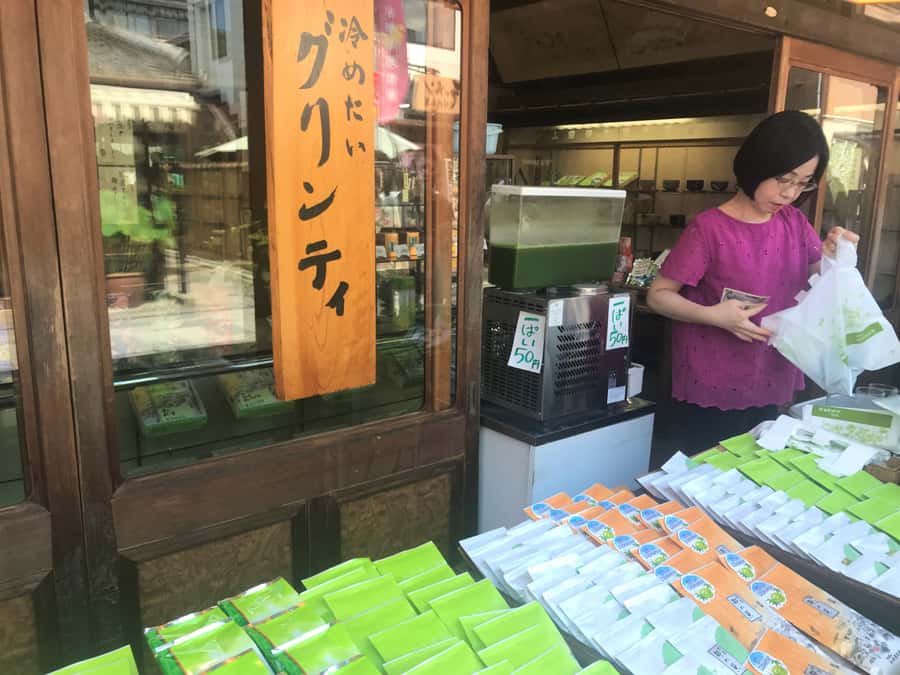
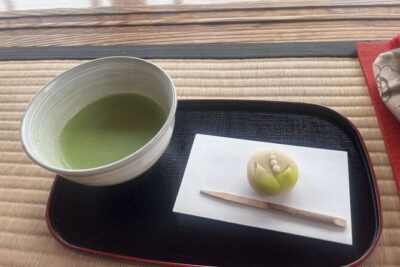
The tea lesson centers on Japanese gyokuro, a tea style prized for its depth. This is not “here’s tea, enjoy.” You learn what makes the tea special—how it’s grown, why it matters, and what happens when you brew it differently.
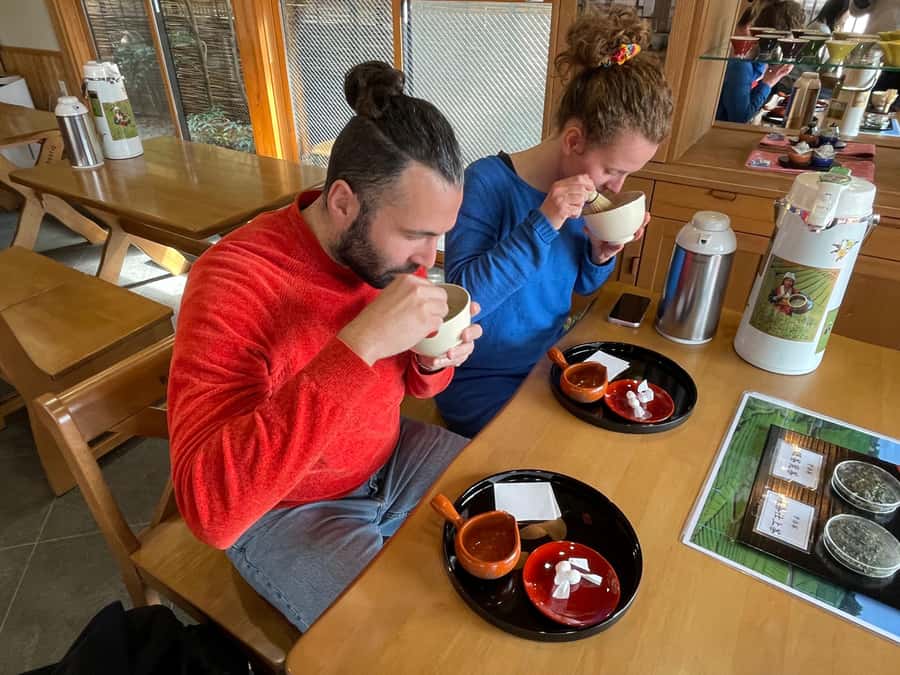
You’ll also do a tasting where the guide walks you through nuances, so you can notice changes instead of just sipping politely. For a lot of visitors, that’s the difference between buying matcha later and buying the right tea because you actually understand the flavor profile.
A unique moment here: after you’ve savored the cups, you’ll mix the remaining leaves with ponzu sauce and eat them. It sounds odd until you’re standing there and the guide explains what you’re tasting for. It’s part of the hands-on culture, and it makes the lesson stick in your brain.
Practical note: if you’re a slow sipper, tell your guide. Some people like photos between steps, and your guide may adjust the tempo so you don’t feel rushed. In past tours, guides have shown flexibility when timing or availability shifts.
Uji River strolls and how the town shapes the tea

Between stops, you’ll walk with views of the river and surrounding hills. That’s not just scenic filler. Uji’s geography and its water sources are part of why the tea experience has such a strong sense of place.
Here’s a detail that helps you connect the dots: Uji’s Shinto site includes a natural spring water source that many tea houses collect to brew their tea. That’s a big reason why water isn’t treated casually in tea culture. It influences taste, but it also carries meaning.
So when the day turns from tea to shrine spaces, you won’t feel like you were dropped into a different activity. It’s still the same theme: how people in Uji treat water, ritual, and craft as one system.



Ujigami Shrine: purification in a stone grotto (and the UNESCO angle)

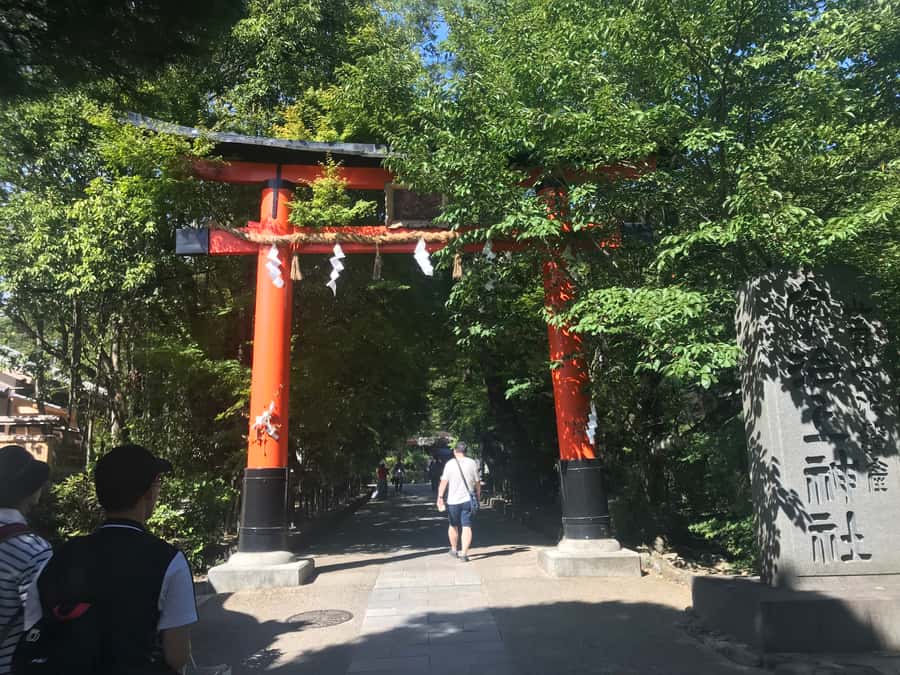
Next comes the mountain-side spiritual stop: Ujigami Shrine, described as the oldest original Shinto shrine in Japan and also a UNESCO World Heritage Site. You’ll learn about the shrine’s role as protector of Uji’s guardian deities.
The experience becomes physical when you step into the stone grotto and purify yourself with water. Even if you’re not a religious person, this part helps you understand what “respect” looks like in practice. It’s not about performing perfectly; it’s about behaving thoughtfully in a sacred setting.
Also, the guides often explain ritual context in a way that makes it easier to follow along. Based on what you’ll see on the tour, you may also be taught a blessing method at a shrine or temple so you can repeat it later on your own during the rest of your Japan trip.
Byodo-in: Phoenix Hall, museum focus, and the kind of peace you came for
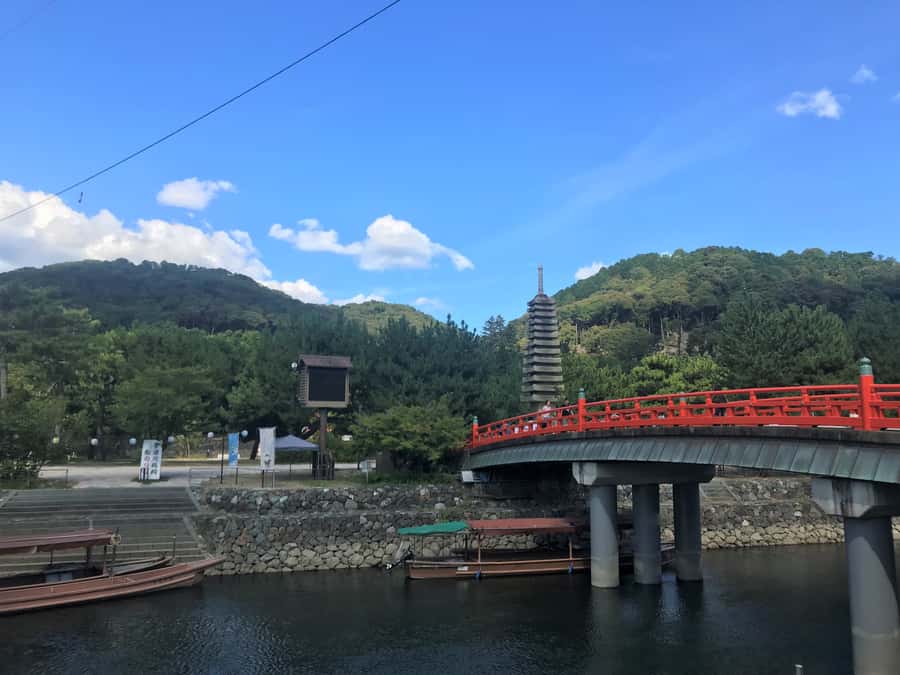
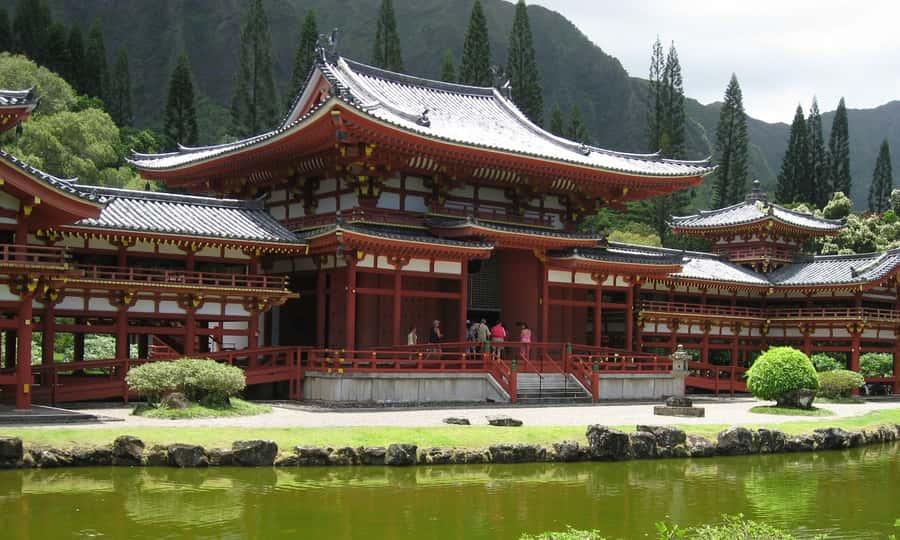
Then you cross toward Byodo-in, another UNESCO World Heritage temple. The headline here is the Phoenix Hall and the way the architecture tells a story through imagery and ritual.
One reason this stop is worth your time is that admissions include access to a museum with a modern approach. That combination—ancient hall outside, modern museum support inside—helps you connect the dots without losing your place.
This is also where you’ll notice how the day balances energy. Earlier tea-town streets can feel more commercial, with tea shops lining a pilgrimage path. After that, the temple area shifts your pace naturally. You slow down because the setting asks you to.
The Phoenix Hall experience is best when you don’t rush. Give yourself room to look from different angles and read whatever the guide points out. If you’re thinking about photos, it’s smarter to pause first, then shoot second—temple photography looks better when you’re actually present with what you’re seeing.
Koshoji Temple: mountain air and a calmer ending

The tour ends with Koshoji Temple, which is described as hugging the mountain. This last stop matters because it changes the mood after Byodo-in.
You’ll walk in lush surroundings and get a Zen-style reset. It’s not framed as a forced meditation class; it’s more like a chance to let your mind slow down while you’re in a real temple environment.
Koshoji also completes the theme of the day: tea as a spiritual-adjacent craft, supported by religious spaces and mountain geography. After all the tea tasting and shrine lessons, the mountain setting ties the whole experience together in a natural way.
And when the day finishes, you return back to the meeting point. In other words: you don’t have to figure out transport at the end with your legs already tired.
Price and value: what $111 gets you (and why it’s not just a “tea ticket”)
At about $111 per person for roughly 4 hours, the value is mostly in what’s included.
You’re paying for:
- a live guide (English or Spanish)
- temple admissions for both Byodo-in and Koshoji
- a gyokuro tea experience plus a tea tasting
That’s a key distinction. If you did temples on your own, you’d spend time reading, translating, and figuring out what you’re seeing. This tour compresses the learning and interpretation into one morning.
You’re also paying for the hands-on tea component that changes the flavor profile and ends with the ponzu leaf bite. That isn’t the kind of thing you usually replicate perfectly on your own without a lot of trial and error.
One more hidden value: the small-group feel. If you go at a pace where you can ask questions, you’ll get more from the day than just “see the sites.” Guides like Brian, Kevin, and Damien are frequently praised for being flexible and for explaining cultural and religious nuance clearly, including how to behave respectfully.
Who this tour fits best (and who should rethink it)
This experience is a great match if you:
- love tea and want to understand gyokuro beyond store descriptions
- want UNESCO temples without spending your entire day navigating alone
- enjoy guides who explain how Shinto and Buddhism connect in daily cultural behavior
It’s also ideal as a Kyoto side trip. You’re about 30 minutes by local train from central Kyoto spots like Gion or Kyoto Station. That timing makes it workable even if you already have Kyoto temple plans.
But rethink if you:
- have limited mobility or need to avoid steps (there are stairs involved)
- have back problems
- have mobility or heart-related concerns (the tour isn’t recommended for these situations)
If you’re in good walking shape and you can handle rain-soaked temple paths, you’ll likely find this day both educational and calming rather than exhausting.
Should you book this Uji green tea and temples tour?
If your goal is to understand Japanese green tea in a real context—then taste it, not just watch it—this tour is a strong pick. The mix of gyokuro tasting, shrine purification, Byodo-in’s Phoenix Hall focus, and the mountain quiet of Koshoji gives you a full arc instead of a checklist.
Book it if you like guided interpretation and want a day that feels less crowded than central Kyoto. Skip it (or talk to the operator first) if you need step-free routes, since stairs are part of the experience and it runs rain or shine.
If you’re already planning a Kyoto-heavy itinerary, this is a smart way to add something different while still hitting major UNESCO sights.
FAQ
How long is the tour?
It runs for 4 hours.
What is included in the price?
The tour includes the guide, Japanese gyokuro green tea experience, tea tasting, and admission fees for Byodo-in and Koshoji Temple.
What is the meeting point?
The start is at the only exit at Keihan Uji Station, with an escalator going up to ground level. The tour ends back at the meeting point.
What languages are available for the live guide?
The live guide is available in English and Spanish.
Is the tour rain or shine?
Yes. It takes place rain or shine.
Are there stairs?
Yes. There are stairs involved, and the tour is not recommended for people with limited mobility.
What should I bring?
Wear comfortable shoes.
What food or drinks are included?
Food and drinks outside of the tea experience are not included. The tea experience is included.