REVIEW · CHIANG RAI
From Chiang Rai 3 Temples & Golden Triangle &Tea Plantation
Book on GetYourGuide →Operated by LocalCNXTours · Bookable on GetYourGuide
Art temples in Chiang Rai pull you in fast. I like how the Wat Rong Khun (White Temple) mixes modern artwork with Buddhist symbolism, and I also enjoy the way the Blue Temple and the strange Black House feel like you walked into a storybook, not a standard temple visit.
One caution: the Opium Museum can take up time in a way that doesn’t land for everyone—if you care more about temples, views, and tea country than historical exhibits, plan for that choice before you commit.
In This Review
- Key Highlights to Know Before You Go
- Chiang Rai’s Temple Art: White, Blue, and Black Stops
- Wat Rong Khun (White Temple): modern art with Buddhist meaning
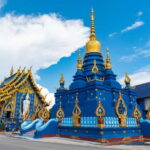
- The Blue Temple: a full-on visual attitude
- The Black House: museum energy, not typical temple rules
- Golden Triangle and the Tea Plantation: Views Plus a Slower Pace
- Golden Triangle area: classic Chiang Rai scenery time
- Tea plantation: the calm break you’ll be thankful for
- Karen Hilltribe Village and the Opium Museum: Culture and Controversy
- Karen Hilltribe Village: a cultural meeting point
- Opium Museum: the part to assess based on your interests
- What’s Included (and Why It Matters for Your Budget)
- The big budget catch: standard entrance fees aren’t included
- Lunch, Timing, and How the Small Group Affects the Day
- A day tour pace: full-day means trade-offs
- What to Bring and What to Avoid
- Who This Tour Fits Best
- Should You Book This Chiang Rai Day Tour?
- FAQ
- How long is the Chiang Rai 3 Temples & Golden Triangle & Tea Plantation tour?
- What’s the group size like?
- Is pickup and drop-off included?
- Does the tour include a guide?
- Is lunch included?
- Are temple and attraction entrance fees included?
- What else is included besides transport and the guide?
- What should I bring?
- Is this tour suitable for wheelchair users or older travelers?
- What is the cancellation policy?
Key Highlights to Know Before You Go
- Wat Rong Khun (White Temple): modern art temple with Buddhist meaning and a visual style that sticks with you
- Blue Temple + Black House: a contrast you can feel—color, odd details, and a museum vibe at the end
- Golden Triangle area: a classic Chiang Rai stop built for views and curiosity
- Karen Hilltribe Village + Opium Museum: cultural storytelling plus an exhibit that may or may not be your thing
- Tea plantation time: a calmer, scenic change of pace from the temples
- Small group (max 10): easier questions, less waiting, and a more personal rhythm with your guide
Chiang Rai’s Temple Art: White, Blue, and Black Stops
Chiang Rai does something different from Chiang Mai. Instead of only “pretty temples,” it leans hard into imagination and artistic identity. On this day tour, you’re set up to see that shift in three chunks, each with its own mood.
You can also read our reviews of more tours and experiences in Chiang Rai.
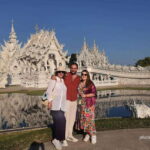
Wat Rong Khun (White Temple): modern art with Buddhist meaning
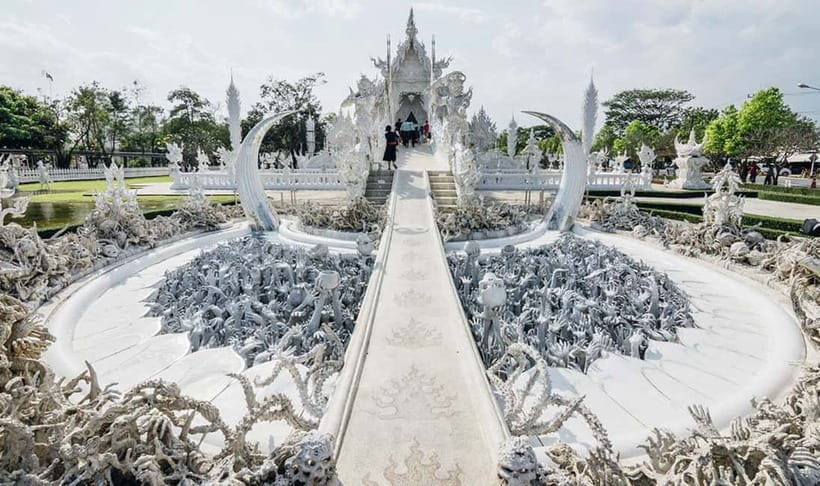
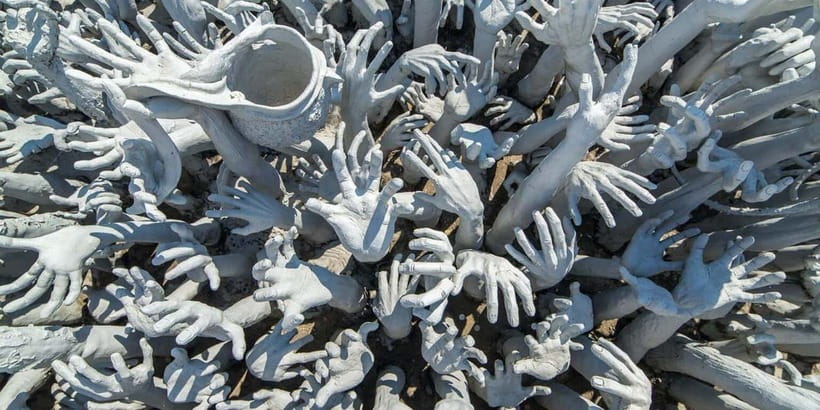
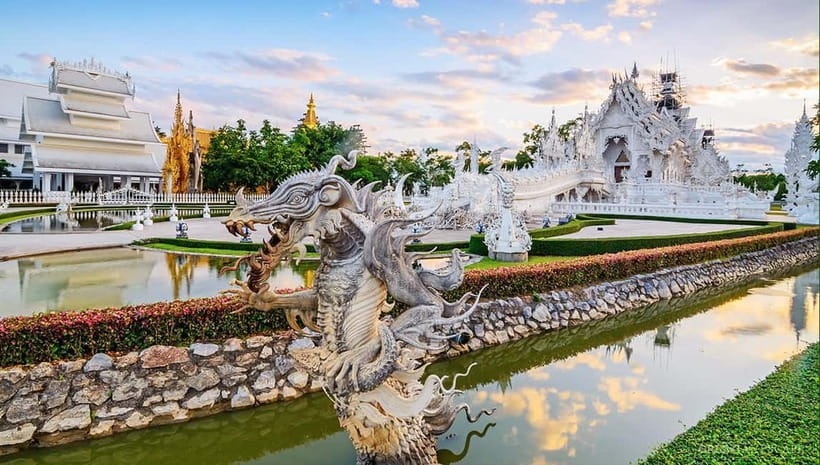
Wat Rong Khun is the star for a reason. The White Temple is described as a modern structure and a work of art by a legendary Thai artist—the same artist who supposedly wanted Chiang Rai to have their own Taj Mahal. Even if you’ve never heard that story, the building itself communicates it: it feels intentionally crafted, not just restored.
What you’ll likely enjoy most is the way the temple invites you to read it. The White Temple doesn’t just show beauty. It nudges you toward symbolism—like you’re meant to notice details and think about the idea of imagination. If you like architecture that makes you pause (and then look again), this is a strong start to the day.
Practical note: it’s a temple stop, so plan for outdoor time under sun. Bring your hat and sunscreen, and expect you may want water breaks.
The Blue Temple: a full-on visual attitude
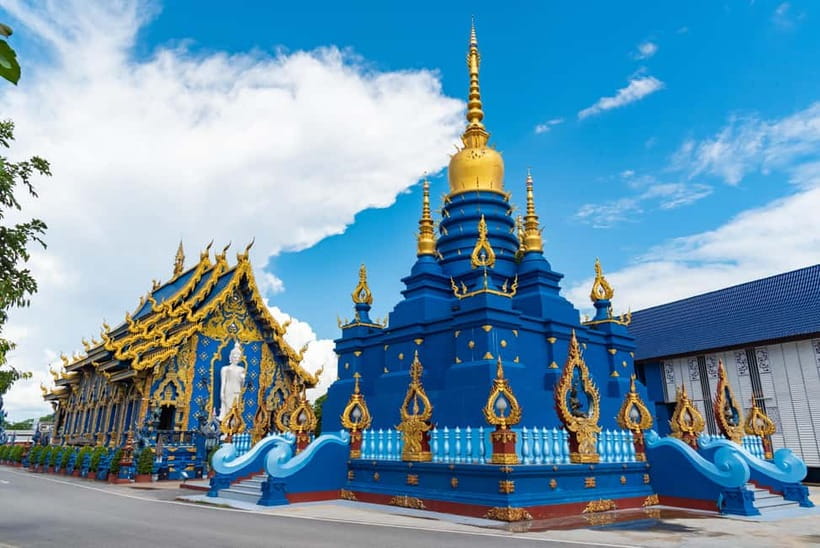
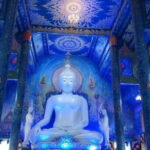
Then you move to the Blue Temple, where the look is more direct and less subtle than the White Temple. It’s all about color and repetition—an obvious shift after the crisp, white look of Wat Rong Khun.
If the White Temple makes you wonder, the Blue Temple does more than that. It argues that Chiang Rai blends modern art with Buddhist history. You’re not just seeing “a temple.” You’re seeing a style of religious art that’s also contemporary in spirit. It’s a good stop if you’re traveling with someone who likes photos, but it also works if you prefer calm observation over museum-style reading.
The Black House: museum energy, not typical temple rules
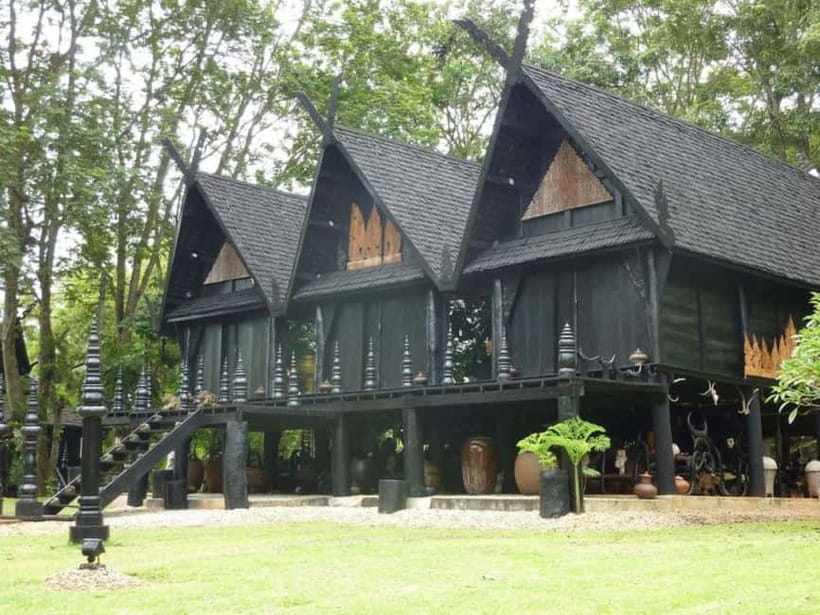
The Black House is often the most polarizing stop. It’s not really presented as a traditional temple. Think museum. Think unusual setting, odd details, and a story told through objects and design.
From what you’re told going in, it might not be for everyone. If you love art and history and you enjoy quirky places with strong character, you’ll probably get a lot out of it. If you’re temple-focused and short on patience for museum-style exhibits, this is where you may feel the schedule gets heavy.
There’s also one reviewer-style lesson worth taking seriously: if the Black House timing feels long for you, you can mentally plan for that. You’re not stuck—you can still enjoy the oddness, just don’t assume the day will feel perfectly balanced.
Golden Triangle and the Tea Plantation: Views Plus a Slower Pace
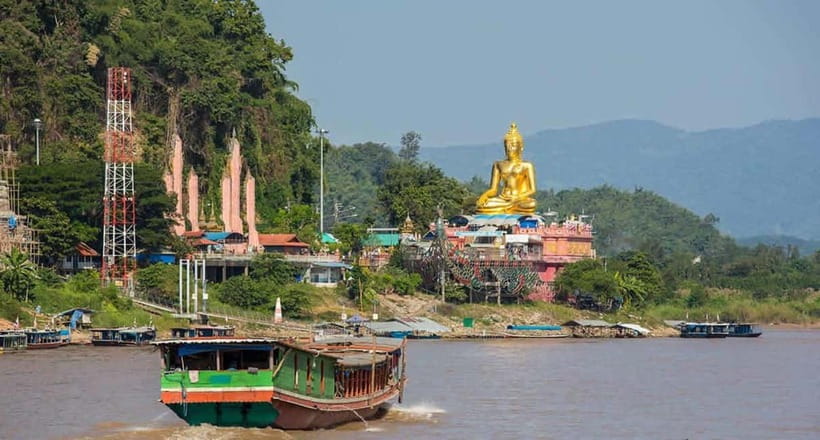
After the temple art run, the tour shifts gears. This is where the day becomes less about close-up detail and more about scenery and variety.
Golden Triangle area: classic Chiang Rai scenery time
You’ll go to the Golden Triangle area. The tour description frames it as a sightseeing stop—one of Chiang Rai’s iconic regions for people who want a sense of place beyond the temples.
I like this kind of stop because it resets your brain. After hours of symbolism and visual design, you get a chance to look outward. Even if you’re not the type to collect stamps of geography, you’ll probably appreciate having at least one viewpoint-style segment in a full-day outing like this.
Tea plantation: the calm break you’ll be thankful for
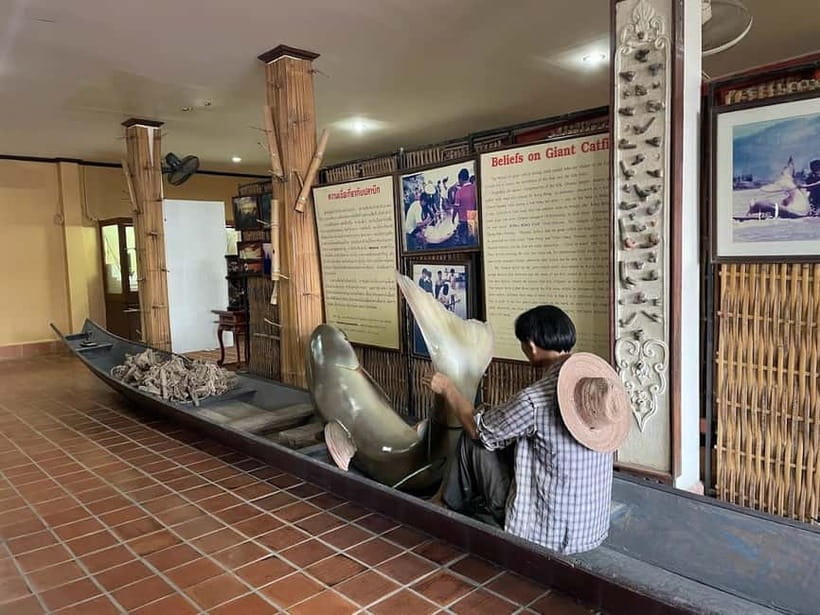
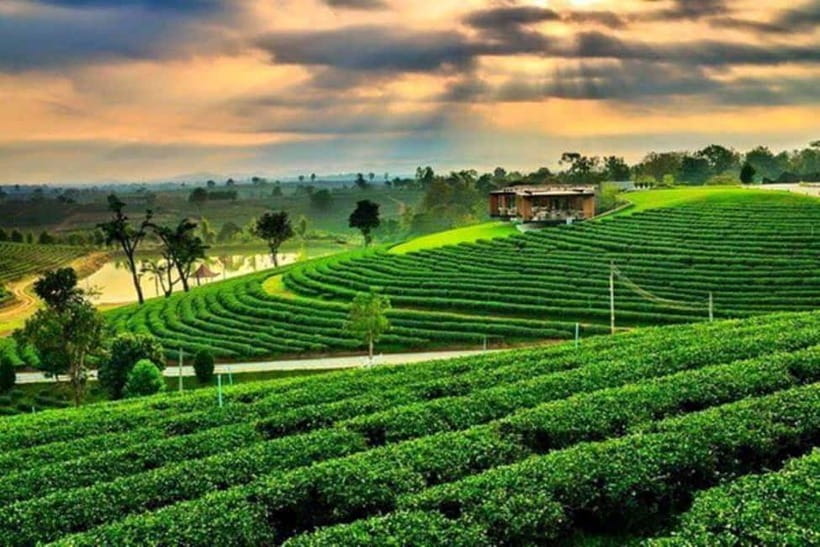
Then comes the tea plantation. This is a smart counterbalance to the temple-heavy morning. Tea country usually gives you space to slow down, take photos, and breathe a bit.
What’s valuable here isn’t just the greenery. It’s the pacing. A day tour can feel like a checklist. The tea plantation helps break that up so the rest of the cultural stops feel less rushed.
If you’re traveling in hot weather, this may still be time in the sun. But it’s often the kind of environment where you don’t feel trapped in a single building.
Karen Hilltribe Village and the Opium Museum: Culture and Controversy
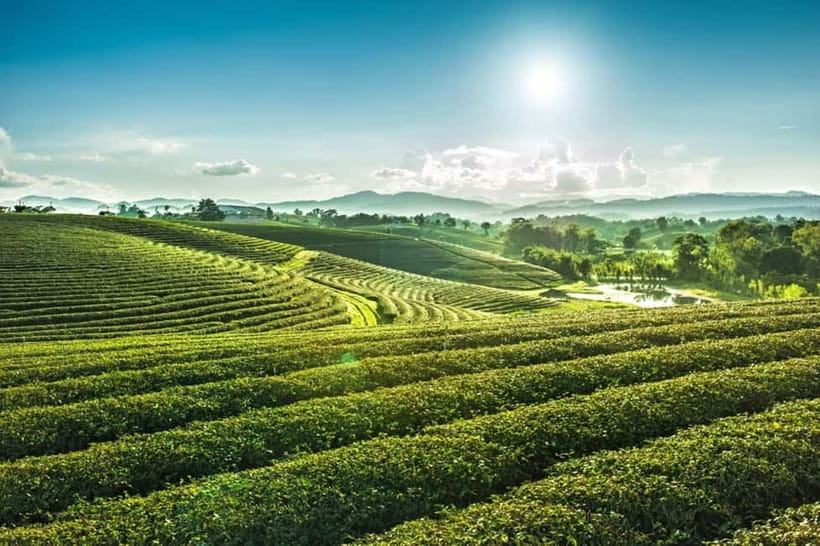
This portion of the day is where the tour gets most “human story” focused. It also includes a historical exhibit that can divide opinions.
Karen Hilltribe Village: a cultural meeting point
You’ll visit the Karen Hilltribe Village. The purpose is to connect you with a community and its story, not just take a photo and leave. The tour description pairs it with the Opium Museum, which suggests the day is designed to cover both culture and the region’s harder history.
If you’re the type who likes to ask questions and listen carefully, this segment can feel more meaningful than a purely sightseeing stop. It’s also a good place for you to pay attention to how the guide explains everyday life, traditions, and the meaning behind what you’re seeing.
Opium Museum: the part to assess based on your interests
The Opium Museum is the caution flag. One key piece of feedback is simple: some people would skip it and choose another experience instead. Another piece of feedback suggests the schedule might feel lopsided, with time that could be used elsewhere.
So here’s the practical way to decide: if you’re interested in history and how the past shapes the region, you may appreciate this exhibit. If you’re more in “temples and views” mode, you might not love that the museum takes time away from other stops.
Either way, go in with eyes open. You can still learn something, but it shouldn’t be a surprise that this part is the most likely to feel optional.
What’s Included (and Why It Matters for Your Budget)
At around $43 per group up to 1 (check current availability for exact starting times), this is a budget-friendly way to cover a lot of ground in one day—especially if you’re comparing it to paying for separate transport plus hiring a guide.
Here’s what you’re getting:
- Air-conditioned minibus with a driver
- A private English-speaking tour guide
- Buffet Thai lunch (with vegetarian available if you request it)
- Drinking water
- Travel accident insurance
- Free pickup and drop-off within 6 kilometers of the city center (pickup is from the old city area around 5 km from the center)
That combination—guide + transport + lunch—reduces decision stress. It’s also good value if you don’t want to spend your Chiang Rai day figuring out routes, tickets, and timing.
The big budget catch: standard entrance fees aren’t included
The tour notes that all standard fees are not included. That means you should prepare cash for temple and attraction fees. You’ll want to do this before you’re standing at a ticket counter with limited options.
This is the one thing that can quietly change the math. The tour price covers the experience components listed above, but you should assume you’ll pay additional entry fees once you arrive.
My advice: treat the $43 as the transportation-and-guide baseline, then budget for extra entrance fees on top.
Lunch, Timing, and How the Small Group Affects the Day
You’ll be in a small group limited to 10 participants, which is a meaningful detail. In a group that size, your guide can usually slow down to answer questions, and you won’t spend as much of the day waiting for everyone to regroup.
You’ll also have a buffet Thai lunch. The important detail is that dietary restrictions are something you should tell your guide in advance. Vegetarian is available upon request. If food restrictions matter to you, this is one of those cases where you should speak up early rather than hoping it works out.
A day tour pace: full-day means trade-offs
This is a full-day outing covering multiple major stops. That usually means fewer lingering moments and more “see it, enjoy it, move on.” That’s not bad—it’s often the right way to cover Chiang Rai efficiently.
But be realistic. If your ideal day is slow and long at each site, you might find you wish for more time somewhere—especially around the stops that can feel heavier, like the Black House or the Opium Museum.
What to Bring and What to Avoid
This tour asks you to keep it simple:
- Bring a hat and sunscreen
- Wear comfortable shoes because you’ll be walking through multiple attractions
- Plan to carry cash for standard entrance fees
And a few hard rules:
- No pets
- No alcohol and drugs
If you tend to travel light, that’s fine—just don’t skip the sun protection. Chiang Rai can feel bright and hot, and your best photos will come when you’re not rushing from shade to shade.
Who This Tour Fits Best
This is a great match if you:
- Love art-driven temples and unusual architecture
- Want a one-day introduction to Chiang Rai beyond the city center
- Appreciate cultural stops plus one or two “learning” components
- Like small group travel with a private English guide
- Prefer having transport handled for you
It’s less ideal if you:
- Strongly dislike museums or historical exhibits, especially the Opium Museum component
- Need wheelchair access (the tour is not suitable for wheelchair users)
- Travel with accessibility constraints or are older and prefer easier mobility (it’s not suitable for people over 70 years)
Should You Book This Chiang Rai Day Tour?
I’d book this tour if you want maximum variety in one day: artistic temples (White, Blue, Black), then Golden Triangle viewpoints, then tea plantation calm, and finally Karen Hilltribe Village culture plus an optional-feeling museum segment.
But decide based on your interests. If the Opium Museum feels like a “maybe,” this tour might still work because the rest of the day has plenty of energy. If you know you’d rather spend that time elsewhere, be selective and consider whether you want a different day plan.
If you’re ready for a full itinerary and you’re comfortable bringing cash for standard entrance fees, this is a solid value way to see the signature side of Chiang Rai—without the hassle of figuring it all out yourself.
FAQ
How long is the Chiang Rai 3 Temples & Golden Triangle & Tea Plantation tour?
The tour is 1 day. Starting times can vary, so check availability for the time options.
What’s the group size like?
It’s a small group limited to 10 participants.
Is pickup and drop-off included?
Yes. Free pickup and drop-off is included within 6 kilometers of the city center. Pickup is from the old city area about 5 km from Chiang Rai city center. If you stay outside the city, contact the provider for more information.
Does the tour include a guide?
Yes. You’ll have a private English-speaking tour guide.
Is lunch included?
Yes. A buffet Thai lunch is included, and vegetarian food is available upon request if you inform the guide about dietary restrictions or allergies.
Are temple and attraction entrance fees included?
No. All standard fees are not included, so you should prepare cash for the visits.
What else is included besides transport and the guide?
The tour includes transportation via air-conditioned minibus with a driver, drinking water, and travel accident insurance.
What should I bring?
Bring a hat and sunscreen.
Is this tour suitable for wheelchair users or older travelers?
No. It is not suitable for wheelchair users, and it is also not suitable for people over 70 years.
What is the cancellation policy?
Free cancellation is available up to 24 hours in advance for a full refund.