REVIEW · CHIANG RAI
Chiang Rai: 7 Major Sites, Golden Triangle & Tea Plantation
Book on GetYourGuide →Operated by LocalCNXTours · Bookable on GetYourGuide
Temples and borders in one long morning. I love how this day strings together three signature art stops (White Temple, Blue Temple, Black House) and then shifts gears to the Golden Triangle and Opium Museum. It’s a smart mix if you want Chiang Rai’s creative side and its border-area stories without hopping around on your own.
I also like the small group feel, plus a smooth minibus ride with a private English-speaking guide. You’ll get a buffet Thai lunch and plenty of bottled water to keep the day moving. One consideration: it’s not suitable for wheelchair users, and the day involves walking around temple and museum sites, so it may feel like a lot if you prefer minimal stairs and steps—especially since the trip is capped for ages over 70.
In This Review
- Quick hits before you go
- One day that actually connects the dots in Chiang Rai
- The real itinerary flow: 7 major sites, one smooth day
- Wat Rong Khun: The White Temple’s modern art twist
- Wat Rong Suea Ten (Blue Temple): Buddhist space with modern color
- Black House (Baan Dam): a museum with attitude
- Golden Triangle: where the view meets the history
- Opium Museum: the story behind a region’s reputation
- Karen Hilltribe Village (optional): cultural time with your own pace
- Chui Fong Tea Plantation: a calmer afternoon pause
- Lunch, water, and small-group timing that reduces stress
- Price and ticket choices: what $72 really means for you
- Guides who set the tone: English explanations and real-world help
- What to bring, rules to follow, and who this day fits best
- Should you book this Chiang Rai day tour?
- FAQ
- What’s the duration of this Chiang Rai tour?
- How big is the group?
- Are lunch and drinking water included?
- Is vegetarian food available?
- What’s included in the transportation?
- Does the tour include entrance tickets?
- What sites are covered in the 7 major stops?
- Is there hotel pick-up?
- Is the tour suitable for everyone?
Quick hits before you go
- White Temple and Blue Temple pack big visual impact with modern art next to Buddhist space
- Black House (Baan Dam) is less a temple and more a strange, story-driven museum stop
- Golden Triangle + Opium Museum turns a scenic area into something you’ll understand
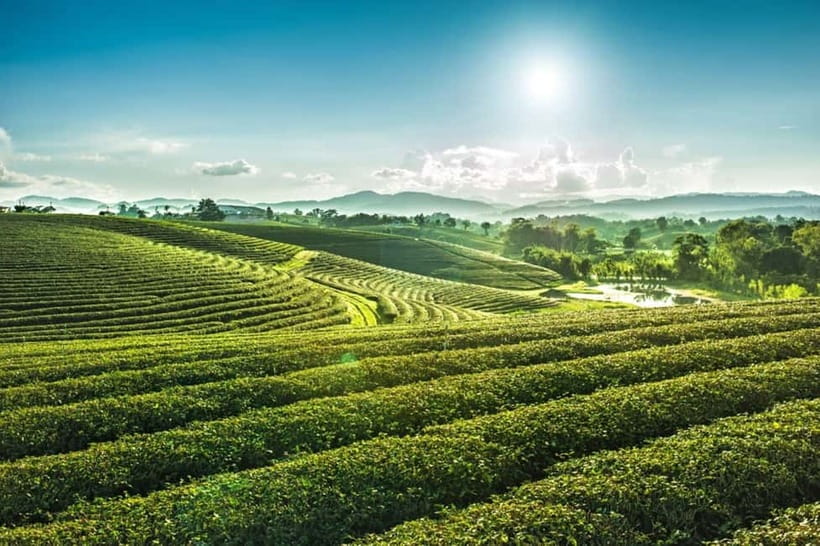
- Chui Fong Tea Plantation adds a slower, cooler change of pace from temples
- Karen Hilltribe Village is an option if you want one more layer of culture
One day that actually connects the dots in Chiang Rai
Chiang Rai can feel spread out. This tour helps you see the province like a single story: art and belief in the morning, then the region’s border history, then a peaceful pause at a tea plantation. It’s also built around a full-day rhythm, with a hotel pick-up in the morning and a return to Chiang Rai in the evening.
You’ll start early (pick-up is around 8:00–8:30 am, with a 30-minute window), so the day begins before the heat fully ramps up. That matters in Thailand. It keeps temple visits comfortable and gives you a better shot at enjoying details instead of rushing because the sun is pounding.
This is a small group tour (up to 10 people). That size is big enough to feel social, but small enough that your guide can keep track of the group and pace stops in a human way.
You can also read our reviews of more tours and experiences in Chiang Rai.
The real itinerary flow: 7 major sites, one smooth day
The tour covers “7 major sites,” which translates into a tight but manageable sequence:
- White Temple (Wat Rong Khun)
- Blue Temple (Wat Rong Suea Ten)
- Black House (Baan Dam)
- Golden Triangle area
- Karen Hilltribe Village (optional)
- Chui Fong Tea Plantation (Chui Fong)
- Opium Museum
You’ll also have a buffet Thai lunch during the day. The lunch is included, and you can ask for vegetarian food if you have dietary restrictions or allergies.
What makes the pacing work is that you’re not trying to cram only temples. The itinerary gives you variety: intense visuals at the art temples, then the border-history stops, then a tea plantation where the pace naturally softens. Variety reduces fatigue. And in a one-day format, that’s not a small detail.
Wat Rong Khun: The White Temple’s modern art twist
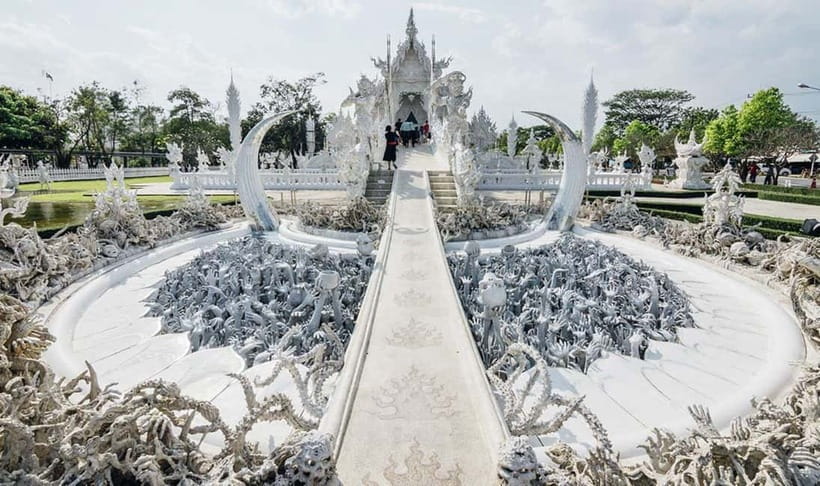
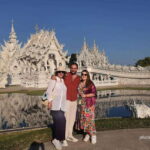
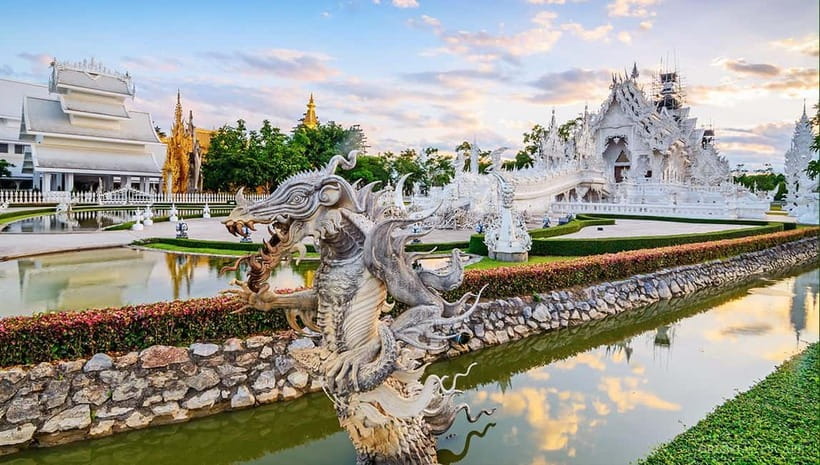
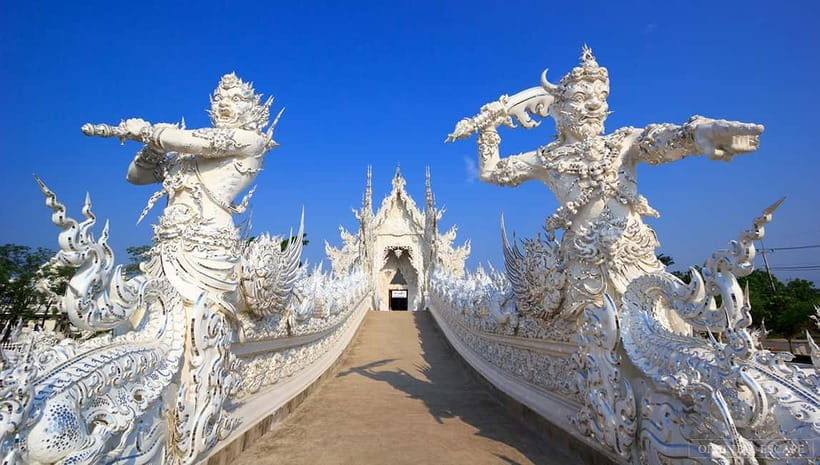
The White Temple is Chiang Rai’s most famous “wow” stop, and it’s also the one that surprises first-timers. You’re not just visiting a classic temple layout. You’re walking through a modern art structure built by Thai visionaries, so the place reads like a living artwork.
Expect plenty of photo angles and intricate details that reward time. The temple’s look is clean and dramatic in person—bright surfaces, sharp shapes, and visual symbolism throughout. If you like art that uses religious themes as material, this stop will feel like the day’s anchor.
Ticket note: the White Temple ticket is listed as 200 baht per person when you choose the option that doesn’t include it. If your package includes tickets, you’ll follow the standard ticket setup listed with your booking.
A practical tip: if you want the best photos, wear something comfortable for standing and walking. Also bring sunscreen and a hat. The morning might start mild, but temple visits can still add up quickly.
Wat Rong Suea Ten (Blue Temple): Buddhist space with modern color
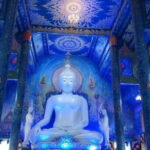
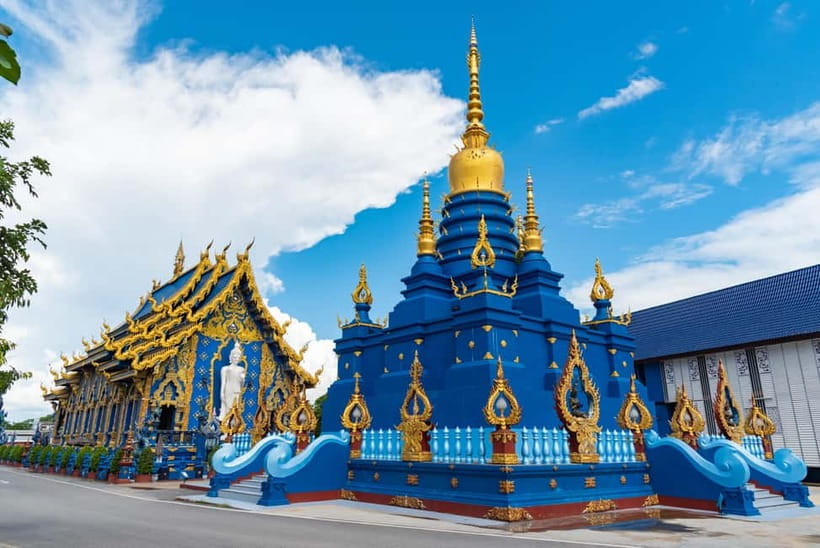
Right after the White Temple, the Blue Temple shifts the mood. This one leans into bold color and a more electric visual identity. It’s a great pairing because you can compare how Chiang Rai expresses faith through different artistic languages.
Here’s what I think you’ll enjoy: the way modern design and Buddhist temple purpose sit side by side. Even if you’re not a “temple person,” the Blue Temple works as a visual experience first. Then, as your guide explains the symbolism, it becomes more than a set of pretty buildings.
Timing-wise, you’ll want to slow down. The Blue Temple is the kind of place where rushing makes it feel flat. If you take a few minutes to look at patterns and structure, you’ll feel the art more clearly.
Black House (Baan Dam): a museum with attitude
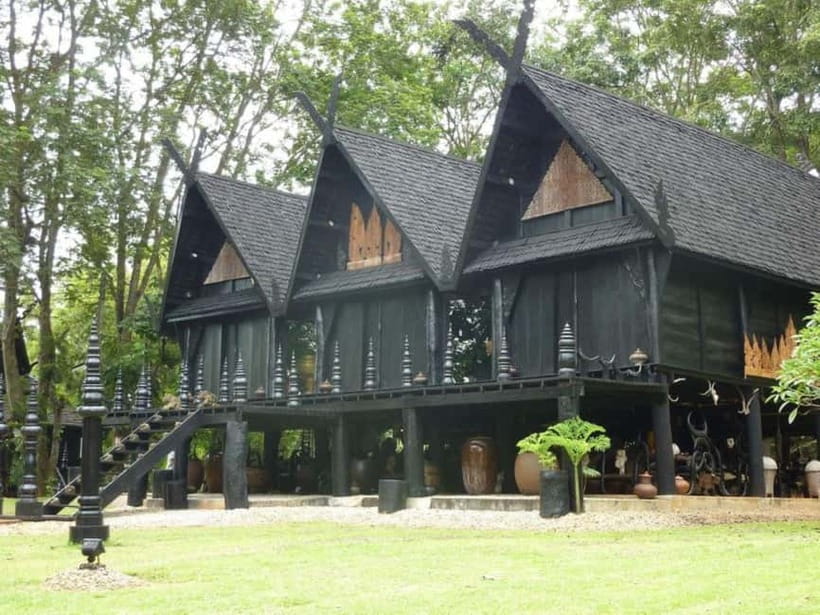
The Black House is often described as a temple, but it behaves more like a museum. That distinction matters because it changes what you should expect.
Instead of calm meditation vibes, you’ll likely get a more unusual, curated-feeling walk through objects and spaces that are meant to provoke curiosity. It’s the type of stop you either love immediately or find a bit odd—and that’s normal. If you love stories told through objects and strange design, it’s a highlight. If you’re seeking traditional temple calm only, it might not be your favorite.
Still, it’s a key part of why Chiang Rai is different. The Black House pushes against simple expectations, and that contrast helps the whole tour feel more memorable.
Golden Triangle: where the view meets the history
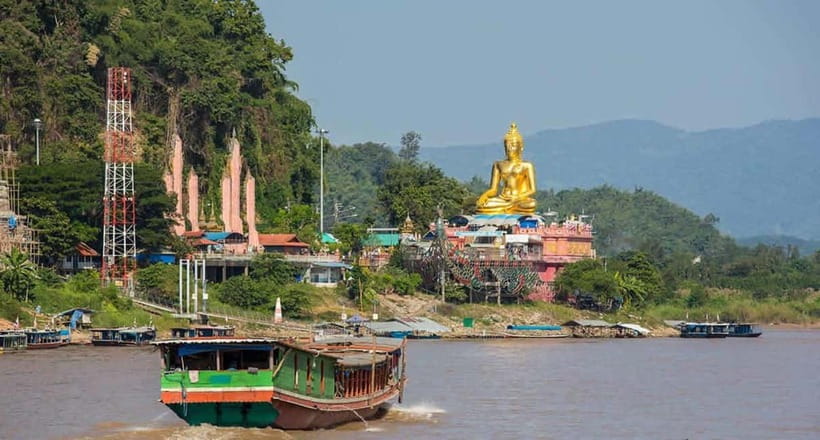
After the temples, the tour moves toward the Golden Triangle region. This is where the day starts to feel more grounded in place and politics, not just architecture.
The Golden Triangle area is famous for its border stories and the way different cultures and histories overlap in this part of Thailand. The best way to enjoy this segment is to treat the viewpoints as a starting point, then let the next stop do the explaining.
Your guide will connect it to the bigger narrative of the region, so you’re not looking at a scenic place and guessing what it all means. That context is what turns “I saw it” into “I understand it.”
Opium Museum: the story behind a region’s reputation
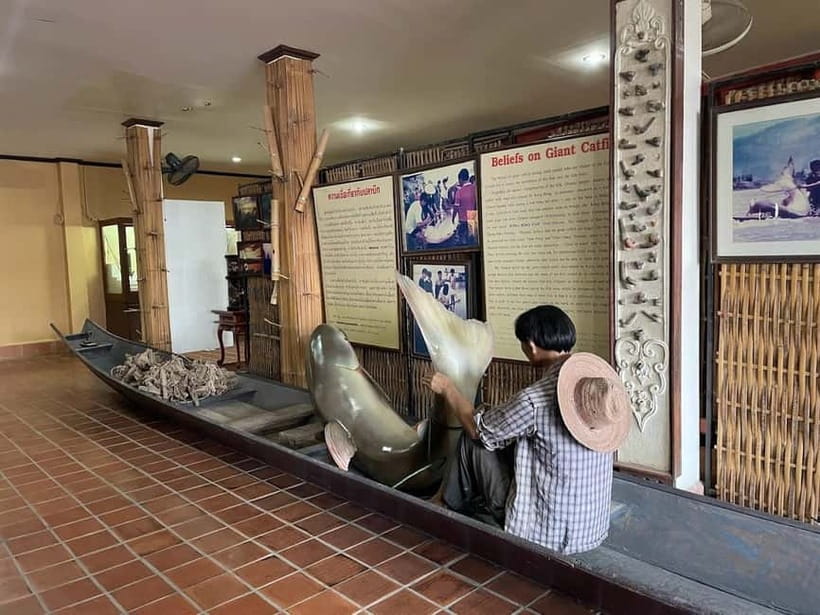
The Opium Museum is where the tour’s history side becomes concrete. You’re shifting from scenery to explanation, and this stop gives the day its seriousness.
If you’re the kind of person who likes to know why a place matters, you’ll appreciate this. The museum helps you connect the dots between the Golden Triangle reputation and the human impact behind it.
I’d plan to spend real time here instead of speed-reading. Museums like this get more meaningful when you slow down and let details land.
Karen Hilltribe Village (optional): cultural time with your own pace
Karen Hilltribe Village is listed as an option, so not every departure has to include it. If you choose it, this is the part of the tour that adds another layer of culture beyond temples and museums.
Because it’s an optional stop, it’s a good fit if you’re curious but you also want control. If you’d rather keep your day focused on art, borders, and tea, you can skip it and still see the core “7 major sites.”
If you do go, approach it with respect and patience. Cultural stops can move more slowly than you expect, and it helps to be mentally ready to observe rather than “collect experiences.”
Chui Fong Tea Plantation: a calmer afternoon pause
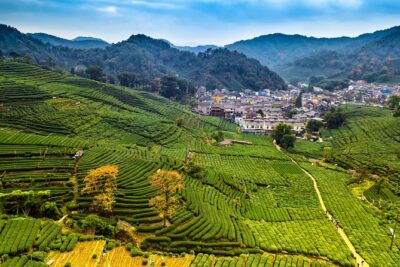
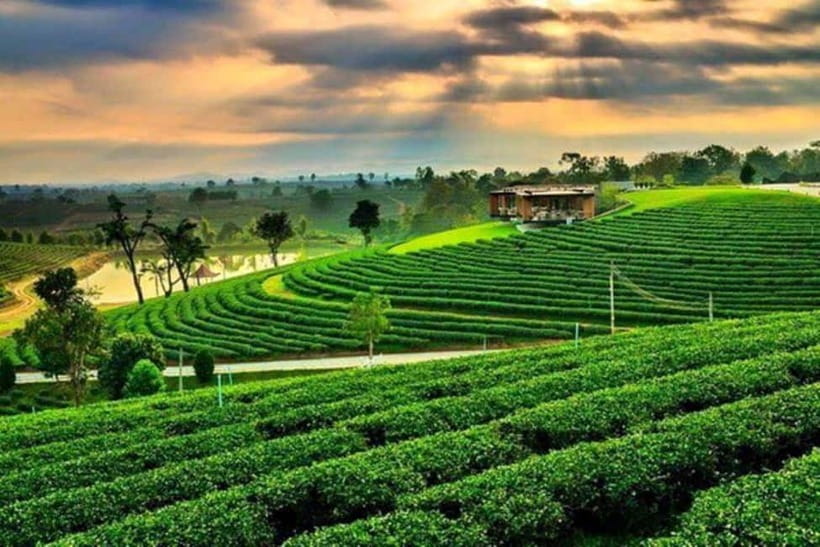
One of my favorite parts of this itinerary is the shift to tea. The Chui Fong Tea Plantation adds a break from the intense visual rhythm of temples and museum walls.
Tea plantations naturally slow the pace. You tend to walk a bit more gently, look at rows and slopes, and enjoy the change in air and light. It also gives you something different to talk about at the end of the day. Not every Chiang Rai tour offers a serious nature-and-crop stop in the same package.
This is the segment where you’ll likely appreciate that the tour is structured for a full day. You’re not just driving. You’re spending time at each type of site: art, history, then agriculture.
Lunch, water, and small-group timing that reduces stress
Food and comfort are often where day tours succeed or fail, and this one has solid basics built in.
Included is a buffet Thai lunch, with the note that you should let your guide know about restrictions ahead of time. Vegetarian meals can be served upon request. Bottled drinking water is also included.
On transport, you’re riding in a minibus with air conditioning and a driver. Many people care about this because temple days in Thailand can get hot quickly. AC doesn’t eliminate humidity, but it helps you arrive at each stop with energy instead of getting cooked on the ride.
The tour also includes travel accident insurance, which is the kind of boring detail that makes a difference when you’re away from home.
Group size stays limited to 10 participants, so you’re not trapped in a giant bus ecosystem. That also helps your guide keep the day on track.
Price and ticket choices: what $72 really means for you
The price is listed as $72 per group up to 1, which suggests pricing depends on package setup. The important part is how tickets work.
You have two options:
- Option 1: tickets included (with standard tickets covered)
- Option 2: tickets excluded (meaning you pay certain entry fees yourself)
A clear ticket example is included: White Temple ticket = 200 baht per person when tickets are excluded. For other entry fees, the data doesn’t list individual prices, so your safest move is to confirm what’s covered in your option before you pay.
How to decide:
- If you hate surprise expenses, choose the option that includes tickets.
- If you’re comfortable handling a few entry fees and prefer flexibility, the excluded-tickets option can still work, but you’ll want to verify total costs for your exact day.
Either way, your money isn’t just buying admission. You’re also paying for transport (air-conditioned minibus), a private English-speaking guide, lunch, water, and insurance.
Guides who set the tone: English explanations and real-world help
A standout pattern in the experience is the guide’s role in making each stop make sense. Names you may see associated with the tour include Guitar, Ping, Phing, Meo, Yok, and Gui (drivers are also mentioned, like Gui). What matters is the function: English guidance, clear explanations, and active help during the day.
If you ask questions, you’ll get answers that connect Chiang Rai’s art and history to everyday understanding of Thailand. And if you’re trying to manage meals or preferences, the guide support is part of the value.
This is a “good day” tour partly because it’s structured. But it becomes a memorable day because your guide turns it into a story, not just a checklist.
What to bring, rules to follow, and who this day fits best
Bring:
- Hat
- Sunscreen
Those two items aren’t optional here. Temple visits and plantation time add up under Thailand’s sun.
You also need to know what’s not allowed:
- No pets
- No alcohol and drugs
Before you go, share:
- Your hotel name (pickup is based on it, and hotel locations can be hard to find)
- Any dietary restrictions or allergies (vegetarian lunch is available upon request)
- If you stay outside the city, contact the operator for a clearer meeting point
Who it’s best for:
- First-time visitors who want a one-day overview without planning
- People who enjoy art temples and history stops
- Travelers who prefer an organized pace with time at each venue
Who should skip:
- Wheelchair users (not suitable)
- People over 70 (not suitable)
Should you book this Chiang Rai day tour?
Book it if you want the most efficient way to see Chiang Rai’s must-dos in one day: the White and Blue Temples, the unusual Black House, then Golden Triangle history capped with the Opium Museum, plus tea at Chui Fong. The included lunch, water, and air-conditioned transport make it feel like a real day plan, not a stressful hop-and-skip.
Skip or reconsider if you don’t handle walking around temple and museum sites comfortably, or if you’re in the age group noted as not suitable. Also, pay attention to the ticket option—if you pick tickets excluded, the White Temple entry fee is specifically listed as 200 baht per person, and other fees may add up too.
If you’re trying to pack Chiang Rai into limited time, this is a strong choice. You’ll leave with a sharper sense of why Chiang Rai looks so different from other Northern Thailand cities—art and history side by side, in a day that stays organized.
FAQ
What’s the duration of this Chiang Rai tour?
It runs for 1 day, with the start time shown as a morning pick-up window around 8:00–8:30 am.
How big is the group?
It’s a small group limited to 10 participants.
Are lunch and drinking water included?
Yes. A buffet Thai lunch and drinking water are included.
Is vegetarian food available?
Yes. If you have dietary restrictions or allergies, you can inform the guide, and vegetarian food can be served.
What’s included in the transportation?
You’ll travel by an air-conditioned minibus with a driver, and you’ll have a private English-speaking tour guide.
Does the tour include entrance tickets?
It depends on your option. Option 1 includes tickets. Option 2 excludes tickets. The White Temple ticket is listed as 200 baht per person when tickets are excluded.
What sites are covered in the 7 major stops?
The main sites are the White Temple, Blue Temple, Black House, Golden Triangle, Opium Museum, Chui Fong Tea Plantation, plus the Karen Hilltribe Village as an option.
Is there hotel pick-up?
Yes, free pick-up and drop-off is included within 6 kilometers of the city center. If you stay farther away, you’ll need to contact them for a meeting point.
Is the tour suitable for everyone?
No. It’s not suitable for wheelchair users and not suitable for people over 70 years. Pets are also not allowed, and alcohol and drugs are not allowed.