REVIEW · UJI
Uji Tea Ceremony and UNESCO Heritage Walking Tour
Book on Viator →Operated by TripGuru · Bookable on Viator
Tea in Uji feels like a time machine. This 3-hour walking tour strings together the area’s most famous sights—Byodoin Temple and Taihoan tea ceremony—with a guided route you can actually follow. I like that the guide ties each stop to real meaning, and I also like the hands-on tea component instead of just taking photos. One thing to consider: it runs on a set route and you’ll be outside for much of it, so good weather matters.
The group stays small (max 9), so you get room to ask questions and you don’t feel like you’re being herded. You’ll meet at Uji Station at 9:45 am, walk between sites, and finish near Uji Bridge, which is convenient if you’re continuing through Kyoto/Osaka that day. I also like the value at $70, especially since entrance fees for Byodo-in are included and the guide handles the flow.
In This Review
- Key things that make this Uji tour worth your time
- First stop: Byodoin Temple and the Phoenix Hall area
- Taihoan tea ceremony: learning the ritual behind matcha
- Suspension bridges: Asagiri and Tachibara for views and breaks
- Uji Shrine and Ujigami Shrine: calm stops with cultural weight
- Uji Bridge finish: tea time and local treats
- Guides make the difference: what the small group really gets you
- Timing and route logic: how the 3 hours actually play
- What’s included vs. what you pay for on your own
- Who should book this Uji tour (and who might skip it)
- Quick FAQ
- FAQ
- How long is the Uji tea ceremony and UNESCO walking tour?
- What time does the tour start?
- Where do I meet the guide?
- Where does the tour end?
- Is the tour guided in English?
- What are the main stops on the route?
- Is the Byodoin Temple admission included?
- Is the tea ceremony included in the price?
- Is hotel pickup available?
- What if the weather is bad?
- Should you book this Uji tour?
Key things that make this Uji tour worth your time
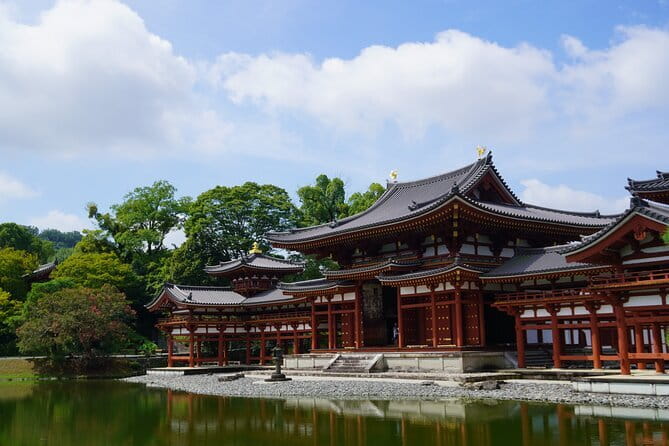
- UNESCO stop at Byodoin Temple: see the Phoenix Hall area and learn why it matters.
- Taihoan tea ceremony: practice-focused learning at the place tied to Japan’s green tea beginnings.
- Small group pacing: max 9 travelers, so the walk feels manageable and questions don’t get lost.
- Photo stops that actually fit: suspension bridges plus shrine time, without turning the day into a sprint.
- Finish with Uji tea and local bites: you get time at the end to taste what Uji is known for.
First stop: Byodoin Temple and the Phoenix Hall area
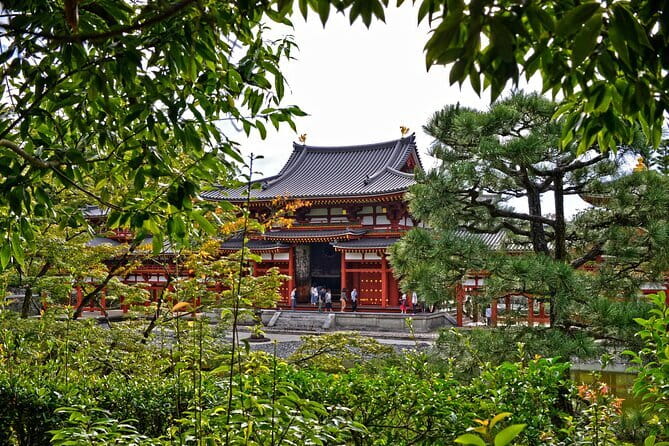
Your morning starts at Uji Station (611-0021 Kyoto, Uji, Uji Uwamachi 1716) and you’ll head straight to Byodoin Temple, the UNESCO-listed highlight of Uji. This is one of those places where the architecture isn’t just pretty—it’s part of the story of how power, faith, and culture were expressed in Japan.
You’ll spend about 1 hour at Byodoin Temple, with admission included. The big draw here is the Phoenix Hall area, tied to centuries of history and the unmistakable look that made it a landmark. Even if you’re not a temple superfan, I think this stop works because the guide helps you notice details you’d likely miss on your own—layout cues, symbolic meaning, and how the site’s design connects to what people believed back then.
Practical note: temple visits usually involve walking on uneven ground and moving between spaces. Wear shoes you don’t mind getting a little dusty, and plan on being outdoors before the day warms up.
You can also read our reviews of more tours and experiences in Uji.


Taihoan tea ceremony: learning the ritual behind matcha
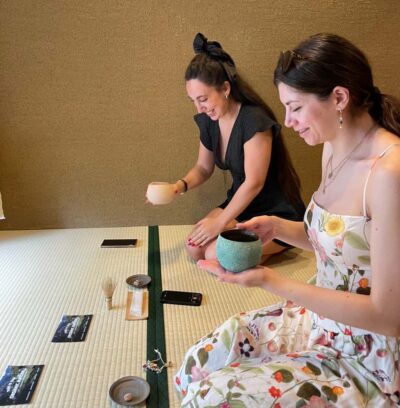
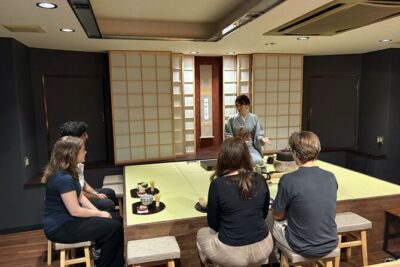
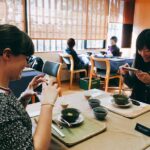
Next comes the real reason most people book this tour: the tea ceremony at Taihoan. The itinerary schedules about 40 minutes at Taihoan, and the tour includes the tea ceremony time (listed as 30 minutes). Either way, you’re not just watching—you’re learning the rhythm and meaning behind preparation, etiquette, and the purpose of making tea the traditional way.
Taihoan is described as the birthplace of Japan’s green tea, which adds a strong sense of place. I like that you’re not left with a generic lesson like green tea is healthy or good for you. Instead, the focus is on the ceremony itself: what each step is for, why presentation matters, and how the host treats the experience as a complete ritual.
This is also where the guide quality shows up. In the reviews, guides with names like Naoki and Nobumasa Myake were praised for friendly, clear explanations, and one family specifically said their daughter enjoyed the tea ceremony a lot. That’s a good signal if you’re traveling with kids or anyone who wants the day to feel fun, not just informative.
One small consideration: tea ceremonies can feel short if you’re expecting a long performance. If you want a deep, slow, multi-course ceremony, this is still a strong intro, but it won’t replace a longer tea-focused class.
Suspension bridges: Asagiri and Tachibara for views and breaks

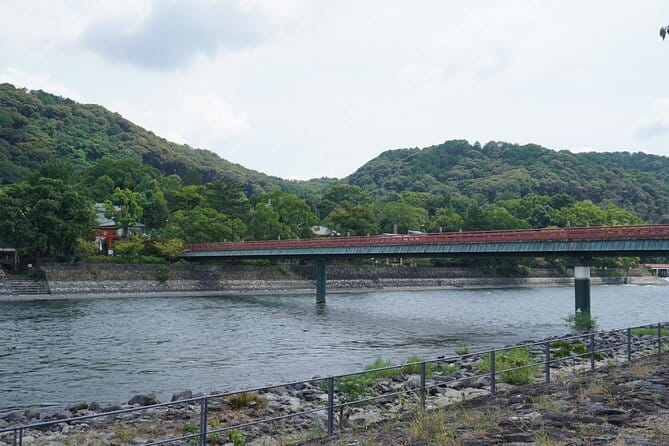
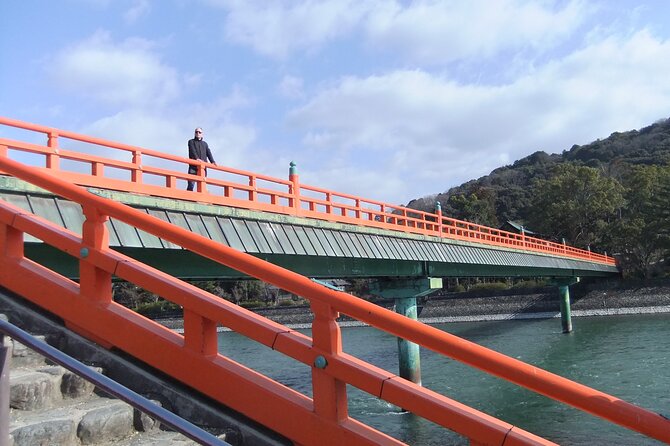
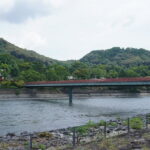
After Taihoan, the tour gives you breathing room with scenic bridge time. The route includes Asagiri Bridge and Tachibara Suspension Bridges, with about 15 minutes scheduled. This is the part where you get a change of pace from temples and quiet buildings—fresh air, river views, and a chance to capture the classic Uji angles.
I like this segment because it’s practical. It’s long enough to actually see the scenery, but short enough that you’re not dragging your day around a scenic stop that turns into an all-day detour. If you care about photos, go into this with the mindset of getting a few solid shots rather than trying to take everything at golden hour.
Uji Shrine and Ujigami Shrine: calm stops with cultural weight
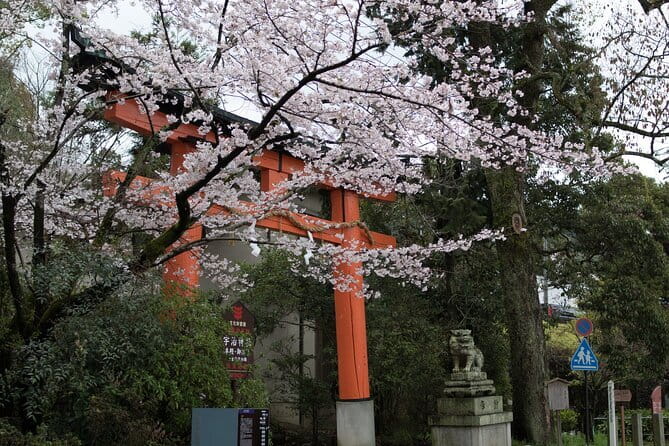
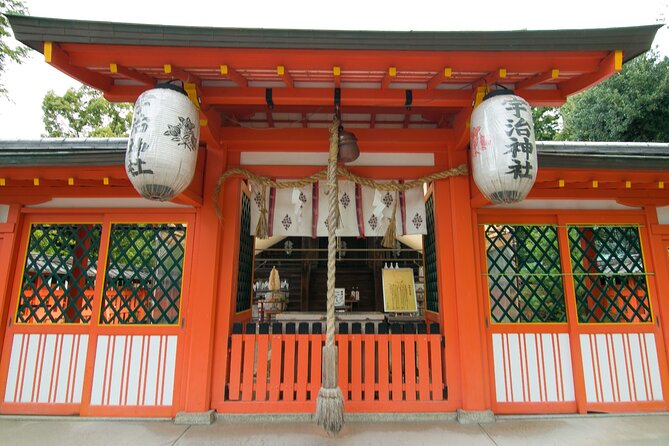
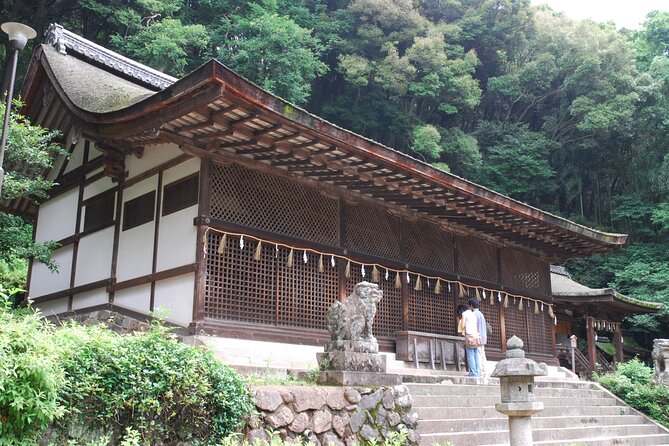
Then you’ll visit Ujikami Shrine and Ujigami Shrine, with about 20 minutes scheduled at these sacred sites. These shrines aren’t framed as the main event compared to Byodoin, but they add something important: a more complete picture of how Uji’s spiritual landscape connects to daily life and long-term tradition.
This is the kind of stop that’s easy to rush if you’re traveling solo, especially when signage is dense or the story behind a shrine isn’t obvious at first glance. A good guide helps you slow down without making you bored. And with a small group, you can move at a human speed.
What I appreciate most here is the tone shift. After the tea ritual, a calm shrine visit feels like a natural reset—less about spectacle, more about atmosphere.
Uji Bridge finish: tea time and local treats
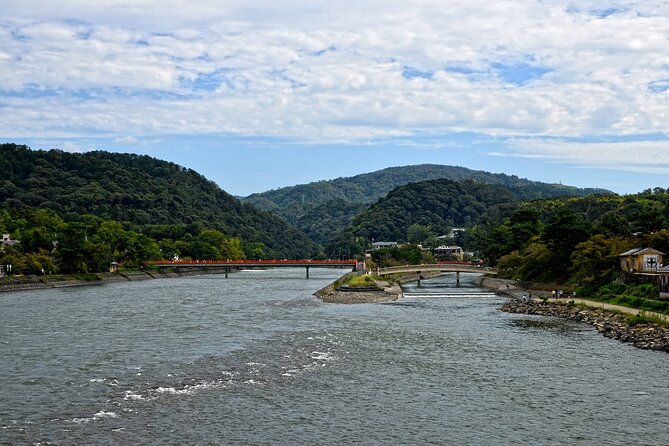
The tour ends at Uji Bridge (Otsukata Uji, Kyoto 611-0021), and you get about 45 minutes at the final stop. This is where you’ll experience more of local Uji life, including time for Uji’s famed green tea and local delicacies.
Here’s how I’d think about it for planning: the tour gives you a block of time to taste and explore, but the provided details don’t clearly state that every snack is included. So assume you can buy what you want, and treat the guide’s suggestions as part of the value. The reviews specifically mention that guides offered helpful follow-up recommendations for matcha places afterward, which is exactly what you want when your tour has a “what next” effect.
If you want an easy plan for the rest of the day, Uji Bridge is a sensible finish because it’s still tied to Uji’s main pedestrian areas. You’ll also avoid backtracking to your original meeting point.


Guides make the difference: what the small group really gets you
The tour caps at 9 travelers, and that changes everything. You’re not just paying for a route—you’re paying for a guide who can answer questions, point out what matters, and keep the group moving at a sane pace.
In the reviews, multiple guide names came up: Katsuhiko, Maru, Naoki, and Nobumasa Myake. The praise had a consistent theme: friendly service and explanations that made each site feel meaningful. Even one review called out that the guide helped people not get lost—exactly what you want on a day that includes several short hops.
So if you’re the type who likes to understand what you’re seeing (and not just where to stand for a picture), this tour fits well. If you mainly want sightseeing with minimal talking, a guided tour may feel like “too much guidance.” That doesn’t make it bad—it just means you’ll want to lean into the story parts.
Timing and route logic: how the 3 hours actually play
This is an approximately 3-hour tour, starting at 9:45 am. That timing is smart because it puts the big walking and main sights early, before the day gets too hot or crowded. The structure is also efficient: long anchor stop (Byodoin Temple), then a focused experience (tea ceremony), then several shorter cultural/photo stops.
The stop lengths are important. Byodoin gets 1 hour because it’s the most involved site. Taihoan gets enough time to make the tea ceremony feel like a real event. The bridges and shrine visits stay shorter so you don’t end up tired before the tea tasting time.
One more practical tip: since you start at Uji Station and end at Uji Bridge, plan your onward travel before the tour begins. Don’t assume your hotel is nearby, and don’t plan on walking back across the same route just because you finished at a different point.
What’s included vs. what you pay for on your own
The included items are straightforward:
- English-speaking guide
- Tea ceremony (listed as 30 minutes)
- Entrance fees to Byodo-in Temple
Not included:
- Personal expenses
- Hotel pickup and drop-off
That matters for budgeting. The headline price is $70, and you do get at least one meaningful entrance fee covered (Byodo-in). That’s the difference between paying for a guided walk and paying for a walk plus actual site access. The tea ceremony is also included, which is usually the part most people don’t want to organize themselves.
For the final tasting time at Uji Bridge, assume you may pay for what you choose to eat or drink unless it’s clearly stated on the day. If you want strict budgeting, carry cash or a card and decide on the spot.
Who should book this Uji tour (and who might skip it)
I think this tour is a great match for:
- First-timers to Uji who want a guided introduction without planning every step.
- People who care about Japan’s tea culture, not just matcha as a drink.
- Families who want structure and explanations, not a solo temple scramble.
- Anyone who likes small groups and a guide who can tailor small moments with advice (like matcha spot suggestions afterward).
You might consider skipping if:
- You want a long, slow tea lesson lasting hours rather than a ceremony intro.
- You hate weather-dependent outdoor walking.
- You prefer to wander independently without a fixed itinerary.
Quick FAQ
FAQ
How long is the Uji tea ceremony and UNESCO walking tour?
It’s about 3 hours.
What time does the tour start?
The start time is 9:45 am.
Where do I meet the guide?
You meet at Uji Station (Kyoto, Uji, Uji Uwamachi 1716).
Where does the tour end?
It ends at Uji Bridge (Otsukata Uji, Kyoto, 611-0021).
Is the tour guided in English?
Yes, it includes an English-speaking guide.
What are the main stops on the route?
The tour includes Byodoin Temple, Taihoan for the tea ceremony, Asagiri/Tachibara suspension bridges, Ujikami Shrine and Ujigami Shrine, and finishes at Uji Bridge.
Is the Byodoin Temple admission included?
Yes, entrance fees to Byodoin Temple are included.
Is the tea ceremony included in the price?
Yes, the tour includes the tea ceremony time at Taihoan.
Is hotel pickup available?
No, hotel pickup and drop-off are not included.
What if the weather is bad?
The experience requires good weather. If it’s canceled due to poor weather, you’ll be offered a different date or a full refund.
Should you book this Uji tour?
If you’re choosing between a quick self-guided Uji trip and a guided experience, I’d lean toward booking this one. For $70, you get a tight 3-hour plan with English guidance, Byodoin admission included, and a real Taihoan tea ceremony—then you finish with time to taste and eat in Uji without needing to figure everything out.
Book it especially if you want your day to make sense: temples with meaning, tea with context, and enough scenic breaks to keep it enjoyable. Just come prepared for a set schedule and outdoor time, and you’ll get a clean, memorable introduction to Uji’s culture in one morning.