REVIEW · KYOTO
Traditional Tea Ceremony with Matcha and Sweets in Kyoto
Book on Viator →Operated by Japan Wonder Travel · Bookable on Viator
Matcha gets personal in Kyoto’s Gion. I love how this tea ceremony is chair-friendly, so you can enjoy chanoyu without floor-seating pressure, and how it’s hands-on, not just watch-and-clap.
You’ll hear the story behind Japanese tea, see authentic technique up close, and then make your own bowl of matcha. One consideration: the whole experience is about 1 hour, so it’s more “best-of” learning than a long, repeated practice session.
In This Review
- Key Things to Know Before You Go
- Kyoto’s Gion Address: Why This Setting Matters
- Is $22.86 Good Value for 1 Hour of Tea Culture?
- Tea, Zen, and Omotenashi: What You Learn Before You Make Matcha
- Watching the Tea Master Up Close (Not Just From Across the Room)
- Making Your Own Bowl of Matcha: The Part You’ll Remember
- Sweets and Flavor Pairing: Kyoto’s Sweet Finish
- Q&A Time: Turn the Lesson into Real Understanding
- Who This Experience Fits Best in Your Kyoto Plan
- Should You Book This Kyoto Tea Ceremony?
- FAQ
- How long is the traditional tea ceremony experience?
- What is the price per person?
- Where does the experience start in Kyoto?
- Does the ceremony involve sitting on chairs?
- How many people are in the group?
- Do I make matcha during the session?
- Is free cancellation available?
Key Things to Know Before You Go
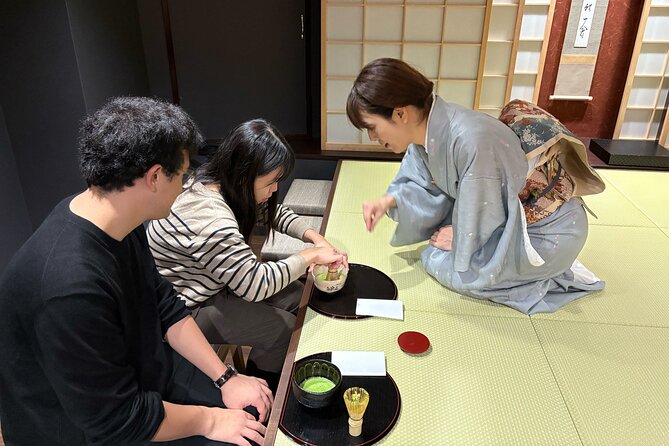
- Chair seating for comfort means you can participate even if tatami-style seating feels tricky.
- Chanoyu with Zen context: you learn how philosophy shapes the ritual before you perform it.
- You whisk your own matcha after watching the tea master’s techniques up close.
- Kyoto sweets from long-established artisans make the tasting feel like part of the lesson, not an afterthought.
- Small group size (max 13) keeps the experience calm and lets you ask questions at the end.
Kyoto’s Gion Address: Why This Setting Matters
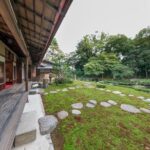
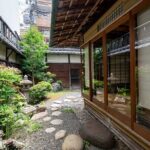
Kyoto’s tea culture is best understood in a place that still feels traditional, and this experience places you in the Gion area. Even if you’re only in Kyoto for a few days, the location helps the ceremony feel grounded, not like a staged show.
The meeting point is clearly defined in Higashiyama Ward, Yamatochō, at the address listed for the activity (Japan, 605-0802 Kyoto, Higashiyama Ward, Yamatochō, 1 祇園田中屋ビル). From there, the session ends back at the same starting point, which keeps things simple after your 1-hour lesson.
You can also read our reviews of more tours and experiences in Kyoto.
Is $22.86 Good Value for 1 Hour of Tea Culture?
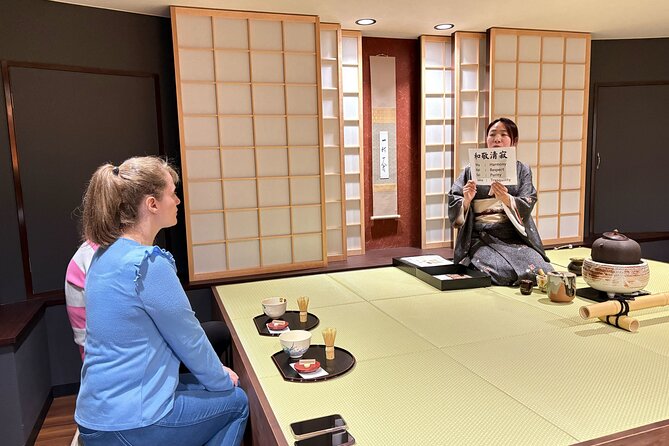
At $22.86 per person, this is priced like a focused cultural experience rather than a half-day commitment. And that’s exactly how you should think about it: you’re paying for guided explanation, live technique, and your own matcha practice, all in roughly an hour.
The small-group limit (up to 13 travelers) is a big part of the value. In a bigger crowd, tea ceremonies can turn into a performance you watch from the back. Here, the format stays intimate enough for you to actually connect the lesson to what your hands are doing.
If you’re hoping for a very long, formal ceremony with lots of repetition, this isn’t that. But for most first-timers, it’s a sweet spot: enough time to learn the why, then do the how.
Tea, Zen, and Omotenashi: What You Learn Before You Make Matcha
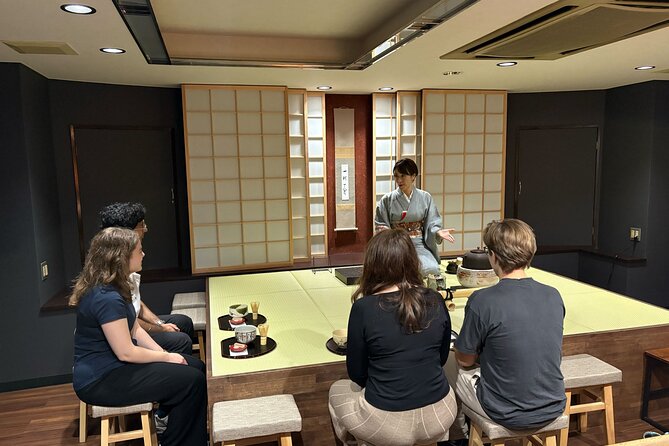
The lesson doesn’t start with whisking. It starts with meaning. You’ll learn about the history of tea in Japan, then how Zen philosophy shaped chanoyu, the tea ceremony tradition.
This part matters because matcha is not just a drink. In chanoyu, the ritual is designed to slow you down and sharpen attention. When the session explains that idea upfront, your matcha-making doesn’t feel like a task. It feels like a small choreography you understand.
You also hear about omotenashi, Japanese hospitality. That theme shows up in the way the tea master prepares, the way guests are guided, and how the experience is structured to feel welcoming and accessible. It’s not hard-sell etiquette. It’s warmth with a purpose.
Watching the Tea Master Up Close (Not Just From Across the Room)
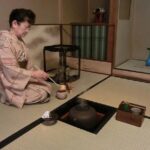
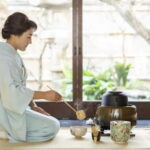
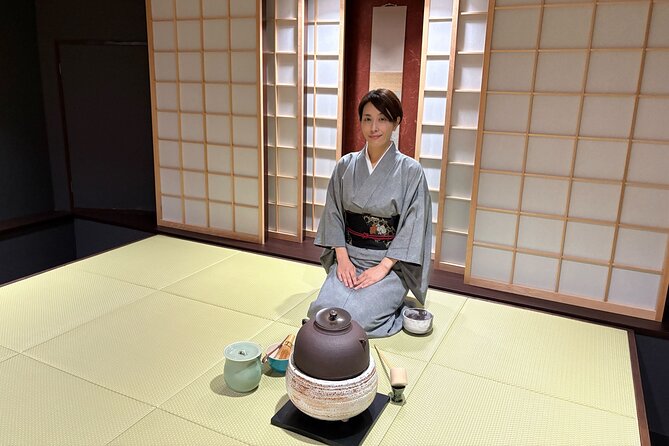
A key feature here is that you observe authentic techniques performed up close by a tea master. That’s where the ceremony usually makes sense, because you see the details in motion: how movements stay calm, how the process follows a rhythm, and how the tea isn’t treated like a shortcut.
A lot of people run into tea ceremonies as “a pretty photo moment.” This one is different. You’re learning the logic behind the steps—so your matcha session later feels guided, not guessy.
The tea master is experienced in Sa do (the way of tea). In feedback, names like Mitsune and Yuki come up with praise for their ability to connect technique to philosophy, not just recite tradition. That’s what you want in a teacher: someone who can explain what you’re seeing in plain terms.
Making Your Own Bowl of Matcha: The Part You’ll Remember
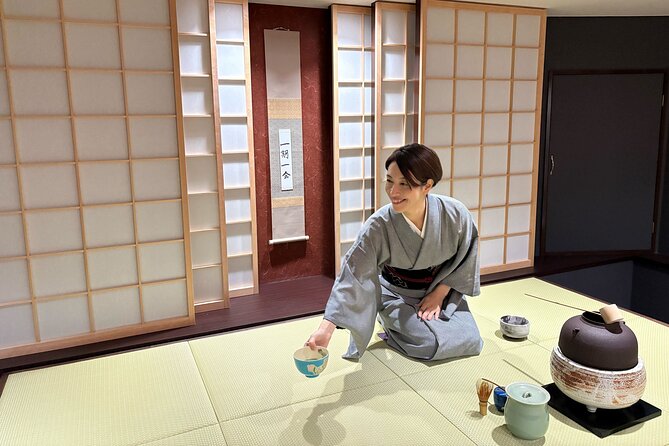
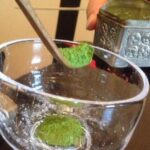
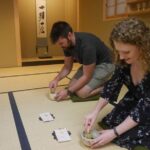
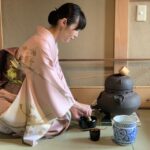
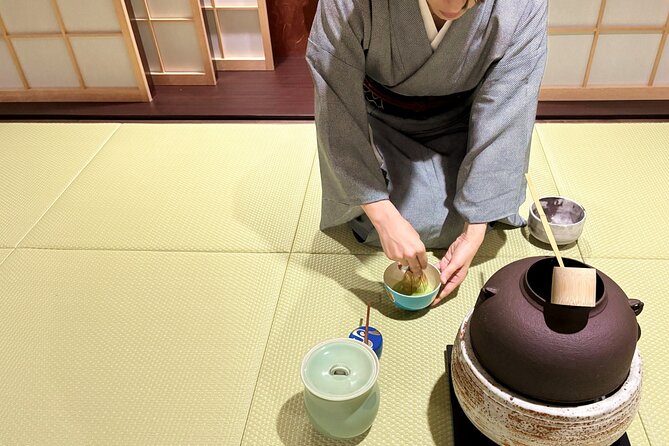
Then you get to do it. In the second half, you prepare and enjoy matcha, including whisking your own bowl. This is the moment where the experience turns from educational to genuinely personal.
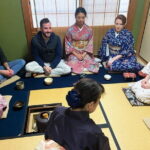
The “chair seating” format makes a difference here. Traditional tea ceremonies often expect floor seating, and that can distract you from what you’re trying to learn. With chairs, you can focus on timing, posture, and the feel of the whisk instead of spending the session negotiating your legs.
You’ll also be working with premium tea sourced from a family-run farm. That’s not a vague marketing line. It’s the practical difference between matcha that tastes grassy and matcha that feels balanced and clean. When the session gives you a quality product, your technique has a fair shot at shining.
Sweets and Flavor Pairing: Kyoto’s Sweet Finish
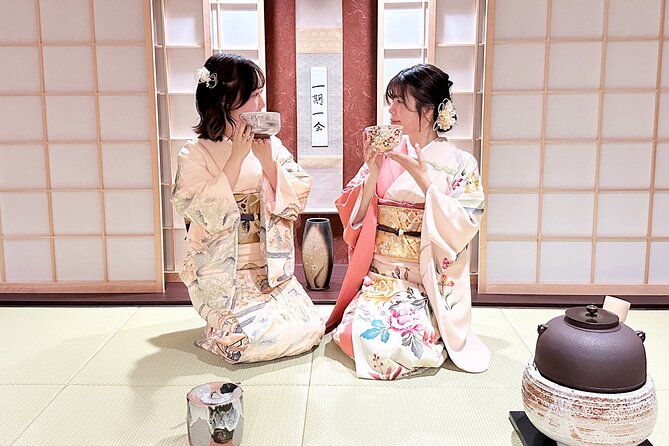
After matcha, the experience includes tasting traditional sweets chosen from long-established artisans. This isn’t random dessert time. In a ceremony context, sweets shift the whole tasting experience.
Think of it like this: matcha brings grassy bitterness and a green depth. The sweets are designed to complement and soften that taste, then make the matcha feel more intentional. The lesson framing helps you notice the contrast instead of just chasing sugar.
It also gives the session a natural ending. After learning history, Zen, and technique, the sweets provide a gentle landing—something you enjoy while you process what you learned.
Q&A Time: Turn the Lesson into Real Understanding
At the end, there’s a Q&A. That’s one of those small add-ons that can massively change the trip payoff. You’re not stuck guessing what the movements mean or why the sequence matters.
If you’re the type who likes to understand how traditions work (instead of just collecting impressions), this is where you get answers tailored to your questions. If you’re new to Japan and feeling slightly intimidated by etiquette topics, this is also a safe place to ask without the pressure of guessing.
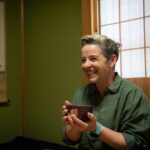
In feedback, people often highlight that the hosts are friendly and welcoming, with an emphasis on hospitality. A good Q&A doesn’t feel like an interrogation. It feels like you’re being invited to keep learning.
Who This Experience Fits Best in Your Kyoto Plan
This is ideal if you want a Kyoto cultural activity that feels authentic but not intimidating. The chair seating approach is especially helpful if you have limited mobility, a leg/low-back issue, or simply know you won’t enjoy yourself on the floor.
It also fits well if you’re short on time. At about 1 hour, it’s easy to plug into a day in Higashiyama or after wandering Gion and nearby streets. And since it ends back at the meeting point, you avoid the “now where do I go” stress.
You should also consider it if you’re a matcha person. You’ll taste sweets, make matcha yourself, and learn what to pay attention to so your future matcha orders taste less like a lottery.
Should You Book This Kyoto Tea Ceremony?
Yes, if your goal is to get a real feel for chanoyu—Zen context, technique, and the hands-on moment—without committing half your day. At $22.86 for a small group and a guided session that includes making matcha and eating traditional sweets, it’s strong value for first-timers.
I’d think twice only if you want a long, highly traditional floor-based ceremony with lots of repetition. This one is designed to be meaningful and approachable, and that accessibility is part of the point.
If you’re in Kyoto and want a calm, focused experience that helps you slow down and actually understand what you’re tasting, this chair-friendly matcha ceremony in Gion is a smart booking.
FAQ
How long is the traditional tea ceremony experience?
It runs for about 1 hour.
What is the price per person?
The price is $22.86 per person.
Where does the experience start in Kyoto?
It starts in Higashiyama Ward, Yamatochō, at Japan, 605-0802 Kyoto (the address listed is 1 祇園田中屋ビル). The activity ends back at the meeting point.
Does the ceremony involve sitting on chairs?
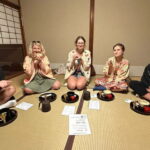
Yes. You’ll be seated on chairs so more people can join comfortably, including those not used to floor seating or with limited mobility.
How many people are in the group?
The maximum group size is 13 travelers.
Do I make matcha during the session?
Yes. You’ll whisk your own bowl of matcha as part of the experience, guided by a tea master.
Is free cancellation available?
Yes. You can cancel for free up to 24 hours in advance for a full refund. Cancellation less than 24 hours before the start time is not refunded.